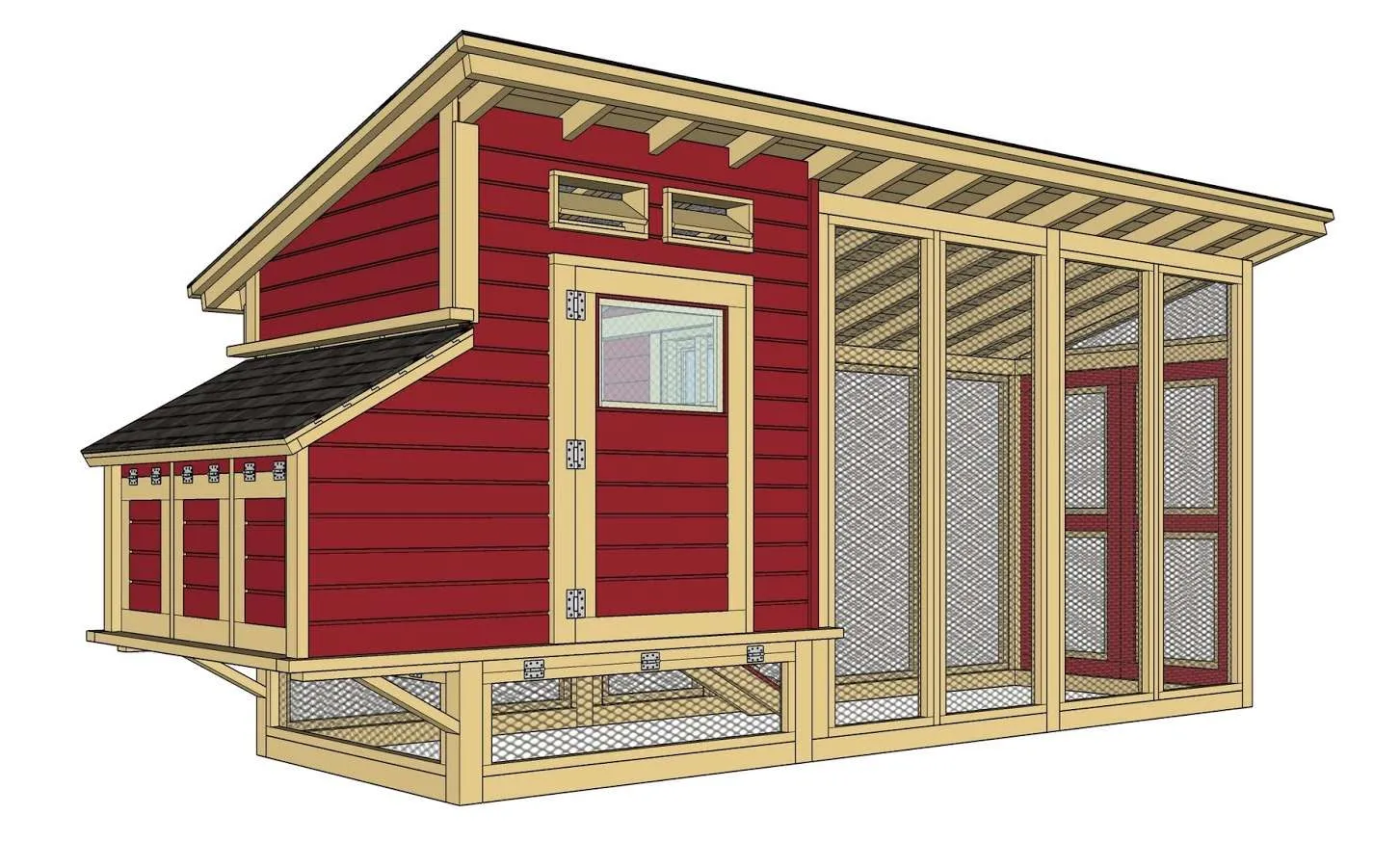
Choosing the Right Chicken Coop Plans
Embarking on the journey of raising chickens is an exciting endeavor, and constructing a proper chicken coop is a crucial first step. Selecting the right coop plans is paramount to ensure the health, safety, and happiness of your flock. This guide will help you navigate the essential considerations, explore different coop designs, and provide you with the knowledge needed to create a secure and comfortable home for your six chickens. From understanding space requirements to choosing the best materials, this ultimate guide will equip you with the necessary information to build a functional and aesthetically pleasing coop.
Considerations Before Building Your Coop
Before you start building, it’s crucial to address several factors that will influence your coop design and placement. This includes understanding the needs of your chickens, local regulations, and your budget. Careful planning at this stage will save you time, money, and potential headaches down the line.
Space Requirements for 6 Chickens

Adequate space is vital for the well-being of your chickens. As a general guideline, provide at least 4 square feet of floor space per chicken inside the coop and 8-10 square feet per chicken in the run. This allows them to move around comfortably, roost, and lay eggs without overcrowding. Consider the breed of chickens you plan to raise, as larger breeds may require more space. Remember that more space is always better for their health and happiness. Image: chicken-coop-space.webp
Local Regulations and Zoning
Before you finalize your plans, research local ordinances and zoning laws regarding chicken keeping. Some areas have restrictions on the number of chickens allowed, coop size, and the distance the coop must be from property lines. You may need to obtain permits or adhere to specific guidelines. Ignoring these regulations can lead to fines or even the requirement to dismantle your coop, so it’s essential to be informed before you start building.
Budget Planning
Determine a realistic budget for your coop project. Consider the cost of materials, tools, and any additional expenses. Prices for lumber, hardware, and other supplies can vary, so shop around for the best deals. Remember to factor in the cost of any permits or inspections required. Having a detailed budget will help you make informed decisions about your coop design and materials, ensuring you stay within your financial limits.
Essential Coop Features

Certain features are crucial for creating a safe, comfortable, and functional coop. These essential elements contribute to the overall well-being of your chickens and simplify coop maintenance. Prioritizing these features will ensure a healthy and happy flock.
Roosting Bars
Chickens naturally roost at night, so roosting bars are essential. Provide at least 8-12 inches of roosting space per chicken. The bars should be made of a sturdy, non-splintering material, such as a 2x4 with the edges rounded. Position the roosting bars at a comfortable height from the floor, typically 2-3 feet. Make sure they are easily accessible and away from drafts. Image: chicken-coop-roosting-bars.webp
Nesting Boxes
Provide one nesting box for every 3-4 hens. Nesting boxes should be a comfortable and private space for egg laying. They should be elevated off the ground, and lined with soft bedding such as straw, hay, or wood shavings. Ensure the boxes are easily accessible for egg collection and cleaning. Keep them away from drafts and direct sunlight. Image: chicken-coop-nesting-boxes.webp
Ventilation

Adequate ventilation is crucial for maintaining air quality and preventing respiratory problems in your chickens. Install vents near the roof to allow for the escape of moisture and ammonia, which build up from droppings. Ensure the vents are protected from rain and predators. Avoid placing vents directly above the roosting bars. Good ventilation helps regulate temperature and reduces the risk of diseases.
Predator Protection
Protecting your chickens from predators is paramount. This involves building a secure coop and run that prevents access to common threats such as foxes, raccoons, and hawks. Consider the local predator population when designing your coop and run.
Hardware Cloth vs Chicken Wire
Use hardware cloth, not chicken wire, for the coop and run. Chicken wire is easily breached by predators. Hardware cloth is a sturdier, welded wire mesh that offers superior protection. Bury the hardware cloth at least 12 inches underground around the perimeter of the run to prevent digging predators from entering. Ensure all gaps and openings are securely covered. Image: chicken-coop-predator-protection.webp
Securing the Coop

Secure all doors, windows, and access points with sturdy latches and locks. Use heavy-duty hinges and secure the coop’s structure to the ground. Regularly inspect the coop for any signs of damage or potential entry points. Consider adding additional security measures, such as an automatic coop door or motion-activated lights, for added protection, especially at night.
Top 6 Chicken Coop Plans
Here are six popular chicken coop plans to consider, each with its own advantages. These plans offer a variety of designs and construction methods to fit your needs and skill level.
Plan 1 Simple A-Frame Coop
The A-frame coop is a simple, budget-friendly design suitable for beginners. It features a sloped roof and a compact footprint. Its straightforward design makes it easy to build. It is easy to move around the yard. Image: a-frame-chicken-coop.webp
Materials Needed

You’ll need lumber for the frame, plywood or corrugated metal for the roof, hardware cloth for the run, and various fasteners. Other materials are hinges, latches, and nesting box materials.
Construction Steps
Build the A-frame structure, add the roof and sides, construct the run with hardware cloth, install a door, and add roosting bars and nesting boxes.
Plan 2 Basic Box Coop
A box coop is a simple, rectangular structure that’s easy to customize. It can be adapted to various sizes and include features like an attached run or elevated design. It is a very common and customizable design.
Materials Needed

Lumber for the frame and walls, plywood or siding for the exterior, roofing materials, hardware cloth, and various hardware items.
Construction Steps
Build the box frame, attach the walls and roof, add a door and windows, construct the run, and install roosting bars and nesting boxes.
Plan 3 Elevated Coop with Run
This coop is elevated off the ground, providing better protection from predators and the elements. The space underneath can be used for storage or shelter. This is also a great option for areas prone to flooding.
Materials Needed
Lumber for the elevated frame, plywood for the floor and walls, roofing materials, hardware cloth, and various hardware items.
Construction Steps
Build the elevated frame, attach the floor, walls, and roof, construct the run, and install roosting bars and nesting boxes.
Plan 4 Walk-in Coop
A walk-in coop is spacious enough for you to enter and comfortably perform maintenance. It offers easy access for cleaning and egg collection. This design is great for large areas.
Materials Needed
More lumber due to the size, plywood or siding, roofing materials, hardware cloth, and various hardware items.
Construction Steps
Build a larger frame, attach the walls, roof, and door. Construct the run and install roosting bars and nesting boxes. This may require more advanced carpentry skills.
Plan 5 Coop with Attached Run
This design features an integrated run, providing your chickens with a secure outdoor space. This is one of the most popular designs because of the convenience.
Materials Needed
Lumber for the coop and run frame, hardware cloth for the run, roofing materials, and various hardware items.
Construction Steps
Build the coop frame, attach the walls, roof, and door. Construct the run frame and enclose it with hardware cloth. Install roosting bars and nesting boxes.
Plan 6 DIY Pallet Coop
Pallet coops are an excellent option for those on a budget. Reusing pallets lowers the cost of materials. Ensure the pallets have not been chemically treated. Image: pallet-chicken-coop.webp
Materials Needed
Pallets, lumber for reinforcement, hardware cloth, and various hardware items. You might need roofing materials depending on the pallet design.
Construction Steps
Disassemble and reassemble pallets, reinforce the structure with lumber, add roofing, enclose the run with hardware cloth, and install roosting bars and nesting boxes.
Maintaining Your Chicken Coop
Regular maintenance is essential for ensuring the health and well-being of your chickens and prolonging the life of your coop. Consistent upkeep minimizes the risk of disease and pest infestations.
Cleaning and Hygiene
Clean the coop regularly, at least once a week, removing droppings and soiled bedding. Thoroughly clean and disinfect the coop at least twice a year. Replace bedding frequently, especially in the nesting boxes. Good hygiene practices will help prevent the build-up of ammonia and other harmful substances.
Preventing Pests and Diseases
Regularly inspect the coop for signs of pests such as mites, lice, and rodents. Use appropriate pest control measures, such as diatomaceous earth or pest-repellent sprays. Monitor your chickens for signs of illness, such as lethargy, loss of appetite, or unusual droppings. Promptly address any health issues. Keep the coop and run dry to prevent disease.
Seasonal Maintenance
Perform seasonal maintenance to ensure your coop is ready for any weather. In the winter, insulate the coop, provide adequate ventilation, and ensure the chickens have access to fresh water. In the summer, provide shade and ensure good ventilation to keep the coop cool. Regularly check the roof for leaks and make any necessary repairs.
Building a chicken coop for six chickens is a rewarding experience. By carefully considering your needs, choosing the right plans, and implementing proper maintenance practices, you can provide a safe, comfortable, and enjoyable home for your flock. Remember to prioritize predator protection and local regulations to ensure the health and safety of your chickens for years to come. Happy building and happy chicken keeping!