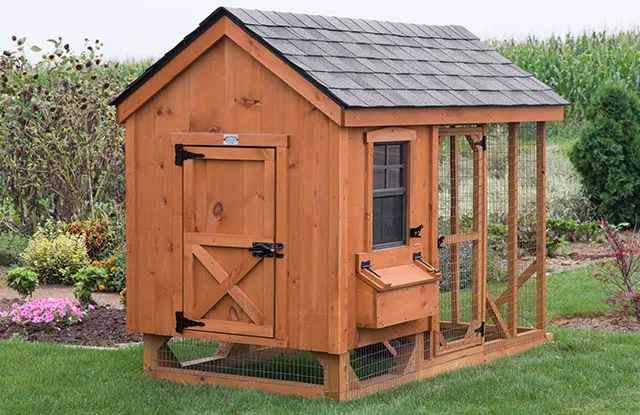
Building an Amish chicken coop is a rewarding endeavor, offering fresh eggs and a connection to a more sustainable lifestyle. Amish coops are known for their quality craftsmanship, durability, and ability to blend seamlessly into a natural setting. This guide provides the top 7 tips for building a successful Amish chicken coop, covering everything from design and location to materials and maintenance. By following these tips, you can create a safe, comfortable, and aesthetically pleasing home for your flock, ensuring their health and happiness for years to come.
Planning Your Amish Chicken Coop Design
Careful planning is the cornerstone of a successful Amish chicken coop. Before you even consider picking up a hammer, take the time to sketch out your design, consider your flock’s needs, and assess your available space. This initial phase will save you time, money, and potential headaches down the road. Think about the size of your flock, the type of chickens you’ll be raising, and the climate you live in. Researching different coop designs and understanding the basic principles of chicken housing will help you create a structure that meets both your chickens’ needs and your aesthetic preferences. Proper planning ensures that your coop is not only functional but also a visually appealing addition to your property.
Choosing the Right Location
The location of your Amish chicken coop is crucial for the health and well-being of your chickens. Choosing the right spot involves considering various factors, from sunlight and shade to soil conditions and accessibility. Selecting a location that provides optimal conditions for your chickens will minimize stress and maximize their productivity. Take into account the prevailing winds, drainage, and proximity to your home. A well-chosen location will make coop maintenance easier, protect your chickens from predators, and contribute to the overall success of your backyard chicken venture.
Consider Sunlight and Shade

Sunlight is essential for chickens’ health, providing Vitamin D and helping regulate their laying cycle. However, too much direct sunlight can lead to overheating, particularly during the summer months. The ideal location offers a balance of sunlight and shade. Position the coop so it receives morning sun and afternoon shade, or ensure there are trees or other structures to provide shade during the hottest part of the day. This balance will help regulate the coop’s temperature, keeping your chickens comfortable and productive year-round. Access to both sunlight and shade is a key consideration for the well-being of your flock, allowing them to thrive in various weather conditions.
Assess the Soil
The soil around your Amish chicken coop impacts drainage, sanitation, and the overall health of your chickens. Before building, assess the soil for its drainage capabilities. Poor drainage can lead to a muddy coop, attracting pests and creating unsanitary conditions. Choose a location with well-draining soil, or take steps to improve drainage if necessary, such as adding gravel or building a raised coop. Additionally, consider the soil’s composition and whether it’s suitable for chickens to forage and dust bathe. A healthy soil environment promotes healthy chickens, reducing the risk of disease and creating a more pleasant living space for your flock. Careful soil assessment ensures a stable and healthy foundation for your coop.
Selecting the Perfect Coop Size
The size of your Amish chicken coop directly impacts the comfort and health of your chickens. Overcrowding leads to stress, increased disease risk, and reduced egg production. Providing adequate space is critical for their physical and psychological well-being. The general guideline is to allow at least 4 square feet of floor space per chicken inside the coop and 8-10 square feet of outdoor run space per chicken. However, these are just guidelines and the best size depends on your breed, climate, and the specific needs of your flock. Make sure to choose a coop size that’s comfortable and appropriate for your specific situation, ensuring your chickens have ample room to move, roost, and forage.
Determine Your Flock Size

Before finalizing your Amish chicken coop plans, determine how many chickens you intend to keep. Starting with a smaller flock allows you to learn and adapt. As your experience grows, you can expand your flock size to match your needs and available resources. Consider local regulations regarding chicken ownership, which may limit the number of birds you can keep. Also, factor in the amount of time and effort you’re willing to dedicate to coop maintenance, feeding, and general chicken care. Overestimating your flock size can lead to an overcrowded coop and increased workload, while underestimating can limit your egg production and the benefits of raising chickens. Plan your coop size based on a realistic assessment of your needs and capacity to care for your flock.
Allow for Future Expansion
When designing your Amish chicken coop, it’s wise to anticipate future growth. Even if you’re starting with a small flock, consider the possibility of adding more chickens down the line. Design your coop with the potential for expansion, whether through adding more nesting boxes, increasing the run size, or building an entirely new section. This foresight can save you the hassle and expense of building a whole new coop later. A well-designed coop allows for easy modifications as your needs evolve. Consider modular designs that can be expanded. Planning for future growth ensures that your coop remains suitable for your flock, providing them with the space and resources they need to thrive.
Essential Amish Chicken Coop Features
Amish chicken coops excel in functionality. Several features are essential to ensure your chickens’ health, safety, and productivity. These elements contribute to a comfortable environment that protects your flock from the elements and predators. The design of a chicken coop can have a substantial impact on egg production, disease prevention, and overall chicken welfare. Consider these essential features when planning and constructing your coop. Incorporating these features ensures that your chickens have a safe, healthy, and productive home.
Adequate Ventilation for Healthy Chickens

Ventilation is a critical yet often overlooked aspect of chicken coop design. Proper ventilation removes ammonia, moisture, and stale air while allowing fresh air to circulate. This reduces the risk of respiratory illnesses and keeps the coop’s interior dry. Include vents near the roofline to allow warm, moist air to escape. Ensure the vents are protected from the elements and predators. Proper ventilation also prevents moisture buildup, which can lead to mold and mildew, compromising the health of your flock. Adequate ventilation is essential for maintaining a healthy environment inside the coop, contributing significantly to the well-being of your chickens.
Effective Pest Control
Protecting your chickens from pests and predators is vital. Predators can include foxes, raccoons, and even neighborhood dogs. Implement several measures to deter these threats. Bury hardware cloth around the perimeter of the coop to prevent digging, secure all doors and windows with strong latches, and consider using predator-proof wire mesh for the run. Regular maintenance, like cleaning up food scraps and droppings, can also deter pests. Pest control extends beyond predator defense; consider methods to control mites and other parasites that can infest your chickens. A proactive approach to pest control is crucial for protecting your flock and maintaining a healthy environment.
Secure Nesting Boxes
Nesting boxes provide a private and secure place for your hens to lay their eggs. Position the boxes in a quiet, dimly lit area, away from drafts and direct sunlight. Each hen needs at least one nesting box. The boxes should be easy to access for cleaning. Use comfortable, absorbent bedding, such as straw or wood shavings. This encourages your hens to lay their eggs in the designated area and keeps the eggs clean. Providing secure nesting boxes is essential for encouraging egg production, protecting the eggs from damage, and making egg collection easy. Well-designed nesting boxes are a critical component of a well-managed Amish chicken coop.
Building Materials & Construction

The quality of materials and construction techniques directly impacts the durability, functionality, and appearance of your Amish chicken coop. Amish builders are known for their use of high-quality materials and meticulous craftsmanship. The choice of materials and construction methods affects the coop’s longevity, insulation, and ability to withstand the elements. By selecting durable materials and employing sound construction practices, you can build a coop that will provide a safe and comfortable home for your chickens for many years. Considering the best materials and techniques is essential when building your coop.
Choosing Durable Materials
Opt for durable, weather-resistant materials. Wood is a popular choice for Amish coops, and treated lumber or naturally rot-resistant wood like cedar or redwood are excellent options. Choose materials that can withstand the elements and resist pest infestation. Consider using hardware cloth or wire mesh for the run and ventilation openings. Use sturdy hinges, latches, and fasteners that are designed to withstand wear and tear. Selecting durable materials initially saves money and effort, minimizing the need for repairs and replacements over time. Choosing quality materials is the basis of a long-lasting coop.
Best Wood Types for Coops
The right wood selection significantly impacts your coop’s durability and lifespan. Cedar and redwood are naturally resistant to rot, insects, and decay, making them excellent choices. These woods also have attractive grains and can be left untreated, which makes them a sustainable choice. Pressure-treated lumber is another alternative, offering good resistance to the elements. However, ensure that the lumber is safe for chickens; avoid using creosote-treated wood. Regardless of the wood you choose, ensure it’s properly sealed and protected to enhance its longevity. Choosing the right wood will ensure the coop provides a safe and secure shelter.
Amish Coop Construction Techniques

Amish builders are renowned for their traditional woodworking skills. Their construction techniques often involve mortise and tenon joinery, which creates strong, long-lasting connections. They prioritize precision, attention to detail, and a commitment to quality. The Amish often use simple, effective designs with the most durable materials. Follow the plans carefully, and take your time during the construction process. Focus on building a sturdy, well-sealed structure. Employing these construction techniques will ensure that your coop is not only beautiful but also built to last, providing a safe and comfortable home for your chickens for many years.
Maintaining Your Amish Chicken Coop
Regular maintenance is essential for extending the life of your Amish chicken coop and maintaining a healthy environment for your chickens. Routine cleaning, preventative measures, and timely repairs can prevent the buildup of bacteria, control pests, and ensure the coop remains structurally sound. A well-maintained coop also contributes to the overall health and productivity of your flock. Establishing a consistent maintenance schedule will help you stay on top of any issues before they become major problems, promoting a long and productive life for your coop and chickens.
Regular Cleaning Schedule
Cleaning your Amish chicken coop regularly helps to remove droppings, spilled food, and other debris that can harbor bacteria, parasites, and odors. Scoop droppings out of the coop daily or every other day, depending on the size of your flock and the coop. Completely clean the coop at least once a month. This includes removing all bedding, scrubbing the surfaces with a mild disinfectant, and replacing the bedding with fresh materials. Regular cleaning promotes a healthy environment for your chickens and prevents the build-up of unsanitary conditions. Consistent cleaning ensures a healthy and thriving flock.
Preventative Maintenance Tips

Preventative maintenance helps you address minor issues before they turn into major problems. Inspect your coop regularly for any signs of wear and tear, such as loose boards, damaged hinges, or cracked roofing materials. Address these issues promptly to prevent further damage and maintain the structural integrity of the coop. Check for any pest infestations and take steps to control them. Regularly inspect the nesting boxes and replace soiled bedding. Good preventative maintenance includes checking and maintaining the ventilation system. Consistent preventative maintenance ensures that your coop remains a safe and comfortable home for your chickens for years to come.
Building an Amish chicken coop is a rewarding project, providing your flock with a safe and comfortable home while adding charm to your backyard. By following these 7 tips, you can design, build, and maintain a coop that meets the needs of your chickens and brings you years of enjoyment. Proper planning, attention to detail, and consistent maintenance are key to success. Start building your coop today and enjoy the benefits of raising happy, healthy chickens.