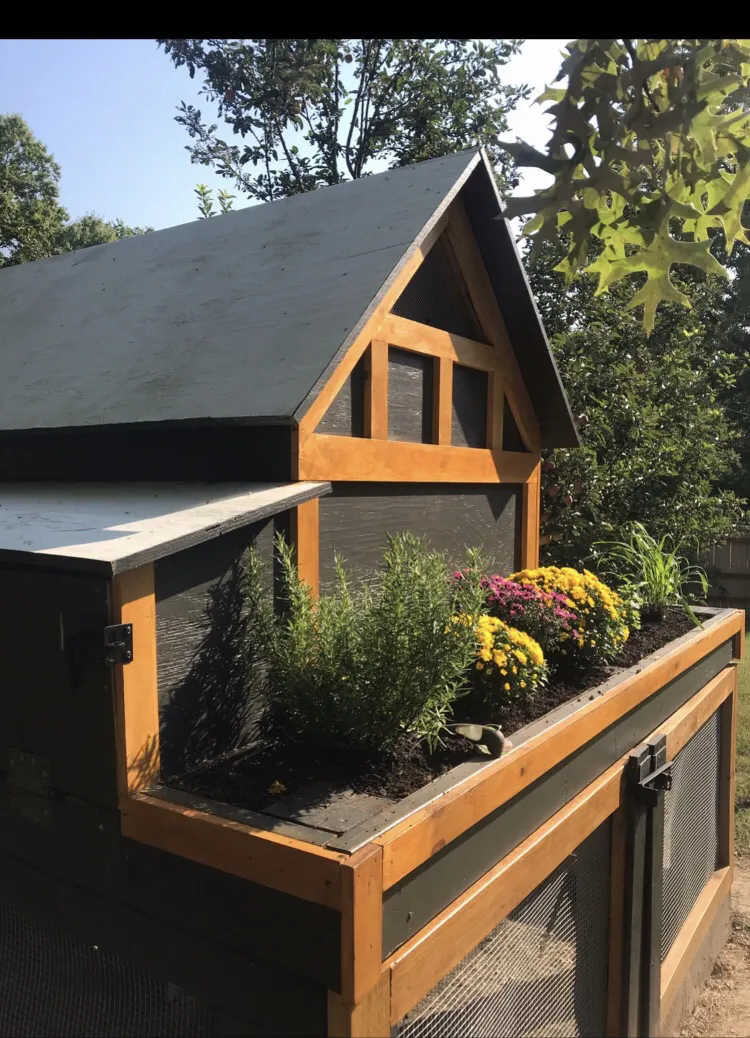
Building a chicken coop can be a rewarding DIY project, and Ana White’s designs provide excellent starting points. But before you start hammering nails, it’s essential to plan carefully. This guide presents the top 5 tips to ensure your Ana White chicken coop is a success, providing a safe, comfortable, and functional home for your feathered friends. Following these tips will not only make the building process smoother but also contribute to the overall well-being of your chickens, ensuring they thrive in their new coop. Proper planning prevents costly mistakes and ensures your coop meets all your chickens’ needs for years to come.
Choosing the Right Ana White Chicken Coop Design
Ana White offers a variety of chicken coop plans, each with its own set of features and dimensions. The first step is to select a design that suits your needs and your backyard. Consider the number of chickens you plan to house, the available space, and the overall aesthetic you desire. Larger coops are needed for more chickens to avoid overcrowding. Look for designs that provide ample space for roosting, nesting, and roaming, which is crucial for the chickens’ health and happiness. Furthermore, consider the ease of cleaning and maintenance when choosing your design. A well-designed coop will make your life, and your chickens’ lives, much easier.
Consider Your Space
Assess your backyard to determine the available space for the coop. Measure the area you’re considering and ensure the chosen Ana White plan fits comfortably. Don’t forget to factor in space for a chicken run, which is essential for allowing your chickens to forage and exercise safely. Consider the location of trees, fences, and other structures that might affect sunlight, shade, and ventilation. A well-placed coop will benefit from natural light and airflow while providing protection from the elements. Also, ensure the coop is in a location that is easily accessible for cleaning and maintenance, ideally closer to your house for ease of access. This makes it simple to gather eggs, refill feeders, and monitor the chickens’ health.
Evaluate Your Climate

Your local climate plays a significant role in coop design. In colder regions, the coop should be well-insulated to protect chickens from freezing temperatures. Consider using double-walled construction or adding insulation to the walls, roof, and floor. Ensure the coop is airtight to prevent drafts. In hot climates, prioritize ventilation to keep the coop cool and prevent heat stress. Position the coop in a shaded area, and incorporate features such as vents, windows, and a roof overhang to promote airflow. Proper planning for the climate ensures the chickens are safe and healthy in every season. This also includes considering rain, snow, and other weather conditions when choosing building materials and designing the roof.
Understanding Chicken Coop Essentials
Certain features are essential for any functional chicken coop. This includes roosting bars, nesting boxes, ventilation, and predator protection. Ana White’s plans typically include these elements, but it’s crucial to understand their importance and customize them as needed. Providing these essentials creates a comfortable and safe environment where chickens can thrive. These are the core elements that contribute to the health, safety, and happiness of the chickens.
The Importance of Ventilation
Good ventilation is crucial for removing moisture, ammonia, and other harmful gases from the coop. Proper ventilation prevents respiratory illnesses and ensures a healthier environment for the chickens. Incorporate vents near the roofline and windows that can be opened and closed to regulate airflow. Avoid drafts by ensuring the coop is not overly breezy. Ventilation also helps to regulate temperature, keeping the coop cool in summer and preventing the build-up of moisture in winter, which prevents mold and frostbite. A well-ventilated coop will significantly reduce the risk of disease and create a much healthier atmosphere for your flock.
Securing Your Coop from Predators

Predator protection is paramount. Use sturdy materials, such as pressure-treated wood, and ensure all openings are securely covered with hardware cloth (wire mesh with small openings). Bury the hardware cloth around the perimeter to prevent digging predators from accessing the coop. Secure all doors and windows with strong latches. Consider adding features like a predator apron, which extends outwards from the base of the coop, or a buried wire mesh to deter digging. This step helps protect your chickens from raccoons, foxes, hawks, and other predators, which is critical for the safety of your flock and your peace of mind.
Nesting Boxes Design
Nesting boxes should be comfortable and easily accessible. Provide one nesting box for every 3-4 hens. Place them in a quiet, dimly lit area to encourage egg-laying. Use soft, clean bedding material, such as straw or wood shavings. Ensure the boxes are easy to clean and maintain, as this is crucial to prevent the spread of parasites and diseases. Elevating the nesting boxes slightly off the ground can also help with ventilation and cleaning. Make sure the boxes are the right size, typically about 12x12x12 inches, to provide a comfortable space for laying eggs.
Essential Materials for Ana White Chicken Coops
Choosing the right materials will determine the longevity and durability of your Ana White chicken coop. Select materials that are weather-resistant, durable, and safe for your chickens. Prioritize quality materials that can withstand the elements and resist wear and tear. This ensures your coop will last for many years.
Best Wood Choices

Pressure-treated lumber is an excellent choice for the base and framing, as it resists rot and pests. For the exterior, consider using cedar or redwood, which are naturally weather-resistant and beautiful. Avoid using wood that has been treated with chemicals that could be harmful to chickens. Ensure the wood is smooth and free of splinters to prevent injury to your birds. Careful selection of the wood type contributes to the overall life and look of your coop. When choosing wood, consider the climate you live in and pick the wood that works best with those conditions.
Hardware and Fasteners
Use exterior-grade screws, nails, and hinges to withstand the weather. Stainless steel hardware is a good option in corrosive environments. Use hardware cloth with small openings (1/2 inch or less) to protect against predators. Choose strong latches and locks for doors and windows. Quality hardware ensures the coop is secure and long-lasting. Always purchase the right hardware for the job to ensure a strong and safe build.
The Ana White Coop Building Process
Following the Ana White plans accurately is crucial. Measure twice, cut once, and take your time. Ensure all cuts are precise and all joints are secure. This will result in a stable and functional coop. Also, have all the necessary tools and materials readily available before starting the project. A well-organized workspace will streamline the process and reduce the risk of errors.
Step-by-Step Construction

Follow the Ana White plans closely, paying attention to the order of construction. Start with the foundation, then frame the walls, install the roof, and finally add the doors and windows. Regularly check for level and square during each step. This will ensure the finished coop is structurally sound. Make sure to pre-drill holes when using screws to prevent splitting the wood. Do not rush the process, and double-check each step before proceeding. Taking your time and following the instructions will make the construction easier.
Roofing and Weatherproofing
Choose a roofing material that is weather-resistant and durable, such as asphalt shingles or metal roofing. Ensure the roof overhangs the walls to protect them from rain. Seal all seams and joints with caulk or weather stripping to prevent leaks. This is an important step to keep the chickens dry. Ensure the roof is correctly sloped to allow water to run off easily. Good roofing prevents water damage and prolongs the life of the coop.
Maintaining Your Ana White Chicken Coop
Regular maintenance is essential to keep your chicken coop in good condition and to ensure the health of your chickens. This includes cleaning, sanitation, and making seasonal adjustments. A well-maintained coop will be a safe and comfortable home for your flock for many years.
Cleaning and Sanitation

Clean the coop regularly, at least once a week, removing droppings and soiled bedding. This helps to control odors and prevents the buildup of harmful bacteria. Wash the nesting boxes and roosting bars with a poultry-safe disinfectant. Replace the bedding frequently to keep the coop clean and dry. Regular cleaning prevents diseases and parasites, which contributes to a healthier environment for the chickens. The frequency of cleaning may need to be adjusted based on the number of chickens and the size of the coop.
Seasonal Adjustments
Make adjustments to the coop depending on the season. In summer, ensure good ventilation and provide shade. In winter, provide additional insulation and consider using a heat lamp (with appropriate safety precautions). Regularly check for leaks and make repairs as needed. Adjust the bedding to suit the weather conditions. Monitor the chickens for signs of stress and make changes as needed. Taking care of your coop throughout the year ensures that your chickens will always be safe and comfortable.
Building an Ana White chicken coop can be a fulfilling project. By following these top 5 tips, you can create a safe, comfortable, and beautiful home for your chickens. Remember to choose the right design, consider the climate, prioritize essential features, use quality materials, and maintain the coop regularly. Happy building, and enjoy the fresh eggs!