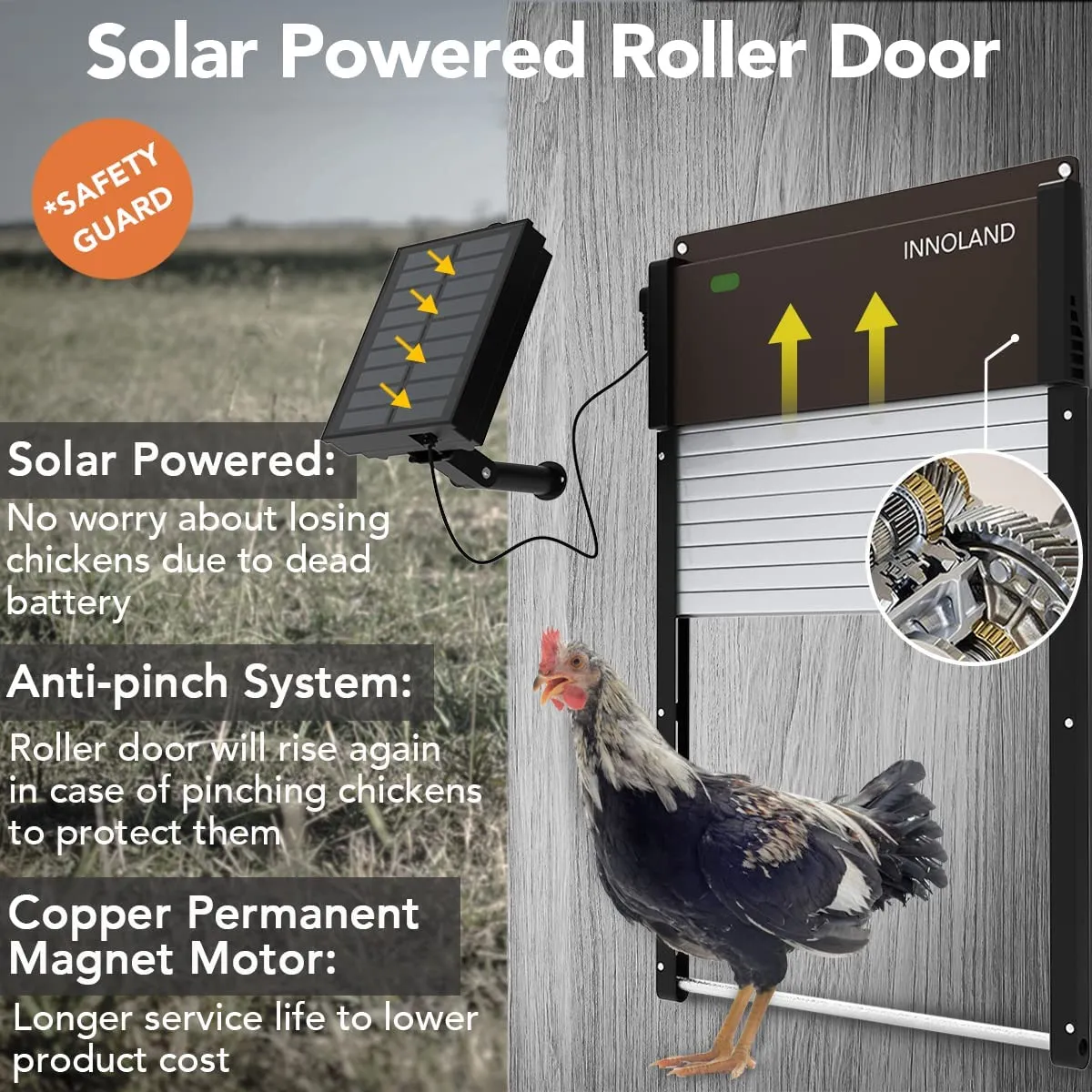
What are Automatic Chicken Coop Doors?
Automatic chicken coop doors are ingenious devices designed to simplify chicken keeping and enhance the safety of your flock. These doors automatically open and close at pre-set times or based on ambient light conditions, eliminating the need for manual operation. This innovation brings a new level of convenience to chicken owners, especially those with busy schedules or who live in areas with frequent predator activity. The doors typically consist of a sliding or vertically-lifting door mechanism, a control unit with a timer or light sensor, and a power source. They are a significant upgrade for chicken coops, offering both practicality and peace of mind.
Benefits of Using Automatic Chicken Coop Doors
Investing in an automatic chicken coop door brings a multitude of advantages to both the chicken owner and the chickens themselves. Beyond the obvious convenience, these doors contribute to better chicken health, security, and overall management of your coop. The following sections delve deeper into the key benefits that make automatic chicken coop doors a worthwhile investment for any chicken keeper looking to streamline their routine and enhance their flock’s well-being. From safeguarding against predators to saving valuable time, the advantages are numerous and impactful.
Convenience and Time Savings

One of the most significant advantages of an automatic chicken coop door is the unparalleled convenience it offers. No longer will you need to rush out in the morning to let your chickens out or worry about getting home before dusk to secure them for the night. The doors operate automatically, freeing up your time and eliminating the daily chore of opening and closing the coop. This is particularly beneficial for those with early work schedules, frequent travel, or those living in areas with unpredictable weather. The automation ensures your chickens are safely secured regardless of your presence.
Enhanced Security for Chickens
Automatic chicken coop doors are a strong line of defense against predators. The timely closing of the door at dusk and the secure locking mechanisms that many doors feature prevent nocturnal animals like foxes, raccoons, and opossums from entering the coop and harming your chickens. Unlike manual doors, which can be forgotten or inadvertently left open, automatic doors provide consistent protection. This consistent security is critical to ensuring the survival and well-being of your flock, especially in areas with a high risk of predator activity. Installing a robust door is a proactive measure that significantly reduces the risk of losing your chickens.
Protection from Predators
Predator attacks are a significant concern for chicken owners. Automatic doors provide superior protection by ensuring the coop is securely closed before dusk and remains closed throughout the night. This is crucial as many predators are most active at dawn and dusk, the very times when manual doors are often being operated. The robust construction of many automatic doors and their secure locking mechanisms further enhance protection, deterring even determined predators. The peace of mind offered by knowing your chickens are safe from harm is invaluable, allowing you to sleep soundly knowing your flock is secure.
Improved Chicken Health and Well-being

The automation provided by an automatic chicken coop door can positively impact your chickens’ health and well-being. Chickens have natural circadian rhythms and thrive on a consistent routine. An automatic door helps maintain this routine, ensuring they are let out at sunrise and safely secured at sunset. This consistency can reduce stress levels, which in turn strengthens their immune systems and promotes healthier birds. Furthermore, by allowing chickens to roam freely during daylight hours, they have access to natural foraging, exercise, and social interaction, contributing to their overall happiness and health. A secure coop also provides shelter from harsh weather conditions.
Factors to Consider When Choosing an Automatic Chicken Coop Door
Choosing the right automatic chicken coop door involves considering several factors to ensure it meets your specific needs and the needs of your chickens. From the type of door to the power source and weather resistance, each aspect plays a crucial role in the door’s functionality, durability, and suitability for your coop. Careful consideration of these factors will help you make an informed decision and select a door that provides the best protection, convenience, and long-term value for your investment.
Door Type and Material
Automatic chicken coop doors come in various types, including sliding doors and vertically-lifting doors. Sliding doors typically move horizontally, while vertically-lifting doors move up and down. The best choice often depends on the design of your coop and the available space. Consider the material of the door as well; options range from durable plastics to metal. Ensure the material is weather-resistant and predator-proof. The door should be sturdy enough to withstand potential attacks from determined predators and able to operate reliably in the prevailing weather conditions of your area. (See Image: chicken-coop-door-types.webp)
Opening and Closing Mechanism

The opening and closing mechanism is a critical component. Most automatic doors use either a timer or a light sensor (photocell) to control operation. Timers allow you to set specific opening and closing times, while light sensors use ambient light to determine when to open and close the door. Consider your chickens’ routine and your local sunrise and sunset times when choosing between these options. Some doors offer both options, providing flexibility. The mechanism should be reliable and operate smoothly, ensuring consistent performance and minimal maintenance. Also, consider models with safety features, such as sensors to prevent the door from closing on a chicken.
Power Source
Automatic chicken coop doors operate using different power sources, including batteries, AC power, and solar power. Battery-powered doors are convenient and easy to install, requiring no wiring, but they necessitate regular battery replacement. AC-powered doors offer a more reliable power supply if you have a nearby electrical outlet. Solar-powered doors are an excellent option for remote locations, offering environmentally friendly operation and reducing the need for battery changes or electrical connections. Consider the availability of power sources at your coop location, as well as the energy efficiency of the door, when making your choice. (See Image: solar-powered-chicken-coop-door.webp)
Weather Resistance and Durability
Weather resistance is a key factor, especially if your coop is exposed to the elements. Look for doors made from weather-resistant materials that can withstand rain, snow, and extreme temperatures. The control unit should also be protected from the elements to prevent damage and ensure reliable operation. Durability is equally important; the door should be constructed to withstand wear and tear and resist attempts by predators to force it open. Consider the construction quality, materials, and any protective coatings to ensure the door will last and protect your chickens for years. The door should be built to withstand the specific climate conditions where the coop is located.
Installation Process

Installing an automatic chicken coop door is generally a straightforward process, but it’s essential to follow the manufacturer’s instructions carefully. The ease of installation can vary depending on the door model and your coop design. Preparing the coop, mounting the door unit, connecting the power supply, and testing the door are the main steps. Understanding each step ensures the door functions correctly and provides maximum protection for your chickens. Prior preparation and careful execution will ensure a successful installation and long-term reliability. (See Image: installing-automatic-chicken-coop-door.webp)
Preparing the Coop for Installation
Before installing the door, prepare your coop by ensuring the opening is the correct size for the door unit. Measure the opening and compare it to the door’s specifications. You might need to make adjustments to the opening to ensure a snug fit. Clear the area around the opening of any obstructions, such as protruding nails or loose wood. It is important to install the door on a level surface to ensure smooth operation. Gather all necessary tools and materials, including a screwdriver, drill, level, and any mounting hardware provided with the door. Careful preparation will make the installation process smoother and ensure the door functions correctly.
Mounting the Door Unit
Securely mount the door unit to the coop frame, following the manufacturer’s instructions. Typically, this involves attaching the mounting brackets or frame to the inside or outside of the coop opening. Use the provided screws or bolts to ensure a stable and secure attachment. Make sure the door moves freely without binding or scraping against the frame. Use a level to ensure the door is mounted straight, allowing for proper closing. Verify the door’s alignment with the opening to prevent any gaps that predators could exploit. (See Image: testing-automatic-chicken-coop-door.webp)
Connecting the Power Supply

Connect the door to its power supply. If using batteries, insert them according to the manufacturer’s instructions. For AC-powered doors, plug the power adapter into a suitable electrical outlet. If using a solar-powered door, connect the solar panel to the control unit and ensure the panel is positioned to receive adequate sunlight. Ensure all connections are secure and protected from the elements. Double-check all connections to avoid any electrical issues. Always follow the manufacturer’s instructions for the specific power source, as improper connections can damage the unit or pose safety risks.
Testing and Adjusting the Door
Once the door is installed and powered, test its operation. Set the timer or light sensor according to your desired settings and observe the door opening and closing. Make any necessary adjustments to ensure the door opens and closes smoothly and completely. Check the door’s sensitivity to light if using a light sensor, and reposition the sensor if needed. Pay attention to the door’s speed and make sure it is not too fast or slow. Check for any obstructions or binding that might hinder the door’s movement. Repeat testing several times to ensure reliability. (See Image: testing-automatic-chicken-coop-door.webp)
Maintenance and Troubleshooting
Regular maintenance and troubleshooting are essential to ensure the long-term functionality and reliability of your automatic chicken coop door. Simple tasks like regular cleaning and inspection can prevent major issues and keep the door operating smoothly. Understanding how to address common problems can also save time and prevent potential damage to your chickens or the door itself. Maintaining your automatic door properly is a proactive measure that protects your chickens and preserves your investment in the equipment.
Regular Cleaning and Inspection

Regularly clean the door and its components to remove dirt, debris, and any obstructions that could impede its operation. Inspect the door, the tracks, and the control unit for wear and tear or damage. Lubricate moving parts, such as hinges and sliding mechanisms, with a suitable lubricant to ensure smooth operation. Check the batteries if applicable and replace them as needed. Ensure that the sensor is clean and free from obstructions. A quick inspection once a month can help identify and address any potential issues before they escalate and cause problems. (See Image: automatic-chicken-coop-door-maintenance.webp)
Addressing Common Issues
Be prepared to troubleshoot common issues. If the door fails to open or close, check the power supply, batteries, and any obstructions. Ensure the timer or light sensor is set correctly. If the door is closing too early or late, adjust the settings accordingly. For doors that get stuck, check the tracks for debris and lubricate the moving parts. If the door is not closing securely, inspect the locking mechanism and adjust it as necessary. Consult the manufacturer’s manual for specific troubleshooting steps. If problems persist, consider contacting the manufacturer’s customer support for assistance. (See Image: chicken-coop-security.webp)
Conclusion
Automatic chicken coop doors are a game-changer for chicken keepers, offering convenience, enhanced security, and peace of mind. By carefully considering the factors outlined in this guide – door type, power source, weather resistance, and installation – you can choose a door that perfectly suits your needs. Regular maintenance and timely troubleshooting will keep your door operating reliably, protecting your flock and simplifying your daily routine. Embracing this technology is a smart investment in your chickens’ well-being and your own convenience.