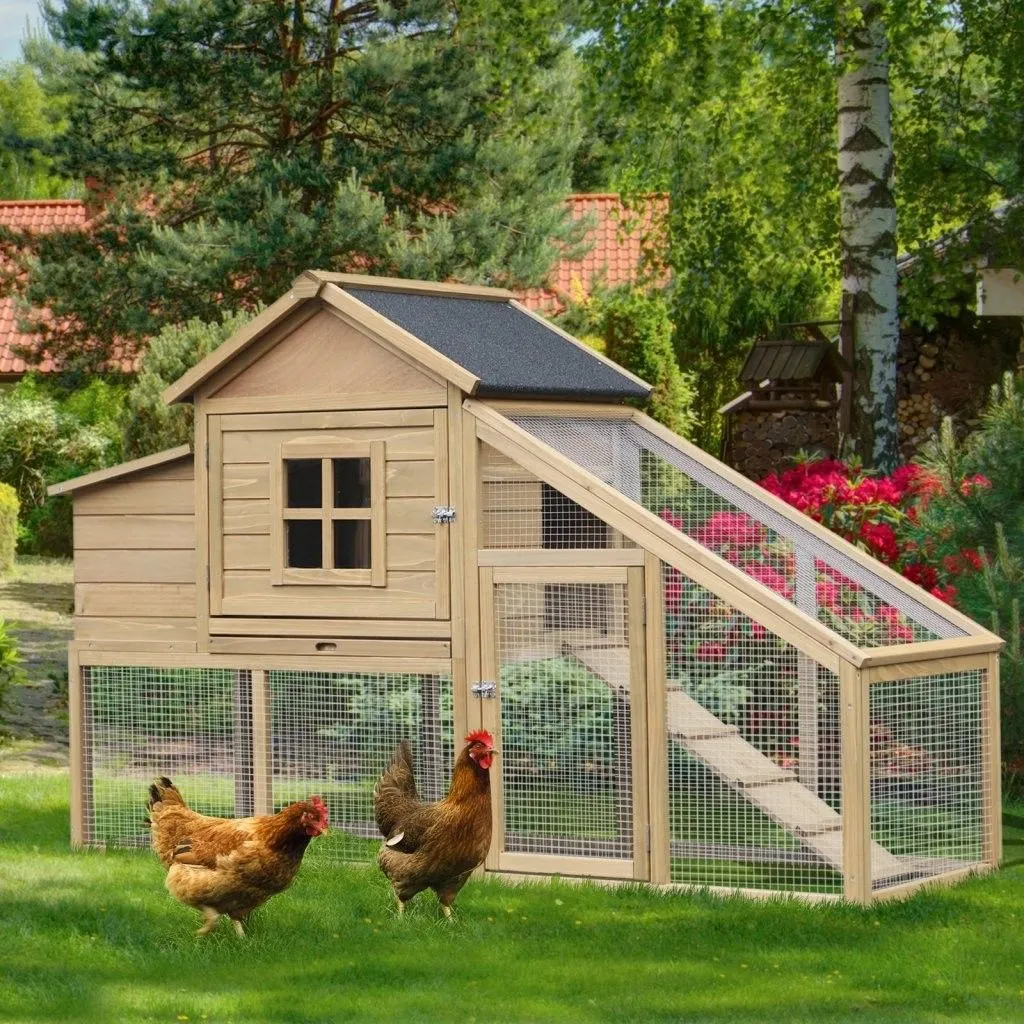
Planning Your Backyard Chicken Coop
Embarking on the journey of building a backyard chicken coop is an exciting endeavor. Before you even lift a hammer, careful planning is essential for the health and happiness of your chickens, as well as to ensure the coop complements your backyard space. Thoughtful planning will prevent costly mistakes and ensure a successful project. Consider local zoning regulations and homeowner association rules, which may dictate coop size, placement, and materials. Check your local ordinances for setback requirements and other restrictions. Planning also helps you estimate the costs associated with your project. This includes materials, tools, and other supplies. Knowing the estimated cost in advance helps you in budgeting. Consider the available space in your yard. This includes the size of your coop and the run (outdoor area) where your chickens will roam. It will affect your decision of the best design to pursue.
Choosing the Right Location
Selecting the right location for your chicken coop is paramount for both the chickens’ well-being and the convenience of the owner. A well-chosen spot maximizes sunlight, provides adequate shade, and allows for easy access for cleaning and maintenance. Consider the existing structures in your yard and choose a site that is level and stable to make construction easier. Also, ensure the chosen location minimizes impact on neighbors and complies with local regulations.
Sunlight and Shade Considerations

Chickens need both sunlight and shade to thrive. The coop should receive ample sunlight during the day, particularly in the morning, to help with warmth and vitamin D production. However, it must also offer shade during the hottest parts of the day to prevent overheating. Consider the path of the sun throughout the day and choose a location that provides a balance of both. This might involve positioning the coop near trees or structures that can provide shade, or incorporating shade cloth into the coop design. Proper ventilation can also help to reduce heat stress.
Accessibility for Maintenance
Choose a location that allows easy access for cleaning, feeding, and collecting eggs. The coop should be close enough to your house to allow for regular checks and maintenance, but far enough away to minimize noise and odor. Consider the path you will take to access the coop. Avoid areas with steep slopes or difficult terrain. This will make the daily tasks of chicken keeping much more enjoyable. Accessibility also includes access to water and electricity, which may be necessary for lighting or heating in colder climates. Remember to have enough space to move around the coop during maintenance.
Determining the Size of Your Coop
The size of your chicken coop is crucial for the health and happiness of your flock. An overcrowded coop can lead to stress, disease, and behavioral problems like feather pecking. It is important to take into account the number of chickens you plan to keep, their breed, and the climate you live in when determining the appropriate size. Make sure you allow enough space for the chickens to move around freely, and feel comfortable. Additionally, the size of the coop will also affect the required size of the run (outdoor area) they will have.
Factors to Consider

Several factors influence the ideal coop size. First, consider the breed of chickens you plan to raise. Larger breeds need more space than smaller ones. Second, the climate of your area is also important. In colder climates, you may want a slightly larger coop to allow chickens more room to move around during the winter. Finally, think about potential growth. You may start with a small flock but decide to expand later. Planning ahead can save you the hassle of building a new coop.
Space Per Chicken
A general guideline is to provide at least 4 square feet of space per chicken inside the coop and 8-10 square feet in the outdoor run. However, these are just guidelines, and the actual space needed will vary depending on the breed and temperament of your chickens. It’s better to err on the side of more space, as this will help to reduce stress and promote a healthier flock. Remember that the more space your chickens have, the happier they will be. Always be mindful of the impact overcrowding has on your chickens’ health and well-being.
Gathering Your Materials
Once you have a plan, it’s time to gather the necessary materials. The right materials and tools will not only make the build process more manageable but will also contribute to the coop’s durability and functionality. Make sure you choose materials that can withstand the elements, provide good insulation, and are safe for chickens. Consider the materials you can easily find in your local area, which can save on transportation costs and support local businesses. Also, it is important to consider the impact of your construction to the environment.
Essential Tools for the Build

Having the right tools is essential for a smooth and efficient build. You’ll need a variety of tools for cutting, measuring, fastening, and assembling the coop. The specific tools you’ll need will depend on the design and complexity of your coop. You might have some of these tools in your home, and you may also need to borrow or purchase some. Consider the safety precautions when using tools. Always wear eye protection and gloves. Follow all manufacturer’s instructions and guidelines for each tool.
Lumber and Hardware Checklist
Create a detailed list of all the lumber, hardware, and other materials you’ll need. This list will help you stay organized and ensure you have everything on hand before you start building. This list must include all wooden planks, plywood, and any other wood products. Also, list nails, screws, hinges, latches, and any other hardware. Consider using pressure-treated lumber for the parts of the coop that will be in contact with the ground. Also, ensure that the lumber is free of any chemicals that could be harmful to chickens.
Building the Coop Structure
With your plan and materials ready, it’s time to start building. The construction process involves several key steps, from constructing the frame and walls to adding the roof and creating the interior. Careful attention to detail during this stage is crucial for the structural integrity and longevity of the coop. Ensure that all measurements are accurate and that all joints are securely fastened. You must consult the design plan and follow its instructions to ensure everything fits together correctly.
Constructing the Frame and Walls

Begin by constructing the frame of the coop, using the lumber as outlined in your plan. The frame provides the structural support for the entire coop. Make sure that all corners are square and that all joints are secure. After the frame is built, attach the walls to the frame. You can use plywood, planks, or other materials. Ensure that the walls are firmly attached to the frame and that there are no gaps or openings that could allow predators to enter. Also, make sure that the walls are level.
Roofing Options and Installation
The roof protects your chickens from the elements, including rain, snow, and sun. Choose a roofing material that is durable, weather-resistant, and easy to install. Options include asphalt shingles, metal roofing, or even a simple shed roof design. When installing the roof, make sure that it is properly sealed to prevent leaks. The roof should overhang the walls of the coop to provide additional protection from the weather. Ensure that the roof is properly attached to the frame.
Adding Doors and Windows
Doors and windows provide access for you and ventilation for your chickens. Install doors that are securely latched and easy to open and close. The door should be large enough for you to enter the coop for cleaning and maintenance. Windows provide natural light and ventilation. Ensure that the windows are secure and have wire mesh to prevent predators from entering. Also, consider adding a ramp for the chickens to enter and exit the coop easily. Consider the placement of doors and windows relative to prevailing winds and sunlight.
Creating the Interior Space

The interior of your chicken coop should be designed with the comfort and well-being of your chickens in mind. This includes providing nesting boxes for egg laying, roosts for sleeping, and adequate ventilation to keep the air fresh and clean. The interior layout also impacts the health of your flock and the ease of cleaning and maintenance. Design the interior space to be functional, comfortable, and safe for your chickens. Ensure the materials used are non-toxic and easy to clean.
Nesting Boxes Design and Placement
Nesting boxes provide a safe and comfortable place for your hens to lay their eggs. The design and placement of nesting boxes are important for encouraging egg production and preventing broken eggs. Generally, one nesting box is needed for every 3-4 hens. Nesting boxes should be located in a quiet, dimly lit area of the coop. They should be raised off the ground to help protect the eggs from dirt and moisture. Use soft, clean bedding material such as straw or wood shavings in the boxes to provide a comfortable place for the hens to lay their eggs. Also, make sure the nesting boxes are easily accessible for egg collection.
Roosts and Perches Setup
Roosts provide a place for chickens to sleep at night. The height and placement of roosts are important for ensuring the chickens can sleep comfortably and safely. The general rule is to provide 8-12 inches of roost space per chicken. The roosts should be located high enough off the ground that the chickens feel secure. The roosts should be made of a comfortable material such as smooth wood. Ensure that the roosts are easily accessible. Arrange them in a way that prevents chickens from roosting directly above each other, minimizing the spread of droppings.
Ventilation and Airflow

Proper ventilation is essential for maintaining a healthy environment in the coop. Good ventilation helps to remove moisture, ammonia, and other harmful gases that can build up inside the coop. Without it, chickens can develop respiratory problems. Provide ventilation through vents, windows, and other openings. The vents should be placed high on the walls or in the roof to allow for the escape of warm, moist air. Make sure the ventilation system does not create drafts. Proper ventilation ensures a constant supply of fresh air, reducing the risk of respiratory illnesses and maintaining a comfortable environment for your chickens.
Securing Your Coop from Predators
Protecting your chickens from predators is one of the most important aspects of building a coop. Predators can range from neighborhood dogs and cats to foxes, raccoons, and even birds of prey. Take several steps to ensure your coop is secure and that your chickens are safe. Think like a predator and identify potential entry points. Focus on creating a robust barrier that prevents access to the coop.
Hardware Cloth and Burying the Wire
Hardware cloth is a heavy-duty wire mesh that can be used to protect your chickens from predators. Use hardware cloth, instead of chicken wire, for all openings, including windows and ventilation openings. Bury the hardware cloth around the perimeter of the coop to prevent digging predators from entering. Extend the hardware cloth outward and then bury it several inches underground. This will prevent predators from digging under the coop. This can be done when the coop is built or as an added layer of protection around an existing coop.
Protecting Against Digging
Predators can dig under fences and coops to access chickens. Prevent this by burying hardware cloth or using a concrete foundation. You can also add a gravel apron around the coop to make digging more difficult. Consider using motion-activated lights or other deterrents to scare away predators. Regular inspection of your coop is necessary to identify any potential vulnerabilities. Ensure that all doors, windows, and latches are secure, and that there are no holes or openings that predators could exploit. Regular maintenance is key to predator-proofing your coop.
Final Touches and Considerations
With the main construction complete, it’s time to add the finishing touches and consider any additional features that will enhance the functionality and aesthetics of your coop. This includes landscaping around the coop and establishing a cleaning and maintenance schedule. These final steps will help ensure that your coop remains a safe, healthy, and attractive space for your chickens.
Landscaping Around the Coop
Landscaping around the coop can improve its appearance and provide additional benefits for your chickens. Consider planting a shade tree near the coop to provide shade during the summer months. You can also plant a small garden around the coop with plants that are safe for chickens to eat. A well-landscaped area can also deter predators by removing hiding places. Adding some ornamental touches will make your backyard more attractive. Remember to use chicken-friendly plants, avoid using pesticides or herbicides, which could be harmful to your chickens.
Cleaning and Maintenance Schedule
Establish a regular cleaning and maintenance schedule to keep your coop clean and your chickens healthy. This includes daily, weekly, and monthly tasks. Daily tasks include collecting eggs and checking water and food levels. Weekly tasks include cleaning out the nesting boxes and spot-cleaning the coop. Monthly tasks include a more thorough cleaning of the coop. You must regularly inspect the coop for damage or wear and make necessary repairs. A clean coop is a healthy coop, reducing the risk of disease and promoting the well-being of your flock. A consistent maintenance schedule helps to extend the life of your coop and keeps it a pleasant place for both you and your chickens.