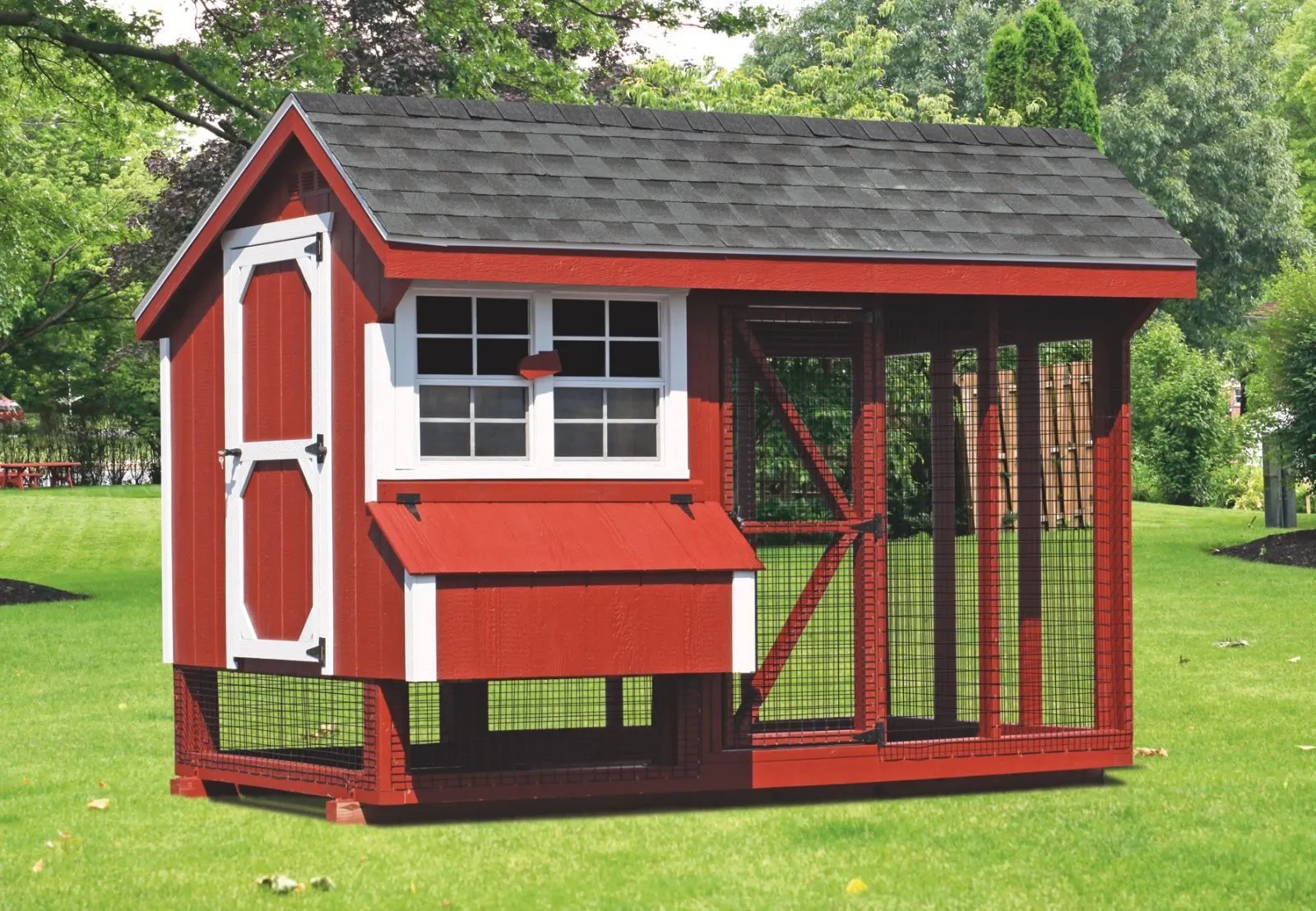
Building a backyard chicken coop is a rewarding experience, providing fresh eggs and a delightful addition to your home. However, a well-planned and constructed coop is essential for the health, safety, and happiness of your chickens. This comprehensive guide will walk you through the steps to build a great backyard chicken coop, ensuring both you and your feathered friends thrive.
Planning Your Backyard Chicken Coop
Before you even pick up a hammer, careful planning is crucial. This initial phase sets the stage for a successful coop build. Consider your available space, local regulations, and the specific needs of your chickens. Proper planning minimizes costly mistakes and maximizes the longevity and functionality of your coop. Skipping this step often leads to problems later on.
Assess Your Space
The first step is to evaluate your backyard. Determine how much space you can dedicate to the coop and run. A general guideline is to allow at least 4 square feet of floor space inside the coop per chicken and 8-10 square feet of outdoor run space per chicken. Consider the terrain, sun exposure, and proximity to your house and neighbors. Ensure the area is relatively flat and well-drained to prevent water accumulation.
Local Regulations and Zoning

Check your local ordinances and homeowner’s association (HOA) rules regarding chicken ownership. Regulations often cover the number of chickens allowed, coop size, setback requirements from property lines, and noise restrictions. Failing to comply can result in fines or the forced removal of your coop and chickens. Research these rules thoroughly before starting your project.
Choosing the Right Location
Select a location that is relatively sheltered from prevailing winds and direct sunlight, especially during the hottest parts of the day. A partially shaded area is ideal. Consider the ease of access for cleaning and collecting eggs. Avoid areas prone to flooding or standing water. Proximity to your house can make it easier to manage the coop, but be mindful of potential noise and odor.
Designing Your Coop
Once you have a good understanding of your space and local regulations, it’s time to design your coop. The design should prioritize the chickens’ well-being and your convenience. Consider functionality, aesthetics, and the specific needs of your flock. A well-designed coop will be easier to clean, maintain, and will provide a safe and comfortable environment for your chickens.
Coop Size Considerations

The size of your coop is directly related to the number of chickens you plan to keep. As a minimum, aim for 4 square feet of floor space per chicken inside the coop. This allows chickens to move freely and reduces the risk of overcrowding, which can lead to stress, feather pecking, and disease. If you plan to keep larger breeds, or anticipate adding more chickens in the future, increase the coop size accordingly.
Material Selection
Choose durable, weather-resistant, and non-toxic materials. Wood is a popular choice, but avoid pressure-treated lumber, as it can be harmful to chickens. Cedar and redwood are excellent choices due to their natural insect-repelling properties. Consider using hardware cloth (1/2-inch mesh) for the run to protect against predators. Ensure that all materials are free of sharp edges or splinters that could injure your chickens.
Popular Coop Designs
There are many coop designs to choose from, including the classic A-frame, the more spacious shed-style coop, and prefabricated options. The best design for you will depend on your space, budget, and aesthetic preferences. Research different designs online and in books to find one that meets your needs. Consider designs that incorporate features like easy access for cleaning, ventilation, and predator protection.
Building the Coop Structure

With a design in mind, it’s time to start building. Proper construction is critical for the structural integrity, safety, and longevity of your coop. Follow your plans carefully, and take your time. Rushing the construction process can lead to problems down the road. Make sure to wear appropriate safety gear.
Foundation and Framework
Start with a solid foundation. This could be a concrete slab, gravel base, or simply setting posts directly into the ground. Ensure the foundation is level and stable. Build the framework of the coop using sturdy lumber. Use proper joinery techniques, such as screws and nails, to ensure the structure is strong and can withstand the elements. Consider adding a floor to the coop, made of wood or another durable material, to keep the chickens dry.
Wall Construction
Frame the walls using your chosen lumber. Ensure the framing is square and plumb. Cover the walls with your chosen siding material, such as wood planks or plywood. Consider using a weather-resistant exterior grade for durability. Leave space for windows and doors. Remember to install hardware cloth on any windows or vents to prevent predators from entering the coop.
Roofing and Ventilation

Choose roofing material that is both weather-resistant and durable. Asphalt shingles, metal roofing, and corrugated plastic are all popular options. Ensure the roof has proper overhang to protect the walls from rain. Ventilation is crucial for removing moisture and ammonia buildup from the coop. Install vents at the top of the walls or in the roof, and ensure they are covered with hardware cloth to prevent pests from entering.
Installing Essential Features
Once the basic structure is complete, it’s time to install the essential features that will make your coop functional and comfortable for your chickens. These features contribute significantly to the health and happiness of your flock. Paying attention to detail here will save you headaches later.
Nesting Boxes
Provide at least one nesting box for every 3-4 hens. Nesting boxes should be large enough for the hens to comfortably sit and lay eggs. A general size is around 12x12x12 inches. Place nesting boxes in a dark, quiet area of the coop, away from drafts. Line the boxes with soft bedding, such as straw or wood shavings, to provide a comfortable laying surface. Consider removable bedding for easy cleaning.
Roosts

Roosts provide a place for chickens to sleep at night. Provide enough roost space for all your chickens. A general rule of thumb is to provide 8-10 inches of roosting space per chicken. Roosts should be placed at a height that is safe for chickens to jump to. Use rounded wooden poles, approximately 2 inches in diameter. Place roosts away from nesting boxes to prevent droppings from contaminating the eggs.
Feeding and Watering Systems
Choose feeders and waterers that are durable, easy to clean, and designed to prevent spillage. Place feeders and waterers in a location that is easy for the chickens to access. Consider using hanging feeders and waterers to keep them clean and prevent contamination. Regularly clean feeders and waterers to prevent the growth of bacteria and mold. Ensure that the chickens always have access to fresh food and water.
Ensuring Chicken Security
Protecting your chickens from predators is crucial. A secure coop and run will provide peace of mind and ensure the safety of your flock. Predators are a constant threat to backyard chickens, so taking proactive measures is essential.
Predator-Proofing Your Coop

Use hardware cloth (1/2-inch mesh) to cover all windows, vents, and any other openings in the coop. Bury hardware cloth at least 12 inches deep around the perimeter of the coop to prevent digging predators from entering. Ensure all doors and latches are secure and predator-proof. Consider using automatic door openers. Regularly inspect the coop for any signs of damage or potential entry points.
Fencing and Run Area
Build a secure run area, enclosed with strong fencing and buried hardware cloth at the base to prevent digging. The height of the fencing should be at least 6 feet tall. Consider using a covered run to protect chickens from aerial predators. Ensure the gate is securely latched and predator-proof. The run provides chickens with safe access to the outdoors.
Maintaining Your Coop
Regular maintenance is essential for keeping your coop clean, healthy, and functional. A well-maintained coop will extend its lifespan, reduce the risk of disease, and provide a comfortable environment for your chickens.
Cleaning and Hygiene
Clean the coop regularly, at least once a week. Remove droppings, soiled bedding, and any spilled feed. Replace the bedding with fresh material. Scrub the nesting boxes and roosts. Use a coop-safe disinfectant to kill bacteria and prevent the spread of disease. Provide good ventilation to reduce moisture and odors.
Seasonal Maintenance
Perform seasonal maintenance to ensure the coop is prepared for changing weather conditions. In the spring, inspect the coop for any damage and make necessary repairs. In the summer, ensure the coop is well-ventilated to keep the chickens cool. In the fall, prepare the coop for winter by adding insulation and protecting the water source from freezing. In the winter, provide extra bedding and monitor the chickens for signs of cold stress.
Building a backyard chicken coop is a fulfilling project that offers fresh eggs and the joy of raising chickens. By following these steps, you can create a safe, comfortable, and secure home for your flock, ensuring their well-being and your enjoyment for years to come. Remember to always prioritize the health and safety of your chickens. Happy building!