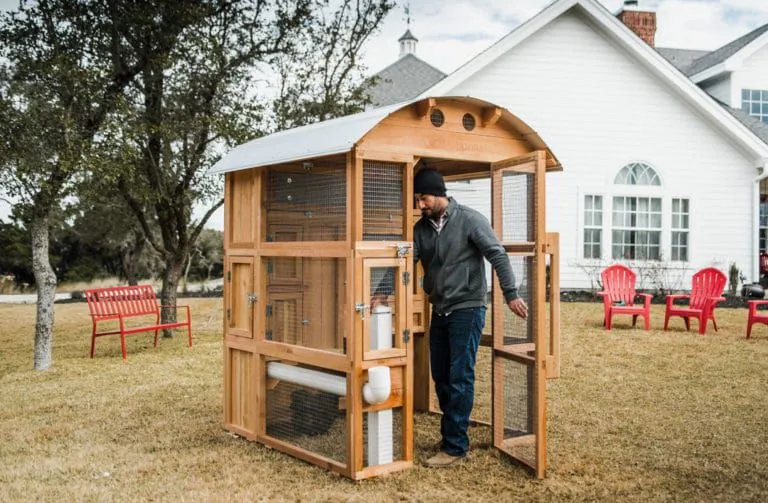
What Makes the Best Chicken Coop
Choosing the best chicken coop is a critical decision for any aspiring chicken keeper. A well-designed coop provides a safe, comfortable, and healthy environment for your flock, directly impacting their health and egg-laying productivity. The ideal coop offers protection from predators, shelter from the elements, and adequate space for chickens to roam, roost, and nest. This comprehensive guide will walk you through the essential factors to consider when selecting or building a chicken coop, ensuring your hens thrive and you enjoy the rewarding experience of raising backyard chickens. From size and materials to key features and maintenance, we’ll cover everything you need to know to create the perfect home for your feathered friends.
Size Matters: Choosing the Right Coop Size
One of the most crucial aspects of a chicken coop is its size. Overcrowding can lead to stress, disease, and reduced egg production. Conversely, a coop that’s too large might be more difficult to heat in winter. The right size depends on the number of chickens you plan to keep. A general guideline is to allow at least 4 square feet of floor space per chicken inside the coop, and at least 8-10 square feet per chicken in the run. This ensures sufficient room for movement, roosting, and nesting. Consider the eventual size of your flock when selecting a coop, and be prepared to expand if you plan to increase your flock in the future. Proper sizing is not just about space; it is essential for your hens’ welfare and productivity.
Consider Your Flock’s Size

Before anything else, determine the number of chickens you plan to keep. This will dictate the size of your coop and the run. If you are just starting out, begin with a small flock. You can always expand as you become more experienced. Remember, chickens need room to move, forage, and interact with each other. An overcrowded coop leads to stress, feather pecking, and increased risk of disease. Overcrowding also results in lower egg production and a less enjoyable experience for the chicken owner.
Space Requirements per Chicken
As a general rule, allow at least 4 square feet of floor space per chicken inside the coop. For the run, aim for 8-10 square feet per chicken. Some breeds may need more space, and the climate can also play a role. In colder climates, chickens may spend more time indoors. Therefore, providing additional indoor space is helpful. Always prioritize the comfort and well-being of your flock when determining coop and run size. Adequate space promotes health, reduces stress, and encourages natural behaviors.
Coop Materials Pros and Cons
The materials used to construct your chicken coop significantly impact its durability, ease of maintenance, and overall suitability for your flock. Different materials offer varying levels of protection, insulation, and aesthetic appeal. When selecting materials, consider the climate in your area, the level of predator protection required, and your personal preferences. Choosing the right materials helps guarantee the longevity and the effectiveness of your coop.
Wooden Chicken Coops

Wood is a popular choice for chicken coops due to its natural insulation properties and aesthetic appeal. Wood coops are generally easier to customize and can blend seamlessly into your backyard landscape. However, wood requires regular maintenance, including painting or sealing, to protect it from the elements and prevent rot. It’s also susceptible to pest infestations. Pressure-treated wood is often used for the base to resist moisture. Choose durable, rot-resistant wood like cedar or redwood if possible, and be prepared to address maintenance needs regularly.
Plastic Chicken Coops
Plastic coops are becoming increasingly popular due to their durability and ease of cleaning. They’re typically lightweight, making them easy to move and assemble. Plastic coops are resistant to rot, pests, and weather, requiring minimal maintenance. However, plastic may not insulate as well as wood, and some find their aesthetic less appealing. Consider the climate; plastic coops can become hot in direct sunlight. Ensure the plastic is UV-resistant to prevent degradation over time, and always check for adequate ventilation.
Metal Chicken Coops
Metal coops, often made of galvanized steel, are incredibly durable and predator-resistant. They are also relatively easy to clean. Metal coops, however, can be prone to rust if not properly treated and insulated. They can also get very hot in the summer and very cold in the winter, so insulation is crucial. Ensure the metal is treated to prevent rust and that the coop has good ventilation. Consider the placement of the coop and the local climate when selecting a metal option to ensure your chickens’ comfort.
Key Features for a Happy Coop

Beyond the basics of size and materials, several key features are essential for creating a healthy and happy environment for your chickens. These features contribute to the birds’ physical comfort, safety, and overall well-being. Paying attention to these details can greatly enhance the quality of life for your flock and make chicken keeping a more rewarding experience. Incorporating these features will ensure your chickens have everything they need to thrive.
Nesting Boxes Design
Nesting boxes are crucial for egg-laying hens. Provide one nesting box for every 3-4 hens. The boxes should be located in a quiet, dark area within the coop to encourage egg laying. Boxes should be large enough for the hens to comfortably turn around and nest. Use soft, clean bedding like straw, wood shavings, or hay. Keeping the nesting boxes clean and dry is essential to prevent egg breakage and discourage pests.
Roosting Bars Placement
Roosting bars provide a place for chickens to sleep at night. Place the roosting bars at a comfortable height, usually a few feet off the ground. Ensure the bars are wide enough for the chickens to grip securely. Avoid placing roosting bars directly above nesting boxes, as chickens often poop while roosting. Provide enough roosting space; approximately 8-12 inches of roosting space per chicken is ideal. Consider the placement of the roosting bars to ensure easy cleaning.
Ventilation and Airflow Importance

Proper ventilation is essential for maintaining a healthy coop environment. It prevents the build-up of ammonia from droppings, which can be harmful to chickens. Ventilation also helps regulate temperature and humidity. Ensure your coop has vents located high up to allow for proper airflow. Avoid drafts directly on the chickens. Good ventilation reduces the risk of respiratory illnesses and keeps the coop dry, which prevents the spread of diseases. Regularly check and clean the ventilation system to ensure optimal performance.
Predator Protection and Security
Protecting your chickens from predators is a top priority. Foxes, raccoons, hawks, and other animals can pose a serious threat. Build your coop with predator-resistant materials and features. Security is essential not only to protect your chickens but also to bring peace of mind. Implementing effective security measures will protect your investment and the welfare of your flock.
Hardware Cloth and Wire Mesh
Use heavy-duty hardware cloth (not chicken wire) with small openings (1/2 inch or smaller) to cover all openings, windows, and the run. Bury the hardware cloth at least 12 inches underground around the perimeter of the run to prevent predators from digging underneath. Secure all doors and latches with sturdy hardware to prevent access by clever predators. Reinforce weak spots and regularly inspect for any damage.
Location Matters: Coop Placement

The location of your chicken coop influences your chickens’ comfort, safety, and the overall management of your backyard flock. Careful consideration of sun, shade, and accessibility will help optimize your chickens’ living environment. Thoughtful placement guarantees both the well-being of your flock and the ease of chicken keeping for you.
Sun and Shade considerations
Choose a location that offers a balance of sun and shade. Chickens need access to sunlight for vitamin D production, but they also need shade to escape the heat, especially during summer. Ideally, the coop should be located where it receives morning sun and afternoon shade. This helps regulate the coop’s temperature and prevents overheating. Consider the direction of prevailing winds and the natural features of your yard when determining the best location.
Access and Accessibility
Ensure easy access to the coop for cleaning, feeding, and collecting eggs. The location should also be convenient for bringing supplies. Place the coop on a level surface to ensure stability and good drainage. Avoid areas prone to flooding. Consider the proximity to your house to make it easier to monitor your chickens and enjoy their presence in your backyard.
Maintaining and Cleaning Your Coop

Regular maintenance and cleaning are essential to keeping your chicken coop in excellent condition and maintaining a healthy environment for your flock. A clean coop reduces the risk of disease, prevents the build-up of unpleasant odors, and encourages hens to lay their eggs in the nesting boxes. Implementing a consistent cleaning schedule and addressing any issues promptly will contribute to the overall well-being of your chickens.
Cleaning Schedule
Establish a regular cleaning schedule. Daily tasks include collecting eggs, spot-cleaning droppings, and replenishing food and water. Weekly, remove soiled bedding from the nesting boxes and replace it with clean material. Monthly, conduct a thorough cleaning of the entire coop, removing all bedding, washing the surfaces with a poultry-safe disinfectant, and allowing the coop to dry completely before replacing bedding. More frequent cleaning might be necessary in wet climates. Regularly inspect the coop for any signs of pests or damage.
Common Problems and Solutions
Be prepared to address common problems that may arise in your coop. Pests, such as mites and lice, can infest the coop and harm your chickens. Regularly inspect your chickens and coop and treat any infestations promptly. Rodents can be attracted to chicken feed; store feed in a secure container. Ensure the coop is well-ventilated to prevent respiratory problems. Address any health issues or behavioral problems in your chickens promptly by consulting with a veterinarian or poultry expert. Prompt attention to any problems will preserve the health and comfort of your flock.
Conclusion
Selecting and maintaining the best chicken coop is a critical investment in the health and happiness of your flock. By carefully considering size, materials, key features, and location, you can create a safe, comfortable, and productive environment for your chickens. Regular maintenance and cleaning will ensure that your coop remains a healthy and enjoyable home for your feathered friends, while predator-proofing guarantees their safety. Enjoy the rewarding experience of backyard chicken keeping, knowing you’ve provided the best possible living space for your hens.