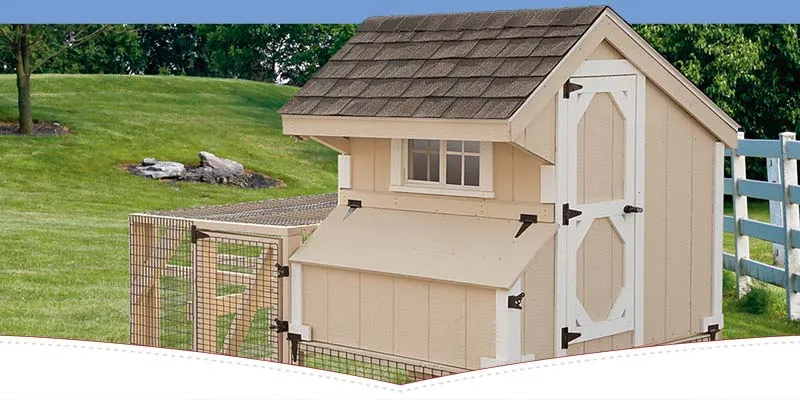
Key Features of Chicken Coop Kits for 10-15 Chickens
Choosing the right chicken coop kit for your flock of 10-15 chickens is a crucial decision. A well-designed coop provides a safe, comfortable, and healthy environment for your birds, ensuring their well-being and productivity. This guide will walk you through the key features to consider, helping you make an informed decision and build a thriving chicken community in your backyard. Understanding these features will ensure you choose a coop that meets your chickens’ needs while fitting your space and budget.
Size and Space Requirements
Adequate space is paramount for chicken health and happiness. Overcrowding leads to stress, disease, and reduced egg production. When evaluating chicken coop kits, consider both the indoor coop space and the outdoor run area. Ensure there’s sufficient room for your chickens to move freely, roost comfortably, and avoid pecking order issues. Proper space also promotes better ventilation and hygiene, minimizing the spread of diseases and ensuring your flock remains healthy.
Square Footage per Chicken

A general guideline is to provide at least 4 square feet of indoor coop space per chicken. This allows for comfortable roosting and movement within the coop. The outdoor run should offer significantly more space, ideally 8-10 square feet per bird, allowing them to forage, dust bathe, and exercise. More space is always better; it reduces stress and allows for a happier, healthier flock. For 10-15 chickens, you will need a coop with 40-60 square feet of indoor space and a run with 80-150 square feet or more. This also will influence your choice of kit.
Run Area Considerations
The run area is just as important as the coop itself. Consider the run’s size, security, and accessibility. A secure run protects chickens from predators and allows them to enjoy the outdoors safely. Ensure the run has strong wire mesh, buried at least a foot underground to prevent digging predators. Provide shade, such as a roof or trees, and ensure easy access for cleaning and maintenance. The design of the run should complement your coop and backyard, integrating seamlessly while prioritizing your chickens’ safety and well-being.
Material Quality and Durability
The materials used in your chicken coop kit directly impact its longevity, security, and ease of maintenance. Choosing durable, weather-resistant materials is critical. Look for coops constructed from rot-resistant wood, like cedar or redwood, or heavy-duty metal frames. High-quality materials will withstand the elements, providing years of protection for your flock. Careful consideration of materials helps you avoid constant repairs and extends the life of your investment, ensuring your chickens are safely housed.
Wood vs. Metal Coops

Wood coops offer a classic aesthetic and are often easier to customize. However, they require more maintenance, such as regular sealing and painting, to prevent rot. Metal coops, on the other hand, are generally more resistant to weather and pests but can be less aesthetically pleasing. Consider your climate, budget, and aesthetic preferences when choosing between wood and metal. Wood coops can provide better insulation in both hot and cold climates, while metal coops often require less maintenance over time. Consider a coop made of a combination of materials for the best of both worlds.
Weather Resistance
Your coop needs to withstand rain, wind, snow, and sun. Look for features like a sloped roof to shed water and snow, tight construction to prevent drafts, and durable materials that resist warping or cracking. Consider your local climate and choose a coop designed to handle the specific weather conditions in your area. Proper weather resistance ensures your chickens remain comfortable and protected throughout the year, preventing health issues and maintaining egg production.
Ease of Assembly and Maintenance
The ease of assembly and maintenance is important for your sanity. Choose a kit with clear instructions and pre-drilled holes to simplify the building process. The coop’s design should also facilitate easy cleaning and maintenance. This involves having accessible doors, removable trays, and smooth surfaces that resist dirt buildup. Regular cleaning is crucial for preventing diseases and maintaining a healthy environment for your chickens. The more accessible and manageable the coop, the more likely you are to maintain it regularly.
Pre-Assembled vs. DIY Kits

Pre-assembled coops save time and effort, but they may be more expensive and have limited customization options. DIY kits offer more flexibility and often come at a lower price point, but they require more time and skill to assemble. Consider your comfort level with building projects, available time, and budget when making your decision. Pre-assembled coops are a great option if you want to get started quickly. On the other hand, a DIY kit can be a rewarding project, allowing you to build a coop tailored to your specific needs and preferences.
Cleaning and Accessibility Features
Look for features that make cleaning easy, such as removable droppings trays, wide access doors, and smooth, non-porous surfaces. A well-designed coop allows for quick and efficient cleaning, which is vital for maintaining a healthy environment. Avoid coops with complex designs that trap dirt and make cleaning difficult. Accessibility also extends to the chickens; ensure there are easy-to-use access points for both you and your birds, such as ramps and doors.
Essential Features for Chicken Coop Kits
Certain features are non-negotiable when selecting a chicken coop kit. These features contribute to the safety, health, and comfort of your chickens, protecting them from predators and the elements. Always prioritize these essential components to ensure the well-being of your flock and the long-term success of your chicken-keeping endeavor. Careful consideration here ensures the right environment.
Ventilation and Airflow
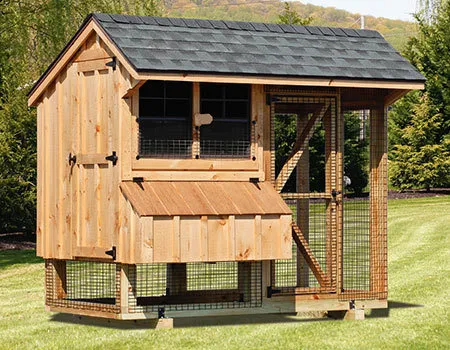
Proper ventilation is critical for maintaining a healthy environment inside the coop. It prevents the buildup of ammonia from droppings, reduces moisture, and regulates temperature. Adequate airflow reduces the risk of respiratory illnesses and promotes overall chicken health. Poor ventilation can lead to various health problems, from simple sniffling to full-blown respiratory infections, so this is very important to consider when choosing kits.
Importance of Proper Ventilation
Good ventilation removes stale air, odors, and excess moisture, creating a healthier environment for your chickens. This is especially important in enclosed spaces where ammonia and moisture can quickly build up. Proper ventilation helps prevent respiratory diseases, reduces stress, and improves egg production. Without adequate airflow, the coop can quickly become unhealthy, leading to a variety of health problems and a less productive flock.
Ventilation Features to Look For
Look for coops with vents that can be opened and closed to adjust airflow, such as vents near the roofline. Avoid designs where the vents are placed at the bottom, as this can create drafts. Windows and doors also contribute to ventilation, but ensure they can be securely closed to prevent drafts during cold weather. A well-ventilated coop maintains a comfortable and healthy environment for your chickens year-round, promoting their well-being and productivity. Consider vents that are protected from rain, and have good airflow.
Predator Protection

Protecting your chickens from predators is essential for their survival and your peace of mind. Coops must be designed to keep out a variety of predators, including foxes, raccoons, coyotes, and even domestic pets. Predator-proofing your coop is a fundamental requirement of good chicken keeping. Ensure the coop is built with strong materials, secure latches, and features designed to prevent predator entry.
Hardware Cloth and Secure Latches
Use hardware cloth (1/2-inch mesh or smaller) instead of chicken wire for the run and any vulnerable areas. Hardware cloth is much more robust and resistant to predators trying to chew or claw their way in. Ensure all doors and latches are secure and predator-proof, with no gaps that predators can exploit. This will provide a safe environment from digging predators. Simple latches are often the weakest point, so reinforce doors with additional latches or locks to make sure they can not be opened.
Burial of Wire Mesh
Bury the wire mesh of the run at least a foot deep to prevent predators from digging under the coop. Extending the wire mesh outwards from the base of the coop and burying it creates a barrier that deters predators. Alternatively, you can add a concrete or gravel base. This is particularly important in areas where digging predators are common. Adding this extra barrier offers an additional layer of defense, keeping your chickens safe and secure.
Nesting Boxes and Roosting Bars

Nesting boxes and roosting bars are essential for chicken comfort and egg production. Nesting boxes provide a safe, comfortable place for hens to lay eggs, while roosting bars offer a place for chickens to sleep at night. The design and placement of these features significantly impact the well-being of your flock. Consider these aspects when selecting a coop kit.
Nesting Box Design and Placement
Provide at least one nesting box for every 3-4 hens. Nesting boxes should be located in a dark, quiet, and easily accessible area. The boxes should be raised off the ground to help prevent moisture and to provide a sense of security for the hens. Make sure nesting boxes are easily accessible for cleaning. Provide some nesting material, such as straw or wood shavings, for the hens to nest in. Also, you need to ensure the eggs are easy to gather. The placement of the nesting boxes is critical to promoting egg-laying. Nesting boxes which are designed well will reduce broken eggs as well.
Roosting Bar Considerations
Provide roosting bars that are wide enough for the chickens to comfortably perch on, usually 2-4 inches wide. The bars should be placed at a height that is accessible to the chickens, usually a few feet off the ground. Make sure the bars are not directly under the nesting boxes, to keep them clean. Consider the placement of the roosting bars, as chickens like to sleep in a group, but they still need to be provided with enough room. Cleaning of the roosting bars can be made easier by having them removable, to make it easier to clean, remove any droppings.
Additional Considerations for Your Chicken Coop

Beyond the essential features, several other factors can influence your decision. These considerations help you find the perfect coop. Considering these factors can make your chicken-keeping experience more rewarding and ensure your flock thrives.
Cost and Budgeting
Determine your budget before shopping. Chicken coop kits vary in price depending on the size, materials, and features. Factor in the cost of any additional supplies, such as feeders, waterers, and bedding. Stick to your budget. However, investing in a higher-quality coop will often save you money in the long run by reducing maintenance and the risk of predator attacks.
Factors Influencing Coop Cost
The size, materials, and features of the coop significantly impact its cost. Larger coops, coops made from premium materials, and those with extra features will naturally be more expensive. Compare prices from different manufacturers and consider the overall value, not just the initial price. Consider any add-ons, such as automatic doors or feeders. All of this will affect the overall price, and the value.
Long-Term Value
Consider the long-term value when evaluating coop kits. A well-built, durable coop will last for many years, while a cheaper coop may require frequent repairs or replacements. Think about the cost of maintenance, the potential for predator damage, and the impact on your chickens’ health. A slightly higher upfront investment in a quality coop can save you money and headaches in the long run, while also ensuring the safety and comfort of your flock. Consider the added value of long-term sustainability.
Aesthetic Appeal and Backyard Integration
Choose a coop that complements your backyard’s aesthetic and integrates seamlessly into your landscape. A well-designed coop can enhance the beauty of your property and become a focal point. Consider the style, color, and materials of the coop and how they will blend with your existing outdoor decor. A great-looking coop that fits well in your backyard will bring joy and enhance your outdoor living space.
Coop Design and Style Options
Chicken coop kits come in a variety of styles, from traditional A-frame designs to more modern and elaborate structures. Choose a style that aligns with your personal preferences and the overall aesthetic of your backyard. Consider the color, materials, and architectural details of the coop. Some coops have unique design elements that offer improved functionality, from a shed-style roof to provide protection from the sun, and different types of access. Select a coop that you find attractive and which you would be happy to look at everyday.
Integrating the Coop into Your Landscape
Consider how the coop will fit into your existing landscaping. Place the coop in a location that is convenient for you and offers protection from the elements. Plant some vegetation around the coop to help it blend in with the surrounding environment. Think about the view from your house. Consider the placement of walkways, and how the coop will affect the overall flow of your backyard. The placement of the coop can improve aesthetics and can make it easier for you to care for your chickens.
Top Chicken Coop Kit Recommendations
While specific recommendations vary based on individual needs and preferences, researching and comparing different coop kits is essential. This should include, customer reviews and ratings, material used, ease of assembly, and overall value. Consider what features meet your specific needs and consider both quality and price. Also make sure to consider your specific climate and the safety of your flock when deciding on a coop. Choose the chicken coop that best fits your needs.