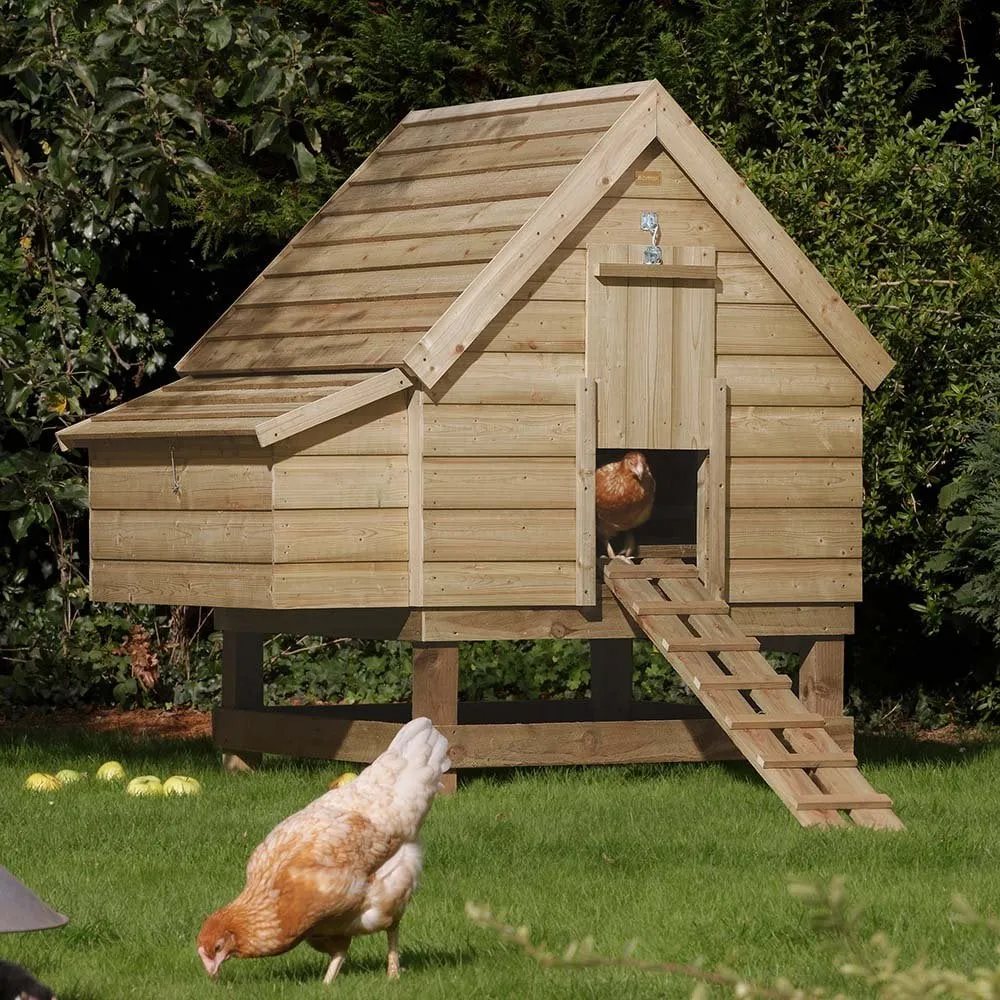
Essential Features of a Big Chicken Coop
Designing a big chicken coop is an exciting project for any chicken keeper. A well-designed coop provides a safe, comfortable, and functional home for your flock. Considering the specific needs of your chickens is very important. This guide will explore the top five essential features to incorporate into your big chicken coop design, ensuring the health, happiness, and productivity of your birds. By prioritizing these features, you can create a thriving environment where your chickens can flourish.
Spacious Roosting Bars
Roosting bars are a fundamental component of any chicken coop, offering chickens a place to sleep and rest comfortably at night. Adequate roosting space is crucial for the well-being of your flock, allowing them to maintain their natural sleeping habits. With a large chicken coop, the design and placement of these bars become even more important. This section will provide a look into why spacious roosting bars are critical for a healthy flock and how to choose the right ones.
Importance of Roosting Space

Chickens instinctively prefer to roost at night, as it is a natural defense mechanism against ground predators. Without enough roosting space, chickens may be forced to sleep on the floor, leading to stress, potential injuries, and increased susceptibility to disease. In a big chicken coop, ensure there’s enough roosting space, typically allowing for at least 8-12 inches of roosting space per chicken. This will help reduce overcrowding, keep your chickens happy and prevent bullying.
How to Choose the Right Roosting Bar
The right roosting bar can make a world of difference in your chickens’ comfort. Consider the material, shape, and placement. Wooden bars are a common choice because they provide a comfortable grip for chickens’ feet. Make sure the bars are smooth to prevent splinters and injuries. The ideal bar is typically a rounded shape, allowing chickens to fully grip and feel secure. Position the roosting bars at different heights to accommodate various breeds and preferences, and make sure they are away from the nesting boxes to prevent roosting there.
Secure Nesting Boxes
Nesting boxes provide a safe and private space for hens to lay their eggs. Proper nesting boxes are essential for encouraging egg production, preventing egg breakage, and ensuring the cleanliness of your eggs. The size, material, and placement of the nesting boxes are key factors to consider when designing a big chicken coop. This section will provide insight into selecting and setting up secure nesting boxes that meet your flock’s needs.
Ideal Nesting Box Dimensions

The size of your nesting boxes will depend on the size of your chickens, but a general guideline is to provide one nesting box for every 3-4 hens. A good starting point is a box that is approximately 12 inches wide, 12 inches deep, and 12 inches high. Larger breeds may need slightly bigger boxes. Ensure the nesting boxes are easily accessible and that there is enough space for hens to comfortably enter, turn around, and settle in to lay their eggs. Avoid placing boxes too close to the ground, which can make them vulnerable to predators.
Nesting Box Material Considerations
The material of your nesting boxes should be durable, easy to clean, and safe for your chickens. Wood is a popular choice, offering natural insulation and a comfortable surface. Avoid using rough or splintery wood. Metal nesting boxes are also an option, but they can become too hot in the sun or cold in the winter. Ensure that any material you use is non-toxic and free from sharp edges. Line the boxes with soft, clean bedding, such as straw, hay, or wood shavings, to provide a comfortable and inviting space for the hens.
Proper Ventilation System
Ventilation is a critical but often overlooked element of a well-designed chicken coop. Proper ventilation is essential for maintaining a healthy environment for your chickens. In a big chicken coop, the need for a robust ventilation system is even greater. This section will explain why ventilation is crucial and the different types of systems you can use.
Why Ventilation is Crucial

Ventilation helps to remove moisture, ammonia, and other harmful gases that can build up inside the coop. Excessive moisture can lead to respiratory issues, frostbite, and mold growth, while ammonia can irritate your chickens’ respiratory systems and cause eye problems. Good ventilation promotes air circulation, helping to regulate the coop’s temperature and reduce the risk of disease. Without adequate ventilation, your chickens’ health and well-being will be significantly compromised.
Types of Ventilation Systems
There are several types of ventilation systems you can incorporate into your coop design. Natural ventilation can be achieved through strategically placed vents, windows, and openings. Ensure that the design promotes airflow and prevents drafts. For larger coops, you may consider a mechanical ventilation system, using fans to circulate the air. When choosing a ventilation system, consider the climate and the size of the coop to ensure optimal performance. Position vents high to allow for the escape of heat and moisture. Ensure your ventilation system is protected from the weather and from predators.
Predator-Proofing Measures
Protecting your chickens from predators is vital for their safety and your peace of mind. Predator-proofing your big chicken coop involves implementing a range of measures to deter and prevent unwanted animals from entering and harming your flock. From fencing to coop design, every detail matters. This section will explore essential predator deterrents and ways to secure the coop structure.
Essential Predator Deterrents

Several common predators, including foxes, raccoons, coyotes, and even domestic dogs, pose a threat to chickens. To deter these predators, use a combination of preventative measures. Bury hardware cloth or wire mesh at least 12 inches underground around the perimeter of your coop to prevent digging. Cover the coop with a sturdy roof and use hardware cloth or wire mesh to cover any openings. Consider using motion-activated lights and alarms to scare away nocturnal predators. Avoid using features that might provide easy access for predators, such as open ramps or poorly secured doors.
Securing the Coop Structure
The structure of your coop is your first line of defense against predators. Build your coop with sturdy materials, such as wood or metal. Ensure that all doors and windows are secure and can be locked. Use heavy-duty latches and hinges. Regularly inspect your coop for any signs of damage or wear, repairing any vulnerabilities immediately. Seal any gaps or cracks where predators could potentially enter. Ensure that the coop’s foundation is solid and that the structure is securely anchored to the ground to prevent it from being overturned or accessed by digging predators.
Easy-to-Clean Design
Maintaining a clean coop is essential for the health of your chickens and for preventing the buildup of disease. A big chicken coop requires careful planning to make cleaning as easy and efficient as possible. Consider the design features that will contribute to easy cleaning. This section will discuss flooring options and material choices that simplify coop maintenance.
Flooring Options for Easy Cleaning

Choosing the right flooring for your coop is crucial for simplifying cleaning. Concrete floors are an excellent choice, as they are durable, waterproof, and easy to sweep and hose down. Wood floors are also an option, but they require more maintenance. Consider using removable panels or sections to make cleaning easier. Regardless of your choice, the flooring should be smooth and non-porous to prevent the buildup of dirt and bacteria. Regularly remove droppings, and replace bedding materials as needed to keep the coop clean and sanitary.
Choosing the Right Coop Materials
The materials used in your coop design should also be considered for easy cleaning. Choose materials that are durable, resistant to moisture, and easy to wipe down. Avoid using porous materials that can absorb moisture and harbor bacteria. Consider using paint or sealant to protect the wood surfaces and make them easier to clean. The interior of the coop should be free of rough surfaces or crevices where dirt and debris can accumulate. Choose materials that allow for easy disinfection and regular cleaning to maintain a healthy environment.
Conclusion
Designing a big chicken coop is a rewarding project that can bring years of enjoyment and fresh eggs. By incorporating these top five essential features – spacious roosting bars, secure nesting boxes, proper ventilation, predator-proofing measures, and an easy-to-clean design – you can create a thriving environment for your chickens. Remember to consider the specific needs of your flock, local climate conditions, and your own preferences when planning your coop. With careful planning and attention to detail, your big chicken coop will be a safe, comfortable, and productive home for your chickens, providing you with fresh eggs and endless entertainment for years to come.