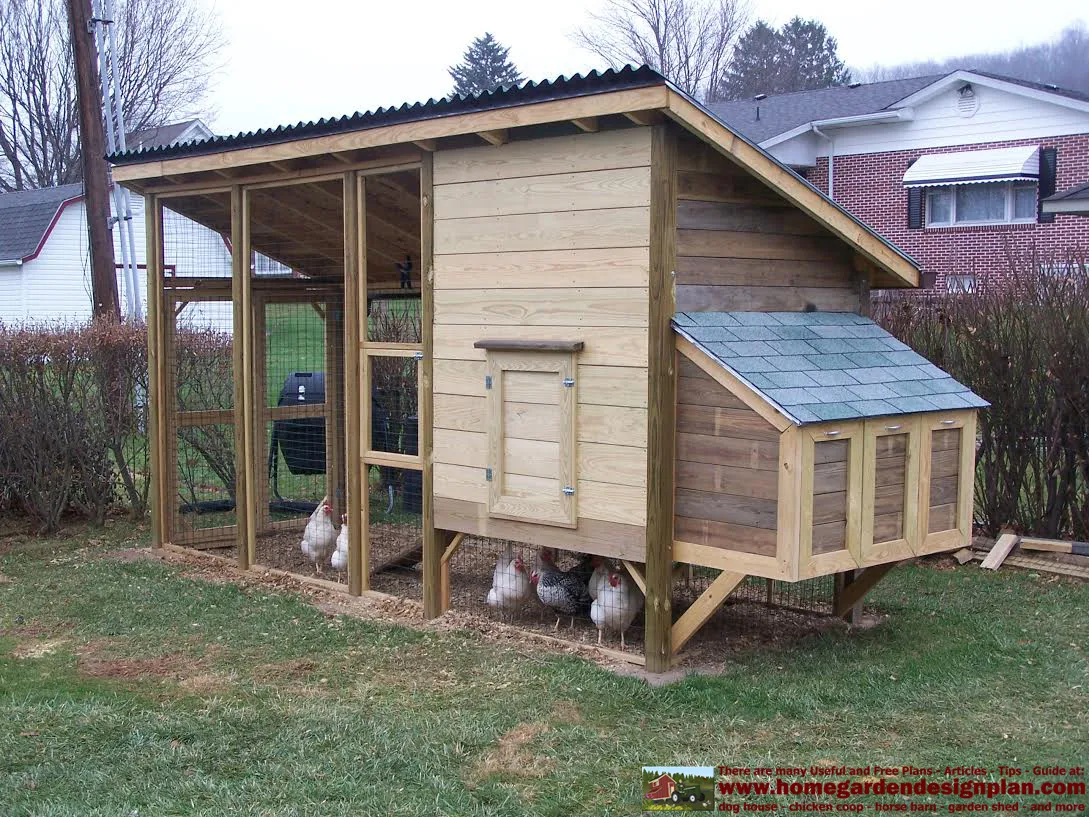
Planning Your Chicken Coop
Building a chicken coop is a rewarding project that allows you to provide a safe and comfortable home for your feathered friends. Careful planning is the cornerstone of a successful coop build, ensuring you create a structure that meets the needs of your chickens and your local environment. This initial phase involves considering several key factors, from the size of your flock to the specific location within your yard. Taking the time to plan thoroughly will save you time, money, and potential headaches down the road, setting the stage for a smooth and enjoyable building process. Remember, a well-planned coop is not just a shelter; it is an investment in the health and happiness of your chickens.
Determine Coop Size
One of the first decisions you’ll make is determining the appropriate size for your coop. Overcrowding can lead to stress, disease, and even aggression among your chickens. As a general rule, provide at least 4 square feet of floor space per chicken inside the coop. Consider the climate in your area as well, chickens in colder climates may benefit from a bit more space to allow them to move around and generate heat. Also, think about whether your chickens will have access to a run, which will impact the necessary coop size. The run offers more space for foraging and exercise, so if your chickens will spend much of their time outdoors, the coop can be slightly smaller.
Consider Your Flock’s Needs

Beyond the basic square footage, consider the specific needs of your chickens. Different breeds have different space requirements, and some may be more prone to conflict than others. Think about how many nesting boxes you’ll need – typically one box for every 3-4 hens is sufficient. Ensure the coop is tall enough for you to comfortably enter and perform cleaning tasks. Consider the ease of access for collecting eggs and cleaning the coop. Moreover, incorporate features like roosting bars, which provide a comfortable place for chickens to sleep, and adequate ventilation to keep the coop fresh and prevent respiratory problems. Consider the natural behaviors of chickens when designing the interior, ensuring it facilitates healthy living.
Choose the Right Location
The location of your chicken coop is as important as its size and design. Select a spot that is relatively flat and well-drained to prevent water accumulation and mud. Consider the prevailing winds and sunlight exposure, aiming for a location that provides both sun and shade throughout the day. The coop should be accessible for cleaning and maintenance, but ideally, it should be situated away from your house to minimize noise and odor. Check local zoning regulations and homeowner’s association rules to ensure the chosen location complies with all requirements. Proper placement is critical for the well-being of your chickens and your enjoyment of the coop.
Location Considerations
Think about predator protection when choosing a location. Keep the coop away from areas where predators like foxes, raccoons, and coyotes are known to roam. If possible, choose a location with natural barriers, such as fences or dense shrubbery, to provide additional security. Consider the proximity to your garden, if you plan to use chicken manure as fertilizer. Ensure the coop is easily accessible for regular cleaning and maintenance, and is not too far from a water source. Additionally, consider the visibility of the coop from your home, balance practicality with aesthetic considerations. The best location ensures the safety, health, and happiness of your flock.
Gathering Your Chicken Coop Materials

Once you have a solid plan, it’s time to gather the necessary materials. This step involves making choices about the type of wood, hardware, and other components that will make up your coop. The quality of your materials directly impacts the durability and longevity of your coop. Planning ahead and budgeting for your supplies is crucial before you start construction. Remember, using high-quality materials often results in a more robust, long-lasting coop that better protects your chickens from the elements and predators.
Essential Building Supplies
A successful coop build depends on having all the necessary building supplies on hand. This includes lumber, nails, screws, hinges, latches, and wire mesh. You’ll also need roofing materials, such as asphalt shingles or metal sheets, depending on your preference and local weather conditions. Prepare a detailed list before you head to the store. Ensure you have all the necessary tools, including a saw, drill, hammer, measuring tape, level, and safety equipment. Consider purchasing a coop building kit, that can simplify the process and ensure you have everything you need, which is a perfect solution for beginners.
Wood Types and Their Benefits
The type of wood you choose for your coop impacts its durability and longevity. Pine is a readily available and affordable option, but it may require more frequent maintenance. Cedar and redwood are naturally rot-resistant and are excellent choices for outdoor structures, though they can be more expensive. Pressure-treated lumber is also rot-resistant and insect-resistant, making it a good choice for the base of the coop and any parts that will come into contact with the ground. Consider the climate you live in, and choose wood that can withstand the local weather conditions. Selecting the right wood type helps your coop will stand the test of time and provide a safe home for your chickens.
Hardware and Fasteners

The hardware and fasteners you choose are as important as the wood itself. Use exterior-grade screws and nails to prevent rust and corrosion. Select hinges and latches that are durable and can withstand the wear and tear of daily use. Heavy-duty wire mesh is essential for the run and any windows or ventilation openings, ensuring your chickens are protected from predators. Consider using galvanized or stainless-steel hardware for its rust resistance. Be sure to choose fasteners that are the appropriate length for the thickness of your wood. Properly chosen hardware contributes significantly to the structural integrity and longevity of your coop.
Building the Coop Structure
With your plans and materials in place, it’s time to start building the coop’s structure. This involves constructing the frame, walls, roof, doors, and windows. Accurate measurements, proper alignment, and secure fastening are critical at this stage. Working carefully and following your plans precisely will ensure a sturdy and functional coop. Remember to always prioritize safety by wearing appropriate safety gear and using tools correctly. This is the most exciting part, where you can see your vision come to life. This step takes time, patience, and attention to detail.
Constructing the Frame
The frame provides the structural support for your coop. Begin by building the base frame, ensuring it is level and square. Then, construct the vertical studs, attaching them securely to the base frame. Use a level to ensure the studs are plumb (perfectly vertical). Consider adding corner bracing to provide extra stability. The frame should be strong enough to withstand wind, snow, and the weight of the roof. Check all measurements multiple times before cutting any wood. Building the frame correctly will set the foundation for a long-lasting and secure chicken coop.
Building the Walls and Roof

Once the frame is complete, it’s time to build the walls and roof. Attach the wall sheathing to the frame, ensuring it is securely fastened. Consider the type of insulation you want to use. Install the roof rafters, and cover the roof with your chosen roofing material, making sure it is properly sealed to prevent leaks. If you are not familiar with the roofing process, consult an expert or watch video tutorials. Ensure the roof provides adequate protection from the elements. Properly constructed walls and roof will protect your chickens from weather conditions and predators.
Adding Doors and Windows
Doors and windows provide access, ventilation, and light. Install the door frame and hang the door, ensuring it closes securely and has a reliable latch. Install windows, and cover them with heavy-duty wire mesh to provide ventilation while keeping predators out. Ensure the windows are securely fastened and that there are no gaps. Make sure the door is the appropriate size to let you easily access the coop. Pay special attention to hinges and latches to ensure they are sturdy and predator-proof. Properly installed doors and windows will make the coop user-friendly and safe for your chickens.
Creating the Interior
Creating the interior is about building the features that make the coop a comfortable home for your chickens. This includes nesting boxes, roosting bars, and flooring. Consider the specific needs of your chickens when designing the interior. Ensuring the interior is well-designed and functional will enhance the health and happiness of your flock. The goal is to create a space that is both practical and aesthetically pleasing.
Building Nesting Boxes

Nesting boxes provide a private and safe space for your hens to lay their eggs. Build the nesting boxes to a size that accommodates your hens. Typically, a box that is about 12x12 inches square is sufficient. Place the boxes in a quiet, dark area of the coop. Use a soft bedding material, such as straw or wood shavings, to make the boxes comfortable. Ensure the boxes are easily accessible for collecting eggs. Building well-designed nesting boxes encourages your hens to lay their eggs in a safe and clean environment.
Installing Roosts
Roosts are essential for providing a place for your chickens to sleep. Install roosting bars at a height that is comfortable for your chickens, typically 2-4 feet off the ground. The roosting bars should be wide enough for the chickens to comfortably grip, typically 2-4 inches wide. Ensure the roosts are placed away from nesting boxes to avoid soiling the boxes. Provide enough roosting space for all your chickens. Properly installed roosts will offer your chickens a comfortable and secure place to sleep.
Flooring Options
Choose a flooring option that is easy to clean and maintain. Concrete or treated plywood are durable options that can withstand the wear and tear of daily use. If using plywood, be sure to seal it to prevent moisture damage. Consider the use of removable floor coverings, such as linoleum or rubber mats, for easier cleaning. Make sure that the flooring is easy to keep clean. Providing a clean floor helps prevent disease and keeps the coop environment healthy.
Securing and Finishing Your Coop

The final steps involve securing your coop against predators and adding finishing touches to improve its functionality and appearance. Properly securing your coop is essential to protect your chickens from predators. Take pride in the details and create a coop that you can enjoy. Taking the time to finish your coop thoroughly will ensure its longevity and provide your chickens with a safe and comfortable home.
Predator-Proofing Techniques
Predator-proofing is a critical step. Bury hardware cloth or wire mesh around the perimeter of the coop to prevent digging predators from entering. Use sturdy latches on all doors and windows. Ensure the coop is well-ventilated to prevent moisture buildup, which can attract predators. Regularly inspect the coop for any signs of wear and tear, and make repairs as needed. Consider adding a secure run around the coop to provide additional protection. A well-secured coop protects your chickens from predators.
Ventilation and Airflow
Proper ventilation is essential for maintaining a healthy environment inside the coop. Ensure there is adequate airflow to prevent the buildup of ammonia and moisture, which can lead to respiratory problems and other diseases. Install vents high in the walls and near the roof to allow for good air circulation. Avoid drafts that can make your chickens cold. The ventilation helps keep the coop dry and fresh, which is crucial for the health of your chickens.
Finishing Touches

Add finishing touches to enhance the functionality and aesthetics of your coop. Paint or stain the exterior to protect the wood and give the coop a finished look. Install a feeder and waterer. Consider adding a ramp to make it easier for the chickens to enter and exit the coop. Add a decorative touch, like a weather vane or a small sign. These finishing touches add to the overall appeal and make the coop a welcoming home for your chickens.