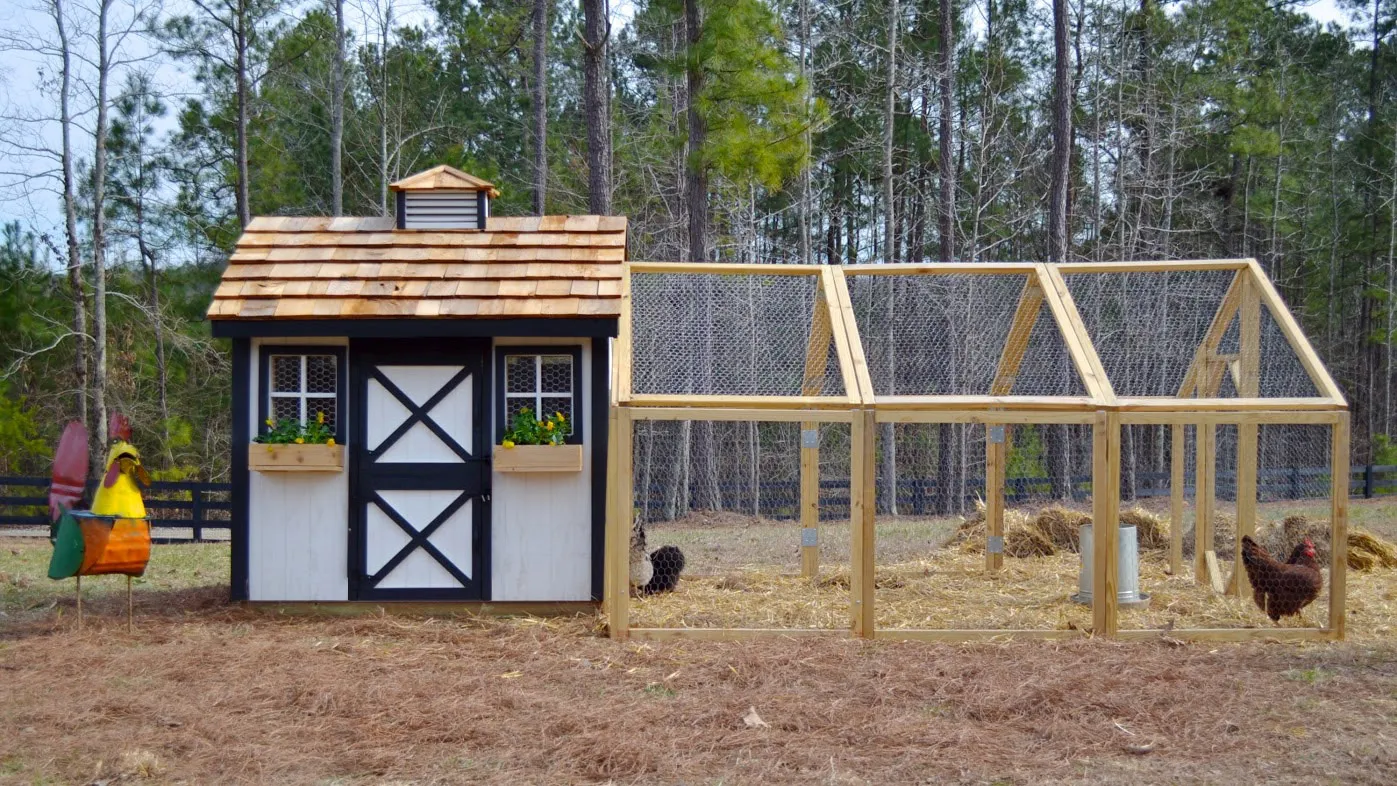
Planning Your Chicken Coop Build
Embarking on a chicken coop building project is an exciting endeavor for any aspiring poultry keeper. Before you even think about hammering a nail, thorough planning is essential. Proper planning ensures your chickens’ safety, comfort, and well-being, as well as simplifies the construction process. A well-thought-out plan will also help you avoid costly mistakes and time-consuming revisions later on. This initial stage sets the foundation for a successful coop, making it a haven for your feathered friends and a source of satisfaction for you.
Choosing the Right Location
The location of your chicken coop is a critical decision impacting its functionality and the chickens’ welfare. Consider factors like accessibility for daily care and cleaning, as well as protection from prevailing winds and harsh weather. The chosen spot should also be relatively flat to simplify the construction process and prevent water accumulation around the coop’s foundation. Take the time to assess your yard and choose a location that aligns with these criteria for the best outcome.
Consider Sunlight and Shade

Chickens need a balance of sunlight and shade to thrive. Direct sunlight in the early morning is beneficial, but excessive exposure during the hottest part of the day can be detrimental. Aim for a location that provides both sunny and shaded areas throughout the day. Strategically position the coop to take advantage of natural shade from trees or consider adding shade cloth to the run to offer protection from the sun. This balance helps regulate the coop’s temperature and contributes to the chickens’ comfort and health.
Ensure Proper Drainage
Poor drainage can lead to damp conditions, which can be a breeding ground for diseases and parasites. Choose a location with good drainage or take steps to improve it. Elevating the coop slightly off the ground can help, as can ensuring the surrounding area slopes away from the coop to facilitate water runoff. Proper drainage keeps the coop dry, reducing the risk of health problems and maintaining a clean and comfortable environment for your chickens. Consider adding a layer of gravel under the coop to further enhance drainage.
Selecting the Best Coop Size
The size of your chicken coop is directly related to the number of chickens you plan to keep. Overcrowding can lead to stress, pecking order issues, and the spread of diseases. A general guideline is to allow at least 4 square feet of floor space per chicken inside the coop and 8-10 square feet per chicken in the run. This provides ample room for movement, roosting, and nesting. Consider the breed of chicken you plan to raise, as some breeds require more space than others. Carefully calculating the necessary space is crucial for your flock’s health and happiness.
Considering Your Flock Size

Before you start building, determine the number of chickens you intend to raise. This decision will significantly impact the coop’s size and design. Start with a modest number of chickens, especially if you are a beginner, and gradually increase your flock size as you gain experience. Remember to factor in potential future growth and expansion when determining the coop’s dimensions. Building a coop that accommodates your current and future needs prevents the need for costly expansions down the line.
Allowing for Future Growth
When planning your chicken coop, it’s wise to anticipate future growth in your flock. Consider that you may want to add more chickens later on. Build a coop that provides enough space for potential expansion without overcrowding the existing birds. This foresight saves you the hassle of building a new coop or significantly modifying the current one. A slightly larger coop initially is preferable to a coop that quickly becomes too small.
Gathering Materials for Your Coop
Selecting the right materials is crucial for a durable, safe, and functional chicken coop. The quality of the materials directly impacts the coop’s longevity and its ability to protect your chickens from the elements and predators. Choose materials that are weather-resistant, non-toxic, and suitable for the local climate. Proper material selection saves you money on repairs and ensures a comfortable and healthy environment for your flock. Make a detailed list of required materials before you start building.
Essential Lumber and Hardware

The foundation of your coop is the lumber. Opt for pressure-treated wood for the frame to resist rot and insect damage. Untreated wood can be used for the interior, but it should be sealed or painted to protect it from the elements and facilitate cleaning. Hardware cloth is essential for the run and any openings to prevent predators. Galvanized nails, screws, and hinges are recommended for their corrosion resistance. Ensure you have enough of each material, and consider adding extra for unexpected needs or mistakes during the building process.
Tools You’ll Need
Building a chicken coop requires a variety of tools, from basic hand tools to power tools. You will need a saw for cutting lumber (a circular saw or a hand saw), a drill for assembling the frame and installing hardware, a hammer, a measuring tape, a level, and safety glasses. A staple gun is helpful for attaching hardware cloth. Having the right tools will significantly streamline the construction process. Ensure that your tools are in good working order before you begin, and have any necessary safety equipment readily available.
Building the Chicken Coop Structure
With your plan and materials ready, the actual construction of the chicken coop begins. This stage requires careful attention to detail and adherence to your design plan. Following the correct procedures ensures that the coop is sturdy, secure, and provides a comfortable living space for your chickens. Take your time, double-check measurements, and don’t hesitate to seek advice if you encounter challenges. The quality of your construction work will greatly influence the coop’s longevity and your chickens’ safety.
Constructing the Frame

The frame is the skeletal structure of your chicken coop. Begin by assembling the base of the coop, ensuring it’s square and level. Then, construct the walls and roof supports, paying close attention to the angles and dimensions specified in your plan. Secure the frame components with screws or nails, ensuring all joints are strong and stable. The frame’s durability is paramount, as it provides the overall structural integrity of the coop. Double-check all measurements as you go to guarantee a precise and robust frame.
Adding Walls and Roofing
Once the frame is complete, add the walls and roofing. For the walls, you can use wood planks, plywood, or other suitable materials. Ensure the walls are securely attached to the frame. The roofing should be waterproof and durable enough to withstand the elements. Consider using asphalt shingles, metal roofing, or other weather-resistant materials. Proper installation of both the walls and roofing is crucial to protect your chickens from rain, wind, and other environmental factors. Overlap roofing materials correctly to prevent leaks.
Creating Secure Doors and Windows
Doors and windows provide access to the coop and ventilation. The doors should be sturdy and equipped with secure latches to prevent predators from entering. Windows should be covered with hardware cloth to allow airflow while keeping predators out. Hinges should be strong and appropriately sized for the doors and windows. Consider the ease of access for cleaning and maintaining the coop when designing your doors and windows. Well-constructed doors and windows are essential for the security and functionality of the coop.
Setting up Interior Components

The interior of the chicken coop should be designed to provide a comfortable, safe, and functional living space for your chickens. Consider roosting bars, nesting boxes, and proper ventilation. Well-designed interior components minimize stress for the chickens and make it easier for you to manage their care. Proper setup ensures a clean, healthy, and productive environment for your flock, contributing to their overall well-being and egg production. It’s also crucial for ease of cleaning and maintenance.
Building Roosts and Nesting Boxes
Roosts provide a place for chickens to sleep at night, away from the floor. They should be placed high enough off the ground to encourage the chickens to roost. Nesting boxes are where hens will lay their eggs. They should be placed in a quiet, dark area of the coop. Provide one nesting box for every 3-4 hens. Ensure that the roosts and nesting boxes are easy to clean and provide adequate space for the chickens. Proper placement of these interior components greatly influences the chickens’ comfort and productivity.
Designing a Safe and Secure Run
A run provides an enclosed outdoor space for your chickens to forage, exercise, and enjoy fresh air while remaining safe from predators. Construct the run using sturdy posts and hardware cloth, ensuring there are no gaps large enough for predators to squeeze through. Bury the hardware cloth around the perimeter of the run to prevent digging predators from gaining access. The run should be large enough for the chickens to move around freely. It’s an essential component of the chicken coop setup for their health and safety.
Protecting Your Chickens from Predators

Protecting your chickens from predators is an essential part of chicken coop building. Predators can quickly decimate your flock if the coop is not properly secured. Careful consideration and implementation of predator-proofing measures are essential to safeguard your birds. This involves using robust materials, secure construction, and vigilant maintenance to prevent attacks. Consistent predator protection is critical for the survival and well-being of your chickens. It is better to overbuild than to face the heartbreak of losing your flock.
Securing the Coop from Intruders
The coop must be built to withstand attacks from various predators, including raccoons, foxes, coyotes, and even dogs. Ensure all doors, windows, and other openings are securely fastened. Use strong latches, hinges, and hardware to prevent easy access. Consider burying hardware cloth around the perimeter of the coop to prevent digging predators from burrowing underneath. Regularly inspect the coop for any signs of damage or potential vulnerabilities and address them promptly to maintain a secure environment for your chickens.
Using Hardware Cloth Effectively
Hardware cloth is a key component in predator-proofing your coop and run. Use hardware cloth with small openings (no larger than 1/2 inch) to prevent predators from reaching through and grabbing your chickens. Attach the hardware cloth securely to all openings, ensuring there are no gaps or weak points. Bury the hardware cloth at least 12 inches deep around the perimeter of the run to prevent digging predators. Hardware cloth provides a strong, durable barrier against predators. Proper installation and maintenance are crucial.
Maintaining Your Chicken Coop
Regular maintenance is key to extending the life of your chicken coop and maintaining a healthy environment for your chickens. Cleaning the coop regularly, ensuring proper ventilation, and addressing any potential issues promptly will help keep your chickens healthy and productive. Consistent maintenance not only contributes to the well-being of your flock but also minimizes unpleasant odors and the build-up of harmful bacteria. Make coop maintenance a routine part of your chicken-keeping practice.
Cleaning and Hygiene Practices
Regular cleaning is essential for maintaining a healthy environment for your chickens. Remove droppings, soiled bedding, and any spilled food or water regularly. Thoroughly clean and disinfect the coop at least once a month or more frequently as needed. Use a pet-safe disinfectant to kill any harmful bacteria. Proper cleaning practices help prevent the spread of diseases and parasites, contributing to the overall health of your flock and making their living space more pleasant. Frequent cleaning also reduces unpleasant odors.
Ventilation and Airflow
Proper ventilation is crucial for maintaining a healthy environment within your chicken coop. Adequate airflow helps to remove moisture, ammonia, and other harmful gases produced by the chickens and their waste. Ensure the coop has vents located high up on the walls to allow for proper air circulation. Avoid drafts that could chill the chickens, especially during the colder months. Good ventilation also helps to reduce the risk of respiratory illnesses and ensures a comfortable living space for your chickens. Regularly check the vents for obstructions.