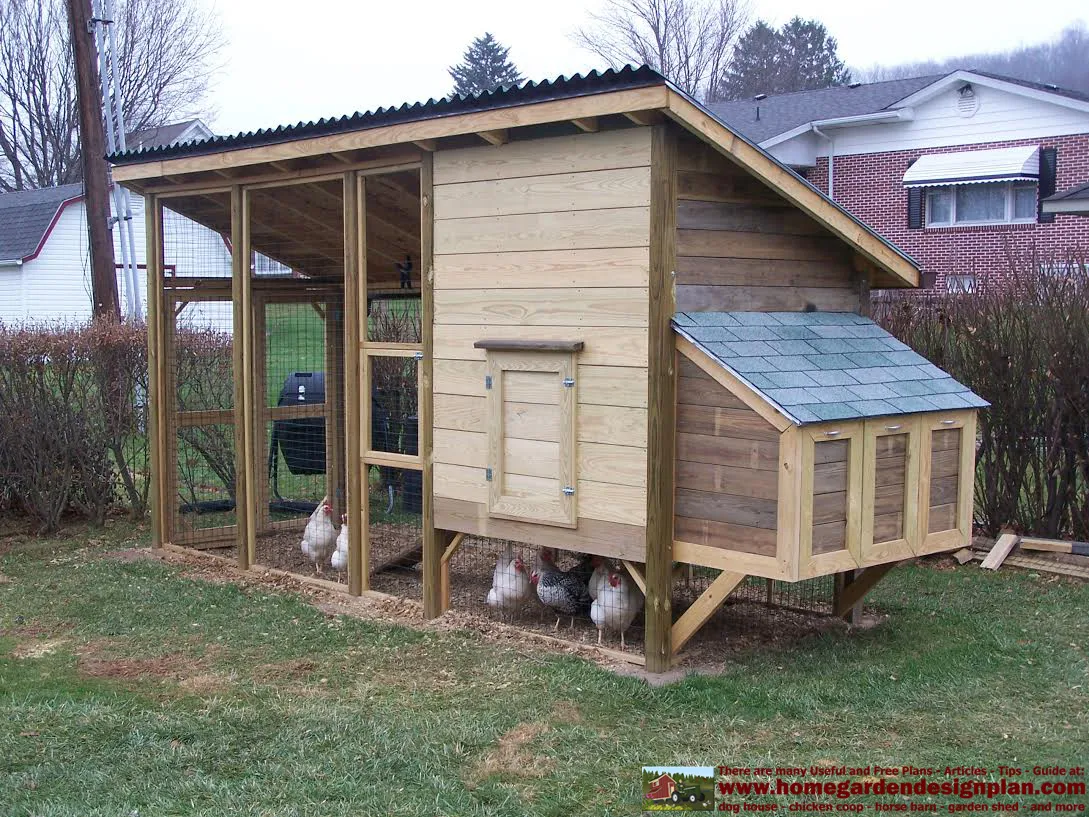
Planning Your Chicken Coop Build
Embarking on a chicken coop build is an exciting endeavor, but it’s crucial to start with thorough planning. This initial phase sets the foundation for a successful coop that meets the needs of your chickens and fits seamlessly into your backyard. Careful consideration of factors like location, size, and materials will save you time, money, and potential headaches down the road. The following sections will guide you through the essential steps of planning, ensuring you’re well-prepared for the construction phase and beyond. Remember, a well-planned coop is a happy coop – and happy chickens!
Choosing the Right Location
The location of your chicken coop is paramount to the health and happiness of your flock. The spot you choose should offer a balance of protection from the elements, easy access for you, and minimal disruption to your neighbors. Consider factors such as sunlight, shade, prevailing winds, and accessibility when making your decision. Avoid areas prone to flooding or standing water, as these can lead to health issues for your chickens. Additionally, think about the proximity to your house and potential noise levels, especially if you live in a residential area. A well-chosen location promotes both chicken welfare and your enjoyment of backyard poultry keeping.
Considering Sunlight and Shade

Sunlight and shade play a vital role in your chickens’ well-being. Provide both for a comfortable environment. Direct sunlight is beneficial in moderation, offering warmth and helping chickens produce vitamin D. However, excessive exposure, particularly during the hottest parts of the day, can lead to overheating and stress. Ensuring that the coop receives some shade, whether from trees, a strategically placed structure, or a shaded run, is crucial. This will give the chickens a place to cool down and take a break from the sun. Consider the sun’s path throughout the day and year when choosing your location, ensuring you have a good balance.
Assessing Soil Drainage
Proper soil drainage is another critical factor when choosing a location for your chicken coop. Chickens, like all animals, are vulnerable to diseases, and damp conditions can exacerbate these issues. Poor drainage can lead to waterlogged soil, creating an ideal breeding ground for bacteria and parasites. This not only poses health risks to your flock but can also make cleaning the coop more difficult. Before starting your chicken coop build, examine the area for signs of standing water after rain. If drainage is poor, consider improving it by adding gravel, raising the coop’s foundation, or choosing a different location altogether. A dry coop is a healthy coop.
Determining Coop Size
Determining the appropriate size for your chicken coop is crucial for the health and happiness of your chickens. Overcrowding can lead to stress, increased disease risk, and behavioral issues like feather pecking. The size of your coop should be directly proportional to the number of chickens you intend to keep, allowing each bird enough space to move freely, roost comfortably, and access food and water without constant competition. The coop should be large enough to provide all the necessary resources for your chickens.
Calculating Space per Chicken

As a general guideline, allow at least 4 square feet of space per chicken inside the coop. This ensures that each bird has enough room to move around, roost, and eat without feeling cramped. For the chicken run, you’ll want to provide even more space; a minimum of 8-10 square feet per chicken is recommended. This is important so that the birds can roam and forage. Remember, providing ample space will help keep your chickens healthy and happy, leading to a more enjoyable backyard chicken-keeping experience. Additional space is always preferable, so consider the maximum number of chickens you might have in the future and build accordingly.
Considering Future Flock Size
When planning your chicken coop build, always consider the possibility of expanding your flock in the future. Even if you only intend to keep a few chickens initially, building a coop with a little extra space can save you the effort and expense of constructing a larger one later. Think about your long-term goals and whether you might want to add more chickens. Building a coop that can accommodate a larger flock from the start is a wise investment. It also provides flexibility, allowing you to easily grow your flock if you decide to later. Make sure your coop’s location can support an expansion.
Gathering Materials
Once you’ve planned your chicken coop, the next step is to gather all the necessary materials. The materials you choose will greatly impact the coop’s durability, security, and overall aesthetic appeal. This stage involves selecting the right wood, hardware, and tools to bring your design to life. A well-prepared list and careful selection of materials will make the building process much smoother and more efficient. Before you start, create a detailed list of everything you’ll need, including lumber, fasteners, hardware cloth, roofing materials, and any other items specified in your design. This preparation will ensure that you have all of the materials necessary and you can focus on the build.
Essential Building Materials

Choosing the right building materials is a key aspect of a successful chicken coop build. The materials you select will affect the coop’s longevity, safety, and ability to withstand the elements. Prioritize durability, weather resistance, and predator-proofing when making your material choices. Avoid materials that are toxic to chickens, and always check local building codes to ensure compliance. Consider cost, ease of use, and availability when selecting your materials. Good planning and preparation in this phase will make the building process more efficient, creating a coop that lasts.
Wood Types for Durability
The type of wood you use for your chicken coop build is crucial for its longevity and resistance to the elements. Opt for wood that is naturally weather-resistant and durable. Cedar and redwood are popular choices due to their natural oils, which repel moisture and insects. Pressure-treated lumber is another option, offering excellent rot resistance. However, be mindful of using pressure-treated wood in areas where chickens will directly come into contact with it, as some treatments can be harmful. Pine is a more affordable option, but it requires treatment with a sealant or paint to protect it from the weather and insect damage. Choose the type of wood depending on your budget and priorities.
Hardware Cloth for Security
Hardware cloth is an essential material for protecting your chickens from predators. Unlike chicken wire, hardware cloth is made of heavy-gauge wire and offers superior protection. It’s much more difficult for predators to chew through or tear. Use hardware cloth to enclose the run, and consider lining the bottom of the run with it to prevent predators from digging under the walls. Ensure that all edges are securely fastened and that there are no gaps or weak points. Proper installation of hardware cloth will help protect your flock and give you peace of mind. Choose a mesh size that is small enough to keep out small predators.
Tools You’ll Need

Having the right tools is essential for any successful chicken coop build. The tools you’ll need will vary depending on the complexity of your design and the materials you choose. Investing in quality tools, or borrowing them, will make the construction process easier, faster, and more enjoyable. Ensure your tools are in good working order before you start. Sharpen dull blades, and replace any worn or damaged parts. Safety is also important; always wear appropriate safety gear, such as safety glasses, gloves, and hearing protection when necessary. A well-equipped workshop will streamline your work and help you achieve a professional-looking result.
Power Tools vs. Hand Tools
Deciding between power tools and hand tools depends on your experience, budget, and the scope of your project. Power tools, such as circular saws, drills, and nail guns, can significantly speed up the construction process and make complex tasks easier. However, they can also be expensive. Hand tools, like hand saws, hammers, and screwdrivers, are more budget-friendly and offer greater control for detail work. The choice between power tools and hand tools is not always an either-or situation; you can often use a combination of both. Beginners may find hand tools easier to manage and safer to use. Professional builders often use power tools for most of the project.
Safety Equipment
Safety is the top priority when building a chicken coop. Always wear appropriate safety equipment to protect yourself from potential hazards. This includes safety glasses to protect your eyes from flying debris, work gloves to protect your hands, and hearing protection if you’re using power tools. Depending on the specific tasks, you might also need a dust mask or respirator to prevent inhaling harmful particles. Work boots with good support and a non-slip sole are recommended. Always follow the manufacturer’s instructions for power tools, and be aware of your surroundings to prevent accidents. Taking these precautions will help you complete your project safely and with confidence.
Construction Steps

Once you’ve planned your coop, gathered your materials, and assembled your tools, you’re ready to begin the construction process. This stage involves transforming your design into a tangible structure, from building the frame to installing the roof and run. Carefully follow the construction steps, taking the time to do each task correctly. Double-check your measurements, and ensure that all the parts are properly aligned. This is the most hands-on part of the project, and patience and attention to detail will pay off. As you work, remember that this coop will become a safe and comfortable home for your chickens, so take pride in your craftsmanship and enjoy the process.
Building the Coop Frame
The frame is the skeleton of your chicken coop. It provides structural support and dictates the overall shape and dimensions of the coop. Before you start, ensure that your foundation is level and stable. Begin by cutting the lumber according to your plan, and then assemble the frame using screws or nails. Make sure the corners are square. Reinforce the frame by adding bracing to increase its stability. Consider building the frame in sections to make it easier to handle and assemble. The frame must be sturdy and secure and will support all the other components of the coop, so taking the time to build a strong frame is essential. Ensure that your frame meets local building codes.
Constructing the Walls and Roof
Once the frame is built, you can start constructing the walls and roof. Attach the exterior sheathing to the frame, making sure it’s flush and securely fastened. Depending on your design, you might use wood siding, plywood, or other materials for the walls. When constructing the roof, choose materials that will provide protection from the elements. Consider asphalt shingles, metal roofing, or other options. Ensure proper drainage by adding an overhang to prevent water from running down the walls. Proper construction of the walls and roof will protect your chickens from rain, sun, and wind and is an important part of the build. This will contribute to the lifespan of your coop.
Adding Doors and Windows

Doors and windows are essential for ventilation, access, and light in your chicken coop. Install doors that are easy to open and close and secure them with latches or locks to keep predators out. Windows provide natural light and ventilation, so position them strategically to allow for airflow without creating drafts. Consider adding screens to the windows to keep out insects. Make sure the doors and windows are durable and constructed to withstand the elements. Carefully seal the doors and windows to prevent drafts and water leaks. Providing proper doors and windows will make the coop more comfortable and secure.
Creating the Chicken Run
The chicken run is a crucial part of your chicken coop, providing a secure outdoor space for your chickens to roam, forage, and exercise. Proper run design and construction are essential for the safety and well-being of your flock. It offers a safe haven where chickens can enjoy the outdoors while being protected from predators. Consider the size, materials, and security of the run to ensure it meets the needs of your chickens. A well-designed run will enhance the health and happiness of your birds and provide you with greater peace of mind. Take care in this part of the build to ensure the chickens are protected.
Run Design and Dimensions
The size and design of your chicken run should be based on the number of chickens you have and the space you have available. As mentioned earlier, allow at least 8-10 square feet of space per chicken in the run. Consider the shape and layout of the run, providing areas for foraging, dust bathing, and shelter. Incorporate features like roosting bars and shade to make the run more comfortable and functional. Designing an efficient run is an important task of the chicken coop build, as it impacts your chickens.
Securing the Run

Securing the run is critical for protecting your chickens from predators. Use hardware cloth with a small mesh size to enclose the run. Bury the hardware cloth at least 12 inches underground, and consider adding an outward-facing apron to prevent predators from digging under the walls. Secure all the edges and ensure that there are no gaps or weak points. Make sure the run is covered with hardware cloth or netting to protect against aerial predators. A well-secured run provides a safe and secure environment for your flock, giving you peace of mind and your chickens protection.
Final Touches and Finishing
Once the main structure of your chicken coop and run are complete, it’s time for the final touches. This stage includes installing nesting boxes, setting up roosting bars, ensuring proper ventilation, and adding any other features that will make the coop comfortable and functional for your chickens. This is the stage where you customize the coop to meet your specific needs and preferences. The final touches not only improve the usability of the coop but also contribute to the overall aesthetic appeal of your backyard. This is where you transform a functional structure into a true chicken home.
Installing Nesting Boxes
Nesting boxes are essential for egg laying. Install enough nesting boxes so there is typically one box for every 3-4 hens. Position the boxes in a secluded, comfortable location away from drafts and direct sunlight. Consider the size and design of the boxes to ensure they provide a safe and inviting space for your hens to lay their eggs. Ensure the boxes are easy to access for both you and your chickens. Proper installation and care for nesting boxes will encourage egg production.
Setting up Roosting Bars
Roosting bars provide a place for your chickens to sleep and rest. Place the roosting bars at a comfortable height, ideally 2-3 feet off the ground. Allow at least 10-12 inches of roosting space per chicken. The bars should be wide enough for the chickens to comfortably grip, such as a 2x4 or a rounded dowel. Position the roosting bars away from nesting boxes and other potential hazards. Providing proper roosting bars will help your chickens sleep soundly and reduce stress.
Ventilation and Airflow
Proper ventilation is vital for maintaining a healthy environment in your chicken coop. It helps to remove moisture, ammonia, and other harmful gases, while also regulating temperature. Ensure good airflow by installing vents high in the coop to allow warm, moist air to escape. Position vents strategically to prevent drafts, which can make your chickens uncomfortable. In warmer climates, consider adding windows or other openings to increase airflow. Good ventilation promotes the overall health of your chickens and helps to keep the coop clean and dry. Poor ventilation will cause health issues.
Tips for Ongoing Maintenance
Maintaining your chicken coop is crucial for the health and happiness of your chickens and for the longevity of your coop. Regular cleaning, pest prevention, and general upkeep will help you avoid problems and ensure a safe and comfortable environment for your flock. This is a process that will involve routine maintenance to keep the coop in good condition. Regular maintenance will save you time and effort in the long run and contributes to a more enjoyable chicken-keeping experience.
Cleaning and Sanitizing
Clean your chicken coop regularly to remove manure, spilled food, and other debris. Remove droppings, and replace the bedding material. A deep cleaning should be done at least every month, more often during warmer weather. Scrub the coop with a poultry-safe disinfectant to eliminate bacteria and parasites. Allow the coop to dry completely before adding fresh bedding. Regular cleaning and sanitizing will help prevent disease and keep your chickens healthy and your coop smelling fresh.
Preventing Pests and Predators
Taking preventative measures is key to protecting your chickens from pests and predators. Regularly inspect the coop for any signs of damage. Seal any cracks or openings where pests could enter. Use predator-resistant latches and locks on doors and windows. Remove food sources that might attract pests, such as spilled feed. If you experience issues with pests, consider using natural deterrents. Regular maintenance and vigilance will help protect your flock from harm.
Building a chicken coop is a rewarding experience. By following these steps, you can create a safe, secure, and comfortable home for your chickens, while increasing the value of your property. Remember to start with a plan, choose the right materials, and take your time. Happy building, and happy chickens!