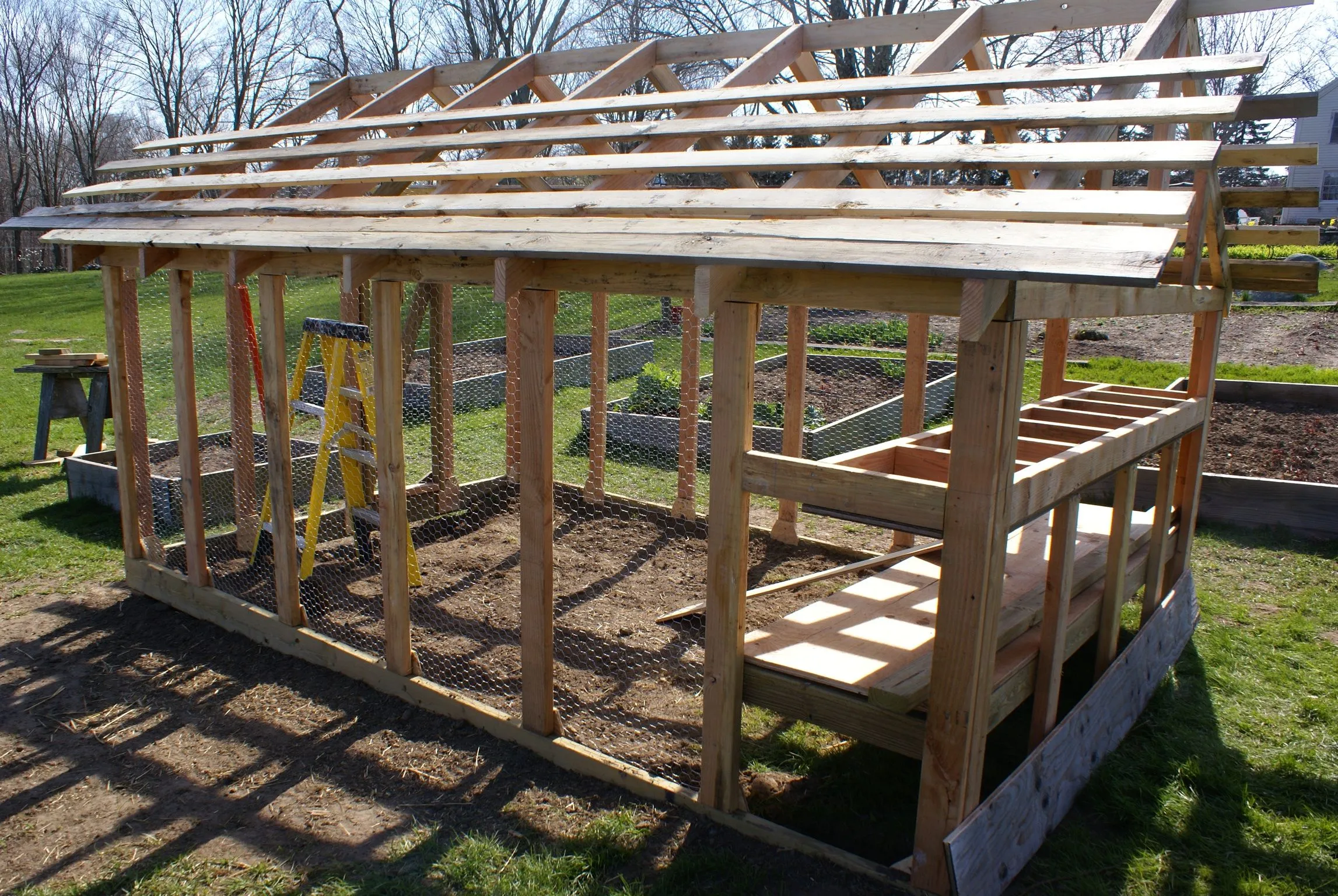
Essential Chicken Coop Planning
Building a chicken coop is an exciting venture, but success hinges on meticulous planning. Before you even think about hammering a nail, you need to consider several crucial factors. These initial steps will save you time, money, and potential headaches down the road. Proper planning ensures your chickens are safe, comfortable, and productive, while also complying with local regulations. Think of the planning phase as the foundation of your entire project. A well-laid foundation leads to a stable and enjoyable chicken-keeping experience. The planning phase involves several crucial decisions that will shape the final product. Each aspect contributes to a harmonious environment for your flock and a satisfying experience for you, the coop builder.
Choosing the Right Location
The location of your chicken coop is paramount. Consider factors like sunlight, shade, and prevailing winds. Chickens need access to both sunlight and shade to regulate their body temperature and thrive. A location that provides a balance of both is ideal. Also, consider the wind direction to ensure the coop does not create unpleasant odors for you or your neighbors. Drainage is another essential consideration; the coop should be located on well-drained ground to prevent water from pooling, which can lead to health problems for your chickens. Accessibility is also important; you’ll need to be able to easily access the coop for cleaning, collecting eggs, and general maintenance. Placing your coop close to your house will make these tasks easier, but also consider the potential for noise and odor. Finally, think about predator protection: choose a location that offers natural barriers or allows for easy implementation of protective measures.
Evaluating Space Requirements

Determining the right amount of space is crucial for your chickens’ health and well-being. Overcrowding can lead to stress, increased disease, and behavioral problems like feather pecking. The general rule of thumb is to allow at least 4 square feet of space per chicken inside the coop and 8-10 square feet per chicken in the run. However, these are just guidelines, and the specific needs can vary depending on the breed and the climate. Larger breeds require more space, while smaller breeds can manage with less. Consider the size of your flock and plan accordingly. If you anticipate expanding your flock, it’s wise to build a coop that can accommodate future growth. Remember that providing enough space is not just about comfort; it’s essential for the overall health and happiness of your chickens.
Considering Local Regulations
Before you start building, it’s imperative to research local ordinances. Many cities and towns have specific regulations regarding chicken keeping, including coop size, location, and the number of chickens allowed. Some areas may require permits, while others may have restrictions on roosters or require setbacks from property lines. Failure to comply with these regulations can result in fines or even the forced removal of your coop and chickens. Contact your local planning or zoning department to obtain the necessary information. It’s far better to understand and comply with all the rules upfront than to face legal issues later. Also, consider your neighbors; communicating with them about your plans can help prevent potential conflicts. A little research and communication can go a long way in ensuring a smooth and legal chicken-keeping experience.
Coop Design and Dimensions
The design and dimensions of your chicken coop directly impact its functionality and the comfort of your chickens. Choosing the right design involves several considerations, including the size of your flock, the climate in your area, and your personal preferences. A well-designed coop provides shelter from the elements, protection from predators, and a comfortable living space for your chickens. Various coop styles are available, each with its advantages and disadvantages. The design should incorporate features that facilitate easy cleaning, ventilation, and egg collection. The dimensions of your coop will depend on the number of chickens you plan to house. Proper planning ensures your chickens thrive and that you enjoy the experience of raising them.
Determining Size Based on Flock

As mentioned before, the number of chickens you intend to keep is the primary factor in determining the coop size. Overcrowding leads to various issues. For standard-sized chickens, aim for a minimum of 4 square feet of floor space per bird inside the coop. If you live in a colder climate and expect your chickens to spend more time indoors during the winter, consider providing even more space. The size of the run (the outdoor enclosed area) should also be carefully considered. Providing ample space in the run allows chickens to forage, exercise, and socialize, contributing to their overall well-being. A larger run also helps to prevent the coop from becoming dirty quickly, reducing the amount of cleaning needed. The more space you give your chickens, the happier and healthier they will be. Adjust the size of your coop based on your desired number of birds.
Popular Coop Styles
There are several popular coop styles to choose from, each with its own characteristics. The A-frame coop is a simple and economical design, often favored for its portability. The shed-style coop offers more headroom and can be easier to clean. The traditional coop with a sloped roof provides excellent protection from the elements and allows for efficient rainwater runoff. Other options include the enclosed run coop, which integrates the coop and run into a single structure. The choice of style depends on your specific needs, the space available, and your personal building skills. Consider factors such as climate, predator protection, and ease of access when choosing a coop style. Researching the different styles will help you choose the best option for your flock and your backyard.
Materials and Construction
The materials you choose for your chicken coop are critical for its longevity, safety, and the health of your chickens. Using high-quality materials will ensure that your coop can withstand the elements and provide a secure environment for your birds. Construction methods also play a crucial role in the overall success of your project. Proper construction not only ensures the structural integrity of the coop but also provides adequate protection from predators and the elements. It is best to choose materials known for their durability and resistance to moisture, pests, and predators. The construction process should follow established best practices. The quality of your construction directly impacts the well-being of your chickens and the lifespan of your coop.
Choosing the Right Lumber

Selecting the right type of lumber is essential for a durable and long-lasting chicken coop. Pressure-treated lumber is a popular choice for the base of the coop, as it is resistant to rot and insect damage. However, avoid using pressure-treated lumber inside the coop, as the chemicals used in the treatment can be harmful to chickens. For the walls and roof, consider using cedar, redwood, or other naturally rot-resistant woods. These woods are durable and provide a pleasing aesthetic. When choosing lumber, inspect it carefully for any defects such as knots, splits, or warping. If you are painting or staining the coop, choose exterior-grade paint or stain that is non-toxic and safe for chickens. Selecting appropriate lumber ensures the coop’s integrity and protects your chickens.
Securing the Coop from Predators
Predator-proofing your coop is paramount. Chickens are vulnerable to various predators, including foxes, raccoons, coyotes, and even domestic dogs and cats. Use sturdy materials for the coop walls and roof, such as plywood or solid wood. Install hardware cloth or wire mesh with small openings on all windows, vents, and openings to prevent predators from entering. Bury the wire mesh around the perimeter of the coop at least 12 inches underground to prevent digging predators from gaining access. Ensure that all doors and latches are secure and predator-proof. Consider adding additional security measures such as motion-activated lights or an electric fence around the perimeter of the coop. Protecting your chickens from predators will help ensure their safety and reduce your stress and the need for constant monitoring.
Ventilation and Insulation
Proper ventilation and insulation are vital for maintaining a healthy environment inside your chicken coop. Good ventilation removes excess moisture, ammonia, and other harmful gases, while also regulating the temperature. Insulation helps to keep the coop warm in the winter and cool in the summer. Both factors contribute to the comfort and health of your chickens. Neglecting ventilation and insulation can lead to health problems, such as respiratory illnesses, and can significantly impact your chickens’ productivity and overall well-being. Effective ventilation and insulation will not only create a better living environment for your chickens but will also help to extend the life of your coop.
Ensuring Proper Airflow

Adequate ventilation is essential for maintaining good air quality inside the coop. Install vents near the roofline to allow warm, moist air to escape. Avoid placing vents directly above the roosting bars, as this can create drafts that are uncomfortable for the chickens. Ensure there is a sufficient amount of airflow throughout the coop, preventing the buildup of ammonia from chicken droppings. Proper ventilation reduces the risk of respiratory problems and keeps the coop smelling fresh. Consider adding a vent fan to improve airflow in areas with minimal natural ventilation, especially in warmer climates. Adequate ventilation is crucial for the health and comfort of your chickens.
Insulating for Climate Control
Insulation helps regulate the temperature inside the coop, keeping it warmer in the winter and cooler in the summer. There are several insulation options available, including fiberglass, foam board, and natural materials like straw or wood shavings. When choosing insulation, consider the climate in your area and the level of insulation needed. Make sure to install the insulation properly, following the manufacturer’s instructions. Properly installed insulation not only helps to regulate the temperature but also reduces energy costs if you use any heating or cooling systems. Ensure that the insulation is protected from moisture, which can reduce its effectiveness and promote the growth of mold. Proper insulation helps to create a comfortable environment for your chickens year-round.
Creating a Comfortable Interior
The interior design of your chicken coop plays a significant role in the comfort and well-being of your chickens. Providing them with comfortable nesting boxes, roosting bars, and a clean environment will encourage them to be productive and content. A well-designed interior also makes it easier for you to clean the coop and collect eggs. Careful consideration to these details will help you create a space where your chickens can thrive. Consider the specific needs of chickens when creating the interior space. Your attention to detail can significantly impact your chicken’s daily life.
Providing Nesting Boxes

Nesting boxes provide a safe and comfortable place for your hens to lay their eggs. The number of nesting boxes needed depends on the size of your flock. A general rule of thumb is to provide one nesting box for every 3-4 hens. Place the nesting boxes in a dark, quiet location within the coop, away from drafts. Line the nesting boxes with soft, absorbent bedding material, such as straw, wood shavings, or commercial nesting pads. Ensure the boxes are easy to access for egg collection. Regularly inspect the nesting boxes and clean them to maintain a hygienic environment. Properly designed nesting boxes are essential for encouraging egg-laying and protecting the eggs from damage.
Adding Roosts
Roosts provide a place for chickens to perch and sleep at night. Choose a roosting bar with a diameter that is comfortable for chickens to grip, typically around 2-4 inches. Position the roosting bars at a height that is accessible for your chickens, considering their breed. Ensure the roosting bars are away from the walls of the coop to prevent droppings from accumulating on the walls. Provide enough roosting space for all of your chickens. A general rule of thumb is to allow at least 8-12 inches of roosting space per chicken. Roosts should be designed to make your chickens feel secure at night.
Maintaining the Coop
Regular maintenance is crucial for keeping your chicken coop clean, healthy, and safe. Proper maintenance includes regular cleaning, pest control, and making necessary repairs. A well-maintained coop not only benefits your chickens but also makes it easier for you to care for them. Neglecting maintenance can lead to a build-up of waste, pest infestations, and structural problems, all of which can compromise the health and well-being of your chickens. Regular and consistent maintenance ensures a healthy environment and extends the lifespan of your coop.
Regular Cleaning and Maintenance

Regular cleaning is essential for maintaining a hygienic environment in your chicken coop. Remove droppings daily or every other day, depending on the size of your flock. Clean the nesting boxes regularly, replacing the bedding as needed. Perform a thorough cleaning of the entire coop at least once a month, removing all bedding and washing down the surfaces with a safe cleaning solution. Inspect the coop regularly for any signs of damage or wear and tear. Make repairs promptly to prevent further damage and maintain the coop’s structural integrity. Regular cleaning and maintenance will also help to prevent the build-up of odors and control pests.
Pest Control Measures
Pests can quickly become a problem in a chicken coop, so it is important to take preventative measures. Regularly inspect the coop for signs of pests, such as mites, lice, and rodents. Use natural pest control methods, such as diatomaceous earth, to control mites and lice. Ensure that all food is stored in sealed containers to prevent attracting rodents. Seal any cracks or openings in the coop to prevent pests from entering. Regularly clean the coop and remove any spilled feed or debris that could attract pests. Implementing pest control measures will help to protect your chickens’ health and the overall cleanliness of the coop.