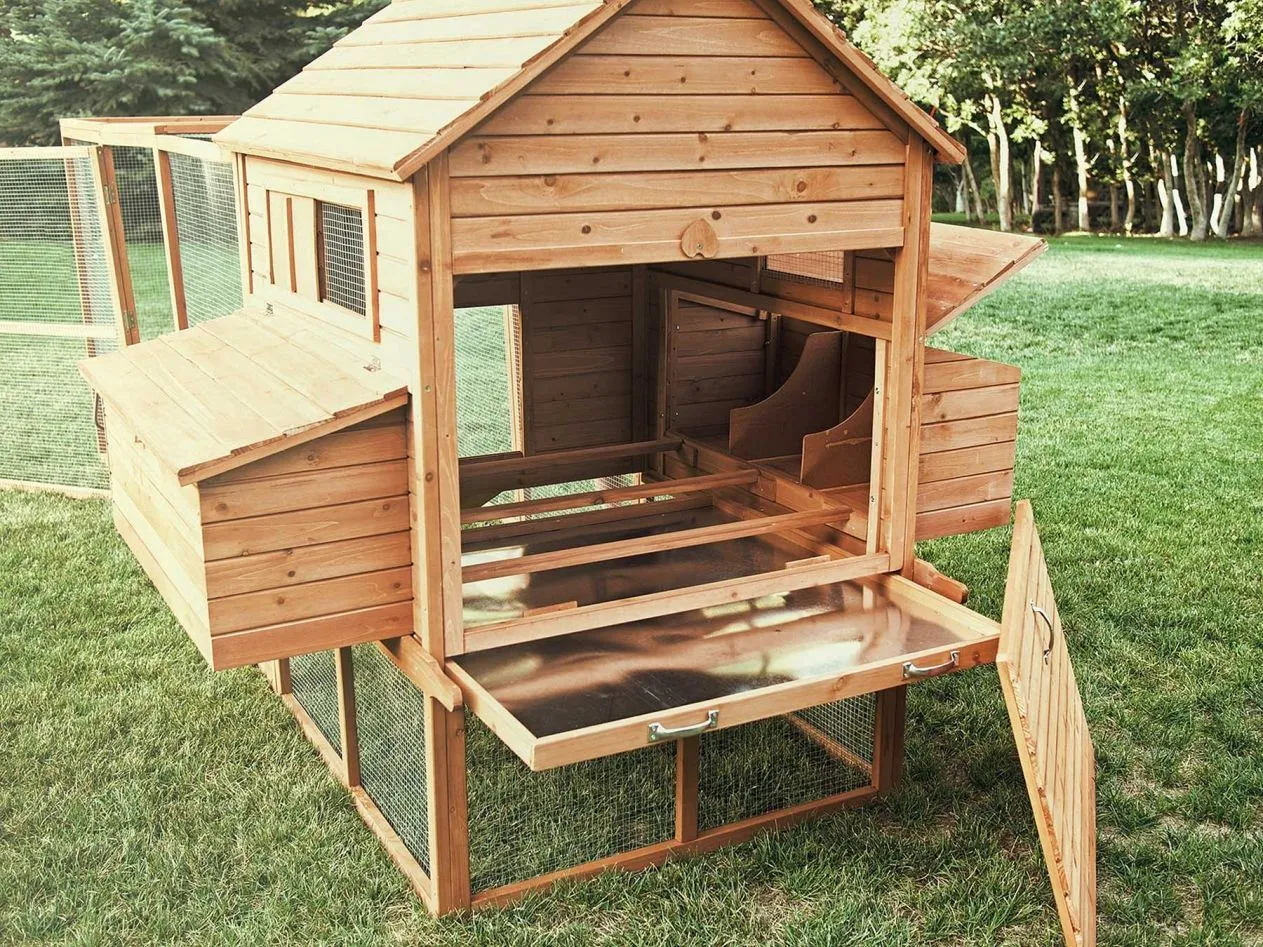
Building a chicken coop can seem like a daunting task, but with proper planning and execution, it’s a rewarding project that provides fresh eggs and a fun hobby. This easy guide will walk you through the steps, from planning and design to construction and maintenance, ensuring you can quickly and efficiently build a coop that meets your chickens’ needs and your backyard’s aesthetic. Whether you’re a seasoned DIY enthusiast or a beginner, this guide offers practical tips and advice to make the process straightforward and enjoyable.
Planning Your Chicken Coop
Before you even lift a hammer, thorough planning is crucial. Consider all aspects, from local regulations to the number of chickens you plan to house. This phase sets the foundation for a successful build, saving you time, money, and potential headaches down the line. Good planning includes research on your area’s climate, potential predators, and the specific needs of the chicken breeds you intend to raise. This will help determine the optimal size, design, and materials for your coop.
Choosing the Right Location for Your Coop
The location of your chicken coop is paramount to the health and safety of your flock. Select a spot that offers protection from the elements, such as wind and direct sunlight, especially during extreme weather. Ensure the area has good drainage to prevent standing water, which can attract pests and lead to health issues. Consider the proximity to your house for convenience, but also factor in noise and odor control to maintain a harmonious backyard environment. Finally, ensure easy access for maintenance and cleaning.
Considering Local Regulations and Zoning

Before starting any construction, familiarize yourself with local ordinances and zoning regulations. Many municipalities have specific rules regarding the keeping of chickens, including restrictions on coop size, location, and the number of birds allowed. Check with your local authorities or homeowner’s association to avoid fines or the need to dismantle your coop. Some areas also have restrictions on the types of materials you can use or the specific designs permitted for backyard structures.
Designing Your Chicken Coop
The design phase involves creating a blueprint for your coop, taking into account factors such as size, shape, and style. This is where you translate your ideas into a tangible plan. A well-designed coop provides a safe, comfortable, and functional living space for your chickens. Consider the ease of cleaning, ventilation, and access for both you and your birds. Think about the aesthetic appeal of the coop and how it will integrate into your backyard. A good design considers all these elements, leading to a practical and visually pleasing coop.
Determining the Size of Your Coop
The size of your coop should be determined by the number of chickens you plan to keep. As a general rule, allow for at least 4 square feet of floor space per chicken inside the coop and 8-10 square feet per chicken in the enclosed run. Overcrowding can lead to stress, disease, and behavioral issues among your flock. Consider future growth; it’s always better to build a coop slightly larger than you initially anticipate. This provides room for your chickens to move freely and comfortably, ensuring their well-being.
Choosing Your Coop’s Shape and Style

Chicken coops come in various shapes and styles, from simple rectangular structures to more elaborate designs with gabled roofs and decorative features. The shape and style of your coop should align with your backyard’s aesthetic and your personal preferences. Consider the functionality of different designs; a-frame coops are compact, while larger, more complex designs offer greater space and versatility. Ensure the design incorporates adequate ventilation, easy access for cleaning, and protection from predators. Prioritize functionality and safety when selecting your coop’s shape and style.
Selecting Materials for Your Chicken Coop
Choosing the right materials is vital for the durability, safety, and longevity of your chicken coop. Opt for weather-resistant and predator-proof materials that can withstand the elements and provide a secure environment for your chickens. Think about the lifespan and maintenance requirements of different materials, from wood to metal and composite options. The materials you choose significantly impact the overall cost and the effort required for maintenance. Investing in quality materials now will save you money and effort in the long run.
Essential Tools for Building
Gathering the necessary tools before you start building will streamline the process and prevent delays. Essential tools include a saw (circular saw, hand saw, or jigsaw), a drill, a level, a measuring tape, a hammer, a screwdriver, and safety gear such as safety glasses and gloves. You may also need tools like a staple gun, a post-hole digger (if constructing a run), and various clamps and fasteners. Ensuring you have all the required tools readily available will make the build much smoother and more efficient.
Gathering the Necessary Materials

Before starting the build, create a detailed list of all the materials you will need. This includes lumber for the frame, walls, and roof; hardware such as nails, screws, and hinges; roofing materials; wire mesh or hardware cloth for the run; and any interior features like nesting boxes and roosts. Consider the quantities needed and purchase everything at once to avoid multiple trips to the store. Having all the materials readily available ensures a smooth, uninterrupted construction process, keeping you on schedule.
Step by Step Building Guide
With the planning and preparation complete, it’s time to start building. This involves several key stages, from constructing the foundation and frame to adding the walls, roof, and interior features. Each step requires careful attention to detail and adherence to your design plans. Following a systematic approach ensures a sturdy, well-built coop. Take your time, measure twice, and cut once to avoid mistakes. The following steps are a general guide; always refer to your specific design plans for detailed instructions.
Building the Coop’s Foundation
The foundation provides a stable base for your coop, ensuring it remains level and secure. Depending on your design and local conditions, you might choose a concrete slab, a gravel base, or wooden skids. If using a concrete slab, ensure proper drainage and reinforcement. For gravel bases, level the ground and compact the gravel thoroughly. Wooden skids elevate the coop, protecting it from ground moisture and pests. The choice of foundation impacts the coop’s durability and its ability to withstand weather conditions.
Constructing the Coop’s Frame

The frame provides the structural support for your coop. Start by constructing the frame’s corners, then add the studs, rafters, and any internal supports. Ensure all joints are square and securely fastened using screws or nails. The framing should be strong enough to withstand wind, snow, and the weight of the roof. Use pressure-treated lumber for any parts of the frame that will be in contact with the ground. Precise measurements and alignment during the framing stage are essential for a stable and functional coop.
Adding Walls, Roof, and Ventilation
Once the frame is complete, attach the walls, roof, and ventilation system. Use appropriate materials for the walls, such as plywood, siding, or tongue-and-groove boards. Ensure the roof provides adequate protection from rain and sun. Ventilation is crucial for air circulation, preventing moisture buildup and maintaining a healthy environment for your chickens. Install vents near the roof and consider incorporating windows or a screened area for additional airflow. Proper ventilation prevents respiratory issues and ensures the overall well-being of your flock.
Installing Doors and Windows
Doors and windows provide access and light to the coop. Install doors that are secure and easy to operate. Consider adding a ramp for easy access for the chickens. Install windows to provide natural light and ventilation, but make sure they are secure and can be closed to protect against weather and predators. Ensure all openings are properly sealed to prevent drafts and pest entry. The doors and windows should be robust enough to resist the elements and any attempts by predators to enter the coop.
Creating a Secure Run

A secure run provides a safe outdoor space for your chickens. Build a frame using wood or metal posts and enclose it with wire mesh or hardware cloth. Bury the wire mesh at least 12 inches underground to prevent predators from digging under the fence. Cover the top of the run with netting or additional wire mesh to protect against aerial predators. Ensure the run is attached securely to the coop and offers ample space for your chickens to roam and forage. A secure run is a vital component for protecting your flock.
Adding Interior Features
The interior features of your coop enhance its functionality and provide comfort for your chickens. This includes building nesting boxes, installing roosts, and providing access to water and food. These elements are essential for the well-being and productivity of your flock. Proper interior design maximizes space and ensures your chickens have everything they need to thrive. Think about the layout and how it will accommodate your chickens’ natural behaviors and habits. Good interior design makes coop maintenance much easier.
Building Nesting Boxes
Nesting boxes provide a safe and private space for hens to lay their eggs. The number of nesting boxes needed depends on the size of your flock; a general rule is one nesting box for every 3-4 hens. Nesting boxes should be elevated off the ground and located in a dark, quiet area. Line the boxes with soft, comfortable bedding, such as straw or wood shavings. Consider the accessibility for egg collection, making it easy to gather eggs without disturbing the hens. Properly designed nesting boxes contribute to the cleanliness of the eggs.
Installing Roosts for the Chickens

Roosts provide a place for chickens to sleep and rest. Position the roosts high enough off the ground to allow the chickens to feel secure from predators. Roosts should be made of a sturdy material, such as wood, and positioned away from the nesting boxes. Provide enough roosting space for all your chickens, allowing each hen about 8-12 inches of space. Place a droppings board or tray below the roosts to collect waste, making cleaning easier. Proper roost placement provides the chickens a comfortable place to rest at night.
Providing Water and Food
Ensure your coop has a readily accessible water source and food supply. Choose feeders and waterers that are easy to clean and maintain. Place the waterer away from the roosts to prevent it from being contaminated. Protect the food from the elements and pests. Regular replenishment of food and water is essential for the health and productivity of your chickens. Consider the design and placement to minimize spillage and waste, promoting a clean and healthy environment.
Securing Your Coop from Predators
Protecting your chickens from predators is crucial for their safety and your peace of mind. This involves a combination of construction techniques, preventative measures, and ongoing vigilance. From building materials to routine inspections, every step should be designed to deter potential threats. A secure coop will provide peace of mind, knowing your chickens are safe from harm, and also prevent costly loss of your flock. Always be proactive about predator protection.
Hardware Cloth and Wire Mesh
Use hardware cloth or welded wire mesh, not chicken wire, for the coop’s walls and run. Hardware cloth is made of heavier gauge wire and is more resistant to predators. Securely attach the hardware cloth to the frame, ensuring there are no gaps or weak points. Bury the hardware cloth around the perimeter of the run to prevent predators from digging underneath. The mesh size should be small enough to prevent predators from entering, like raccoons and foxes.
Reinforcing Doors and Windows
Reinforce doors and windows with sturdy hardware and secure latches. Ensure doors close tightly and can’t be forced open. Use predator-resistant latches that are difficult for animals to manipulate. Protect windows with wire mesh or hardware cloth to prevent them from being broken. Inspect doors and windows regularly for any signs of wear or damage. Regularly inspecting and maintaining these areas helps ensure the coop’s security.
Landscaping and Coop Maintenance
Once your coop is built, landscaping and regular maintenance are key to keeping it in good condition. Landscaping can enhance the aesthetic appeal and provide additional protection for your chickens. Regular cleaning and maintenance extend the lifespan of the coop, improve the health of your chickens, and prevent pest infestations. Creating a routine for both landscaping and maintenance will ensure the coop remains a functional and appealing space.
Easy Maintenance Tips
Develop a regular cleaning schedule to maintain a healthy environment. Remove droppings daily or every other day from the roosting area. Clean nesting boxes weekly, and replace bedding regularly. Inspect the coop for any signs of damage or wear and make repairs promptly. Ensure the coop is well-ventilated to prevent moisture buildup. Keep the surrounding area clean and free of debris to discourage pests and rodents. Regular maintenance prevents potential problems, leading to a healthier flock.
Regular Cleaning of the Coop
Regular cleaning is essential for maintaining a healthy coop. Remove soiled bedding, droppings, and any spilled food or water. Scrub the coop interior with a safe disinfectant to eliminate bacteria and odors. Ensure the coop dries completely before replacing bedding. Regular cleaning prevents the spread of disease and improves the overall health of your chickens. Deep cleaning at least once a month is recommended to ensure optimal hygiene and well-being of the flock.
Ensuring Proper Ventilation
Proper ventilation is crucial for air quality and moisture control. Ensure good airflow by installing vents near the roof or using a screened window. Clean vents regularly to prevent blockages. Proper ventilation helps to remove ammonia, which can irritate your chickens’ respiratory systems. Monitor humidity levels and adjust ventilation as needed, especially during the winter. Proper ventilation ensures a healthy environment, promoting the overall well-being of the chickens.
Frequently Asked Questions About Chicken Coop Building
Building a chicken coop often comes with questions, and addressing them can save you time and potential errors. This section answers some of the most frequently asked questions about chicken coop building, providing clarity and ensuring a smooth project. Addressing common concerns upfront ensures you have the knowledge to build a functional and safe coop.
Building a chicken coop is an achievable project that provides you with fresh eggs and a rewarding experience. By following this guide, you can build a coop that meets your chickens’ needs while adding value to your backyard. With each step, from the initial planning to the final touches, consider your chickens’ comfort and safety. Proper planning, design, construction, and maintenance are key to enjoying the benefits of backyard chickens for years to come. Enjoy the process of building your chicken coop and the companionship of your feathered friends!