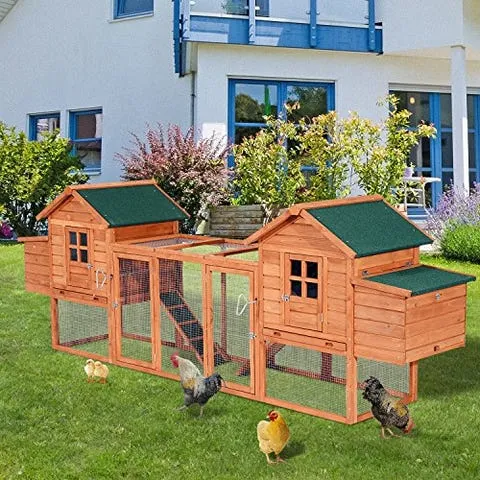
Top 5 Tips Buy Chicken Coop
Buying a chicken coop is an exciting step towards raising your own backyard chickens. Whether you’re a seasoned homesteader or a complete beginner, choosing the right coop is crucial for the health, safety, and happiness of your feathered friends. With so many options available, from pre-built structures to DIY kits, it’s easy to feel overwhelmed. However, by following a few key tips, you can navigate the process with confidence and ensure you make a purchase that perfectly suits your needs. These tips encompass essential considerations such as flock size, coop materials, security features, and overall design. By taking these factors into account, you can make an informed decision and create a comfortable and secure home for your chickens, setting the stage for a rewarding experience with your backyard flock. Remember, a well-chosen coop not only protects your chickens but also enhances your property and provides you with fresh eggs for years to come.
Consider the Size of Your Flock
One of the most fundamental factors to consider when you buy a chicken coop is the size of your flock. The number of chickens you plan to keep directly impacts the coop’s required dimensions. Overcrowding can lead to numerous issues, including increased stress levels in your chickens, the spread of diseases, and behavioral problems like feather pecking. A general guideline is to provide each chicken with a minimum of 4 square feet of space inside the coop and 8-10 square feet in the outdoor run. However, breeds differ in size, so larger breeds like Orpingtons or Brahmas need more space per bird. When estimating space needs, think not only about your current flock but also about potential future growth. It is always a wise decision to build in a little extra space to accommodate additional chickens if your flock expands in the future. Proper space ensures healthy chickens, productive egg laying, and prevents issues associated with overcrowding.
Estimate the Space Your Chickens Need

Estimating the space your chickens need involves considering both indoor and outdoor areas. Inside the coop, adequate space allows chickens to roost comfortably at night and move around freely during inclement weather. A tight space can lead to stress and squabbles, impacting their overall well-being. Outside the coop, a secure run provides a safe environment for chickens to forage, exercise, and enjoy the sunshine. The run should be enclosed with sturdy fencing to protect them from predators. The combination of appropriate indoor and outdoor space creates a balanced and healthy environment for your chickens, promoting their overall health and happiness. By providing the right amount of space, you ensure your flock thrives and produces delicious eggs.
Account for Future Growth
When you buy a chicken coop, account for future growth. Most chicken keepers start with a few chickens and then, get the chicken fever and consider expanding their flock. Therefore, it is crucial to plan ahead and choose a coop size that can accommodate additional chickens. This proactive approach saves the expense and hassle of having to upgrade the coop later. Think about how many chickens you might realistically want in the future and factor that into your initial purchase. If you’re unsure, it’s always better to err on the side of more space rather than less. A slightly larger coop is a sound investment that allows your flock to grow comfortably and ensures your chickens remain healthy and content, allowing for a smoother and more enjoyable chicken-keeping experience down the road.
Choose the Right Coop Material
The material used to build your chicken coop plays a vital role in its durability, insulation, and overall suitability for your chickens. The most common materials are wood and metal, each with its own set of pros and cons. The material you choose affects everything from the coop’s lifespan to the ease of maintenance. Wood coops offer a classic aesthetic and provide good insulation, which helps regulate temperatures. Metal coops, on the other hand, are often more affordable and require less maintenance. They can also be easier to clean. Consider the climate, the level of predator protection needed, and your personal preferences. Making the right choice here helps ensure your coop is a safe, comfortable, and long-lasting home for your chickens.
Evaluate Wood Coops

Wood coops provide a natural look, blend well with the environment, and have great insulation. Wood helps to keep the coop warmer in winter and cooler in summer. This material is relatively easy to modify, allowing you to customize the coop as needed. The natural insulating properties of wood can help to regulate temperatures inside the coop, keeping your chickens comfortable year-round. However, wooden coops require regular maintenance. Wood is susceptible to rot, especially in damp environments, and needs periodic painting or sealing to protect it from the elements. Wooden coops can also be more vulnerable to predator attacks if not constructed with adequate protection. While a wooden coop has a classic look and superior insulating properties, you’ll need to commit to ongoing maintenance to ensure its longevity and keep your chickens safe.
Assess Metal Coops
Metal coops often offer an attractive alternative to wood coops, primarily because of their durability and low-maintenance nature. Metal coops are generally resistant to pests and predators, as they are more difficult to penetrate. They are also very easy to clean. A simple washdown with soap and water is usually sufficient to keep a metal coop tidy. While metal coops are generally cheaper, they can be less effective at temperature regulation, and this may require the use of additional insulation. Metal coops are not as aesthetically pleasing as wooden coops. Evaluate your local climate, your need for ease of maintenance, and your budget before deciding if a metal coop is the right choice. A metal coop might be the perfect choice if you’re looking for a low-maintenance, durable option that protects your chickens from predators.
Think About Coop Features
Beyond the basic structure, several features can enhance the functionality and convenience of your chicken coop. These features can make your life easier and your chickens’ lives more comfortable. Consider the placement of the nesting boxes. They should be in a sheltered, private area to encourage egg-laying. Ensure the coop includes a roosting bar, which provides a comfortable place for your chickens to sleep at night. Consider a removable dropping board under the roosting bars to facilitate easy cleaning. Many coops also incorporate access doors for both you and the chickens. Additional features, such as integrated feeders and waterers, can further streamline coop management. The best features will make your chicken-keeping routine more enjoyable and make your chickens happy.
Prioritize Ventilation

Proper ventilation is critical to the health of your chickens and the overall well-being of your coop. Good ventilation helps to remove moisture, ammonia, and other harmful gases that can accumulate inside the coop. Stale air can lead to respiratory problems, so a well-ventilated coop is essential. Choose a coop with vents that are placed strategically to promote airflow without creating drafts. Good ventilation also helps to regulate temperature. In the summer, it prevents the coop from overheating, while in winter, it helps reduce condensation, which can lead to frostbite. Proper ventilation will maintain healthy chickens and a long-lasting coop.
Ensure Proper Security
Predator protection is a paramount concern when you buy a chicken coop. Chickens are vulnerable to a wide range of predators, including foxes, raccoons, dogs, and birds of prey. Your coop should be constructed with robust materials and secure features to keep your flock safe. This includes strong latches on all doors and windows, hardware cloth rather than chicken wire for the run, and burying the wire mesh at least a foot underground to prevent predators from digging under. Consider adding a predator-proof floor to the coop if you live in an area with a high predator risk. Regular inspections of your coop are essential. Proper security minimizes the risk of losing your chickens. A secure coop provides peace of mind and allows your chickens to thrive in a safe environment.
Select a Coop Style
Chicken coops come in a variety of styles. These styles range from small, portable coops to large, permanent structures. Each design offers different benefits, so select the one that best fits your property and your flock’s needs. Consider the amount of space available in your yard. A-frame coops are popular for their portability and simplicity. Larger coop designs can provide more space for your chickens. If you plan to move your coop around, consider a mobile design. For a more permanent setup, a fixed coop offers greater security and more space. Consider your climate and the level of predator protection needed when you buy a chicken coop. With the right style, you can create a beautiful, functional space for your chickens.
Determine Your Budget

Establishing a budget is a vital step when you buy a chicken coop. Coop prices vary widely depending on size, materials, and features. Set a budget before you start shopping to ensure you don’t overspend. Research different coop options. Compare prices from various retailers and manufacturers. Consider the long-term costs, such as maintenance and any additional supplies. Factor in the cost of any extra features you may want. It’s important to prioritize your needs and make informed decisions about where to allocate your funds. Sticking to your budget keeps your project on track and ensures you get the best value for your money. By establishing a clear budget, you can make a purchase that meets your chickens’ needs and your financial goals.
Buying a chicken coop involves careful consideration of your flock’s needs, your property, and your budget. By focusing on size, materials, features, and security, you can make a selection that keeps your chickens safe, happy, and productive. Whether you are a beginner or an experienced chicken keeper, making informed decisions will make the experience rewarding. Enjoy the process of building or buying your chicken coop, and look forward to the joy of fresh eggs and a thriving flock!