What to Consider Before You Buy a Chicken Coop
Buying a chicken coop is an exciting step towards raising your own chickens. However, before you make a purchase, it’s crucial to consider several factors to ensure you choose the right coop for your needs and your chickens’ well-being. This ultimate guide will walk you through everything you need to know, from assessing your backyard to choosing the perfect coop and keeping it in top shape. Careful planning at the outset will save you time, money, and potential headaches down the road, guaranteeing a happy and healthy environment for your flock.
Your Backyard and Chicken Needs
Before you start browsing for coops, take a good look at your backyard. Evaluate the available space, sunlight exposure, and existing landscaping. Consider the climate in your area, including temperature extremes, rainfall, and wind patterns. Your backyard assessment will play a key role in determining the ideal size, style, and location of your chicken coop. Also, think about the chickens’ needs like a safe shelter from predators, easy access to food and water, and enough space to roam and exhibit their natural behaviors.
Space Requirements for Your Flock

Chickens need adequate space to thrive. Overcrowding can lead to stress, pecking order issues, and increased disease risk. As a general guideline, plan for at least 4 square feet of space per chicken inside the coop and 8-10 square feet per chicken in the run. The run provides essential outdoor space for foraging, dust bathing, and exercise. Remember, more space is always better for the health and happiness of your chickens. Think about the size of your flock. Also consider if you want to expand in the future. A larger coop will provide more flexibility. Proper space ensures that your flock can comfortably move around, roost, and lay eggs.
Local Regulations and Zoning
Before buying or building any coop, check your local ordinances and zoning regulations. Many cities and counties have specific rules regarding chicken ownership, including the maximum number of chickens allowed, required coop setbacks from property lines, and noise restrictions. Failing to comply with these regulations can lead to fines or even the forced removal of your chickens. Contact your local government or homeowners association to find out the specific requirements. Some areas may have restrictions on roosters. Make sure to research these before investing in a coop and chicks.
The Size of Your Chicken Coop
Number of Chickens

The size of your coop is primarily determined by the number of chickens you plan to keep. Start by estimating how many chickens you want to raise. Each chicken needs a minimum of 4 square feet of space inside the coop for roosting, sleeping, and nesting. Consider the breed, as larger breeds might need more space. If you are unsure about the future, it’s often wise to choose a slightly larger coop than you initially think you will need. This allows for potential flock expansion and avoids overcrowding, which is crucial for the health and well-being of your chickens.
Coop Dimensions
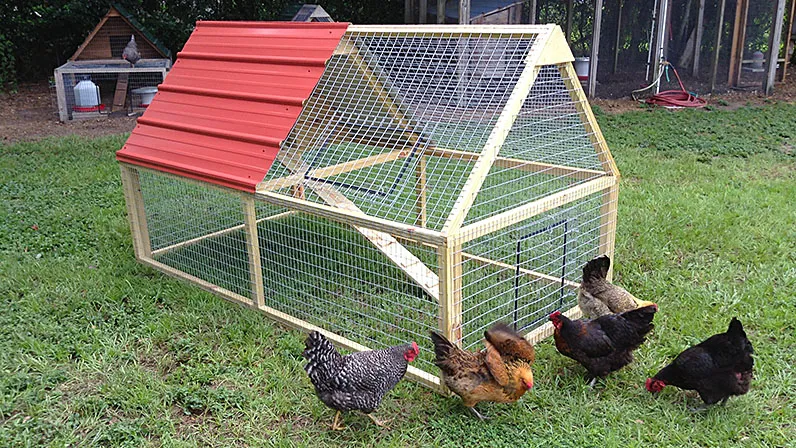
Once you’ve decided on the number of chickens, determine the coop dimensions. Measure the length, width, and height, ensuring there’s enough space for roosting bars, nesting boxes, and easy access for cleaning and maintenance. Ensure the coop is tall enough for you to stand inside comfortably, which will make cleaning and maintenance much easier. Make sure the coop door is wide enough for you to carry supplies and remove waste. Ensure the roof is sloped to shed rain and snow. Consider the run size – this should be at least twice the size of the coop for adequate exercise space.
Essential Features of a Chicken Coop
A well-designed chicken coop should provide safety, comfort, and convenience for both you and your chickens. Consider key features when choosing a coop. Think about your local climate and predator pressure. Quality construction materials and thoughtful design are essential for creating a secure and comfortable home for your chickens. Consider these features to build a chicken-friendly home.
Materials

Wood vs. Metal vs. Plastic
The material of your chicken coop impacts its durability, insulation, and ease of maintenance. Wood coops are classic and attractive, offering good insulation and natural aesthetics. However, they require regular maintenance, like painting or sealing, to protect against the weather and pests. Metal coops, often made of galvanized steel, are durable, easy to clean, and can be resistant to predators. They may not offer as much insulation as wood. Plastic coops are becoming increasingly popular for their ease of cleaning, resistance to pests, and weather resistance. They may not be as visually appealing as wooden coops. Consider your priorities, budget, and climate when choosing the material.
Predator Protection
Protecting your chickens from predators is one of the most important aspects of chicken coop design. Predators like foxes, raccoons, coyotes, and even neighborhood dogs can easily kill chickens. Ensure the coop has secure latches, strong walls, and a sturdy roof to prevent access. Bury hardware cloth around the perimeter of the coop and run to prevent digging predators. Consider installing an automatic coop door that closes at dusk and opens at dawn to protect your chickens from nocturnal predators.
Hardware Cloth vs. Chicken Wire

When it comes to protecting your chickens from predators, the type of wire you use matters. Chicken wire is inexpensive but offers minimal predator protection because predators can easily tear or chew through it. Hardware cloth, which is made of heavier gauge wire and has smaller openings, is much more effective. Hardware cloth is recommended for all vulnerable areas of the coop and run, including the floor and any openings. When building your coop, prioritize the use of hardware cloth to ensure your chickens’ safety.
Ventilation
Proper ventilation is essential for maintaining a healthy environment inside the coop. Good airflow helps to remove moisture, ammonia, and excess heat. Poor ventilation can lead to respiratory illnesses and other health problems. Ensure the coop has vents placed high up to allow for good airflow. Avoid drafts that can chill your chickens. Make sure to protect vents with hardware cloth to prevent predators and pests from entering. Proper ventilation will contribute to a healthier and more comfortable environment for your flock.
Types of Chicken Coops
Chicken coops come in various styles, each with its own advantages and disadvantages. Choosing the right type depends on your needs, budget, and the space available. Consider both pre-built and DIY options.
Pre-built Coops

Pre-built coops offer convenience and can be a good choice for beginners. They come in various sizes and styles, often including essential features like roosting bars, nesting boxes, and predator-resistant hardware. Buying a pre-built coop is much faster than building your own, saving time and effort. However, pre-built coops may not always perfectly match your specific needs or aesthetic preferences. Explore different options to find a pre-built coop that meets your chickens’ needs.
Advantages
- Convenience: Ready to use with minimal assembly.
- Time-saving: No need to build from scratch.
- Variety: Available in various sizes and styles.
- Ease of purchase: Available online or at local stores.
Disadvantages
- Limited customization: May not perfectly fit your space or needs.
- Potentially lower quality: Construction and materials can vary.
- Cost: Often more expensive than DIY options.
- Assembly required: Some assembly may be needed.
DIY Chicken Coops

Building your own chicken coop gives you complete control over the design, materials, and features. This allows you to create a custom coop perfectly suited to your specific needs and preferences. Building a coop from scratch can be a rewarding project for those who enjoy woodworking and DIY projects. DIY coops can also be cost-effective. The process will require planning, time, and some level of carpentry skills. There are many online resources and plans available to guide you through the process.
Advantages
- Customization: Design a coop tailored to your specific needs.
- Cost savings: Potentially less expensive than pre-built options.
- Quality control: Choose materials and construction methods.
- Personal satisfaction: Enjoy the reward of building something yourself.
Disadvantages
- Time-consuming: Requires significant time and effort.
- Requires skills: Woodworking skills are helpful.
- Material costs: May be difficult to estimate.
- Potential for mistakes: Requires careful planning and execution.
Where to Buy a Chicken Coop
Once you’ve decided what you need, it’s time to find the perfect coop. Several options are available, from online retailers to local stores.
Online Retailers
Online retailers offer a wide selection of chicken coops at competitive prices. Look for reputable online stores with good customer reviews and return policies. Carefully review product descriptions, specifications, and warranty information before making a purchase. Compare prices, shipping costs, and assembly instructions. Consider the convenience of online shopping and home delivery.
Local Farm Supply Stores
Local farm supply stores offer the advantage of allowing you to see the coops in person, inspect the quality, and ask questions. Local stores often have knowledgeable staff who can offer valuable advice and recommendations. You may be able to avoid shipping costs. Consider supporting local businesses and building relationships with local suppliers. Farm supply stores offer great support and can help you through the process of buying and maintaining a chicken coop.
Tips for Buying a Chicken Coop
Before you purchase a coop, consider these tips.
Budgeting
Set a realistic budget before you start shopping. Costs can vary depending on the size, materials, and features of the coop. Consider not only the initial purchase price but also the ongoing costs of maintenance, bedding, and supplies. Factor in delivery fees, assembly costs, and any additional hardware or materials you may need. Sticking to a budget will help you narrow down your choices and make a financially sound decision.
Reading Reviews
Always read customer reviews before making a purchase. Reviews can provide valuable insights into the quality, durability, and ease of assembly of a coop. Look for reviews that mention predator protection, ventilation, and ease of cleaning. Pay attention to any recurring issues or common complaints. Reviews can help you assess the product’s reliability and identify any potential problems. Use reviews as a valuable tool for gathering information and making informed decisions.
Delivery and Assembly
Consider the delivery and assembly process. Some coops may require professional assembly or a team effort. Ensure you have the space and resources to receive and assemble the coop. Check the shipping costs and delivery times. Be prepared to set aside time for assembly. If assembly is required, review the instructions beforehand to ensure you have the necessary tools and skills. Choose a coop that suits your needs and skills for a smoother experience.
Maintaining Your Chicken Coop
Once you’ve bought your coop, regular maintenance is key to ensuring the health and happiness of your chickens. Regular cleaning and upkeep are essential to prevent disease, reduce odors, and extend the lifespan of your coop.
Regularly remove droppings, replace bedding, and clean nesting boxes to prevent the buildup of ammonia and bacteria. Perform a thorough cleaning of the entire coop at least once a month, including scrubbing the walls, floors, and roosting bars. Inspect the coop regularly for any signs of damage, such as broken latches or holes. Make necessary repairs promptly to prevent predator access. Proper maintenance will contribute to a healthy and happy flock, giving you years of enjoyment.
Buying a chicken coop is a significant step toward raising chickens. By considering your needs, researching your options, and following these guidelines, you can choose a coop that provides a safe, comfortable, and healthy environment for your flock. Enjoy the rewarding experience of raising your own chickens and the fresh eggs that come with it!