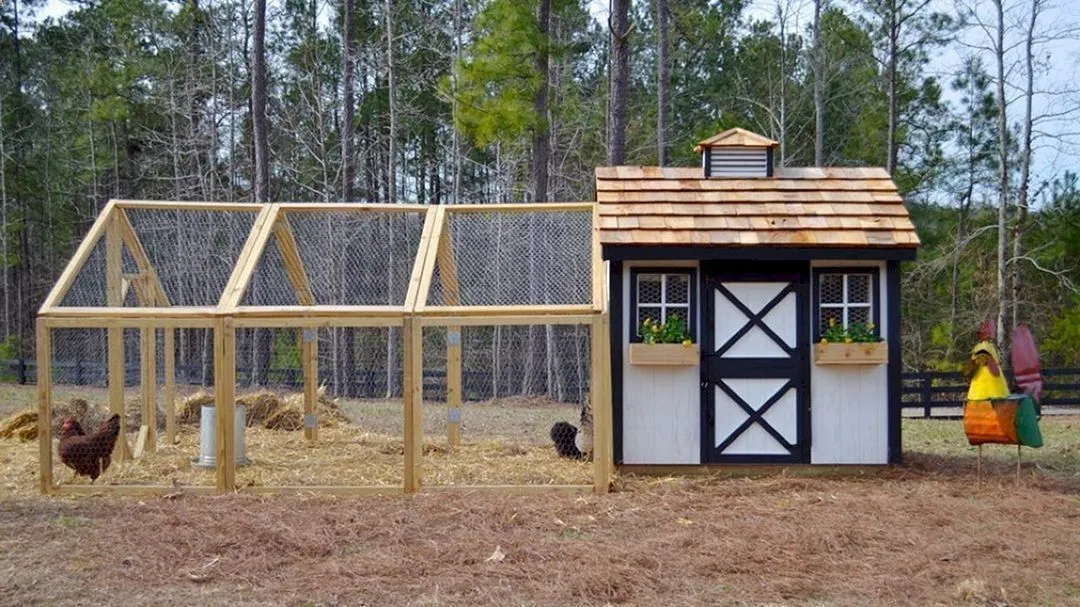
Why Build a Cheap Chicken Coop?
Raising chickens in your backyard is a rewarding experience, providing fresh eggs and the joy of observing these feathered friends. However, the initial investment in a chicken coop can sometimes be a barrier. This is where the beauty of cheap chicken coop ideas comes in. Building your own coop not only saves you money but also allows you to customize the structure to fit your specific needs, available space, and aesthetic preferences. Furthermore, constructing a coop can be a fun and educational DIY project, teaching valuable skills and offering a sense of accomplishment. By choosing cost-effective methods and materials, you can create a comfortable and secure home for your chickens without breaking the bank. Let’s explore the many reasons why building a cheap chicken coop is a smart choice.
Benefits of building your own coop
One of the primary advantages of building your own chicken coop is the significant cost savings. Pre-built coops can be expensive, especially those made from high-quality materials. DIY projects allow you to control expenses by selecting affordable materials, repurposing items, and potentially reducing labor costs if you do the work yourself. Additionally, building your own coop gives you complete control over the design. You can tailor the size, shape, and features to suit your flock’s size, your backyard’s dimensions, and your personal style. You can also incorporate features that are specific to your climate or the needs of your chickens, such as improved ventilation or predator-resistant construction. DIY coops also provide an opportunity to use sustainable practices by incorporating recycled or reclaimed materials, reducing your environmental footprint.
Cost savings and budget considerations

When planning your cheap chicken coop, setting a budget is crucial. Determine how much you can realistically spend on the project before you start. Research various materials and their costs to identify the most affordable options. Consider repurposing materials like pallets, old sheds, or scrap lumber to reduce expenses. Prioritize essential features like secure walls, a roosting bar, and nesting boxes, while deferring non-essential upgrades. Compare the cost of building versus buying a coop, keeping in mind that the long-term savings from building your own often outweigh the initial time investment. Look for sales and discounts at local hardware stores or online retailers, and explore free resources such as online plans and tutorials to further minimize costs. Remember that even small design changes, such as using less expensive roofing materials, can make a significant difference in the overall budget.
Top 7 Cheap Chicken Coop Ideas
Building a chicken coop doesn’t have to be an expensive undertaking. There are numerous creative and budget-friendly options available for housing your chickens. Here are seven fantastic ideas to inspire your own project. These coops focus on affordability and ease of construction without compromising the safety and comfort of your flock. With a little ingenuity and some DIY spirit, you can create a fantastic chicken habitat without emptying your wallet.
Repurposed Shed Coop
Repurposing an old shed is a fantastic way to create a spacious and sturdy chicken coop at a fraction of the cost. This method involves converting an existing shed into a chicken-friendly environment. It is usually more affordable than buying a new coop because you are utilizing an existing structure. This idea is a great way to add functionality to an underutilized space and provide ample room for your chickens to roam and roost. Before beginning, thoroughly clean and sanitize the shed, removing any mold, mildew, or unwanted debris. Reinforce the existing structure as needed, ensuring it is weather-resistant and predator-proof. Add windows or vents for ventilation, and install roosting bars and nesting boxes. Secure the door and add hardware cloth to windows and vents to prevent predators from entering.
Materials Needed

- Old shed
- Lumber for reinforcement and modifications
- Hardware cloth or wire mesh
- Screws, nails, and other fasteners
- Paint or sealant (optional)
- Roosting bars and nesting box materials
- Door hinges and latches
Building Process
- Clean and sanitize the shed interior
- Reinforce the shed structure
- Add ventilation by cutting openings and covering them with hardware cloth
- Install roosting bars and nesting boxes
- Secure the door and windows against predators
- Paint or seal the wood for weather protection (optional)
Pallet Chicken Coop
Pallet chicken coops are a remarkably budget-friendly option, perfect for those who are handy and have access to used pallets. Pallets are often available for free or at a low cost from local businesses. This coop design leverages the existing structure of the pallets to create walls and sometimes even the roof. The result is a rustic and functional coop that requires minimal material purchases. It’s important to ensure that the pallets are heat-treated (marked with an HT stamp) and not chemically treated (marked with an MB stamp) to avoid exposing your chickens to harmful substances. Pallets are also relatively easy to work with, as they are already cut to standard sizes, which can save on construction time and effort.
Sourcing Pallets

- Check local businesses, such as hardware stores, grocery stores, and construction sites
- Use online marketplaces like Craigslist or Facebook Marketplace
- Look for heat-treated pallets (HT stamp) and avoid those with an MB stamp
- Clean and inspect the pallets before use
Coop Construction
- Disassemble pallets and remove any protruding nails or staples
- Build the coop frame using pallet boards as the walls
- Add a roof using additional pallet boards or other roofing materials
- Install hardware cloth on windows and vents for ventilation and predator protection
- Add a door with a secure latch
- Construct nesting boxes and roosting bars inside the coop
Hoop Coop
Hoop coops are an economical and lightweight solution for providing mobile housing for chickens. They are essentially a covered run, constructed using flexible hoops, usually made of PVC pipes or metal conduit, and covered with a durable material like tarps or shade cloth. This type of coop is ideal for providing chickens with access to fresh pasture and can be easily moved around your yard. This design offers great versatility and is relatively inexpensive to build. It can also be an excellent choice if you have limited space or want to manage your chickens’ access to specific areas of your yard. These coops are particularly effective in preventing soil erosion and providing natural fertilization in different locations, which helps keep your chickens healthy and happy.
Materials and Tools

- PVC pipes or metal conduit
- Tarps or shade cloth
- Zip ties or clips
- Hardware cloth or wire mesh
- Screws and fasteners
- Drill, saw, and measuring tape
Assembly Guide
- Bend the PVC pipes or conduit to form hoops
- Secure the hoops together with connectors
- Cover the hoops with a tarp or shade cloth
- Attach hardware cloth to the ends for ventilation and predator protection
- Add a door or access point for the chickens
PVC Chicken Coop
PVC chicken coops offer a durable and weather-resistant option at a moderate price. They are constructed using PVC pipes and fittings, creating a lightweight yet sturdy frame. This method is especially attractive to beginners because of the ease of assembly and the availability of plans and tutorials online. PVC coops are resistant to rust, rot, and pests, making them a low-maintenance choice. They also provide flexibility in design and can be easily customized to your specific needs. This approach can be an excellent choice for those seeking a practical and long-lasting coop that will protect your chickens from the elements. PVC coops are also relatively easy to clean and sanitize, contributing to better overall hygiene for your flock.
Design and Dimensions

- Plan the size and shape of your coop based on the number of chickens you have
- Use online plans and tutorials to guide your design
- Consider the height and width for comfortable chicken movement
- Ensure adequate ventilation and sunlight
Construction Steps
- Cut PVC pipes to the desired lengths
- Assemble the frame using PVC connectors
- Cover the frame with hardware cloth or wire mesh for walls and roof
- Create access points for the chickens
- Add nesting boxes and roosting bars inside the coop
Temporary Chicken Coop
A temporary chicken coop is a flexible and cost-effective solution, suitable for short-term housing or for situations where you need a mobile coop. This option can be as simple as a repurposed dog kennel or a modified outdoor playpen. Temporary coops are typically easy to set up, disassemble, and move around, making them ideal for rotational grazing or for providing shelter during specific seasons. This flexibility makes them a great choice for beginners or for those who are not yet ready to commit to a permanent structure. The main focus is on ease of setup, portability, and basic protection from the elements and predators. Ensuring adequate ventilation and protection from the sun and rain is important.
Materials and setup

- Dog kennels or outdoor playpens
- Hardware cloth or wire mesh for the sides
- Tarp or shade cloth for the roof
- Zip ties or clips for securing materials
- Water and food containers
Maintenance and upkeep
- Regularly clean the coop and remove droppings
- Provide fresh food and water daily
- Inspect the coop for any damage or wear and tear
- Adjust the location as needed for rotational grazing
Considerations Before Starting
Before you start building your chicken coop, it is vital to consider several important factors to ensure a successful and compliant project. From local regulations to the specific needs of your chickens, careful planning upfront can save you time, money, and potential headaches down the line. The goal is to create a coop that not only meets your budget but also keeps your chickens safe, healthy, and happy. Taking the time to plan thoroughly and address these aspects will set you up for success and ensure a positive experience for both you and your flock.
Local Regulations and Zoning
Before you begin construction, research your local regulations and zoning laws regarding chicken coops. Many cities and towns have ordinances that dictate the size, location, and construction of coops. These regulations may include restrictions on the number of chickens you can keep, required setbacks from property lines, and specific building codes. Ignoring these regulations can lead to fines or the need to modify or remove your coop. Contact your local government or planning department to obtain the necessary permits and ensure your coop meets all requirements. Adhering to these rules helps maintain community harmony and protects your right to raise chickens.
Chicken Breed and Space Requirements
Different chicken breeds have varying space requirements. Larger breeds need more room to move around than smaller ones. Consider the size of the breed you plan to raise when determining the coop’s dimensions. As a general rule, provide at least 4 square feet of space per chicken inside the coop and 8-10 square feet per chicken in the run (the enclosed outdoor area). Overcrowding can lead to stress, feather pecking, and other health issues. Therefore, plan your coop size to accommodate the number of chickens you intend to keep, with enough space for them to move freely and comfortably. Choose a breed that suits your climate and space availability to ensure the well-being of your flock.
Safety and Security
Safety and security are paramount when designing and building a chicken coop. Your coop should protect your chickens from predators, such as foxes, raccoons, and hawks. Use sturdy materials, such as hardware cloth (instead of chicken wire) for the walls and roof, to prevent predators from gaining entry. Ensure that all doors and latches are secure and difficult for predators to open. Bury the hardware cloth around the perimeter of the coop at least 12 inches deep to prevent digging. Provide a secure run to allow chickens to safely roam outdoors during the day. Regularly inspect the coop for any signs of damage or breaches in security and make repairs promptly. These precautions will keep your chickens safe and give you peace of mind.
Predator Proofing
Predator-proofing is a critical element of building a successful chicken coop. Predators are a constant threat to your chickens. Protect your flock from potential attacks. Use heavy-duty hardware cloth, not chicken wire, for all openings and the run. Bury the hardware cloth at least a foot deep around the perimeter of the coop to prevent digging predators from entering. Ensure the coop is elevated off the ground or has a solid floor to prevent entry from below. Secure all doors and latches with strong, predator-proof mechanisms. Consider adding features such as a fully enclosed run, an automatic coop door, or electric fencing for extra protection. By implementing these measures, you can significantly reduce the risk of predator attacks and keep your chickens safe.
Conclusion
Building a cheap chicken coop is an achievable and rewarding project that provides numerous benefits. From cost savings and customization to the joy of raising chickens, creating your own coop is a fulfilling endeavor. By considering various budget-friendly ideas, such as repurposed shed coops, pallet coops, hoop coops, PVC coops, and temporary setups, you can find a solution that fits your needs and resources. Remember to prioritize local regulations, breed-specific space requirements, and predator-proofing to ensure the safety and well-being of your flock. With careful planning, smart choices, and a little DIY spirit, you can create a functional, secure, and affordable chicken coop that will bring you years of enjoyment and fresh eggs.