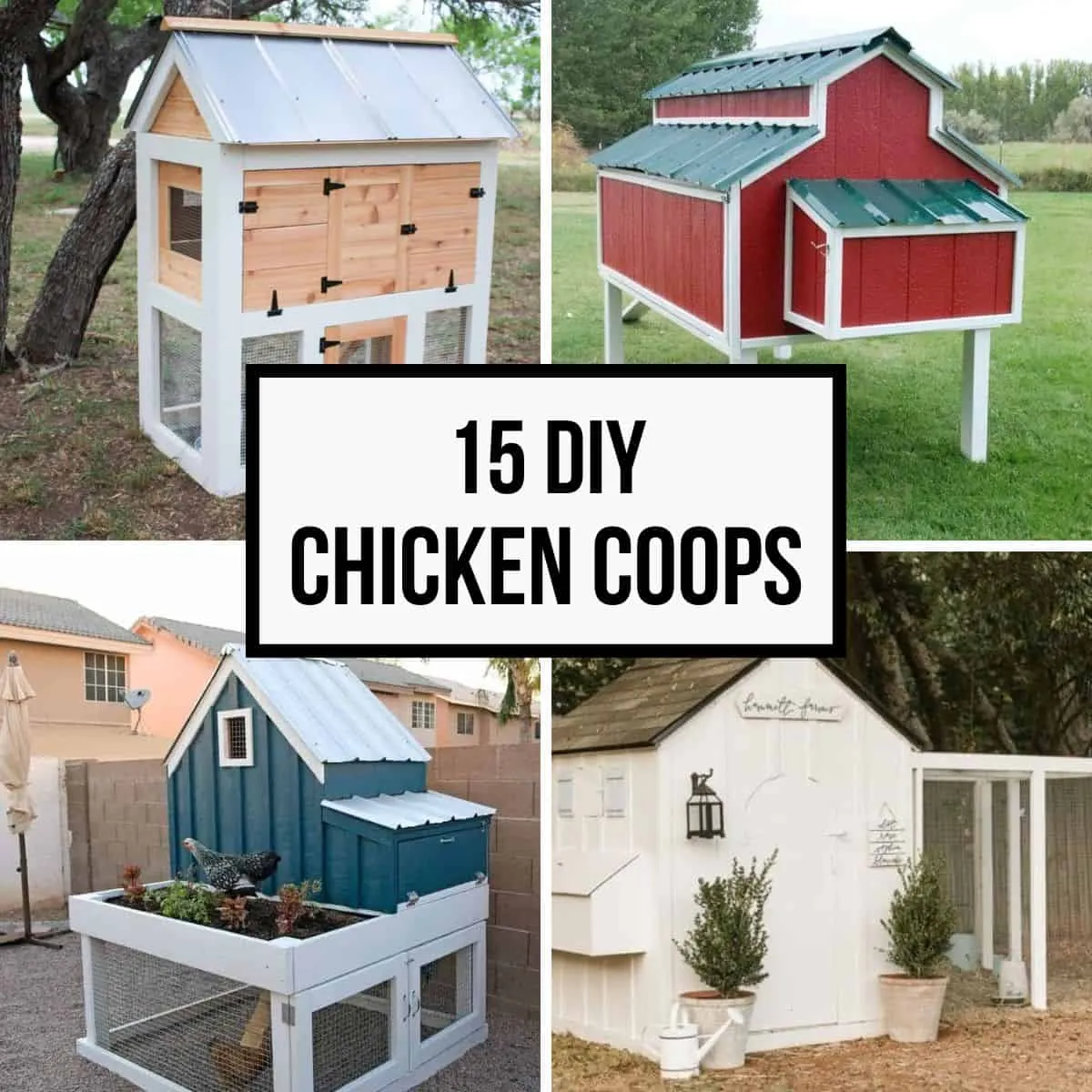
Why Build a Cheap DIY Chicken Coop?
Embarking on the journey of building a cheap DIY chicken coop is a rewarding experience, offering numerous advantages over purchasing pre-made coops. The primary reason to consider this path is the significant cost savings. Building your own coop allows you to control expenses, often resulting in a much more affordable structure than buying a commercial one. Additionally, a DIY project gives you the flexibility to customize the coop to your specific needs and the space you have available. This means you can design a coop that perfectly suits your flock’s size and the layout of your backyard, maximizing space and functionality. This approach also fosters a sense of accomplishment and allows you to learn new skills, making the process both practical and enjoyable. Furthermore, DIY coops promote sustainability by allowing the use of recycled or repurposed materials, reducing waste and minimizing your environmental footprint. Building a cheap DIY chicken coop is not just about saving money; it’s about creating a personalized, functional, and environmentally friendly space for your chickens.
Benefits of a DIY Chicken Coop
The benefits of constructing your own cheap DIY chicken coop extend far beyond financial savings. Customization is a key advantage; you can tailor the coop’s dimensions, design, and features to perfectly match your backyard’s dimensions and your chickens’ specific requirements. This personalization enhances the chickens’ comfort and safety. Moreover, building a coop yourself allows you to ensure the use of high-quality, non-toxic materials, which is crucial for the health of your flock. You have complete control over the construction process, guaranteeing the coop’s structural integrity and longevity. Another significant benefit is the educational aspect; building a coop is a hands-on learning experience that can be immensely satisfying. It provides an opportunity to learn new skills, from basic carpentry to understanding animal housing needs. This knowledge not only enriches your personal capabilities but also allows you to make informed decisions about your chickens’ care. In essence, a DIY approach gives you autonomy, control, and the satisfaction of creating something practical and beneficial for both you and your chickens. (Image: cheap-diy-chicken-coop-design.webp)
Cost-Effective Design

Creating a cost-effective design is paramount when building a cheap DIY chicken coop. Begin by carefully planning the size of your coop based on the number of chickens you intend to house, allowing for adequate space per bird to avoid overcrowding. Simple, rectangular designs are generally the most budget-friendly, as they require less material and labor. Consider using readily available and inexpensive materials, such as reclaimed wood, pallets, or inexpensive lumber from your local hardware store. Prioritize reusing materials whenever possible, which significantly reduces expenses. For example, you can repurpose old windows for ventilation or doors. When purchasing new materials, compare prices from different suppliers and look for sales or discounts. Minimize unnecessary features and embellishments; focus on the essentials: a secure structure, proper ventilation, adequate nesting boxes, and a safe run area. A well-planned, minimalist design often meets all the chickens’ needs while keeping costs down. By choosing simple designs and materials, the project turns into something sustainable (Image: diy-chicken-coop-materials.webp).
Easy Maintenance
Designing a cheap DIY chicken coop with easy maintenance in mind is crucial for long-term convenience and hygiene. Choose materials that are easy to clean and resistant to weather and pests. Smooth, non-porous surfaces are ideal, as they prevent dirt and bacteria from accumulating and are simple to wipe down. A sloped roof helps with water runoff and keeps the coop dry. Include features that facilitate cleaning, such as removable roosting bars, easily accessible nesting boxes, and a large door for easy entry. Consider incorporating a removable floor or a drop-down tray for collecting manure, simplifying waste removal. Adequate ventilation is also essential for maintaining a healthy environment; design your coop with vents that allow air circulation but prevent drafts. Implementing these features not only makes the maintenance process less time-consuming but also ensures a cleaner, healthier living space for your chickens, which reduces the risk of disease and promotes their overall well-being. Easy maintenance equates to more time enjoying your flock (Image: chicken-coop-cleaning.webp).
Planning Your Cheap DIY Chicken Coop
Thorough planning is the foundation of any successful cheap DIY chicken coop project. Start by researching various coop designs and selecting one that aligns with your budget, the size of your flock, and the available space in your yard. Make a detailed sketch or drawing of your coop, including dimensions, materials, and all the features you plan to incorporate. Creating a materials list is critical; this should include every item you’ll need, from lumber and hardware to roofing materials and wire mesh. This list helps you estimate costs accurately and ensures you don’t forget essential supplies. Before you begin construction, check local regulations regarding chicken keeping and coop size restrictions. Proper planning also involves considering the site; ensure the coop is located in a level, well-drained area that provides adequate protection from the elements. Planning is a time investment that will save you money, frustration, and ensures you have the chicken coop that you desire. (Image: diy-chicken-coop-materials.webp)
Determine Your Chicken Needs

Understanding your chickens’ needs is the starting point for designing an effective cheap DIY chicken coop. Consider the number of chickens you intend to house, as this will determine the size of the coop and run. Each chicken requires a certain amount of space inside the coop and in the run to avoid overcrowding and to ensure their comfort and well-being. Factor in the breed of chicken you plan to keep, as different breeds have different space requirements and temperaments. Ensure you provide adequate shelter from the elements, including protection from wind, rain, and extreme temperatures. Chickens need a dry, clean environment to stay healthy. Consider the need for nesting boxes, roosting bars, and access to food and water within the coop. Providing a secure run area is also essential for allowing your chickens to forage and exercise safely. By carefully considering these factors, you can create a coop that meets your chickens’ physical and behavioral needs, leading to a happier and healthier flock.
Choose the Right Location
Selecting the appropriate location for your cheap DIY chicken coop is crucial for the health and safety of your chickens. Choose a spot that offers a balance of sun and shade, protecting the chickens from excessive heat in summer while providing warmth in winter. The area should be level and well-drained to prevent water from accumulating, which can lead to moisture-related issues and health problems. Consider the prevailing winds and position the coop to provide protection from strong gusts, as this will improve comfort and safety. Proximity to your home is a consideration; a location that is easily accessible makes it easier to care for your chickens daily. However, ensure the coop is far enough from your house to prevent noise or odor issues. Consider predator threats in your area and locate the coop in a secure area. Think about the future too; plan for expansion if you intend to increase your flock size. A well-chosen location can ensure the chicken’s safety, and enhance your convenience.
Gather Your DIY Chicken Coop Materials
Gathering the right materials is a crucial step in building a cheap DIY chicken coop. Start by creating a detailed list of all the necessary items, including lumber, hardware, roofing materials, wire mesh, and any other components needed for your chosen design. When selecting materials, look for cost-effective options without sacrificing quality. Reclaimed wood or pallets can be an excellent source for the coop’s frame and walls; these materials are often available at low or no cost. Choose durable, weather-resistant lumber that is safe for chickens and can withstand the elements. For the roof, consider using inexpensive options like corrugated metal or asphalt shingles. Wire mesh for the run should be strong enough to deter predators, but not so expensive it breaks the budget. Don’t forget to account for nails, screws, hinges, latches, and any paint or sealant needed for finishing the coop. Shopping around and comparing prices at different hardware stores can help you secure the best deals on the necessary materials. Careful and strategic material gathering saves money (Image: diy-chicken-coop-materials.webp).
Essential Materials Checklist

Creating a comprehensive materials checklist is key to ensuring your cheap DIY chicken coop project goes smoothly. The checklist should include the following essential categories: Lumber: specify the type (e.g., pine, cedar), dimensions, and quantity required for framing, walls, roof supports, and any other structural elements. Hardware: this includes nails, screws, bolts, hinges, latches, and any specialized fasteners needed for your coop design. Roofing materials: include the type of roofing (e.g., asphalt shingles, corrugated metal), underlayment, and any flashing or sealant necessary to make the roof waterproof. Wire mesh: specify the gauge and type of wire mesh needed for the run, as well as any hardware cloth needed for windows or ventilation. Nesting boxes materials: if you are building the nesting boxes from scratch, include lumber, nails, and any other necessary supplies. Paint, stain, or sealant: include any products needed to protect the wood from the elements and enhance the coop’s appearance. The essential tools used will depend on how you choose to construct your coop. Refer to the next section for further information.
Tools You’ll Need
Having the right tools is essential for building a cheap DIY chicken coop efficiently and safely. The basic tools you’ll need include a measuring tape for accurate measurements, a level to ensure your structure is straight, a saw (circular saw, hand saw, or jigsaw) for cutting lumber to the correct size, a drill and screwdriver for assembling the frame and attaching hardware, and a hammer and nails for securing the structure. A staple gun can be useful for attaching wire mesh to the run and for other applications. Safety equipment such as safety glasses, work gloves, and a dust mask are also a must-have to protect yourself during construction. Depending on your design, you may also need tools like a post-hole digger for setting posts, a sander to smooth rough edges, and a paint brush or roller to apply paint or sealant. Organizing your tools and keeping them within reach helps maintain workflow and a safe working environment.
Building the Coop Structure
The process of building the coop structure forms the core of your DIY project. Begin by carefully following the plans you have chosen or designed, ensuring all measurements are precise. Start with the base frame and ensure it is level and square; this will ensure the rest of the structure is sound. Construct the walls, attaching the framing members securely. For cost-effectiveness, consider using simple framing techniques and readily available lumber. Once the walls are up, move on to constructing the roof. This can be a simple sloped or A-frame design, depending on your preferences and the materials you’re using. Ensure the roof is properly sealed to prevent water leaks and provide protection from the elements. Pay attention to details such as the placement of doors, windows, and ventilation openings. Ensuring each step is secure and accurately aligned will result in a durable, long-lasting chicken coop that provides a safe haven for your birds (Image: chicken-coop-framing.webp).
Framing the Walls

Framing the walls is a critical step in building a cheap DIY chicken coop; it provides the structural support for the entire structure. Start by cutting the lumber to the exact lengths specified in your plans. Precise measurements are crucial for ensuring the walls are square and sturdy. Assemble the wall frames on a flat, level surface, using nails or screws to join the studs, top plates, and bottom plates. Consider using corner braces for added stability, especially if you are using reclaimed materials. Once the frames are assembled, raise them into position and secure them to the base frame of the coop. Ensure the walls are plumb (perfectly vertical) using a level. Secure the walls to each other at the corners and add any necessary bracing to prevent racking (sideways movement). Choose framing lumber that is straight, free of knots, and treated to resist rot and insect damage. This step is a crucial investment to provide a safe environment for your chickens. (Image: chicken-coop-framing.webp)
Constructing the Roof
Constructing the roof is essential for protecting your chickens from the elements and ensuring the coop’s longevity. The roof design should be simple and cost-effective, a sloped or A-frame style is often ideal. Frame the roof using rafters and a ridge beam or purlins, ensuring they are securely attached to the walls. Cover the roof frame with sheathing, such as plywood or oriented strand board (OSB). Install the roofing material, such as asphalt shingles, corrugated metal, or cedar shakes, following the manufacturer’s instructions. Properly overlap the roofing materials to prevent water from penetrating. Add flashing around the edges of the roof, and any chimneys or vents to prevent leaks. A well-constructed roof not only protects your chickens from rain, sun, and wind, but it can also add aesthetic appeal to your coop. Pay attention to proper ventilation, as the roof design can impact the circulation of air inside the coop (Image: chicken-coop-roof.webp).
Adding Doors and Windows
Adding doors and windows to your cheap DIY chicken coop is essential for providing access, ventilation, and natural light. When installing doors, choose a size and design that allows you to easily enter the coop for cleaning and collecting eggs. The door should open and close smoothly and securely, with a latch that prevents predators from entering. Consider installing a ramp or step to help your chickens access the coop. Windows provide ventilation and allow natural light to enter the coop, which is important for the chickens’ health and well-being. Choose windows that are safe for chickens, with wire mesh or hardware cloth to prevent them from escaping or predators from entering. Ensure the windows can be opened and closed for ventilation control. Position the doors and windows in strategic locations to optimize airflow and to make it easier to collect eggs. (Image: chicken-coop-framing.webp)
Creating the Chicken Run

Creating a safe and secure chicken run is an integral part of your cheap DIY chicken coop project, providing your chickens with space to roam and forage. Start by determining the size of the run, ensuring it’s large enough to accommodate your flock. Construct the run using sturdy posts, set securely into the ground, at regular intervals. Attach wire mesh or hardware cloth to the posts, extending it down into the ground to prevent digging predators. Consider burying the mesh a few inches below the surface, and bending the bottom outward, to create a “skirt” that further deters digging. Ensure the mesh is tightly secured to the posts and any other supporting structures. Build a roof over the run using wire mesh or solid roofing materials, to protect your chickens from aerial predators. Include a door in the run for easy access. A well-constructed chicken run offers protection and enhances your chickens’ quality of life (Image: chicken-run-design.webp).
Securing the Run
Securing the chicken run is a crucial step for protecting your chickens from predators, ensuring their safety, and your peace of mind. The run must be constructed to withstand the attempts of various predators, including raccoons, foxes, dogs, and birds of prey. The wire mesh or hardware cloth used to construct the run should be sturdy and properly attached to the posts, without any gaps where predators could enter. Bury the wire mesh or hardware cloth at least 12 inches into the ground, and bending the bottom outward, to create a barrier against digging predators. The roof of the run should be covered with secure wire mesh or solid materials to prevent aerial attacks. Make sure that all gates and doors in the run are securely latched, preventing predators from gaining access. Regularly inspect the run for any signs of damage or wear, and make repairs immediately to maintain its integrity. (Image: chicken-run-design.webp)
Providing Shade and Shelter
Providing shade and shelter within the chicken run is essential for the comfort and well-being of your chickens, especially during hot or inclement weather. Include shaded areas within the run, using shade cloth, tarps, or natural shade provided by trees or shrubs. These shaded areas protect your chickens from excessive sun exposure, which can cause heat stress. Provide shelter from the elements, such as rain, snow, and wind. You can do this by incorporating a covered area into the run design, or by providing access to the coop during the day. Ensure the run is well-ventilated to prevent the build-up of moisture and to promote air circulation. Having access to shade and shelter will help your chickens maintain their health and enjoy their environment regardless of the weather conditions.
Interior Features for Your Chickens

Designing the interior of your cheap DIY chicken coop with the chickens’ needs in mind is critical for their comfort, health, and productivity. Essential features include nesting boxes, perches, and a feeding and watering system. Nesting boxes provide a safe and comfortable place for hens to lay their eggs. Perches allow chickens to roost at night, which is natural for their sleeping behavior. The feeding and watering system should be easy to access, clean, and prevent contamination. Consider placing feeders and waterers in a location that is sheltered from the elements and where they won’t be easily tipped over. Make sure all interior surfaces are smooth and easy to clean to maintain good hygiene. By incorporating these essential features, you create an environment that supports the well-being and natural behaviors of your chickens (Image: chicken-coop-nesting-boxes.webp).
Nesting Boxes
Creating comfortable and functional nesting boxes is a key part of designing a cheap DIY chicken coop. Nesting boxes provide hens with a safe and private space to lay their eggs, reducing the risk of eggs being broken or scattered. The number of nesting boxes you will need depends on the size of your flock; a general rule is one nesting box for every 3-4 hens. Build the nesting boxes from smooth, durable materials that are easy to clean, such as plywood or repurposed wood. They should be large enough for the chickens to comfortably enter and turn around, typically around 12x12 inches. Provide a small lip or ledge at the entrance to prevent eggs from rolling out. Place the nesting boxes in a dark, quiet location within the coop, away from direct sunlight and drafts. Line the boxes with soft, clean bedding materials such as straw, wood shavings, or shredded paper, which will help to keep the eggs clean and cushion them from breaking. (Image: chicken-coop-nesting-boxes.webp)
Perches
Installing perches in your cheap DIY chicken coop is essential for your chickens’ well-being, as they naturally roost at night. Perches allow chickens to sleep elevated off the ground, providing a sense of security and helping them to conserve heat. Choose perch materials that are comfortable for chickens to grip, such as wooden dowels or branches, about 2 inches in diameter. Place the perches at a height that allows the chickens to easily access them. Avoid placing perches directly above the nesting boxes or feeders to prevent them from being soiled with droppings. Ensure that the perches are sturdy and securely attached to the coop structure, able to support the weight of the chickens. Consider providing a slightly wider perch for larger breeds, and place the perches far enough apart to prevent crowding. (Image: chicken-coop-framing.webp)
Feeding and Watering Systems

Setting up efficient feeding and watering systems in your cheap DIY chicken coop is fundamental to the health and productivity of your flock. Choose feeders and waterers that are appropriate for the size and number of chickens you have, and that are easy to access, clean, and refill. Opt for feeders that minimize feed waste; a hanging feeder or a trough-style feeder with a lip can help reduce spillage. Provide fresh, clean water at all times, using waterers that are protected from contamination, such as a nipple waterer or a covered water trough. Place the feeders and waterers in a location that is easily accessible to the chickens. However, keep them away from areas where they are likely to be soiled with droppings. Clean the feeders and waterers regularly to prevent the build-up of bacteria and to maintain hygiene. (Image: chicken-coop-feeding-system.webp)
Maintaining Your Cheap DIY Chicken Coop
Regular maintenance is essential to keep your cheap DIY chicken coop in good condition and to maintain the health and well-being of your chickens. This includes routine cleaning, sanitation, and inspections to identify and address any issues. A well-maintained coop will be more durable, more secure, and will provide a healthier living environment for your chickens. Implement a regular cleaning schedule, which includes removing droppings, cleaning the nesting boxes, and replacing soiled bedding. Disinfect the coop regularly to prevent the spread of diseases. Regularly inspect the coop for any signs of damage, such as cracks, loose boards, or wear. Perform necessary repairs to maintain the integrity of the structure and to prevent potential problems. By staying proactive with maintenance, you can ensure that your coop provides a safe, comfortable, and hygienic environment for your chickens for years to come (Image: chicken-coop-cleaning.webp).
Cleaning and Sanitation
Cleaning and sanitation are vital for maintaining a healthy environment within your cheap DIY chicken coop, and it helps prevent the spread of diseases and promotes the overall well-being of your chickens. Remove droppings from the coop regularly, ideally daily or every other day, using a scoop or shovel. Clean the nesting boxes frequently, replacing soiled bedding materials with fresh, clean ones. Perform a thorough cleaning of the entire coop at least once a month, or more often if necessary. This involves removing all bedding, washing the coop with a solution of soap and water, and disinfecting it with a poultry-safe disinfectant. Ensure the coop is completely dry before adding fresh bedding and allowing the chickens to return. Regular cleaning and sanitation are key to maintaining a clean and hygienic environment.
Protecting Against Predators
Protecting your chickens from predators is a crucial aspect of maintaining a safe and secure cheap DIY chicken coop, and it requires a proactive and multifaceted approach. Secure the coop and run to prevent predators from gaining entry. Ensure the coop is constructed with sturdy materials, such as wire mesh or hardware cloth, and that all doors and latches are secure. Regularly inspect the coop and run for any signs of damage or weakness. Install predator deterrents around the coop, such as motion-activated lights, electric fencing, or guard animals. Modify the landscape around the coop to reduce cover for predators. Avoid feeding your chickens outside the run, as this can attract predators. Be vigilant and regularly check the coop, especially at dawn and dusk, when predators are most active. By implementing these strategies, you can greatly reduce the risk of predator attacks and provide a safe environment for your chickens.
Final Thoughts
Building a cheap DIY chicken coop is a rewarding project that offers numerous benefits, from cost savings and customization to the satisfaction of creating something with your own hands. By carefully planning your design, gathering the right materials, and following these steps, you can build a functional and attractive coop that provides a safe and comfortable home for your chickens. The process also provides a great opportunity to learn new skills, and to enjoy the satisfaction of seeing your flock thrive. Remember to prioritize the health and safety of your chickens, ensuring the coop is secure, well-maintained, and protected from predators. With a little effort and dedication, your DIY chicken coop will bring joy to your home and provide you with fresh eggs for years to come. Enjoy your flock!