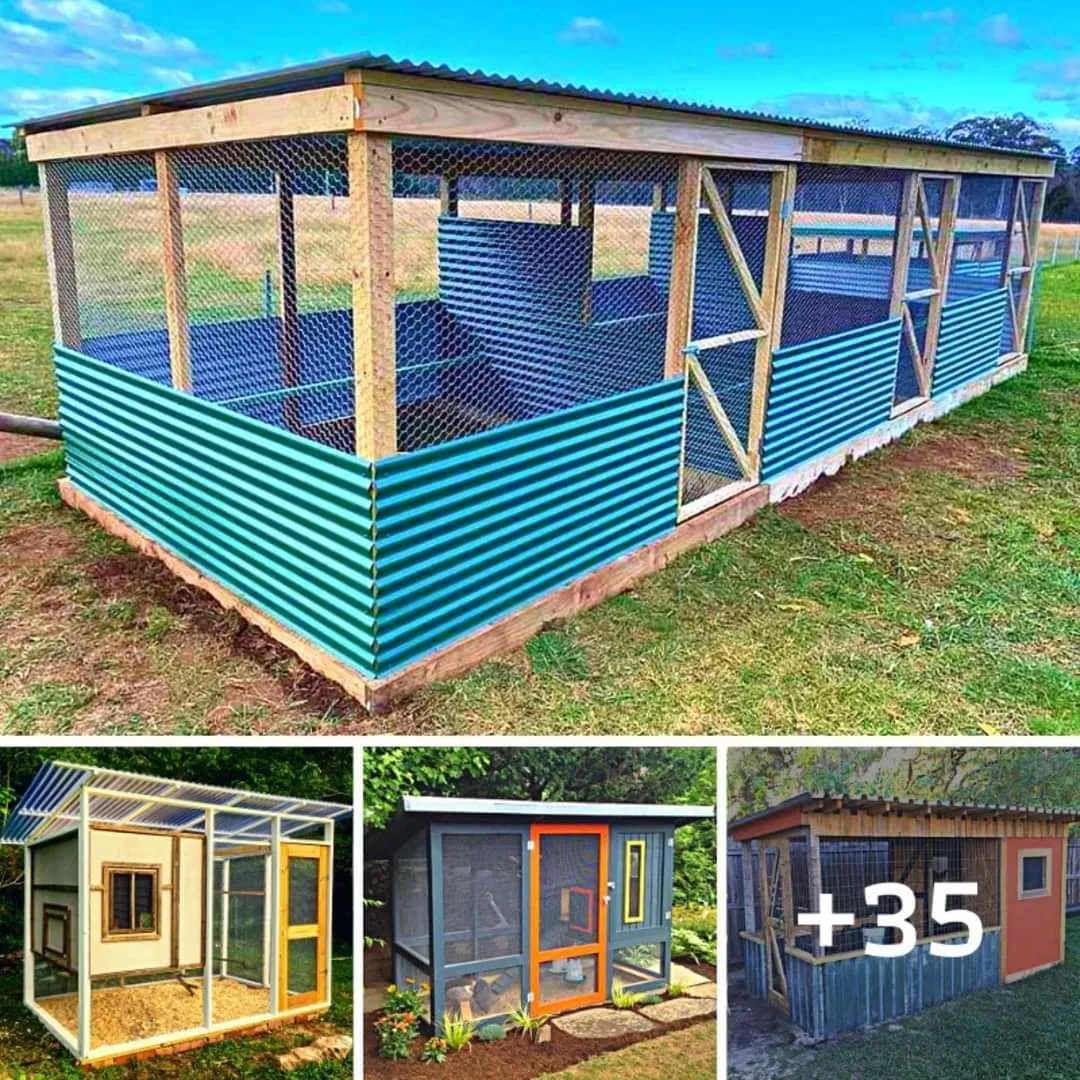
Planning Your Cheapest Chicken Coop
Embarking on the journey of building a chicken coop doesn’t have to break the bank. With careful planning and smart choices, you can create a functional and safe home for your feathered friends without emptying your wallet. This guide delves into the most effective strategies for building the cheapest chicken coop possible, ensuring you get the best value for your investment. The initial planning stages are crucial. They set the tone for the entire project, from material selection to the overall design. Think about your local climate, the number of chickens you plan to keep, and any existing resources you can leverage. Proper planning minimizes costly mistakes and maximizes resourcefulness, ultimately contributing to significant savings. Let’s get started, shall we?
Assessing Your Needs
Before you even consider picking up a hammer, it’s essential to assess your specific needs. How many chickens do you intend to house? Different breeds require different amounts of space. Also, what are the local weather conditions in your area? Extreme temperatures necessitate extra insulation or ventilation. Do you have any existing structures that can be incorporated into the coop design, reducing the need to build from scratch? Consider the predators in your area. This will influence the security measures you need, potentially impacting material choices. Thorough assessment upfront saves money by preventing unnecessary construction and ensuring your coop adequately meets your chickens’ and your needs. Think about things like local regulations or neighborhood requirements regarding chicken keeping. Knowing these details beforehand will prevent any surprises down the line and keep your costs down.
Determine Chicken Coop Size

The size of your chicken coop directly impacts material costs. The bigger the coop, the more materials you will need, which increases the overall expense. A general guideline is to provide each chicken with at least 4 square feet of space inside the coop. In addition, consider providing even more space in the run area. Overcrowding leads to stress, disease, and potentially lower egg production. A well-planned coop prioritizes the chickens’ well-being while remaining within your budget. It is important to balance the chickens’ needs with your budget. Think carefully about the number of chickens you intend to keep and their breed, then calculate the necessary space. This precise planning ensures no wasted materials. Building too large of a coop will increase expenses unnecessarily.
Selecting Affordable Materials
Choosing the right materials is critical for keeping your chicken coop costs down. Opt for readily available, inexpensive options like reclaimed wood, pallets, or even repurposed materials from other projects. When purchasing new materials, compare prices at different hardware stores and consider sales or discounts. Pressure-treated lumber is a good option for the base of the coop due to its weather resistance, but it can be more expensive. Explore alternatives like cedar, which naturally resists rot and pests. For the walls and roof, corrugated metal sheets or inexpensive plywood can be cost-effective choices. Remember to prioritize durability and safety, ensuring your chickens are protected from predators and the elements. Make a list of all the supplies you will need and compare the prices at local hardware stores.
Material Cost Analysis
Before purchasing anything, create a detailed material list and compare prices. This list should include everything from lumber and roofing materials to hardware and accessories. Websites and apps are now available to help you compare prices at various stores. Don’t be afraid to visit multiple stores or shop online to find the best deals. Consider purchasing materials in bulk if possible, which can often result in significant savings. Take advantage of any sales or discounts that might be available. If you are using reclaimed materials, factor in the cost of any necessary cleaning or repair work. Careful cost analysis helps you make informed decisions and stay within your budget. It is often helpful to consult with someone who has built a coop or has construction knowledge. They can help you identify ways to reduce costs without compromising quality or safety. Use the free apps and websites that are available to your advantage.
Building a DIY Chicken Coop

One of the most significant ways to save money on a chicken coop is by building it yourself. DIY projects eliminate labor costs, which can be a substantial portion of the overall expense. Before you begin, research various coop designs online and choose one that suits your needs and skill level. There are plenty of free plans and tutorials available, making it easy to get started. Be sure to carefully read the instructions and gather all the necessary tools before starting. If you’re new to woodworking, start with a simple design. It is helpful to start small with simple designs. This helps you learn and gain confidence as you build. Don’t be afraid to ask for help from experienced friends or family members. They can provide guidance and prevent costly mistakes. Remember to prioritize safety throughout the building process, and always wear the appropriate protective gear. This will save you on potential medical bills. Check local ordinances to see if a building permit is required, and if so, make sure you have it before starting the project. This is an important step that many people miss, and it can result in significant fines.
Foundation and Frame Construction
The foundation and frame are the structural backbone of your chicken coop. A level and sturdy foundation is essential for the coop’s stability and longevity. Consider building a simple frame from pressure-treated lumber to raise the coop off the ground, which helps protect against moisture and pests. When constructing the frame, use screws instead of nails for greater strength and ease of repair. Once the frame is built, add studs and rafters to create the walls and roof. Ensure all joints are square and secure to prevent any structural issues down the road. Proper construction of the foundation and frame is essential for the overall safety and longevity of your chicken coop. Take your time and be sure everything is level, plumb, and square. It is a great place to start when planning your chicken coop, so spend a lot of time on this phase. Building your own frame allows you to customize the coop to your specific needs and preferences.
Roofing and Weatherproofing
The roof and weatherproofing protect your chickens from the elements. Choose roofing materials that are durable, affordable, and easy to install. Corrugated metal sheets are a popular choice due to their cost-effectiveness and weather resistance. Ensure the roof has adequate overhang to prevent rain from running down the walls. Proper ventilation is another critical factor to control humidity and temperature inside the coop. Add vents near the roofline to allow air circulation. For weatherproofing, seal all gaps and cracks with caulk or weather stripping. This prevents drafts and keeps the coop warm in winter. It also helps prevent pests from entering. Regularly inspect the roof for any leaks or damage. Proper roofing and weatherproofing not only protect your chickens but also extend the life of your coop. Ensure the coop is well ventilated to prevent excessive moisture buildup. A well-ventilated and weatherproofed coop is essential for your chickens’ health and comfort.
Budget-Friendly Accessories

Accessories can significantly impact your chicken coop costs. Focus on essential items and look for affordable options. You can save money on feeders and waterers by making your own from recycled materials or purchasing inexpensive plastic containers. Nesting boxes can be built from scrap wood or repurposed crates. Consider a DIY automatic chicken coop door for convenience and security. This can be significantly less expensive than buying a pre-made one. Look for sales or discounts on any accessories you do purchase, and always compare prices before buying. By choosing wisely and prioritizing your chickens’ needs, you can create a functional coop without overspending on accessories. It is easy to spend a lot of money on accessories, but it is important to stay focused on what is essential for your chickens’ health and well-being.
DIY Accessories
DIY accessories offer an excellent way to save money and personalize your chicken coop. There are many resources available online, including detailed plans and tutorials for building feeders, waterers, nesting boxes, and even automatic coop doors. Using reclaimed materials, such as old wooden pallets or scrap lumber, further reduces your costs and adds character to your coop. Consider building a simple DIY chicken run using chicken wire and wooden posts. This provides your chickens with a safe outdoor space. Building your own accessories is a rewarding project that allows you to customize the coop to your chickens’ specific needs. There are many online videos and tutorials on how to make chicken accessories. These videos can teach you how to build your accessories for next to nothing.
Saving on Labor
Labor costs can quickly increase the price of building a chicken coop. The most obvious way to save on labor is by building the coop yourself. However, if you’re not comfortable with DIY projects, there are other ways to minimize labor costs. Consider enlisting the help of friends or family members who are handy and willing to assist. You can also look for local contractors or carpenters who offer competitive rates. If you have some construction experience, break the project into phases and complete one phase at a time. This allows you to manage your time and budget more effectively. Ensure you have a clear plan and all necessary materials on hand before you start to avoid any delays. Saving on labor requires careful planning and resourcefulness. Don’t be afraid to ask for help from friends and family.
Tips for Long-Term Savings

Building a cheap chicken coop isn’t just about initial costs; it’s also about ensuring long-term savings. Choose durable, high-quality materials that will withstand the elements and require minimal maintenance. Regularly inspect your coop for any signs of damage or wear and address them promptly to prevent more extensive repairs. Proper maintenance includes cleaning the coop regularly, which prevents the buildup of harmful bacteria and pests. Consider the long-term cost of utilities, like electricity for lighting or heating. Implement energy-efficient solutions, such as solar-powered lighting or proper insulation, to reduce these costs. By making smart choices upfront and maintaining your coop diligently, you can enjoy significant savings over time. Proper maintenance is the key to a long-lasting, cost-effective coop. Regular inspections and timely repairs prevent larger problems and expensive repairs.
Maintaining Your Cheap Chicken Coop
Regular maintenance is essential to protect your investment and extend the life of your chicken coop. Cleaning your coop at least once a week is crucial to prevent the buildup of manure, which attracts pests and can lead to health problems for your chickens. Inspect the coop for any signs of damage or wear and tear, such as loose boards or holes in the wire. Repair these issues promptly to prevent further damage. Ensure proper ventilation to prevent moisture buildup, which can lead to mold and mildew. Regularly check the roof for leaks. Address any issues immediately. A well-maintained coop is not only safer and more comfortable for your chickens but also saves you money on costly repairs in the long run. You can keep your chicken coop in great shape by doing periodic inspections and minor repairs. With a little attention, you can ensure that your cheap chicken coop remains functional and budget-friendly for years to come.