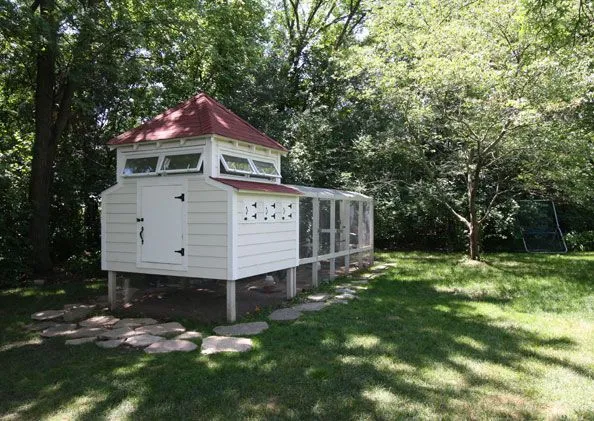
Planning Your Chicago Chicken Coop
Building a chicken coop in Chicago can be a rewarding experience, providing fresh eggs and engaging you with nature. However, success starts with careful planning. Before you even consider purchasing materials, you must research local regulations, design a suitable coop, and prepare your backyard. The planning phase is critical to ensure your chickens’ safety, comply with city ordinances, and create a functional and aesthetically pleasing coop that complements your property. A well-thought-out plan will save you time, money, and potential headaches down the line, making the process smoother and more enjoyable. Take your time, do your homework, and set yourself up for success from the beginning.
Local Regulations and Ordinances
Chicago has specific rules regarding keeping chickens, and you must adhere to these to avoid fines or legal issues. These regulations cover various aspects, from the number of chickens allowed to coop size, location, and waste management. Ignoring these rules can lead to hefty penalties and the forced removal of your chickens. Thoroughly understanding and complying with Chicago’s ordinances is non-negotiable for responsible chicken ownership. The city’s website provides detailed information, including relevant municipal codes and guidelines. Before starting any construction, always consult these resources and, if necessary, contact the city directly to clarify any ambiguities.
Zoning Laws for Chicken Coops

Zoning laws often dictate where you can place your chicken coop on your property. Setback requirements (the distance the coop must be from property lines) are common. These laws aim to prevent overcrowding and ensure a reasonable distance from neighboring properties. Research your specific zoning district to understand these restrictions. You may need to consider the size of your lot and the location of existing structures when planning your coop’s placement. Remember that compliance with zoning laws is essential for avoiding potential conflicts with neighbors and the city.
Permitting Process in Chicago
Chicago requires permits for building structures like chicken coops. The permitting process ensures that your coop meets safety standards and complies with local building codes. The requirements for obtaining a permit can vary, so start by visiting the city’s Department of Buildings website or contacting them directly. You’ll likely need to submit construction plans, including detailed drawings of the coop’s design, dimensions, and materials. The permitting process may also involve inspections throughout the construction to verify compliance. Understanding and navigating the permitting process is crucial for legal and safe coop construction.
Coop Design Essentials
Designing a chicken coop involves balancing functionality, safety, and aesthetics. The coop should provide a safe and comfortable environment for your chickens, protecting them from predators and the elements. The design should also be practical for cleaning and maintenance. Consider your chickens’ needs and your preferences when choosing the design. You have many options, from simple, pre-built coops to custom-designed structures. Factors like the size of your flock, your budget, and the available space will influence your design choices. The best coop design meets your chickens’ needs and integrates seamlessly with your backyard.
Choosing the Right Size for Your Flock

The size of your coop directly impacts the health and well-being of your chickens. Overcrowding can lead to stress, disease, and behavioral problems. Generally, allow at least 4 square feet of floor space per chicken inside the coop and 8-10 square feet per chicken in the run. This space allows chickens to move freely, roost comfortably, and avoid excessive pecking and bullying. Remember that larger breeds require more space than smaller ones. Consider your flock’s size, breed, and potential growth when determining the coop’s dimensions. Providing adequate space is a key factor in keeping your chickens healthy and happy.
Selecting Suitable Materials
The materials you choose for your coop should be durable, weather-resistant, and safe for chickens. Wood is a common choice, but pressure-treated lumber is often preferred for its resistance to rot and insects. Avoid using materials that contain harmful chemicals, such as treated wood with arsenic. Consider the climate in Chicago when selecting materials; they need to withstand temperature fluctuations, rain, and snow. Other options are metal roofing, hardware cloth, and secure latches to protect against predators. Choosing the right materials not only affects the coop’s lifespan but also contributes to the chickens’ safety and comfort.
Ventilation and Insulation
Proper ventilation is critical for maintaining a healthy environment inside the coop. It helps to remove moisture, ammonia, and other harmful gases, preventing respiratory problems. Adequate ventilation also regulates the temperature, preventing overheating in summer and excessive cold in winter. You can achieve ventilation through vents near the roof and windows. Insulation is also important for temperature regulation. Insulating the coop’s walls and roof helps to keep it warmer in the winter and cooler in the summer, conserving energy and improving the chickens’ comfort. Combine ventilation and insulation for a healthy and climate-controlled environment.
Building the Coop Foundation

The foundation provides the structural base for your chicken coop, and it’s crucial for its stability and longevity. A well-constructed foundation prevents the coop from sinking into the ground, shifting, or being damaged by moisture. The choice of foundation depends on your local soil conditions and your coop design. Options range from a simple gravel base to concrete slabs or pier-and-beam foundations. Proper foundation construction involves preparing the site, leveling the ground, and using appropriate materials and techniques. Consider the specific requirements of your coop design when deciding on your foundation.
Creating a Secure Base
A secure base for your chicken coop involves preventing predators from digging under the walls. Burying hardware cloth around the perimeter of the coop is a common method, extending it outward horizontally from the base to create a barrier. Another option is to build the coop on a concrete slab. Secure any gaps or openings in the base to prevent entry by rodents and other pests. The security of the base is essential to protecting your chickens from predators like raccoons, foxes, and dogs, especially in urban environments.
Leveling the Ground
Leveling the ground ensures that your coop is stable and prevents water from pooling beneath it. Use a level and measuring tools to determine if the ground is even. If the ground is uneven, you may need to excavate and fill to create a level surface. Compact the soil properly to prevent settling. A level ground surface is essential for the structural integrity of the coop and can help prevent moisture problems.
Constructing the Coop Structure

Building the coop structure involves framing the walls, roof, and adding doors and windows. Begin with the frame, ensuring that it is square and level. Use appropriate lumber and construction techniques. Follow your coop design closely, paying attention to measurements and angles. Ensure all joints are securely fastened to provide structural stability. This includes the walls, roof, doors, and windows. Careful construction is vital for the safety of the chickens and the overall durability of your coop.
Framing the Walls and Roof
Framing the walls and roof requires knowledge of basic carpentry. The wall framing typically involves constructing a stud wall with studs spaced according to your design. The roof framing can be simple or more complex, depending on the roof style. Make sure the frame is sturdy and can withstand the weight of the roof materials and any snow accumulation. Use appropriate fasteners, and double-check measurements throughout the framing process. Ensuring the frame is secure and weather-resistant is essential for the structure’s longevity.
Adding Doors and Windows
Adding doors and windows is essential for accessing the coop and providing light and ventilation. The door should be large enough for easy access and securely latched to prevent predators from entering. Windows provide natural light and can be opened for ventilation. Use hardware cloth or other protective mesh over the windows to keep predators out. The doors and windows must fit well into the frame and be properly sealed to prevent drafts and weather intrusion. Consider the placement of doors and windows for convenience and the chickens’ well-being.
Ensuring Predator Protection

Protecting your chickens from predators is essential, especially in urban areas. Predators can include raccoons, foxes, dogs, hawks, and even rats. The design and construction of your coop should prioritize predator-proofing. This may involve using strong materials, secure latches, and covering all openings with hardware cloth. A predator-proof coop safeguards your flock and gives you peace of mind.
Securing the Coop Against Predators
Secure your coop by using sturdy materials and construction techniques. Use hardware cloth for the walls, floor, and any openings, and make sure it is securely fastened. Use predator-resistant latches and locks on all doors and windows. Bury hardware cloth around the perimeter of the coop to prevent digging predators from entering. Regular inspections and maintenance are essential to identify and repair any potential weaknesses in the coop’s defenses. Remember that predators are resourceful, so it is crucial to be vigilant.
Hardware Cloth and Mesh Considerations
Hardware cloth, made of galvanized steel wire, is your best friend for predator-proofing your coop. Use it to cover all openings, including windows and vents. Bury it around the perimeter of the coop to prevent digging. Choose hardware cloth with a small mesh size, typically 1/2-inch or smaller, to keep out even the smallest predators. Ensure it is securely fastened to the frame to prevent it from being pulled or torn. Hardware cloth is a critical component for protecting your chickens.
Run Design and Construction
A chicken run is an enclosed outdoor area where your chickens can safely roam, forage, and exercise. Designing and building a run is just as important as the coop itself. The run provides chickens with access to sunlight, fresh air, and the opportunity to exhibit natural behaviors. The size of your run, the materials you use, and its security features directly impact your chickens’ health and happiness.
Integrating a Chicken Run
The run should be directly connected to the coop, allowing chickens to move freely between the two areas. Consider the location of the run concerning sunlight and shade. Provide a mix of sunny and shaded areas to accommodate the chickens’ needs. The run should also be designed to protect the chickens from predators. Enclose the run with sturdy fencing, and consider covering the top with netting or hardware cloth to prevent aerial attacks. Proper integration of the run enhances the chicken’s quality of life.
Run Materials and Security
Choose materials for the run that are durable, weather-resistant, and safe for chickens. Use sturdy posts and fencing materials to create a secure enclosure. Hardware cloth is an excellent choice for the fencing material, as it provides excellent protection from predators. Bury hardware cloth along the bottom of the run to prevent digging predators from entering. Ensure that gates and access points are secure and latched to prevent unauthorized access. Strong materials and careful construction will keep your chickens safe from predators.
Coop Interior Setup

The interior setup of your chicken coop affects the chickens’ comfort and well-being. You need to create a functional space for sleeping, nesting, feeding, and watering. Careful planning can maximize the coop’s efficiency and make it easy to maintain. Provide the right amount of space and the appropriate accessories to promote a healthy environment for your flock.
Nesting Boxes and Roosting Bars
Nesting boxes provide a safe and comfortable place for hens to lay their eggs. Provide one nesting box for every three to four hens. Place the nesting boxes in a dark, quiet area of the coop. Roosting bars are essential for chickens to sleep and rest. Position the roosting bars at different heights to accommodate different breeds. Ensure roosting bars are placed away from the nesting boxes to prevent the hens from soiling their nests. Proper placement and design of the nesting boxes and roosting bars are critical for egg production and chicken comfort.
Feeding and Watering Systems
Provide your chickens with access to fresh food and water daily. Choose feeders and waterers that are appropriate for the size of your flock and the type of feed you are using. Place feeders and waterers in a location that is protected from the elements. Consider using a feeder that minimizes feed waste and a waterer that is easy to clean. Maintain a clean and sanitary environment for your chickens by regularly cleaning and refilling the feeders and waterers. Proper feeding and watering systems are essential to keeping your chickens healthy and productive.
Maintaining Your Chicago Chicken Coop
Maintaining your Chicago chicken coop requires regular cleaning, pest control, and seasonal adjustments to ensure your chickens’ health and productivity. Routine maintenance extends the life of your coop and prevents potential problems. Developing a regular maintenance schedule will make the task manageable and ensure that your chickens have a safe and comfortable home.
Regular Cleaning and Maintenance
Regular cleaning and maintenance are crucial for a healthy coop environment. Remove droppings, soiled bedding, and any spilled food or water regularly. Wash the feeders and waterers at least once a week. Replace the bedding in the nesting boxes regularly. Inspect the coop for any damage and make repairs promptly. Regular cleaning helps to prevent disease and keeps the coop smelling fresh. Maintain your coop as part of your regular routine.
Pest and Disease Control
Pest and disease control are important for protecting your chickens. Regularly inspect your chickens for signs of illness or parasites. Control pests by keeping the coop clean, providing good ventilation, and using natural repellents. Consider using diatomaceous earth or other safe pest control methods. Quarantine any sick chickens and seek veterinary care if needed. Proactive pest and disease control are crucial for maintaining a healthy flock.
Winterizing Your Coop
Prepare your coop for the harsh Chicago winters to protect your chickens. Ensure proper ventilation without drafts. Insulate the coop walls and roof to retain heat. Provide a heat source if necessary, but be careful to use it safely. Ensure that the water source does not freeze. Consider adding a layer of deep litter to provide insulation. Winterizing the coop ensures that your chickens remain comfortable and productive throughout the cold months.
Harvesting Eggs and Enjoying Your Chickens
Once your coop is built and your chickens are settled, the reward is enjoying the fresh eggs and the companionship of your flock. Regular egg collection and proper care of your chickens are essential. The experience of raising backyard chickens can be incredibly rewarding and enriching. From the satisfaction of providing fresh, healthy eggs to the simple joy of watching your chickens roam, the benefits of keeping chickens in Chicago are numerous.
Congratulations! You’ve built your very own chicken coop in Chicago! Now you can enjoy fresh eggs, reduce your carbon footprint, and experience the joy of urban farming. Remember to follow local regulations, prioritize your chickens’ safety, and maintain your coop. Happy chicken keeping!