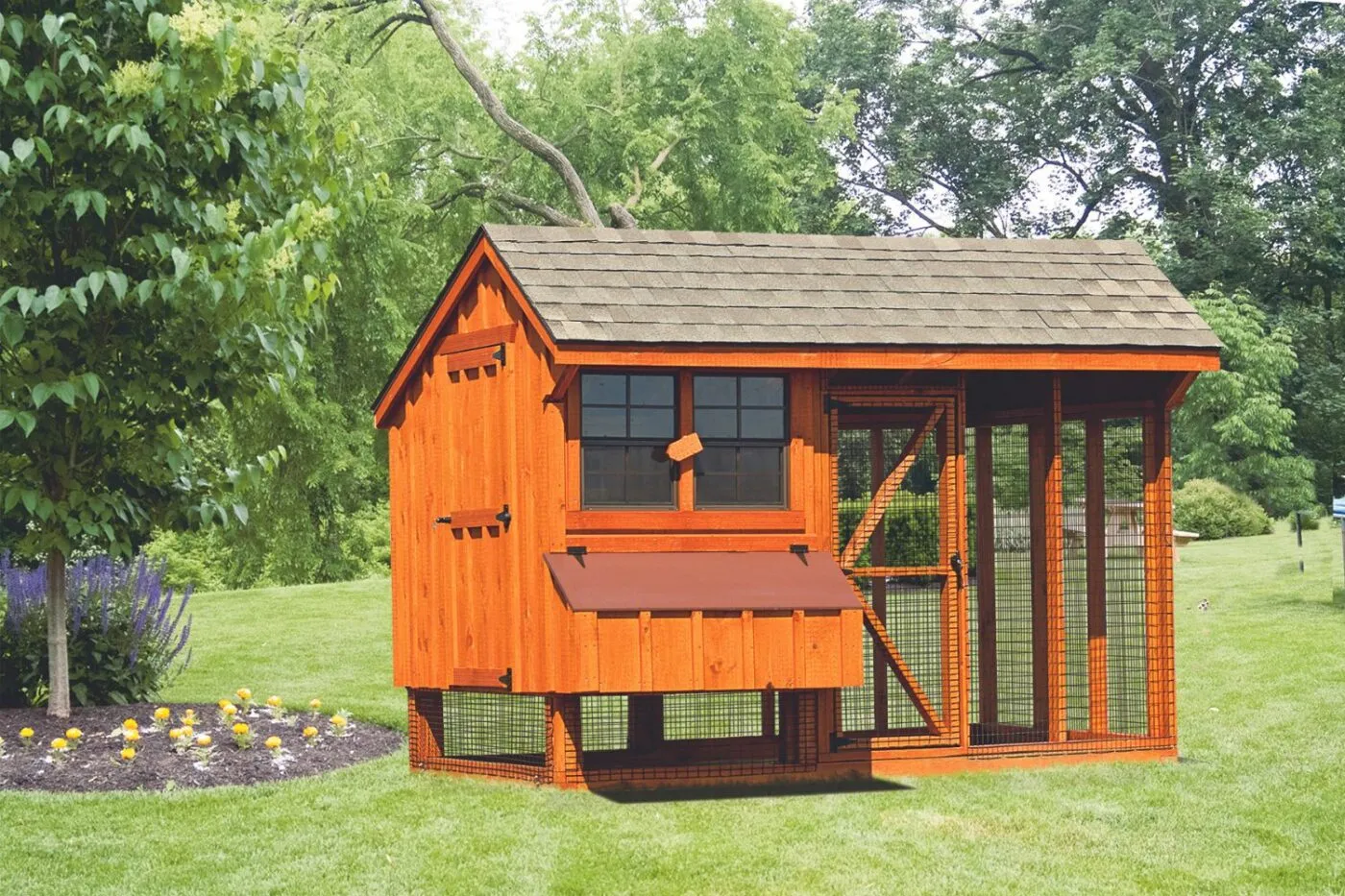
Planning Your Chicken Coop
Building a chicken coop is an exciting endeavor for anyone looking to raise chickens, whether for eggs, meat, or simply as charming additions to your backyard. However, the process demands careful planning to ensure the coop meets the needs of your flock, complies with local regulations, and stands the test of time. Effective planning involves assessing your available space, understanding local zoning laws, and determining the number of chickens you plan to house. Consider the climate, potential predators, and your personal time commitment for coop maintenance. Proper planning upfront saves significant time, money, and frustration in the long run. This includes creating a budget, researching different coop designs, and making a detailed list of materials needed. This preliminary step is essential for a successful chicken-keeping experience, allowing you to create a safe, comfortable, and productive home for your chickens. Always consult local ordinances before starting any building project.
Choosing the Right Location
The location of your chicken coop is crucial for the health and well-being of your chickens, as well as your own convenience. Choosing the right spot involves several important factors, starting with accessibility. The coop should be easily accessible for daily chores like feeding, watering, and collecting eggs, but also for more involved tasks such as cleaning and repairs. Consider proximity to your house; a coop located too far away might make daily maintenance a burden. Think about the potential for noise and odor. While chickens are generally quiet, they can be vocal, especially when laying eggs or during predator alerts. Odor control is also important, so consider prevailing wind patterns and whether the location might impact your neighbors. A level surface will make construction easier and help with drainage, while avoiding areas prone to flooding is essential for the birds’ health. Consider the presence of existing structures, such as trees and bushes that can provide shade and shelter.
Consider Sunlight and Shade

Sunlight and shade play vital roles in the comfort and health of your chickens. Chickens need sunlight for vitamin D production and overall well-being, especially during the colder months. However, excessive sun exposure, particularly in hot climates, can lead to overheating and stress, which can decrease egg production and even endanger their lives. The ideal coop location will provide a balance, with areas that receive direct sunlight in the morning for warmth and areas that remain shaded throughout the hottest part of the day. Trees, shrubs, or the coop itself can provide shade. Consider the direction of the sun throughout the year as the sun’s path changes seasonally. Proper ventilation, discussed later, also helps regulate temperature. Providing access to both sun and shade allows chickens to regulate their body temperature and make the most of their environment, promoting their health and productivity. This balance ensures they can thrive in various weather conditions.
Assess Drainage and Soil
Proper drainage and soil conditions are critical for maintaining a healthy chicken coop environment. Standing water can lead to several problems, including increased humidity, which can foster the growth of bacteria and other pathogens. It also attracts pests, such as mosquitoes and flies, which can spread diseases. Assess the natural drainage of your chosen location by observing how water behaves during rainfall or after snowmelt. If the area tends to collect water, you’ll need to implement measures to improve drainage, such as building the coop on a slight slope or constructing a raised foundation. The type of soil is also important. Well-draining soil helps prevent the buildup of moisture, reducing the risk of foot and respiratory problems in your chickens. Before building, consider performing a soil test to check for contaminants or imbalances in the soil composition. Ensure the soil is free of chemicals and other potential hazards. Improving drainage and considering the soil type helps create a healthier environment for your flock and extends the life of your coop.
Selecting Your Coop Design
Choosing the right coop design is crucial for meeting the needs of your chickens and reflecting your personal preferences. The design should provide adequate space, security, and protection from the elements. Research different coop styles, such as A-frame coops, traditional coops, or modular coops, to find one that fits your space, budget, and aesthetic preferences. Consider the number of chickens you plan to keep when selecting a design, as coop size should allow for comfortable movement, nesting, and roosting. Furthermore, the design should incorporate features that make maintenance easier, such as access points for cleaning and egg collection. Some designs include attached runs or integrated features that can simplify daily tasks. When selecting a design, consider the availability of building plans, the cost of materials, and your own carpentry skills. Many online resources provide detailed instructions and plans for various coop designs, making it easier to build a coop that suits your needs. The right design will create a safe and comfortable home for your flock.
Coop Size and Capacity
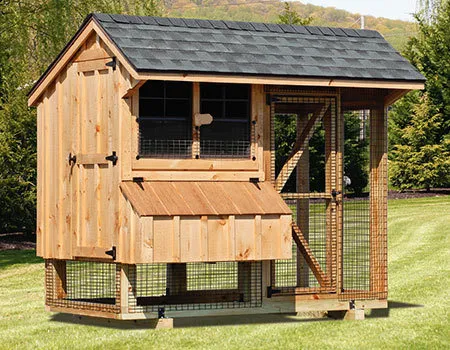
Determining the correct coop size and capacity is essential for the health, happiness, and productivity of your chickens. Overcrowding can lead to stress, increased disease transmission, and behavioral problems such as feather pecking and cannibalism. A general guideline is to provide at least 4 square feet of space per chicken inside the coop. This allows for adequate space for roosting, nesting, and movement. In addition to interior space, ensure there’s enough outdoor run space, typically around 8-10 square feet per bird, providing an area for foraging and exercise. Consider the breed of chickens you plan to raise, as some breeds are larger and require more space. Factor in the number of chickens you intend to raise initially and plan for potential growth. It’s always better to build a coop slightly larger than you think you’ll need, as it provides room for expansion. Proper coop size ensures your chickens have enough space to thrive, promoting a healthy and stress-free environment.
Design Considerations for Security
Security is one of the most critical aspects of chicken coop design, protecting your flock from predators such as foxes, raccoons, hawks, and coyotes. Reinforce all access points, including doors, windows, and ventilation openings, with sturdy hardware cloth or welded wire mesh. Bury the wire mesh around the perimeter of the coop and run to prevent digging predators from entering. Doors should be securely latched and difficult for animals to open. Consider using latches that are designed to be predator-proof. Ensure the roof is also secure to prevent entry from above. Avoid using chicken wire, which is not strong enough to deter predators. Incorporate features like a secure run, which provides a protected outdoor space for your chickens to roam and forage. Lighting can also deter nocturnal predators. Inspect the coop regularly for signs of damage or weakness and make necessary repairs promptly. A well-designed and secure coop is essential for protecting your chickens and providing peace of mind.
Selecting Your Materials
The materials you choose for your chicken coop directly impact its durability, safety, and longevity. Wood is a popular choice for its natural appearance and ease of workability. However, it requires regular maintenance, such as painting or sealing, to protect it from the elements and prevent rot. Pine and cedar are common choices, with cedar being naturally resistant to insects and decay. Metal coops are also available, offering greater durability and lower maintenance. Galvanized steel is a rust-resistant option, while other metals may require painting or coatings to prevent corrosion. The foundation can be constructed using concrete, gravel, or wood, depending on your budget and the local climate. For the roof, consider materials like asphalt shingles, metal roofing, or corrugated plastic, all of which provide effective protection from the weather. The choice of materials should be based on several factors including cost, durability, climate, and local availability. Always opt for non-toxic materials, especially for areas your chickens will come into contact with. Consider the environmental impact of your materials and choose options that are sustainable and eco-friendly.
Wood vs Metal Advantages and Disadvantages

When selecting materials for your chicken coop, it’s important to weigh the advantages and disadvantages of wood versus metal. Wood is generally more affordable and easier to work with, making it a good option for DIY builders. It offers natural insulation, helping regulate the coop’s temperature. However, wood is susceptible to rot, insect infestation, and requires more maintenance, such as painting or sealing. In humid climates, wood may deteriorate more quickly. Metal coops, on the other hand, are highly durable and resistant to pests and rot. They generally require less maintenance and can last for many years. However, metal can be more expensive and may not offer the same level of insulation as wood. Metal coops can also become very hot in direct sunlight, so proper ventilation is critical. Both wood and metal offer unique benefits; the best choice will depend on your budget, climate, and the amount of time you are willing to spend on maintenance. Consider your local weather patterns and the specific needs of your flock.
Choosing the Right Hardware
The right hardware is crucial for building a secure and functional chicken coop. Choose high-quality nails, screws, hinges, and latches to ensure the coop is sturdy and predator-resistant. For the frame, use screws specifically designed for exterior use, as they are rust-resistant and hold better than nails. Hinges and latches should be heavy-duty and designed to withstand the force of predators. For the wire mesh or hardware cloth, choose a gauge strong enough to deter predators like raccoons and foxes. Secure the wire mesh with staples designed for use with hardware cloth. Consider the types of latches you are using; many predators can open simple latches. Use latches that are difficult for animals to manipulate. Always use galvanized or stainless steel hardware to prevent rust and extend the life of your coop. The right hardware not only ensures the structural integrity of the coop but also enhances its security, keeping your chickens safe from harm.
Building Your Chicken Coop
The construction phase of your chicken coop brings your plans to life. Begin by carefully reviewing your plans and gathering all necessary materials and tools. Follow the design’s instructions step-by-step to avoid mistakes and ensure a structurally sound coop. Safety is paramount throughout the building process. Wear appropriate safety gear, including gloves, eye protection, and a dust mask. If you are not experienced in carpentry, consider seeking assistance from someone with experience. Take your time, double-checking measurements and ensuring that all components are level and plumb. As you build, remember to consider the needs of your chickens, such as easy access to nesting boxes and roosting bars. Building a chicken coop can be a rewarding experience, providing you with a functional and attractive home for your flock. By following the construction guidelines carefully and focusing on safety, you can create a coop that provides years of service and enjoyment.
Preparing the Foundation

A solid foundation is the cornerstone of any well-built chicken coop. It provides stability, protects the coop from the elements, and prevents the entry of unwanted pests. The type of foundation you choose will depend on factors such as your budget, the local climate, and the design of your coop. Options include a concrete slab, a gravel base, or a raised wooden frame. A concrete slab offers excellent stability and protection from digging predators but is the most expensive option. A gravel base is a more affordable alternative that still provides good drainage and pest control. A raised wooden frame allows for good ventilation and easy cleaning, and also helps to deter ground predators. Before building your foundation, level the ground and clear away any vegetation. Ensure that the foundation is square and plumb. The foundation should extend beyond the walls of the coop to prevent water from splashing against the sides. A well-prepared foundation is essential for the longevity and structural integrity of your chicken coop.
Constructing the Walls and Frame
Constructing the walls and frame of your chicken coop requires precision and attention to detail. Begin by building the frame, ensuring that all corners are square and all vertical supports are plumb. Use a level and square to check your work frequently. Once the frame is complete, attach the walls. If using wood, ensure that the boards are properly secured to the frame using nails or screws. For added insulation and weather protection, consider adding a layer of sheathing or insulation to the walls. Windows and doors should be framed carefully to ensure they fit properly and provide a secure seal. When framing the walls, plan for features such as nesting boxes, roosting bars, and ventilation openings. Make sure your design provides secure access for the chickens and for you to maintain and clean the coop. Pay close attention to any local building codes or regulations. Well-constructed walls and frame provide the structural support for your coop and the safety of your flock.
Adding the Roof and Ventilation
The roof and ventilation system are crucial elements of a functional and comfortable chicken coop. The roof protects the chickens from the elements, while the ventilation system ensures proper airflow, preventing the buildup of moisture, ammonia, and other harmful gases. Choose a roofing material that is durable, weather-resistant, and suitable for your climate. Install the roof according to the manufacturer’s instructions, ensuring a secure and watertight seal. Proper ventilation is essential for the health of your chickens. It helps regulate the temperature, reduces moisture, and prevents respiratory problems. Ventilation can be achieved through a combination of vents, windows, and a ridge vent. Place vents high up on the walls to allow warm, moist air to escape. Position windows to provide cross-ventilation. Avoid drafts that could chill your chickens. Good ventilation is especially important during the warmer months, helping prevent heat stress. The design of your roof should also consider ventilation to maximize airflow. Properly constructed and ventilated, your chicken coop will provide a healthy environment for your flock.
Essential Coop Features

Incorporating essential features into your chicken coop design creates a comfortable and functional home for your chickens, improving their health and productivity. These features include nesting boxes, perches, and a secure run. These elements contribute to the overall well-being of your flock. A well-designed coop anticipates all the needs of your chickens, fostering a safe and comfortable living environment. Adding these essential features requires careful planning to create a balance between usability and security.
Nesting Boxes Design and Placement
Nesting boxes are an essential feature of any chicken coop, providing a safe and comfortable space for laying eggs. Proper design and placement of nesting boxes can significantly improve the productivity and health of your chickens. A general guideline is to provide one nesting box for every 3-4 hens. The size of the nesting box should be appropriate for the breed of chickens you keep, typically around 12x12 inches for standard-sized breeds. The boxes should be placed in a quiet, dimly lit area of the coop, away from drafts and direct sunlight. Position them at a comfortable height, usually 1-2 feet off the ground. Consider making the nesting boxes easy to access for egg collection, ideally from outside the coop. Provide comfortable bedding, such as straw, wood shavings, or commercial nesting pads. Regularly inspect and clean the nesting boxes to maintain hygiene and prevent the spread of parasites. Well-designed and properly maintained nesting boxes encourage hens to lay in the designated area, making egg collection easy and reducing the chance of broken eggs or nesting outside the box.
Perches and Roosting Bars
Perches, also known as roosting bars, are essential for chickens to sleep and rest comfortably. Chickens naturally roost at night, and providing them with a perch allows them to sleep in a safe and elevated position, away from potential predators. The height of the perches should be slightly elevated off the ground. Ensure that the perches are spaced appropriately, providing enough room for each chicken to comfortably roost. Use materials that are easy to clean. The diameter of the perch should be appropriate for the size of your chickens, typically around 2-4 inches. Regularly inspect and clean the perches to maintain hygiene. Proper roosting facilities are vital for the well-being of your chickens, promoting restful sleep and reducing the risk of injury. Offering the right perches helps chickens feel secure and encourages them to settle peacefully at night.
Adding a Run for Exercise

Adding a run to your chicken coop provides a safe and secure outdoor space for your chickens to exercise, forage, and enjoy fresh air. A run is essentially an enclosed area, typically constructed of wire mesh or fencing, that is attached to the coop. The size of the run should be based on the number of chickens you have, allowing at least 8-10 square feet of space per bird. Bury the fencing around the perimeter to prevent digging predators from entering. Provide shade in the run, either through trees, shrubs, or a shade cloth, to protect the chickens from the sun. Consider adding a secure gate for easy access. You can also include features like a dust bath, where the chickens can bathe, or a feeder and waterer. The run design should also take into account ease of cleaning and predator protection. Always ensure that the run is well-maintained and provides a safe and engaging environment. Providing your chickens with a run enhances their overall well-being and happiness.
Coop Maintenance and Care
Regular coop maintenance and care are essential for keeping your chickens healthy, productive, and your coop in good condition. This includes regular cleaning, pest and predator control, and routine inspections. A well-maintained coop not only benefits the chickens but also extends the life of the coop and reduces the potential for disease and pest problems. By committing to a consistent maintenance schedule, you can provide a healthy environment for your flock and minimize unnecessary expenses. Effective maintenance also ensures your chickens are happy and healthy, reducing stress and promoting better egg production and overall well-being. Establish a routine for cleaning, pest control, and inspection to make maintenance manageable.
Cleaning and Sanitation
Regular cleaning and sanitation of your chicken coop are critical for maintaining a healthy environment and preventing the spread of disease. Cleaning should be done at least once a week, or more frequently if needed. Remove droppings, old bedding, and any spilled food or water. Thoroughly clean the nesting boxes, perches, and the floor of the coop. A good cleaning routine should include sweeping and removing debris, scrubbing the surfaces with a poultry-safe disinfectant, and allowing the coop to dry completely. Change the bedding frequently, using fresh straw, wood shavings, or other appropriate materials. Proper sanitation reduces the risk of disease and parasites. Be sure to ventilate the coop while cleaning to remove odors and moisture. Keeping the coop clean and dry minimizes the risk of illness and fosters a healthy environment for your chickens. Regularly inspect the coop for any signs of pests or diseases.
Pest and Predator Control
Effective pest and predator control is essential for protecting your chickens and maintaining a secure coop. Start by making the coop predator-proof, with secure doors, windows, and fencing. Regularly inspect the coop for any signs of damage or potential entry points. Common predators include foxes, raccoons, opossums, and hawks. Prevent pests by removing any food sources that might attract them, such as spilled feed. Store feed in a secure, airtight container. Regularly clean the coop to remove droppings, which can attract flies and other pests. Consider using natural pest control methods, such as diatomaceous earth, which helps control mites and other parasites. Trapping or using deterrents, such as motion-activated lights, can help to ward off predators. Implementing multiple strategies to prevent pest and predator incursions is the key to protecting your flock. Careful planning and regular maintenance provide the best defense for keeping the chickens safe.
Building a chicken coop is a rewarding experience that requires thoughtful planning, careful construction, and consistent maintenance. By understanding the essential steps involved, from selecting the right location and design to choosing appropriate materials and implementing a robust maintenance schedule, you can create a safe and comfortable home for your chickens. This comprehensive guide provides the necessary information to ensure that you are well-prepared for the journey of building a functional and attractive coop.