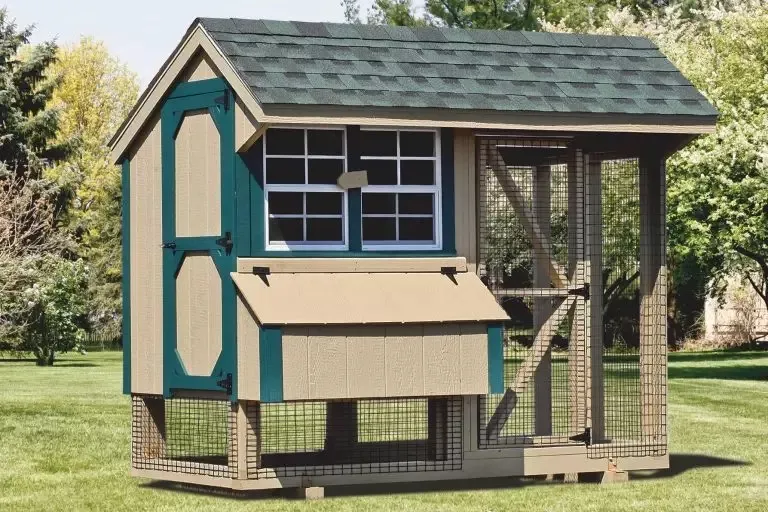
Planning Your Chicken Coop for 12 Chickens
Building a chicken coop for 12 chickens is a rewarding project that provides fresh eggs and the joy of raising poultry. Proper planning is crucial for the health and happiness of your flock. Before you even think about hammering a nail, consider the fundamental aspects of coop design, local regulations, and the ideal location. This upfront investment in research will save you time, money, and headaches down the road, ensuring your chickens thrive in a safe and comfortable environment. Remember, a well-planned coop is the cornerstone of successful chicken keeping.
Determine Your Coop Size
The size of your chicken coop is paramount for the well-being of your birds. Overcrowding leads to stress, disease, and behavioral problems like feather pecking. Providing ample space allows chickens to move freely, forage, and maintain social hierarchies. A general rule of thumb is to allocate a certain amount of square footage per chicken within the coop and a larger area for the outdoor run. This careful calculation ensures your chickens have room to roost, nest, and socialize comfortably.
Calculate Square Footage Per Chicken

A comfortable standard for coop space is typically 4 square feet per chicken inside the coop. For 12 chickens, this translates to a minimum coop size of 48 square feet. However, more space is always better. Consider providing additional space if you live in a colder climate, where chickens may spend more time indoors. When designing the outdoor run, aim for at least 8-10 square feet per chicken to allow for foraging and exercise. This balance ensures your chickens have enough room to thrive, promoting their health and happiness.
Consider Local Regulations
Before starting construction, it’s essential to research and comply with local ordinances and homeowner association (HOA) regulations. Some areas may have restrictions on the size, placement, or type of chicken coops allowed. Others may require permits for construction or specify setback requirements from property lines. Ignoring these regulations can result in fines, delays, or even the need to dismantle your coop. Contact your local government or HOA to understand the specific rules in your area, ensuring your coop project complies with all necessary requirements from the outset.
Choosing the Right Location
The location of your chicken coop significantly impacts your chickens’ health and your convenience. The chosen spot should be relatively dry, well-drained, and sheltered from harsh weather conditions. Consider the prevailing winds, sunlight exposure, and proximity to your house. Placing the coop in a convenient location makes daily chores like feeding, watering, and egg collection easier. Additionally, a well-chosen location minimizes potential noise and odor issues for you and your neighbors, ensuring a harmonious chicken-keeping experience.
Sunlight and Shade Considerations

Chickens need both sunlight and shade. Sunlight helps regulate their internal clock and provides vitamin D, essential for calcium absorption. However, excessive sun exposure, particularly during hot weather, can be detrimental. Choose a location that receives morning sunlight but provides shade during the hottest part of the day. Trees, shrubs, or the coop’s design can provide natural shade. Orienting the coop to take advantage of prevailing breezes can also help regulate the internal temperature, keeping your chickens comfortable year-round.
Accessibility and Convenience
Think about your daily routine when choosing the coop’s location. The coop should be easily accessible for cleaning, feeding, and collecting eggs. Consider the terrain and whether you’ll need to navigate slopes or muddy areas. Placing the coop near a water source and electricity (if you plan to use lights or heaters) can also simplify your chores. A convenient location will make chicken keeping a more enjoyable experience, encouraging consistent care and reducing the likelihood of neglecting your flock.
Coop Design and Construction
Once you have a plan and the perfect location, it’s time to design and construct your coop. The structural integrity and functionality of your coop are paramount for the safety and well-being of your chickens. The design should prioritize ease of cleaning, predator resistance, and adequate ventilation. Whether you build from scratch or use a pre-made kit, the construction process should be meticulous, ensuring the coop provides a secure and comfortable environment for your flock.
Foundation and Framing

A solid foundation is the cornerstone of any durable coop. Consider a concrete slab, gravel base, or pressure-treated wood frame to prevent moisture from seeping in and to deter digging predators. Proper framing involves using sturdy lumber, such as pressure-treated wood for the base and exterior walls. The frame provides the structure for the walls, roof, and doors. Ensure all joints are securely fastened and that the frame is level and square for a stable and long-lasting coop. This will also contribute to the overall aesthetics and longevity of your chicken coop.
Building the Floor
The floor of your chicken coop should be easy to clean and maintain. Consider using materials like plywood covered with linoleum or a concrete slab. Avoid using materials that can harbor moisture or be difficult to sanitize. Ensure the floor is slightly sloped to allow for proper drainage and prevent water from pooling. Regularly cleaning and maintaining the floor is essential for preventing the buildup of bacteria and parasites, thereby keeping your chickens healthy. Remember that proper ventilation is also essential to reduce moisture buildup in your coop.
Constructing the Walls and Roof
Use durable materials like exterior-grade plywood, cedar, or other weather-resistant siding for the walls and roof. Overlap the siding to prevent water from penetrating. Install a waterproof roofing material, such as asphalt shingles or metal roofing, to protect the coop from the elements. Ensure the roof overhangs the walls to provide additional protection from rain and sun. Correctly constructed walls and roof will protect your chickens from weather extremes, predators, and maintain a stable internal environment for optimal health and egg production.
Adding Ventilation

Adequate ventilation is crucial for maintaining air quality, preventing the buildup of ammonia from chicken waste, and regulating temperature and humidity. Install vents at the highest points of the coop to allow warm, moist air to escape. Consider adding windows that can be opened and closed to control airflow. Avoid placing vents directly above roosting bars, as this can create drafts. Proper ventilation keeps the coop dry and reduces the risk of respiratory illnesses, ensuring your chickens have a healthy environment.
Essential Features for 12 Chickens
Equipping your coop with the right features will greatly enhance your chickens’ comfort, safety, and productivity. Nesting boxes, roosting bars, and a secure door are essential components. Thoughtful placement and design of these features will create an environment that supports the natural behaviors of chickens and makes it easier for you to manage your flock. A well-equipped coop helps ensure a thriving and contented flock, contributing to both egg production and the overall enjoyment of chicken keeping.
Nesting Boxes
Nesting boxes provide a private and comfortable place for your hens to lay eggs. The design of the boxes should prioritize ease of access for both the chickens and the egg collector. Choosing the right number, placement, and design is critical for a seamless egg-laying process. Having comfortable nesting boxes can improve the egg-laying rate and reduce the chances of eggs being broken or laid in less desirable locations, ensuring your chickens’ and your satisfaction.
Number of Nesting Boxes Needed

A general rule of thumb is to provide one nesting box for every 3-4 hens. For 12 chickens, you would need 3-4 nesting boxes. Ensure there is enough space between the boxes to allow the hens to move freely without disturbing each other. Using a few extra nesting boxes than the minimum recommended amount can help prevent overcrowding and competition, especially if you have multiple breeds or hens with different preferences. Providing adequate space encourages egg laying and minimizes the potential for squabbles.
Placement and Design
Place nesting boxes in a quiet, dimly lit area of the coop, away from the entrance and direct sunlight. Elevating the boxes slightly off the ground can provide a sense of security for the hens. Ensure the boxes are easily accessible for cleaning and egg collection. Line the boxes with soft, absorbent bedding, such as straw, wood shavings, or pine needles, to cushion the eggs and provide comfort for the hens. Regular cleaning and maintenance of the nesting boxes will help maintain a hygienic environment.
Roosting Bars
Roosting bars provide a comfortable place for chickens to sleep at night. Chickens naturally roost, and providing a suitable roosting bar helps them feel secure and reduces stress. The design, placement, and materials used for the roosting bars contribute to the overall health and well-being of your chickens. Creating a comfortable roosting environment encourages the flock to settle down at night and promotes healthy sleep habits.
Roosting Bar Placement

Place roosting bars at a height where chickens can easily hop up but are protected from drafts. Ensure the bars are away from the walls and ceiling to allow space for the chickens to roost comfortably. The width of the roosting bar should be wide enough for the chickens to grip securely. A good rule is to provide 8-12 inches of roosting space per chicken. Make sure you’re able to easily clean under the roosting bars, as this is where droppings accumulate. Regular cleaning will maintain a healthy coop environment.
Materials and Maintenance
Choosing the right materials and implementing a regular maintenance schedule are essential for the longevity of your coop and the health of your chickens. High-quality materials resist the elements and provide a secure environment, while consistent maintenance prevents the buildup of waste, disease, and other problems. By paying attention to these details, you can ensure your coop remains a safe and comfortable home for your flock for years to come, while also minimizing your workload.
Choosing Durable Materials
Select materials that can withstand the elements and resist wear and tear. Pressure-treated wood is an excellent choice for framing and ground contact, as it resists rot and insect damage. Use exterior-grade plywood or cedar for the walls and roof. Choose non-toxic materials that won’t harm your chickens. Avoid using materials that contain lead, arsenic, or other harmful chemicals. Sturdy, durable materials reduce the need for frequent repairs and replacements, saving you time and money in the long run.
Wood Types and Treatments

Different wood types offer different levels of durability and resistance to the elements. Cedar is naturally resistant to rot and insects, making it an excellent choice for coop construction. Pressure-treated wood is a cost-effective option for framing and ground contact, but ensure it’s properly sealed to prevent the release of chemicals. Avoid using creosote or other toxic wood treatments. Choosing the right wood and applying appropriate treatments will extend the life of your coop and keep your chickens safe.
Regular Cleaning and Maintenance
Regular cleaning and maintenance are essential for preventing disease, controlling pests, and keeping your chickens healthy and happy. Clean the coop at least once a week, removing droppings, soiled bedding, and any spilled feed or water. Replace the bedding regularly to keep the coop dry and clean. Inspect the coop for any signs of damage or wear and tear and repair them promptly. Regular maintenance prevents the buildup of waste and creates a healthy environment for your flock, contributing to their overall well-being and productivity.
Protecting Your Coop from Predators
Protecting your chickens from predators is a crucial part of chicken keeping. Predators can include foxes, raccoons, dogs, coyotes, and even birds of prey. A well-designed coop with robust security measures is the best defense. Implementing effective predator-proofing strategies ensures your chickens are safe and sound, allowing them to thrive without fear of attack. Your diligence in this area will give you peace of mind and contribute to the long-term success of your chicken-keeping endeavors.
Secure Doors and Latches
Use sturdy doors with secure latches that predators cannot open. Avoid using flimsy or easily manipulated latches. Consider using barrel bolts, carabiner clips, or other heavy-duty hardware. Regularly check the doors and latches to ensure they are functioning correctly and are not damaged. Make sure the doors fit snugly against the frame to prevent gaps where predators could gain access. Secure doors and latches are essential for preventing nocturnal visits from hungry predators and will help keep your flock safe.
Fencing and Run Design
If you have an outdoor run, secure it with strong fencing, such as hardware cloth, buried at least 12 inches below the ground to prevent digging predators. The mesh size of the fencing should be small enough to prevent predators from squeezing through. Cover the top of the run with netting or wire mesh to protect against aerial predators. Regularly inspect the fencing for any signs of damage or weak points. A secure run provides a safe and protected space for your chickens to forage and enjoy the outdoors while protecting them from potential dangers.
Predator-Proofing the Coop
Reinforce all vulnerable areas of the coop, such as the floor, walls, and roof. Bury hardware cloth around the perimeter of the coop to prevent digging predators. Use strong, durable materials for the walls and roof. Seal any gaps or openings where predators could enter. Consider using motion-activated lights or other deterrents to discourage predators from approaching the coop at night. Regularly inspect the coop for any potential vulnerabilities and address them promptly. A well-predator-proofed coop provides the peace of mind of knowing your chickens are safe and secure.