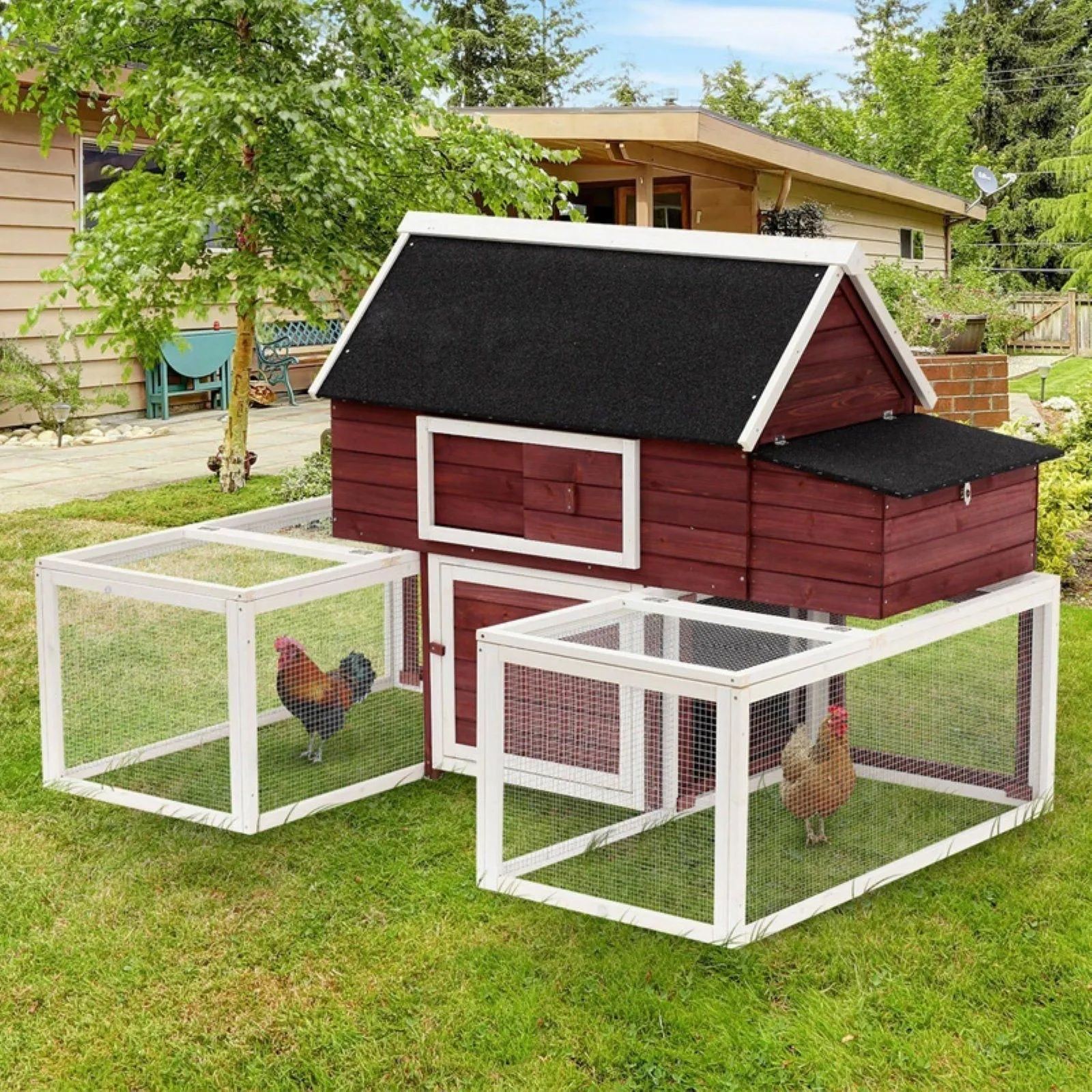
Chicken Coop Design Ideas for Your Backyard
Bringing chickens to your backyard can be a rewarding experience, providing fresh eggs and delightful companionship. But before you welcome these feathered friends, a well-designed chicken coop is essential. The perfect coop offers protection from predators, shelter from the elements, and a comfortable living space for your flock. This guide explores five distinct chicken coop design ideas, each with its unique advantages, to help you find the ideal solution for your backyard and your chickens’ needs. Consider space, budget, and aesthetic preferences to make the best choice. Properly built coops ensures the health and happiness of your chickens while also enhancing the look of your backyard. Building a chicken coop can be a fun DIY project, and understanding the different design options is the first step toward success.
Coop Design Idea 1: The Classic Gable Coop
The classic gable coop is a time-tested design, recognizable by its triangular roof. It offers a simple, efficient structure that’s easy to build and maintain. The gable roof sheds rain and snow effectively, protecting the chickens from the weather. This design typically provides ample headroom, making it easier to clean and access the coop. The gable coop is a versatile option that can be scaled to fit different flock sizes. The simplicity of the design makes it suitable for both beginners and experienced builders. This type of coop typically features a raised floor to keep the chickens away from dampness and ground-dwelling predators, with ventilation for fresh air. Ensure that your construction will be able to withstand strong winds or heavy snow, depending on your location.
Materials and Construction

When constructing a classic gable coop, choose durable, weather-resistant materials. Pressure-treated lumber is a good choice for the frame, providing resistance to rot and pests. The walls can be made of wood, plywood, or even reclaimed materials, ensuring proper insulation and protection. Use roofing materials such as asphalt shingles, metal, or cedar shakes for the roof, taking into account the local climate and aesthetic preferences. Include features such as a secure door, windows for ventilation and light, and nesting boxes for egg laying. Secure hardware cloth around all openings to protect the chickens from predators. Following detailed construction plans and using quality materials will guarantee the coop’s longevity and the chickens’ safety. Ensure all wood surfaces are free from splinters and sharp edges to prevent injury.
Pros and Cons
The classic gable coop offers several advantages. Its straightforward design makes it relatively easy to build, even for beginners. The pitched roof provides excellent weather protection, and the design allows for good ventilation if planned correctly. However, the gable coop can be more expensive than some simpler designs due to the materials needed for the roof and frame. The construction may also be time-consuming. It requires more planning and material cutting than simpler designs. Proper construction requires careful attention to detail to ensure the coop is predator-proof and weather-resistant. While it provides a solid and safe environment, it may take a bit more effort and investment in materials compared to other coop styles.
Coop Design Idea 2: The A-Frame Coop
The A-frame coop offers a charming, compact solution for backyard chicken keeping. Its distinctive triangular shape is both visually appealing and functional, often incorporating portability. The A-frame design is typically more lightweight than gable coops, making it easier to move around the yard to provide fresh foraging opportunities for the chickens. It’s a particularly suitable option for smaller flocks and urban settings where space is limited. The simplicity of the design makes it a popular choice for DIY enthusiasts, allowing for customization and creative touches. Proper ventilation and predator-proofing are essential aspects of the A-frame coop design to protect the chickens and maintain a healthy environment.
Space Requirements and Planning

When designing an A-frame coop, consider the amount of space your chickens will need. Plan for approximately 4 square feet of floor space per chicken inside the coop and 8-10 square feet per chicken in the outdoor run. Make sure the A-frame structure is large enough to accommodate the flock comfortably, including nesting boxes, roosting bars, and a feeding area. Ensure the height of the coop is appropriate for easy access for cleaning and egg collection. Think about the coop’s placement in your backyard, including sunlight, shade, and protection from wind. A well-planned layout contributes to a healthier and more productive flock. Careful planning avoids overcrowding and ensures the chickens’ well-being.
Ventilation and Weatherproofing
Proper ventilation is crucial in an A-frame coop to prevent the buildup of moisture, ammonia, and stale air. Install vents at the top of the A-frame to allow air to circulate. Consider adding windows or screened openings for additional airflow. Ensure that the coop is weatherproof by using materials that resist rain and snow. Overlap the roof panels to prevent leaks and seal any cracks. Ensure the coop has a solid floor to prevent drafts and potential access for predators. A well-ventilated and weatherproofed coop helps protect your chickens from the elements and supports their health. Properly constructed openings ensure that the coop stays dry and comfortable in various weather conditions.
Coop Design Idea 3: The Mobile Coop
Mobile coops, often called chicken tractors, offer a dynamic solution for backyard chicken keeping. These coops are designed to be moved regularly, allowing chickens to access fresh grass and forage. This design benefits the chickens and helps manage the yard by naturally fertilizing the soil and controlling pests. Mobile coops come in various sizes and designs, from simple, lightweight structures to more elaborate models. They are suitable for small to medium-sized flocks and are particularly advantageous in areas with limited space. Mobility also helps distribute the chickens’ impact on the environment, preventing overgrazing in any one area. This promotes healthier soil and reduces the spread of parasites.
Benefits of Mobility

Mobile coops provide several significant benefits. They allow chickens to graze on fresh grass and forage for insects, resulting in healthier chickens and better eggs. Regular movement prevents the buildup of waste and parasites in the same area. This helps keep the coop clean and reduces the risk of disease. Mobile coops also help fertilize the soil, as the chickens’ droppings break down and add nutrients. Moving the coop prevents the chickens from destroying the vegetation in one spot, promoting a healthier backyard environment. The mobility aspect encourages a more natural and sustainable approach to chicken keeping.
Considerations for Run Size
When designing a mobile coop, consider the size of the run in relation to the flock. The run needs to be large enough to provide sufficient space for the chickens to roam, forage, and exercise. Ensure the run is also predator-proof, with secure sides and a top. The run should be lightweight enough to be easily moved, while still providing adequate protection. The size of the run will also depend on the amount of time the chickens spend outside the coop each day. Consider adding wheels to the coop for easy movement, making it a convenient addition to your backyard. Plan the run size carefully to balance the chickens’ needs with the ease of mobility.
Coop Design Idea 4: The Converted Shed Coop
Converting an existing shed into a chicken coop provides a practical and often cost-effective solution. This approach leverages the existing structure, reducing the need for extensive new construction. Sheds offer ample space and can be adapted to various flock sizes. It’s an excellent option for those who already have a shed in their backyard that is no longer in use. The conversion process involves modifying the interior of the shed to create a safe and comfortable environment for chickens, ensuring adequate ventilation, secure predator-proofing, and easy access for cleaning and egg collection. The transformed shed adds both practicality and aesthetic appeal to your backyard.
Shed Modification Techniques

Modifying a shed for use as a chicken coop requires several steps. First, thoroughly clean and sanitize the shed interior. Then, reinforce the existing structure, especially if it has any vulnerabilities. Add roosting bars, nesting boxes, and a feeding area. Secure the floor, ensuring it is easy to clean and prevents burrowing by predators. Install windows or vents for proper ventilation. Line the walls with materials that are easy to clean and resistant to moisture, such as plywood or panels. Add secure doors and windows with hardware cloth to keep predators out. Consider adding insulation for temperature regulation. With these modifications, the shed transforms into a secure and comfortable coop.
Adding Windows and Doors
Properly placed windows and doors are crucial for a converted shed coop. Install windows to provide natural light and improve ventilation. Secure the windows with hardware cloth to prevent predators from entering and ensure airflow. Doors should be sturdy, easy to open, and close securely. Consider adding a small, secure door for the chickens to enter and exit the coop independently. Ensure the doors are tight-fitting to keep out drafts and predators. The placement of windows and doors will influence the coop’s ventilation, temperature control, and ease of access. When combined with the right design, they will provide a safe, secure and comfortable environment for your chickens.
Coop Design Idea 5: The DIY Pallet Coop
The DIY pallet coop offers a budget-friendly and eco-conscious approach to chicken keeping. Reusing pallets for construction minimizes the need for new materials, reducing costs and waste. Pallets are readily available and can be found at various locations, including construction sites and businesses. The construction process is relatively straightforward, making it a great project for DIY enthusiasts of all skill levels. Pallet coops can be customized to suit your backyard and the needs of your flock. When built correctly, pallet coops provide a safe and secure shelter for your chickens. This method of construction is a great opportunity to be resourceful, sustainable, and creative in your chicken keeping.
Sourcing and Preparing Pallets

Sourcing pallets is the first step in building a DIY pallet coop. Check local businesses, construction sites, and online marketplaces for free or inexpensive pallets. Choose pallets made from untreated wood, as treated wood may contain harmful chemicals. Inspect the pallets carefully for any signs of damage or infestation. Before using the pallets, thoroughly clean them and remove any nails or staples. You may need to disassemble the pallets to create the desired structure. Sand any rough edges and surfaces to prevent injury. Preparation is key to ensuring the safety and longevity of the pallet coop. Using proper tools and following safety guidelines will help with the preparation process.
Safety and Durability
Ensure the safety and durability of a pallet coop by reinforcing the structure. Add extra supports to strengthen the walls, floor, and roof. Cover the interior and exterior surfaces with durable materials. Line the coop’s interior with plywood or other suitable materials to create a smooth, easy-to-clean surface. Attach hardware cloth to all openings to prevent predators from entering. Use appropriate fasteners and screws to secure the pallet boards, avoiding the use of nails. Choose weather-resistant materials for the roof and ensure proper drainage. Build the pallet coop carefully and thoroughly to ensure that your chickens are protected from predators and the elements. Regular maintenance will extend the coop’s lifespan and keep your flock safe and comfortable.
Choosing the Right Design
Selecting the right chicken coop design for your backyard involves careful consideration of factors such as the size of your flock, the space available, your budget, and local climate conditions. Smaller flocks may thrive in A-frame or mobile coops, while larger flocks may require the space offered by gable coops or converted sheds. DIY pallet coops provide a budget-friendly alternative. Consider the level of predator protection needed in your area. Choose a design that offers adequate ventilation and insulation to maintain a comfortable temperature for your chickens year-round. Think about the aesthetic of the coop and how it complements your backyard. The best design provides both functionality and aesthetic appeal. Take your time, assess your options, and choose the best option that meets your chickens’ needs while fitting in with your lifestyle and home environment.