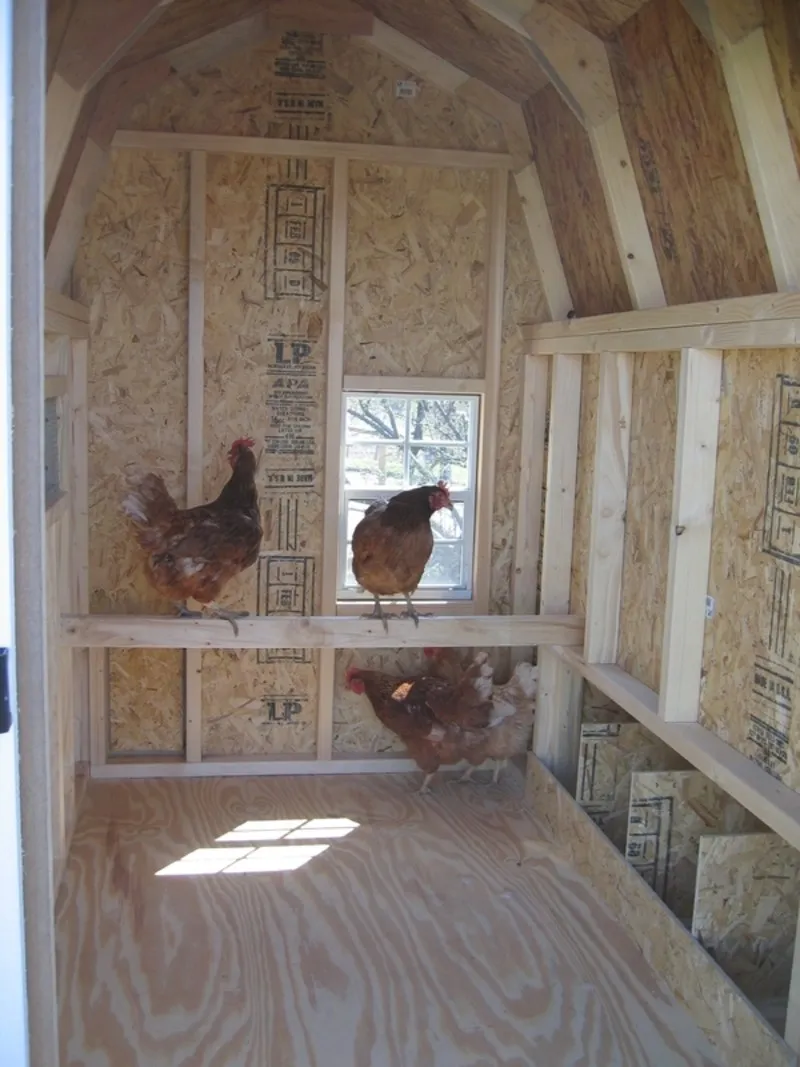
Building a chicken coop for eight chickens can be a rewarding project, providing fresh eggs and a fun hobby. However, a well-designed coop is essential for the health, safety, and happiness of your flock. This guide will walk you through the process, from planning and material selection to construction and maintenance, ensuring you build a functional and secure home for your chickens. Follow these steps to create a safe and comfortable environment that meets all the needs of your chickens while being easy to maintain.
Planning Your Chicken Coop
Before you begin construction, careful planning is crucial. Consider all aspects of the project to ensure the coop meets your chickens’ needs and is practical for you to maintain. Poor planning can lead to costly mistakes and an inadequate living space for your chickens. A well-thought-out plan will save time, money, and frustration in the long run, resulting in a coop that functions perfectly for years.
Choosing the Right Location
The location of your chicken coop significantly impacts the health and well-being of your flock. Factors such as sunlight, shade, and protection from predators are crucial considerations. A well-chosen location will provide a safe and comfortable environment for your chickens. Moreover, it will also influence the ease of access for cleaning and maintenance, as well as the overall aesthetic of your property. Consider these factors carefully to find the best spot for your chicken coop.
Sunlight and Shade Considerations

Chickens need a balance of sunlight and shade. Direct sunlight is essential for vitamin D production, which is crucial for healthy bone development and overall well-being. However, too much direct sunlight can overheat the coop, especially during the summer months. Ensure your coop has areas of both sun and shade. Planting trees or using shade cloth can help regulate the temperature inside the coop and keep your chickens comfortable year-round, improving their health and productivity.
Predator Protection
Protecting your chickens from predators is paramount. Choose a location away from potential hiding spots for predators like foxes, raccoons, and hawks. Avoid building near wooded areas or dense bushes where predators may lurk. Consider the prevailing wind direction to minimize odors that might attract predators. Moreover, ensure the coop design includes secure features such as strong latches, predator-proof wire mesh, and buried fencing to prevent digging predators from accessing the coop.
Size Requirements for 8 Chickens
Providing adequate space is crucial for your chickens’ comfort and health. Overcrowding can lead to stress, disease, and behavioral problems. Understanding the space requirements will help you determine the appropriate size for your coop. Following the guidelines for square footage and height will ensure your chickens have enough room to move around, roost, and nest comfortably. Proper space management will also make it easier to maintain a clean and hygienic environment within the coop.
Square Footage Needs

A general guideline is to provide at least 4 square feet of floor space per chicken inside the coop. For eight chickens, you will need at least 32 square feet of coop space. This allows the chickens enough room to move around, eat, and roost without feeling cramped. Remember that the more space you provide, the happier and healthier your chickens will be. Additional space also helps reduce the spread of diseases, promoting a more hygienic environment for your flock.
Height Considerations
In addition to floor space, consider the height of the coop. A taller coop provides better ventilation and allows for easier cleaning and maintenance. A coop height of at least 6 feet is generally recommended, allowing you to stand comfortably inside. Ensure that the roof is high enough to allow for adequate airflow and that the walls are sturdy enough to withstand the elements. A well-designed coop height adds to the comfort and functionality of the coop, benefiting both you and your chickens.
Gathering Your Materials
Once you’ve finalized your plans, it’s time to gather the necessary materials. Choosing the right materials is critical for the durability, safety, and longevity of your chicken coop. A well-stocked workspace will ensure the building process goes smoothly and efficiently. From the wood for the structure to the hardware and tools, each item plays a crucial role in building a functional and secure coop. Careful selection of materials will result in a sturdy coop that will serve your chickens well for years to come.
Essential Building Supplies

A list of essential supplies ensures you have everything you need before starting the construction. This includes lumber, hardware, and roofing materials. Make a comprehensive list based on your coop design and double-check everything to avoid running to the store mid-project. Organizing your materials before starting the build can save time and prevent frustration, allowing you to focus on the construction process. Having all the necessary supplies readily available contributes to a more efficient and enjoyable building experience.
Wood Selection
Choose wood that is durable, weather-resistant, and non-toxic to chickens. Pressure-treated lumber is a good choice for the base of the coop, as it is resistant to rot and pests. For the walls and roof, cedar or redwood are excellent options due to their natural resistance to decay. Avoid using wood that has been treated with chemicals that could be harmful to your chickens. Proper wood selection will ensure the structural integrity of your coop, and will also provide a healthy environment for your chickens, prolonging the life of your coop.
Hardware and Fasteners
Use galvanized screws, nails, and staples to prevent rust and ensure long-lasting construction. Choose hardware cloth made of heavy-duty wire mesh with small openings to keep predators out. Consider using stainless steel hinges and latches for durability. Quality hardware and fasteners are essential for the structural integrity and longevity of your coop. Using durable hardware will help prevent the coop from falling apart, providing a secure and safe environment for your chickens, saving you money and effort in the long run.
Tools You’ll Need

Essential tools include a saw (circular saw, hand saw, or reciprocating saw), a drill, a level, a measuring tape, a hammer, a staple gun, and safety glasses. Depending on your design, you may also need a post hole digger, a shovel, or a screwdriver. Ensure all your tools are in good working order and have appropriate safety gear. Having the right tools will make the building process easier and more efficient, allowing you to build your coop with precision and accuracy, leading to a better-built coop.
Building the Coop Structure
The construction phase is where your plans come to life. Following your design carefully, begin by constructing the frame, walls, roof, and other essential components. Accurate measurements and secure joints are crucial for the overall stability and longevity of the coop. Taking your time and paying attention to detail will result in a well-built coop that can withstand the elements and provide a safe haven for your chickens. Consistent effort and quality craftsmanship during this phase will pay dividends later.
Constructing the Frame
Start by building the frame of the coop, which forms the skeleton of the structure. Use pressure-treated lumber for the base frame to prevent rot. Assemble the frame according to your design, ensuring all corners are square and level. Secure the frame with screws and nails, and double-check all measurements for accuracy. A solid frame is essential for the overall stability of your coop, serving as the foundation for all other components. Taking the time to build a sturdy frame pays off by providing long-term structural integrity.
Walls and Roofing

Once the frame is complete, build the walls and roof. Attach the wall panels to the frame using nails or screws, ensuring they are flush and secure. For the roof, choose a material that provides good weather protection, such as asphalt shingles, corrugated metal, or a waterproof membrane. Install the roofing material according to the manufacturer’s instructions, and ensure it overlaps properly to prevent leaks. Well-constructed walls and a weatherproof roof are essential for protecting your chickens from the elements, keeping them safe and dry.
Door and Window Placement
Carefully plan the placement of doors and windows to provide easy access for cleaning and ventilation. Install doors that are wide enough for you to enter comfortably with a wheelbarrow or other cleaning equipment. Place windows strategically to allow for natural light and airflow, ensuring they are secure and predator-proofed. Ensure the doors and windows close securely to prevent drafts and keep predators out. Well-placed doors and windows improve the functionality of your coop, making maintenance easier and providing a healthy environment for your chickens.
Interior Features
The interior features of your chicken coop are critical for the comfort and well-being of your chickens. Nesting boxes, roosting bars, and a proper ventilation system will contribute to a healthy and happy flock. Careful design and placement of these features can maximize space and improve the overall functionality of the coop. Paying attention to the details of the interior design will improve the quality of life for your chickens and make coop maintenance easier for you.
Nesting Boxes Design

Nesting boxes provide a safe and comfortable place for hens to lay their eggs. Each nesting box should be at least 12 inches wide, 12 inches high, and 12 inches deep. Place the boxes in a dark, quiet area of the coop, away from drafts and direct sunlight. Line the boxes with soft, clean bedding material, such as straw or wood shavings. Providing well-designed nesting boxes will encourage your hens to lay their eggs in a predictable location, making egg collection easier and improving the overall cleanliness of the coop.
Roosting Bars Placement
Roosting bars provide a comfortable place for chickens to sleep at night. Place the roosting bars high enough off the ground to discourage predators. Position the bars away from nesting boxes to prevent droppings from contaminating the eggs. Allow about 8-12 inches of roosting space per chicken. Using rounded edges on the roosting bars will prevent injury to the chickens’ feet. Proper roosting bar placement enhances the chickens’ comfort and encourages a good night’s sleep, contributing to their overall health and well-being.
Ventilation Systems
Adequate ventilation is essential to remove moisture, ammonia, and stale air from the coop. Install vents near the roofline and consider adding a ridge vent or a cupola. Avoid placing vents near roosting bars, and ensure they are protected from rain and snow. Good ventilation helps prevent respiratory problems and reduces the buildup of harmful gases. Proper ventilation contributes to a healthier living environment for your chickens, promoting their overall well-being and productivity.
Securing Your Coop

Protecting your chickens from predators is one of the most important aspects of building a chicken coop. Implementing various security measures will ensure your flock’s safety and provide you with peace of mind. This involves a combination of physical barriers, proper construction techniques, and ongoing vigilance. Taking the time to predator-proof your coop will safeguard your chickens from harm, protecting your investment and ensuring the longevity of your flock.
Predator-Proofing Techniques
Use a combination of techniques to deter predators. Bury hardware cloth or wire mesh around the perimeter of the coop to prevent digging predators from entering. Ensure all doors and windows close securely with latches that are difficult for predators to open. Regularly inspect the coop for any signs of damage or potential entry points. Proper predator-proofing involves a layered approach, offering multiple lines of defense to protect your chickens from various threats. Continuous monitoring and maintenance are essential for long-term security.
Hardware Cloth Installation
Hardware cloth is a heavy-duty wire mesh that is ideal for predator-proofing. Use hardware cloth with small openings (½ inch or smaller) to prevent predators from reaching through. Cover all windows, vents, and other openings with hardware cloth. Attach the hardware cloth securely to the frame using staples or screws, ensuring there are no gaps. Proper hardware cloth installation is a crucial step in securing your coop, offering excellent protection against various predators, thus keeping your chickens safe from harm.
Burial of Wire Mesh
Digging predators can easily undermine a coop if the fencing is not buried. Extend the wire mesh or hardware cloth outward from the base of the coop, and then bury it at least 12 inches deep. This prevents predators from digging under the walls and gaining access to the coop. Bend the buried wire outward to further deter digging. Burying wire mesh is a highly effective method of preventing predators from burrowing under the coop, offering an essential layer of protection for your chickens. This extra effort significantly enhances the security of your coop.
Coop Maintenance and Upkeep
Regular maintenance and upkeep are essential for maintaining a clean, healthy, and secure environment for your chickens. A consistent cleaning schedule, pest control measures, and proper feeding and watering practices will ensure the longevity of your coop and the well-being of your flock. Consistent maintenance not only keeps your coop in top condition but also helps to prevent disease and infestation. A well-maintained coop is a testament to your commitment to the health and happiness of your chickens.
Cleaning Schedule
Establish a regular cleaning schedule to remove droppings, spilled feed, and soiled bedding. Scoop droppings daily and replace bedding at least once a week. Thoroughly clean the coop at least once a month, removing all bedding, scrubbing the floors and walls with a poultry-safe disinfectant, and letting the coop air out. Maintaining a clean coop helps prevent the buildup of ammonia and other harmful substances, which can lead to respiratory problems and other health issues. Regular cleaning is a cornerstone of good coop hygiene, providing a healthy environment for your chickens.
Pest Control
Implement pest control measures to prevent infestations of mites, lice, and other parasites. Regularly inspect your chickens and their coop for signs of pests. Use diatomaceous earth or other poultry-safe insecticides to control pests. Clean and sanitize the coop regularly to eliminate potential breeding grounds. Effective pest control protects your chickens from discomfort, disease, and potential health problems. Integrated pest management is an important aspect of chicken coop upkeep, ensuring the health and well-being of your flock.
Feeding and Watering
Provide fresh, clean water and high-quality feed at all times. Place feeders and waterers in a location that minimizes spillage and contamination. Clean and refill waterers daily, and clean feeders regularly to prevent mold and mildew growth. Ensure the feed is stored in a dry, pest-free environment. Providing fresh food and water is critical to your chickens’ health and productivity. Following proper feeding and watering practices promotes a healthy, happy flock, ensuring they thrive in their coop.
Building a chicken coop for eight chickens is a rewarding project that provides fresh eggs, a connection to nature, and a fun hobby. Following these guidelines will help you create a safe, comfortable, and secure environment for your flock. From planning and material selection to construction and maintenance, each step contributes to a successful coop. By investing time and effort in building a well-designed coop, you’ll provide your chickens with a healthy and happy home, allowing you to enjoy the benefits of backyard chickens for years to come. Remember to prioritize the needs of your chickens throughout the entire process, ensuring their well-being and your enjoyment of this fulfilling hobby.