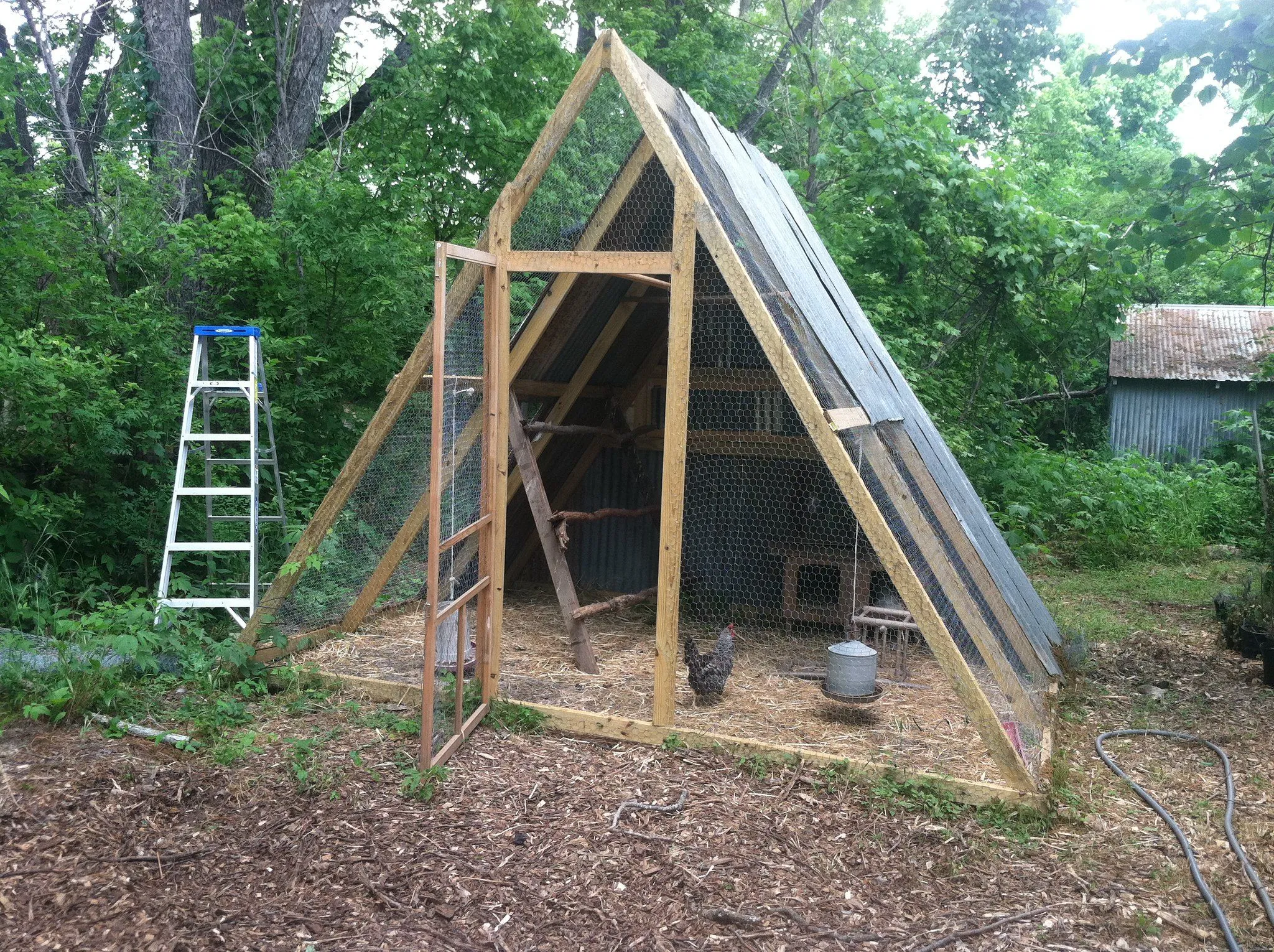
Chicken Coop A Frame Design Ideas Overview
The A-frame chicken coop is a popular choice for backyard chicken enthusiasts, offering a blend of functionality, style, and ease of construction. The distinctive A-frame shape provides a sturdy and weather-resistant structure, making it a great option for housing your flock. Whether you’re a seasoned chicken keeper or just starting, understanding the various design possibilities can help you create a coop that perfectly suits your needs and complements your outdoor space. This guide explores seven design ideas to inspire your own chicken coop A-frame project, from space-saving solutions to aesthetic considerations and practical features. Choosing the right design involves considering factors like space availability, local climate, predator risks, and the number of chickens you plan to keep. With the right approach, you can build a beautiful and functional coop that provides a safe and comfortable home for your chickens. This guide aims to equip you with the knowledge to design a coop that meets all these criteria, providing you with valuable information on different aspects of A-frame coop construction.
Space Optimization
Space optimization is crucial, particularly in urban or suburban settings where yard space may be limited. A-frame coops excel in this area, offering a relatively small footprint compared to other designs. This is because the sloping sides allow for efficient use of space, minimizing the amount of ground area the coop occupies. When planning your coop, carefully consider the available space and the number of chickens you intend to house. Overcrowding can lead to stress, disease, and reduced egg production. Aim for a minimum of 4 square feet per chicken inside the coop and 8-10 square feet per chicken in the enclosed run. Proper planning helps to maximize the usable space within your yard.
Utilizing Vertical Space

The A-frame design naturally lends itself to utilizing vertical space effectively. This can be particularly beneficial in smaller yards where expanding the footprint isn’t feasible. Consider incorporating features like a raised roosting bar, nesting boxes on different levels, and a multi-tiered run to provide ample space for your chickens to move around and explore. Vertical space can also accommodate storage areas for feed, bedding, and other supplies, keeping them safely out of reach of the chickens. Utilizing vertical space will ensure that your chickens have a stimulating and enjoyable living environment even in a limited footprint.
Compact Footprint
The compact footprint of an A-frame coop is a significant advantage, especially for urban and suburban chicken keepers. This design allows you to house your chickens in a smaller space, making it suitable for yards of varying sizes. The narrow base also makes it easier to move the coop around the yard, if desired, allowing you to provide fresh foraging areas for your chickens. When designing the coop, consider the dimensions of the base and ensure it fits comfortably within your designated space. Remember to account for the run area as well, ensuring enough room for the chickens to roam freely. The footprint should be sufficient to comfortably accommodate the number of chickens you plan to keep, considering their need for space both inside and outside the coop.
Material Selection
The choice of materials significantly impacts the durability, longevity, and overall look of your A-frame chicken coop. Selecting the right materials can also influence factors such as insulation, weather resistance, and ease of maintenance. Wood is a classic choice, offering a traditional aesthetic and ease of workability. Metal and composite materials provide alternatives with different advantages, such as increased durability and lower maintenance. Your budget and local climate conditions will influence your material choices. Careful consideration during the material selection process will ensure that your coop provides a safe and comfortable home for your chickens for years to come.
Wood Choices

Wood is a popular and versatile material for building A-frame coops. Several wood species offer varying levels of durability, weather resistance, and cost. Pressure-treated lumber is a good option for the frame and any parts of the coop that will come into contact with the ground, providing excellent resistance to rot and insect damage. Cedar and redwood are naturally rot-resistant and offer a beautiful aesthetic, but they can be more expensive. Pine is a more affordable option but may require regular sealing and maintenance to protect it from the elements. When choosing wood, consider the local climate, the level of exposure to the elements, and your budget. Proper sealing and painting can further extend the life of your wooden coop.
Metal and Composite Materials
Metal and composite materials offer alternatives to traditional wood, with benefits such as increased durability and lower maintenance requirements. Galvanized steel or aluminum can be used for the frame and roofing, providing excellent weather resistance and preventing rot. These materials also offer increased resistance to pests and rodents. Composite materials, made from a combination of wood fibers and plastics, are another option. They are often pre-finished and require minimal maintenance, making them a convenient choice. While these materials may have a higher upfront cost than wood, they can offer long-term cost savings due to their durability and reduced need for maintenance. Consider these materials if you are looking for a low-maintenance and long-lasting coop.
Chicken Coop A Frame Aesthetics
The A-frame design lends itself well to various aesthetic styles, allowing you to create a coop that complements your existing outdoor space. Whether you prefer a modern, minimalist look or a more rustic and farmhouse-inspired design, there are many ways to customize your coop. Consider the overall style of your home and garden when making design choices. The color palette, roof style, and decorative elements you choose can transform the coop into a focal point or seamlessly integrate it into your surroundings. Thoughtful design choices can enhance the overall appearance of your backyard. From sleek and modern designs to charmingly rustic structures, the possibilities are extensive.
Modern Design

A modern A-frame chicken coop design often features clean lines, minimalist aesthetics, and a focus on functionality. This style can incorporate materials like metal, composite wood, and sleek, contemporary colors. A modern coop might include features like a flat or slightly sloped roof, large windows for natural light, and integrated ventilation systems. The design should prioritize simplicity and ease of cleaning. Consider using a neutral color palette, such as shades of gray, white, or black, to create a sophisticated look. The focus should be on sleekness and efficiency, creating a coop that seamlessly integrates into a contemporary outdoor setting. This design often incorporates innovative approaches to space utilization and functionality, resulting in an attractive, efficient, and modern coop.
Rustic and Farmhouse Styles
For a more traditional look, the rustic and farmhouse styles are excellent choices. These styles often incorporate natural materials like wood and incorporate design elements like exposed beams, pitched roofs, and weathered finishes. Consider using reclaimed wood or incorporating rustic touches like barn-style doors or decorative shutters. Earthy colors, such as browns, greens, and creams, can create a warm and inviting atmosphere. Adding vintage-inspired hardware or decorative accents further enhances the farmhouse aesthetic. This style is perfect for those seeking a charming and cozy coop that blends seamlessly into a traditional or country-style backyard. It is designed to evoke a sense of nostalgia and warmth.
Functional Features
Beyond aesthetics, the functionality of your chicken coop is paramount. Several features can significantly improve the comfort, safety, and overall well-being of your chickens. Proper ventilation, predator protection, and accessibility for maintenance are essential considerations. Think about how these features can be integrated into your A-frame design. A well-designed coop provides a secure and comfortable environment for your flock. Paying close attention to these elements will help ensure that your chickens are safe, healthy, and productive.
Ventilation Systems

Adequate ventilation is crucial for maintaining a healthy environment inside the coop. Poor ventilation can lead to a buildup of ammonia from droppings, which can cause respiratory problems in chickens. Proper ventilation also helps to regulate temperature and humidity levels, keeping the coop comfortable in both warm and cold weather. Consider incorporating features like vents near the roofline, windows that can be opened and closed, and a ridge vent to allow for proper airflow. Ensure that the ventilation system is designed to prevent drafts, which can also be harmful to chickens. Proper ventilation is essential to ensure that your chickens stay healthy and comfortable.
Predator Protection
Protecting your chickens from predators is a top priority. Various predators, including foxes, raccoons, dogs, and hawks, can pose a threat. Design your A-frame coop with predator protection in mind. Use sturdy materials like hardware cloth (not chicken wire) for the run and any openings. Bury the hardware cloth at least 12 inches below the ground to prevent digging predators from entering. Secure all doors and windows with robust latches and consider using a locking system. Ensure that there are no gaps or weaknesses in the coop’s construction. Reinforcing the coop and run with predator-proof features will give your chickens the best chance of survival. Invest in robust predator-proofing measures to keep your chickens safe and secure.
Accessibility for Maintenance
Designing your A-frame coop with accessibility in mind will make cleaning, maintenance, and egg collection much easier. Include features like a large access door for cleaning, removable nesting boxes, and an easy-to-clean floor. Ensure you can easily reach all areas of the coop. Consider incorporating a hinged roof or a removable section to provide better access for cleaning and repairs. Proper maintenance will extend the life of your coop and help keep your chickens healthy. Making cleaning and maintenance easy will save you time and effort, allowing you to enjoy your chickens more. It makes the whole experience more pleasant and manageable.
Sizing and Capacity

Determining the appropriate size and capacity for your A-frame chicken coop is essential for the health and happiness of your chickens. The size of your coop directly impacts the number of chickens you can comfortably accommodate. Overcrowding can lead to stress, which can increase the risk of disease and reduce egg production. Always consider the minimum space requirements per bird, providing ample room for them to move around and engage in natural behaviors. Sizing considerations will help ensure that your chickens are living in a space that promotes their well-being. The number of chickens and the available space is a crucial element of coop design.
Determining Coop Size
As a general rule, aim for a minimum of 4 square feet of space per chicken inside the coop and 8-10 square feet per chicken in the enclosed run. Consider that these are minimum recommendations, and more space is always better. Also, consider the breed of chickens you’ll be housing. Larger breeds will require more space than smaller ones. Ensure that the coop provides enough space for roosting bars, nesting boxes, and a feeding and watering area. It’s also wise to allow for some extra space to accommodate future flock expansion or for rainy-day confinement. A properly sized coop will give your chickens the room they need to live comfortably, reducing stress and the potential for disease.
Consideration of Chicken Breeds
Different chicken breeds have varying sizes and space requirements. Larger breeds, like Jersey Giants or Brahmas, will naturally require more space than smaller breeds, like bantams. Before building your A-frame coop, research the breeds you plan to keep and understand their specific needs. Consider the number of chickens of each breed you intend to house and factor their size into your coop’s dimensions. Some breeds are more active and require more space for foraging and exercise. Considering breed-specific requirements will help you tailor the coop to your chickens’ individual needs. This will help you create an environment in which your chickens can thrive.
Chicken Coop A Frame DIY vs Pre-built

Deciding between building your own A-frame chicken coop (DIY) and purchasing a pre-built one is a significant consideration. Both options have advantages and disadvantages, which can vary based on your skillset, budget, and available time. DIY projects provide the satisfaction of creating something with your own hands and allow for customization. Pre-built coops offer convenience and often come with pre-engineered designs and pre-cut materials. Understanding the pros and cons of each will help you make the best decision for your specific needs. Both choices can lead to a great chicken coop and choosing between the two is a personal preference.
Benefits of DIY
Building your own A-frame chicken coop allows for complete customization, enabling you to tailor the design to your specific needs and preferences. You have full control over the materials used, the size, and the features of the coop. This is beneficial if you have specific requirements, such as accommodating a large number of chickens or incorporating unique design elements. DIY projects often cost less than pre-built coops, especially if you already have some tools and can source materials economically. The process of building a coop can be enjoyable and rewarding. DIY projects offer the satisfaction of creating something with your own hands. Constructing your own coop allows you to get hands-on with the construction process and tailor it to your specific requirements.
Advantages of Pre-built Coops
Pre-built A-frame chicken coops offer convenience and save you significant time and effort. These coops come with pre-engineered designs, making construction straightforward. This is particularly helpful if you lack experience in carpentry or prefer a quick solution. Pre-built coops often have detailed instructions and are readily available, allowing you to get your chickens settled quickly. Pre-built coops are also designed to meet specific standards for safety and functionality. This can provide peace of mind knowing that the coop is constructed correctly. Pre-built options are also often available in a range of styles and sizes, allowing you to easily find a coop that suits your needs. This allows you to focus on enjoying your chickens rather than spending time on construction.
Insulation and Climate Control
Insulation and climate control are essential aspects of an A-frame chicken coop, particularly in regions with extreme temperatures. Proper insulation helps to regulate the temperature inside the coop, keeping it warm in the winter and cool in the summer. Climate control can also help to maintain a healthy environment for your chickens. This helps to prevent health issues and promote egg production. The choice of insulation materials and ventilation strategies should be planned according to the local climate conditions and the specific needs of your flock.
Insulation Materials
Several insulation materials are suitable for chicken coops, each with its own pros and cons. Fiberglass insulation is a common and cost-effective option, but it can be more difficult to work with and must be kept dry. Rigid foam insulation boards provide excellent insulation value and are relatively easy to install. Spray foam insulation is another effective option, sealing all cracks and gaps to prevent drafts. When choosing insulation, consider the climate in your area, the ease of installation, and the moisture resistance. Proper insulation materials will create a comfortable and healthy environment for your chickens.
Temperature Regulation
In addition to insulation, consider ways to regulate the temperature inside the coop. In hot climates, ensure adequate ventilation, provide shade, and consider using a reflective roof to minimize heat absorption. In cold climates, supplement insulation with a heat lamp or a heated perch, but always prioritize safety. The location of the coop is also an essential factor in temperature regulation. Place the coop in a location that receives shade during the hottest parts of the day and is sheltered from prevailing winds. Proper temperature regulation will ensure that your chickens are healthy and comfortable, regardless of the weather.
Legal and Zoning Considerations
Before building your A-frame chicken coop, it is essential to familiarize yourself with local regulations and zoning laws. These regulations can vary depending on your location and may impact various aspects of your project, including the size, placement, and allowed number of chickens. Complying with these regulations is crucial to avoid fines or potential conflicts with neighbors. You should also consider the impact of your coop on your neighbors and the local community. Addressing these considerations will ensure that your coop project complies with the law. You should also build positive relationships with your neighbors.
Local Regulations
Research your local zoning laws and building codes before starting any construction project. These regulations may specify the maximum size and height of outbuildings, the distance the coop must be from property lines, and any restrictions on the number of chickens you are allowed to keep. Contact your local building department or zoning office for information on permits, inspections, and specific requirements. Failing to comply with these regulations can result in fines or the requirement to modify or remove the coop. Understanding and adhering to local regulations is important to ensure that your project is compliant and that it does not cause any legal issues.
Neighborly Considerations
Consider your neighbors and their potential concerns about your chicken coop. Discuss your plans with them before starting the project. Consider their concerns about noise, odor, and potential pest issues. Choose a location for the coop that minimizes any disturbances to your neighbors. Implement measures to control noise and odors, such as providing adequate ventilation and regular cleaning. Maintaining good communication with your neighbors can help prevent any misunderstandings. Being a good neighbor helps build a positive community and will ensure that your chickens are welcome in the neighborhood.