Essential Chicken Coop Accessories
Raising chickens in your backyard can be a rewarding experience, providing fresh eggs and hours of entertainment. However, a well-equipped chicken coop is essential for the health, happiness, and productivity of your flock. Beyond the basic structure, a range of chicken coop accessories can significantly improve your birds’ living conditions and make your job as a chicken keeper easier. This guide explores the top 7 must-have chicken coop accessories, ensuring your chickens thrive in a safe, comfortable, and stimulating environment. Investing in the right accessories not only benefits your chickens but also streamlines coop maintenance, saving you time and effort in the long run. From providing fresh water and food to ensuring proper ventilation and lighting, these accessories are crucial for a thriving flock.
Watering System
Clean, fresh water is paramount for chickens’ health and well-being. They need constant access to water, especially during hot weather. A reliable watering system prevents dehydration and promotes optimal egg production. Choosing the right watering system depends on your coop size, the number of chickens, and the climate. A good watering system prevents spills and keeps water clean from debris. Consider the ease of cleaning and refilling when making your selection. Your chickens will thank you for this essential accessory.
Types of Chicken Waterers

There are several types of chicken waterers available, each with its pros and cons. Gravity waterers are simple and inexpensive, using a reservoir to dispense water into a trough. However, they require frequent refills. Nipple waterers provide a cleaner water source, as chickens peck at a nipple to release water. They’re excellent at preventing spills and waste. Heated waterers are essential in cold climates to prevent water from freezing. Consider the water capacity, material, and ease of cleaning before making a choice. Some waterers are even automatic, refilling themselves from a larger reservoir, which reduces your workload.
Choosing the Right Waterer
When selecting a waterer, consider your climate and the number of chickens. For cold climates, choose a heated waterer to prevent freezing. For hot climates, consider a waterer that provides shade or insulation to keep the water cool. Ensure the waterer is made of durable, non-toxic materials that are easy to clean. The size of the waterer should accommodate the number of chickens in your flock. Always place the waterer in a location protected from direct sunlight and potential contamination from droppings. Regularly check and clean your waterer to maintain hygiene.
Feeding System
Similar to water, providing a consistent and clean food source is a must-have chicken coop accessory. A good feeding system helps prevent waste, reduces mess, and ensures your chickens have access to the nutrition they need. There are many types of feeders available, from simple troughs to more advanced designs that minimize spillage and prevent rodents from accessing the feed. Consider your coop’s size, the number of chickens, and your feeding schedule when choosing the best option for your flock. Proper feeding is vital for egg production, growth, and overall health.
Types of Chicken Feeders

There are several types of chicken feeders to choose from. Trough feeders are a common and affordable option, offering easy access to feed. However, they can be prone to waste if not properly managed. Hanging feeders keep feed off the ground, reducing contamination from rodents and droppings. Treadle feeders open only when a chicken steps on a platform, deterring pests and minimizing feed waste. Automatic feeders dispense feed on a schedule, which can be helpful if you’re away from home for extended periods. The best choice depends on your specific needs and preferences.
Choosing the Right Feeder
When selecting a feeder, consider the capacity, material, and design. Ensure the feeder is made of durable, weather-resistant materials that are easy to clean. Choose a feeder size appropriate for your flock size, ensuring there’s enough space for all chickens to eat comfortably. Consider a feeder with a lid or anti-spill design to prevent feed waste and contamination. Place the feeder in a location away from direct sunlight and potential contamination from droppings. Regularly clean the feeder to prevent mold and the buildup of harmful bacteria, which can impact the health of your chickens. A good feeder is essential for a happy and healthy flock.
Nesting Boxes
Nesting boxes provide a safe and comfortable space for hens to lay their eggs. They promote egg laying in the desired location, making egg collection easier. Without proper nesting boxes, hens may choose less desirable laying spots, leading to broken or dirty eggs. Nesting boxes also help protect eggs from the elements and predators. Investing in well-designed nesting boxes is a crucial step in ensuring the well-being of your flock and making egg collection a breeze.
Best Nesting Box Designs

There are several nesting box designs to consider. Traditional boxes are simple, enclosed spaces that provide privacy. Sloping-roof nesting boxes prevent chickens from roosting on top, keeping the boxes clean. Roll-away nesting boxes have a sloping floor that gently rolls eggs into a separate compartment, protecting them from breakage and keeping them clean. Consider the size and number of nesting boxes based on your flock size. Generally, provide one nesting box for every 3-4 hens. Ensure the boxes are easily accessible for both the hens and you when collecting eggs.
Nesting Box Materials
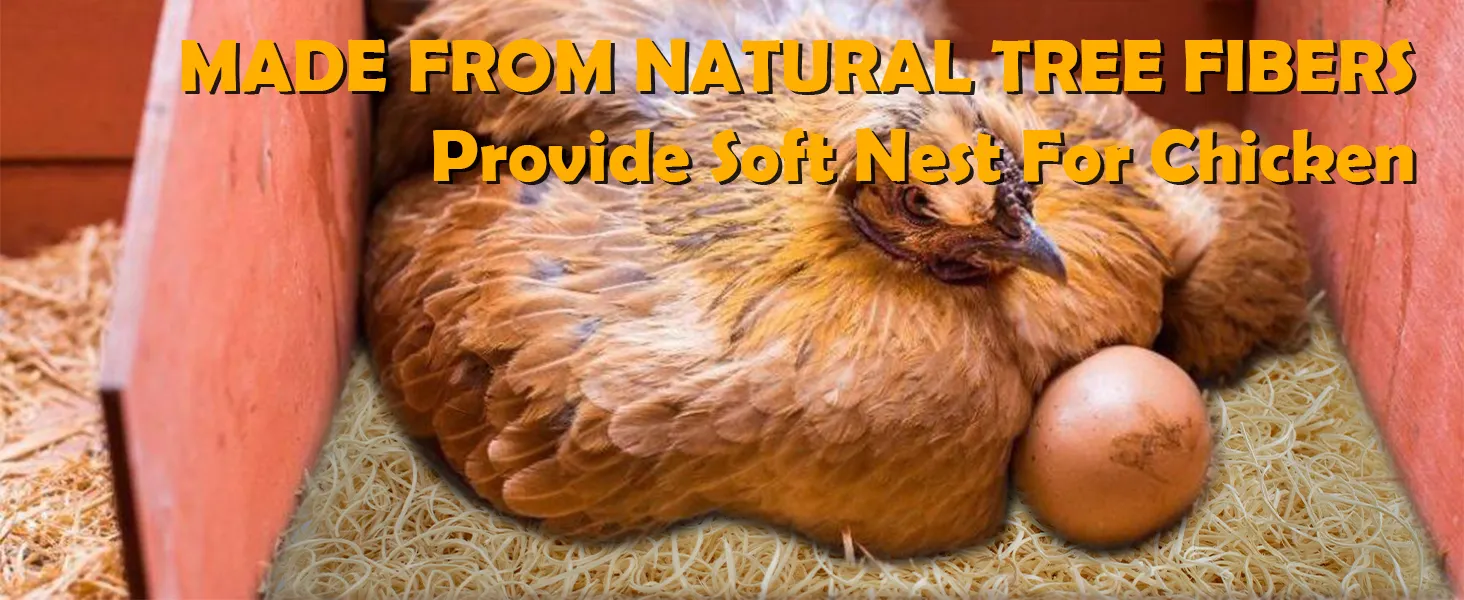
Nesting boxes can be made from various materials. Wood is a classic choice, offering good insulation and a natural feel. Plastic boxes are durable, easy to clean, and resistant to pests. Metal boxes are also durable but can be cold in winter. Choose a material that is easy to clean and maintain. Line the boxes with soft bedding materials, such as straw, hay, wood shavings, or nesting pads, to provide comfort and cushion the eggs. Regularly clean and replace the bedding to maintain hygiene and prevent infestations of mites and other parasites. Consider the nesting material, since it must be comfortable and not promote any parasites.
Roosts
Roosts provide a comfortable place for chickens to sleep at night. Chickens naturally perch to sleep, and providing roosting bars fulfills this instinct, promoting a more restful night’s sleep. Without roosts, chickens may try to sleep on the ground, potentially leading to health problems or injuries. Proper roost placement is critical for the chickens comfort. Roosts are an important chicken coop accessory.
Roosting Bar Materials and Design

Roosting bars can be made from various materials, including wood, metal, and plastic. Wood is a popular choice, offering a natural feel and good grip. The shape of the roosting bar is also important. Rounded or slightly flattened bars are ideal, allowing chickens to comfortably grip the surface. Avoid using bars that are too thin or too wide, as this can cause discomfort. Ensure the roosting bars are smooth and free of splinters to prevent injuries. The dimension of the roosting bar is important too, about 2 inches wide and at least as long as each hen can stand with space for two more.
Optimal Roost Placement
The placement of the roosting bars is critical. Position the roosting bars at a height that allows chickens to easily access them. Place the bars away from the nesting boxes to prevent chickens from roosting in them. Consider the ventilation and lighting when positioning the roosting bars. Ensure the roosting bars are positioned high enough off the floor to allow the chickens to poop under the roost. This keeps their droppings from getting on the hens and the coop floor.
Ventilation System
Proper ventilation is essential for maintaining a healthy chicken coop environment. It helps remove moisture, ammonia, and other harmful gases produced by chicken droppings. Good ventilation prevents respiratory problems and promotes a healthier flock. Without adequate ventilation, the coop can become damp and create a breeding ground for bacteria and parasites. The goal is to get a constant flow of fresh air without creating a draft that would chill the birds.
Ventilation Strategies

Several ventilation strategies can be employed. Natural ventilation involves using vents, windows, and other openings to allow air to circulate. Ensure the openings are placed strategically to facilitate airflow. Ridge vents and soffit vents are effective for removing warm, moist air. Forced ventilation uses fans to circulate air and provide a more controlled environment. During warmer months, you may need to increase ventilation. During the winter, you will need to protect your birds from drafts while still providing for ventilation.
Maintaining Air Quality
To maintain good air quality, regularly clean the coop to remove droppings and other waste. Use absorbent bedding materials, such as wood shavings or straw, to absorb moisture. Avoid overcrowding your coop, as this can lead to poor air quality. Ensure your coop is free from drafts. If the coop smells strongly of ammonia, it indicates poor ventilation and requires immediate attention. Good air quality promotes better overall health for your flock, and helps control any possible parasitic infestations.
Coop Lighting
Coop lighting can significantly impact the health and productivity of your chickens. Chickens need a minimum of 14-16 hours of light per day to stimulate egg production. During the winter months, when daylight hours are shorter, supplemental lighting can help maintain egg-laying rates. However, it’s essential to use lighting responsibly to avoid stressing your chickens. You should ensure a complete dark period to allow them to rest properly.
Types of Coop Lighting

There are various types of coop lighting to choose from. LED lights are energy-efficient, long-lasting, and provide a consistent light source. Incandescent bulbs are less efficient but can provide warmth. Choose a light that is safe for chickens, with no exposed wires or easily breakable parts. Install the lighting at a height that provides adequate illumination without being too harsh. Some lights are designed to mimic natural daylight, which is beneficial for chicken health and productivity. Using a timer is also a smart option, to provide a specific time for light.
Benefits of Coop Lighting
The benefits of coop lighting are numerous. Increased egg production is one of the most significant advantages. Supplemental lighting can extend the laying season, resulting in more eggs. Improved chicken behavior can also be observed, since lighting will provide your chickens with the comfort and light they need. A well-lit coop provides a safer environment, reducing the risk of injury. Remember to provide a complete dark period each night to allow your chickens to rest and recharge. Proper lighting, combined with other essential accessories, creates an ideal environment for your flock.
Investing in these 7 essential chicken coop accessories will significantly improve your chickens’ living conditions, promote their health and happiness, and make chicken-keeping a more rewarding experience. From providing fresh water and food to ensuring proper ventilation and lighting, these accessories are crucial for a thriving flock. By focusing on these must-have accessories, you’ll create an environment where your chickens can thrive. Proper care will lead to a healthy and productive flock, providing you with fresh eggs and hours of enjoyment.