Understanding Your Chicken Coop Needs
Before you even start browsing the vast selection of chicken coops on Amazon, it’s crucial to understand your specific needs. A well-considered purchase ensures your chickens’ safety, comfort, and overall well-being, while also making your backyard chicken-keeping experience enjoyable. This involves carefully evaluating several factors related to your flock and the space you have available.
Determine the Coop Size
The size of your chicken coop is arguably the most important factor. Overcrowding can lead to stress, disease, and behavioral issues like feather pecking. As a general rule, provide at least 4 square feet of floor space per chicken inside the coop. Additionally, allocate around 8-10 square feet per bird in the outdoor run. Consider your flock’s eventual size when choosing a coop; it’s always better to have a little extra space than to find yourself cramped down the line.
Consider the Breed of Chickens

Different chicken breeds have different space requirements and temperaments. Larger breeds like Orpingtons and Brahmas need more room than smaller breeds like Bantams. Research the specific needs of the breeds you plan to keep. Some breeds are also more active and require more space to roam, while others are more docile and adaptable to slightly smaller enclosures. Your choice of breed heavily influences the necessary dimensions of your chicken coop, ensuring your chickens thrive.
Evaluate the Space Available
Measure the area in your yard where you plan to place the coop. Consider not only the footprint of the coop itself but also the run area. Ensure you have enough space for your chickens to move around comfortably and safely. Consider the slope of your yard and any potential obstacles, like trees or gardens. Also, check local ordinances regarding coop placement and setbacks from property lines. Careful measurement and planning prevent any unwelcome surprises and help you choose a coop that fits perfectly in your yard.
Choose the Right Coop Style
Chicken coops come in various styles, each with its own advantages. The best choice depends on your needs, the space you have, and your aesthetic preferences. Consider the pros and cons of each type, focusing on ease of cleaning, security, and weather protection. Some popular styles include traditional coops, portable coops, and backyard coop kits.
Traditional Coop Designs

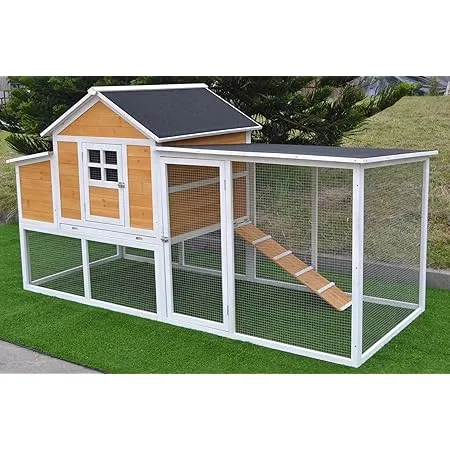
Traditional coops are stationary structures, often made of wood, with a permanent run or a separate enclosed area. They offer a classic look and can be highly secure, providing excellent protection from predators and weather. They are usually more durable and can accommodate larger flocks. However, they are less flexible if you want to move them around your yard. These coops often feature a pitched roof for rain and snow runoff, ventilation, and easy access for cleaning and egg collection.
Portable Coops
Portable coops, also known as chicken tractors, are designed to be moved around your yard. This allows your chickens to have access to fresh grass and new foraging areas, which helps control parasites and fertilizes your lawn. They are typically smaller and lighter than traditional coops. They are ideal for smaller flocks or if you want to rotate your chickens around different parts of your yard. However, they might require more frequent relocation and may not be as secure against predators as more robust, stationary coops. Ensure your portable coop is well-built and sturdy to prevent escapes.
Backyard Coop Kits
Backyard coop kits come with pre-cut materials and detailed instructions, making them an excellent option for DIY enthusiasts. They can be a cost-effective way to build a coop, and you can customize them to your liking. These kits come in various sizes and styles, offering flexibility in design. Ensure you have the tools and time to assemble the kit properly. Read reviews about the kit’s quality and the clarity of the instructions before purchasing, to ensure an easier build process and a long-lasting coop.
Top 5 Chicken Coops on Amazon

Amazon offers a vast selection of chicken coops, making it a convenient place to shop. Here are five popular coops, taking into account various factors like size, features, and customer reviews. Remember to always read the product details and customer reviews carefully before making a purchase to ensure it fits your needs.
Amazon Coop Pick 1
This coop is known for its durability and spacious design, suitable for up to six chickens. It typically includes a nesting box, a run, and a ramp. The materials are usually treated for weather resistance, ensuring longevity. Assembly is often straightforward, and many models include clear instructions.
Key Features
- Large capacity for multiple chickens
- Integrated nesting box and run
- Weather-resistant construction
- Easy to assemble design
Pros and Cons

- Pros: Durable, spacious, and easy to clean.
- Cons: Might require two people for assembly, some models have less robust latches.
Amazon Coop Pick 2
This coop focuses on portability and ease of use, often featuring a compact design that is ideal for smaller yards or urban environments. The materials are usually lightweight, and the coop is easy to move. It usually fits 2-3 chickens.
Key Features
- Lightweight and portable design
- Compact size, ideal for small spaces
- Easy to clean and maintain
Pros and Cons

- Pros: Very easy to move around, good for pest control.
- Cons: Might be too small for larger flocks, may need additional predator protection.
Amazon Coop Pick 3
This coop is designed to balance affordability with functionality. These coops are often available in kit form, making assembly more straightforward. It usually features a simple design with basic but essential features such as a nesting box and run. It often comes with hardware and clear instructions to assist with the build.
Key Features
- Affordable price point
- Easy to assemble with included instructions
- Basic features suitable for beginners
Pros and Cons

- Pros: Budget-friendly, simple to build.
- Cons: May require additional reinforcement, may not be as weather-resistant.
Amazon Coop Pick 4
This coop prioritizes security, often featuring reinforced construction and predator-resistant features. It often includes secure latches, strong wire mesh, and a sturdy frame. The focus is on protecting your chickens from predators and adverse weather.
Key Features
- Reinforced construction for predator protection
- Secure latches and strong wire mesh
- Durable frame and weather resistance
Pros and Cons
- Pros: Excellent protection against predators, durable.
- Cons: Can be more expensive, may require more complex assembly.
Amazon Coop Pick 5
This coop is designed with aesthetic appeal in mind. It combines functionality with attractive design elements to enhance your backyard’s appearance. It often uses high-quality materials and features a stylish look.
Key Features
- Attractive and stylish design
- High-quality materials
- Blend functionality with aesthetic appeal
Pros and Cons
- Pros: Visually appealing, enhances backyard.
- Cons: May be more expensive, design may compromise some functionality.
Essential Chicken Coop Accessories
Once you’ve chosen your coop, consider the essential accessories to ensure your chickens’ comfort and well-being. Accessories not only enhance the functionality of the coop but also contribute to your flock’s health and productivity. These include waterers, feeders, bedding, nesting boxes, and security measures.
Waterers and Feeders
Provide your chickens with fresh water and food daily. Choose waterers and feeders that are appropriate for your coop size and the number of chickens you have. Consider feeders that prevent spillage and minimize waste. Choose feeders and waterers that are easy to clean and maintain to ensure your chickens always have access to clean food and water.
Bedding and Nesting Boxes
Select appropriate bedding materials, such as wood shavings, straw, or sand, to keep your coop clean and comfortable. Nesting boxes should be placed in a quiet, sheltered area within the coop, with adequate bedding. Regular cleaning of the bedding and nesting boxes helps prevent the buildup of parasites and disease.
Chicken Coop Security
Ensure your coop is secure from predators like foxes, raccoons, and hawks. Use secure latches, strong wire mesh, and consider burying wire mesh around the perimeter to prevent digging predators. Proper security is vital to protect your chickens.
Tips for Buying on Amazon
Shopping for a chicken coop on Amazon can be straightforward if you follow a few helpful tips. Prioritizing these steps before and during your purchase will ensure you make an informed decision and receive a product that meets your requirements. Always read reviews, check shipping costs, and compare prices to get the best value for your money and a coop that suits your needs.
Read Reviews
Customer reviews provide valuable insights into the quality, durability, and ease of assembly of a chicken coop. Pay attention to both positive and negative feedback. Focus on reviews that discuss real-world experiences with the coop, including its performance, ease of cleaning, and predator protection. This helps you understand the product’s strengths and weaknesses before you buy. Look for reviews that mention specific issues like assembly difficulties or the coop’s ability to withstand weather conditions.
Check for Shipping Costs
Shipping costs can significantly impact the overall price of a chicken coop, especially for larger items. Always check the shipping costs before making your purchase. Some sellers offer free shipping, while others may charge a considerable amount. Consider the shipping time and any potential delays, especially if you need the coop quickly. Factor in these costs to ensure the coop fits within your budget.
Compare Prices
Compare prices from different sellers on Amazon and consider similar coops from other online retailers. The price of chicken coops can vary widely. Take into account the features offered and the quality of the materials when comparing prices. Some coops may seem cheaper initially but may lack essential features or be made from less durable materials. Make sure you are comparing apples to apples when evaluating costs, considering all features and build quality.