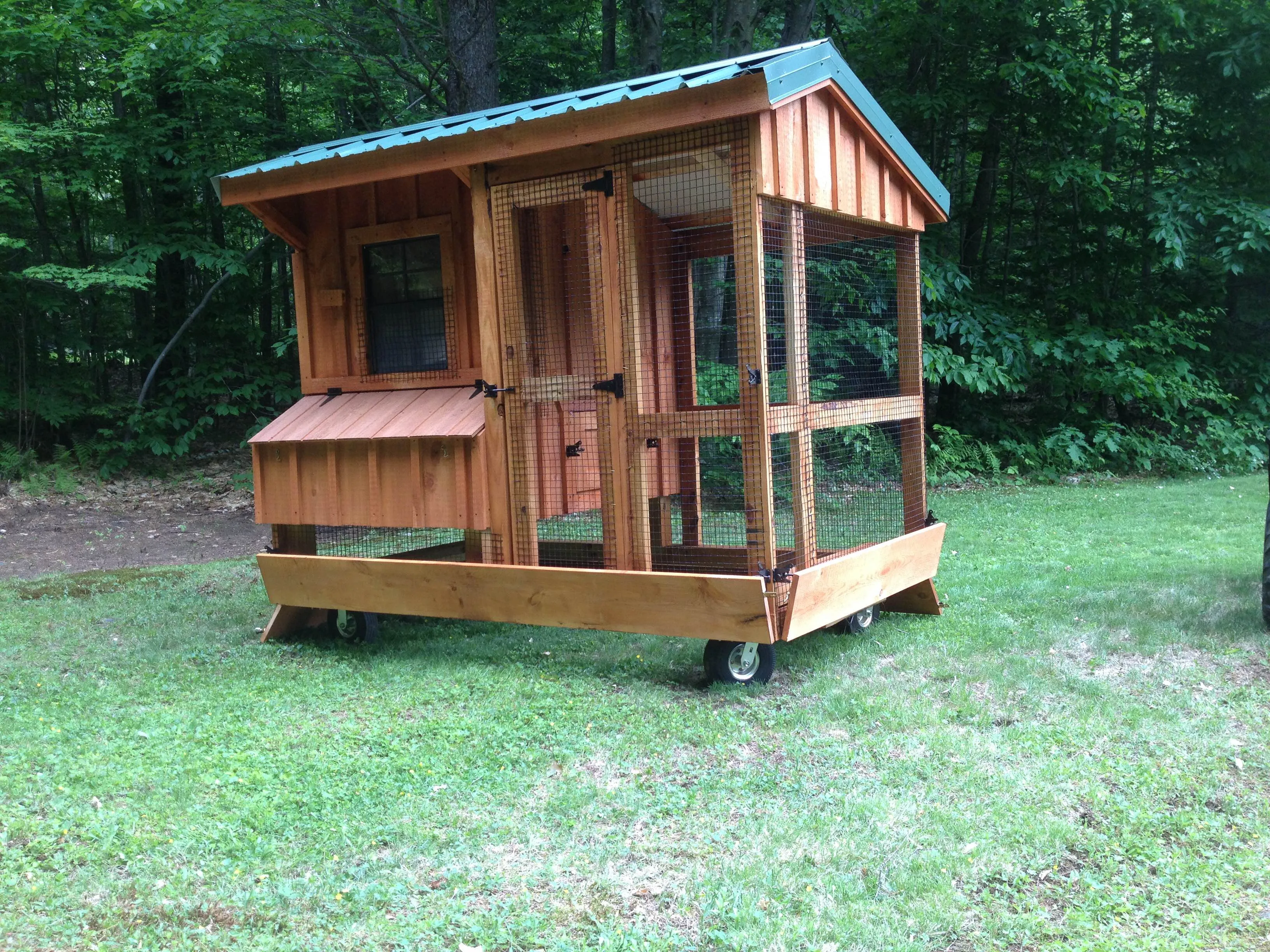
What is an Amish Chicken Coop
An Amish chicken coop is more than just a shelter for your feathered friends; it’s a testament to traditional craftsmanship and a commitment to sustainable living. Rooted in the values of simplicity, functionality, and durability, these coops are built to last, using natural materials and time-honored construction techniques. Unlike modern coops that often prioritize convenience and mass production, Amish-style coops focus on creating a harmonious blend of practicality and aesthetic appeal, reflecting a deep respect for both the animals and the environment. These coops are often characterized by their sturdy construction, efficient design, and a certain rustic charm that fits perfectly into a rural or suburban backyard setting. Building or owning an Amish chicken coop means embracing a lifestyle that values quality over quantity, and longevity over disposability.
Key Characteristics of Amish-Style Coops
Amish-style coops stand out due to several distinctive characteristics. Firstly, their emphasis on natural, durable materials like wood, typically sourced locally, is paramount. The coops are often built with simplicity in mind, avoiding unnecessary complexity and focusing on essential features. Craftsmanship is another hallmark, with skilled Amish builders paying meticulous attention to detail, ensuring each coop is not only functional but also aesthetically pleasing. The designs frequently incorporate practical elements such as good ventilation to maintain a healthy environment for the chickens, sturdy construction to withstand the elements and predator-resistant features. Finally, an Amish coop is often designed to blend seamlessly into its environment, complementing the natural surroundings rather than disrupting them. The overall impression is one of a thoughtfully designed structure that prioritizes the well-being of the chickens and the longevity of the coop itself.
Simple and Functional Design

Amish-style coops prioritize functionality and ease of use. The designs are typically straightforward, with a focus on practical features that make daily chicken care easier. This means clear layouts, easy access for cleaning and egg collection, and a logical arrangement of essential elements such as nesting boxes, roosting bars, and feeders. The simple designs also contribute to the coop’s durability, as fewer complex elements mean fewer potential points of failure. The emphasis on functionality ensures that the coops are not only a comfortable living space for the chickens but also a practical and efficient asset for the owner. This blend of simplicity and practicality is a key element of the Amish approach to building.
Natural and Durable Materials
The choice of materials is a cornerstone of Amish-style coop construction. Wood, particularly locally sourced lumber, is the primary material, prized for its durability, natural insulation properties, and aesthetic appeal. Often, the wood is treated with natural preservatives to enhance its lifespan and protect it from the elements and pests. Avoidance of synthetic materials and a focus on sustainability are also characteristic, aligning with the Amish values of environmental stewardship. The use of high-quality materials ensures that the coops can withstand the test of time, providing a safe and comfortable home for chickens for many years, minimizing the need for frequent repairs or replacements. The emphasis is always on creating structures that are built to last.
Emphasis on Craftsmanship
Amish builders take immense pride in their craftsmanship, evident in the meticulous attention to detail found in their chicken coops. Every joint is carefully constructed, every board precisely cut, and every finish thoughtfully applied. This dedication results in coops that are not only sturdy and functional but also beautiful. Hand tools and traditional building techniques are often used, showcasing a respect for the craft and a rejection of the mass-produced or poorly constructed alternatives. The result is a coop that stands out for its quality, durability, and aesthetic appeal, often becoming a focal point of the backyard or farm. This commitment to quality is a hallmark of the Amish way of life.
Planning Your Amish Chicken Coop

Before embarking on your Amish chicken coop project, thorough planning is essential. This process involves several key considerations to ensure the coop meets the needs of your chickens and complements your property. Proper planning prevents costly mistakes and ensures that the coop is safe, comfortable, and sustainable. This phase is all about careful consideration of details, from the number of chickens you intend to house to the prevailing weather conditions in your area. A well-thought-out plan is the foundation for a successful and rewarding experience in raising backyard chickens.
Determining the Size of Your Coop
The size of your coop is directly related to the number of chickens you plan to keep. A general guideline is to allow at least four square feet of floor space per chicken inside the coop and eight square feet per chicken in the outdoor run. Overcrowding can lead to stress, illness, and social issues within the flock. Consider future growth and potential expansion when determining the size, and factor in the space needed for essential elements such as nesting boxes, roosting bars, and feeding and watering stations. Providing adequate space contributes to the overall health, happiness, and productivity of your chickens.
Considering the Number of Chickens
The number of chickens you choose to raise will significantly influence the coop’s size, design, and the overall management. Consider the space requirements per bird, as well as the breed’s specific needs and behaviors. Start small, especially if you’re new to chicken keeping, and gradually increase your flock size as you gain experience. Think about the local regulations regarding the number of chickens allowed per household. Furthermore, having a good understanding of chicken breeds will help to choose the best ones that suit your climate and personal preferences. The number of chickens influences not only the coop design but also the amount of eggs, the amount of chicken waste, and the amount of feed you will need to buy to keep them healthy and happy.
Choosing the Right Location

Selecting the ideal location for your chicken coop is crucial for the chickens’ well-being and the overall convenience of managing your flock. Choose a spot that offers good drainage to prevent moisture buildup and diseases. Ensure the location receives ample sunlight, but also provides some shade, especially during the hottest parts of the day. Consider proximity to your house for easy access and maintenance, but also ensure it is far enough to minimize noise and odor. The location should also provide protection from prevailing winds and easy access for delivering feed and water. Finally, consider the safety of your chickens by selecting a location that is less likely to attract predators, and that is away from busy roads or potential hazards.
Building Your Amish Chicken Coop
Building an Amish-style chicken coop requires careful attention to detail, a commitment to quality materials, and a respect for traditional construction techniques. From laying the foundation to installing the roof, each step is critical to ensuring the coop is safe, secure, and comfortable for the chickens. While pre-built kits are available, the true Amish experience involves building from scratch, or collaborating with a local Amish builder. This section will guide you through the fundamental aspects of the construction process, highlighting key considerations at each stage.
Foundation and Structure
The foundation provides the structural base for your coop, ensuring it remains stable and level over time. A simple foundation can be constructed with concrete blocks or a poured concrete slab. The structure of the coop is typically built with wood framing, using sturdy lumber that is resistant to rot and pests. Careful alignment and secure joints are essential for creating a strong and durable framework. Ensure that all framing is plumb and square, and that all connections are tightly secured, this helps to withstand weather conditions and keep predators out.
Walls, Roof, and Ventilation

The walls provide protection from the elements, and the roof shelters the chickens from rain and sun. Amish-style coops often feature wooden walls, with the option of adding insulation for temperature regulation. The roof can be shingled or constructed with metal sheeting, ensuring water runoff and preventing leaks. Proper ventilation is crucial for maintaining air quality inside the coop, controlling moisture, and preventing the buildup of ammonia. This is typically achieved through strategically placed vents near the roofline, allowing for adequate airflow without creating drafts. Ensure the ventilation is sufficient to prevent any excessive condensation inside the coop.
Doors, Windows, and Access Points
Doors and windows provide access for the chickens and the owners, as well as allow for natural light and ventilation. Doors should be sturdy and secure, with latches that prevent predators from entering. Windows should be screened to keep out pests while still allowing fresh air to circulate. Access points for cleaning, egg collection, and maintenance are also essential. Consider incorporating a ramp for the chickens to easily enter and exit the coop, and ensure that all access points are well-sealed to prevent drafts and protect the chickens from the elements. The placement of these components should be thoughtfully considered to maximize convenience and safety.
Interior Design of the Coop
The interior design of an Amish chicken coop focuses on creating a comfortable, functional, and safe environment for the chickens. Thoughtful planning of the interior layout can significantly affect the health and productivity of your flock. The key elements to consider are nesting boxes, roosting bars, and the feeding and watering systems. A well-designed interior helps promote hygiene, prevents overcrowding, and ensures that the chickens have everything they need to thrive.
Nesting Boxes and Roosting Bars

Nesting boxes provide a safe and private space for laying eggs. They should be of a size that fits your breed. They should be placed in a dark, quiet area, away from drafts, and away from any direct sunlight. Roosting bars offer a place for the chickens to sleep and rest at night. They should be made of smooth, sturdy material and positioned at a comfortable height. Provide enough roosting space for each chicken, and position the bars away from the nesting boxes to keep them clean. Proper placement of nesting boxes and roosting bars is essential for the well-being of your flock and to help you get clean eggs.
Feeding and Watering Systems
Providing easy access to food and water is fundamental to chicken keeping. Choose feeders and waterers that are appropriate for the number of chickens and the type of feed you are using. Feeders should be designed to minimize waste and protect the feed from the elements and rodents. Waterers should provide a constant supply of clean water. Consider the placement of the feeders and waterers to minimize mess and contamination. Consider the height and the type of the waterer (automatic or manually refilled). Cleaning and maintaining these systems regularly is essential to prevent the spread of disease and ensure the health of your chickens.
Outdoor Run and Safety
An outdoor run is an essential part of an Amish chicken coop, providing the chickens with a safe space to roam, forage, and enjoy fresh air and sunshine. The design of the run is as important as the coop itself, as it must protect the chickens from predators while providing an engaging environment. Proper fencing, secure gates, and other safety features are essential to ensure the well-being of your flock.
Protecting Against Predators

Predator protection is a top priority when designing a chicken coop and run. Use sturdy materials for construction, such as heavy-gauge wire mesh for the run. Bury the wire mesh underground to prevent digging predators from entering. Secure all doors and windows with sturdy latches, and inspect the coop regularly for any signs of damage or potential entry points. Consider using additional deterrents such as electric fencing or motion-activated lights. Building the coop away from trees where predators can jump onto the roof also helps. Vigilance and preventative measures are key to protecting your flock from predators.
Ensuring Proper Hygiene and Sanitation
Maintaining good hygiene and sanitation is crucial for preventing diseases and ensuring the health of your chickens. Regularly clean the coop, removing droppings, spilled feed, and soiled bedding. Use appropriate cleaning products and disinfectants to eliminate bacteria and parasites. Proper ventilation also helps control moisture and prevent the buildup of ammonia, which can be harmful to the chickens’ respiratory systems. Providing a clean and healthy environment is an essential element of responsible chicken keeping.
Maintaining Your Amish Chicken Coop
Regular maintenance is vital to extend the lifespan of your Amish chicken coop and ensure the health and comfort of your chickens. This involves routine cleaning, inspections, and seasonal adjustments to address changing environmental conditions. Taking proactive steps to maintain your coop will save you time and money in the long run, and it will provide a safe and comfortable home for your flock.
Regular Cleaning and Inspection
Regular cleaning and inspection are essential for maintaining a healthy environment. Clean the coop weekly, or more frequently if necessary, removing droppings and soiled bedding. Inspect the coop regularly for any signs of damage, such as cracks in the wood, loose hardware, or damage to the wire mesh. Promptly address any issues to prevent them from escalating. Also, regularly inspect the chickens themselves for signs of illness or parasites. Being observant and responsive to the needs of your flock is an important aspect of chicken care.
Seasonal Maintenance Tips
Seasonal maintenance helps to adapt your coop to changing weather conditions. In winter, insulate the coop to prevent drafts and provide a heat source if needed. In summer, ensure adequate ventilation to prevent overheating. Consider adding extra bedding in winter and adjusting the amount of shade available in summer. Also, inspect the roof and walls for any damage that may have occurred during the previous season. Seasonal adjustments and proactive maintenance practices will help ensure the long-term health and comfort of your flock, no matter the time of year.
Common Problems and Solutions
Even with the best planning and construction, problems can arise with a chicken coop. Some common issues include predator attacks, disease outbreaks, and structural damage. Addressing these issues promptly is crucial for protecting your chickens. For predator attacks, reinforce the coop, secure all access points, and consider adding deterrents. For disease outbreaks, isolate sick birds, clean and disinfect the coop, and consult with a veterinarian. For structural damage, make timely repairs to prevent further deterioration. Be proactive, stay vigilant, and address issues promptly to maintain the health and safety of your flock.
In conclusion, building an Amish-style chicken coop is an investment in a traditional way of life, where craftsmanship, functionality, and sustainability are all valued. The designs, construction methods, and maintenance practices reflect a deep respect for both the chickens and the environment. This guide offers a valuable foundation, and provides the knowledge needed to create a safe, comfortable, and aesthetically pleasing home for your chickens, inspired by the timeless values of the Amish tradition. Embrace the process, enjoy the journey, and take pride in providing a quality home for your chickens.