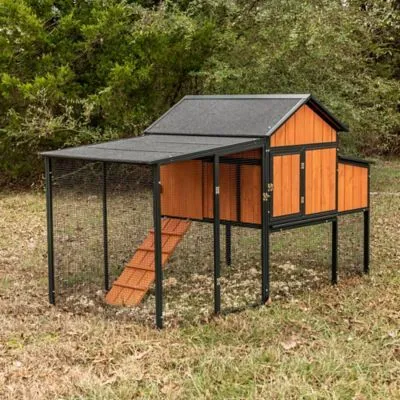
Top 5 Features of a Tractor Supply Chicken Coop
Choosing the right chicken coop is crucial for the health and happiness of your flock. Tractor Supply offers a wide range of chicken coops, making it a go-to destination for poultry keepers. This article dives into the top 5 features you should consider when selecting a chicken coop from Tractor Supply. From size and material to predator protection and ease of maintenance, we’ll cover the essential aspects to help you make an informed decision. Understanding these features will ensure you choose a coop that meets your chickens’ needs and simplifies your backyard poultry experience. Whether you’re a beginner or an experienced chicken keeper, this guide will help you find the perfect coop at Tractor Supply, ensuring your feathered friends thrive.
Size and Capacity
The size and capacity of a chicken coop are paramount for the well-being of your chickens. Overcrowding can lead to stress, disease, and decreased egg production. When browsing Tractor Supply’s selection, pay close attention to the coop’s stated capacity and compare it to the number of chickens you plan to house. A general rule of thumb is to provide at least 4 square feet of floor space per chicken inside the coop and 8-10 square feet in the run. Consider your chickens’ breed and size, as larger breeds will require more space. Tractor Supply often specifies the capacity of its coops, but it’s always best to err on the side of more space to ensure your flock has enough room to move around comfortably.
Factors for Sizing

Several factors influence the ideal size of a chicken coop. The breed of your chickens plays a significant role; larger breeds like Jersey Giants need more space than bantams. Climate is another consideration, as warmer climates may allow for more chickens per square foot. Also, think about your plans for expansion. If you anticipate growing your flock, choose a coop with extra capacity or a design that allows for easy additions. Consider also the time chickens spend inside versus outside; a coop that provides adequate protection from the elements allows them to spend more time in the run. At Tractor Supply, you’ll find coops of various sizes, so carefully evaluate your needs to select the most suitable option.
Material and Durability
The material and durability of a chicken coop are critical for its longevity and the safety of your chickens. Tractor Supply offers coops made from a variety of materials, each with its own advantages. Look for coops constructed from weather-resistant and durable materials that can withstand the elements and protect your chickens from predators. A well-built coop will be an investment that protects your flock and lasts for years. Inspect the coop’s construction, paying attention to the quality of the wood, the strength of the hardware, and the overall build. Consider the climate in your area and choose a material that can handle the local weather conditions, be it heavy rain, snow, or intense sunlight.
Types of Materials Used
Common materials used in Tractor Supply chicken coops include wood, metal, and plastic. Wood coops offer a classic look and can be quite durable if treated properly. Look for wood that is rot-resistant and treated to withstand the elements. Metal coops, often made from galvanized steel, are known for their durability and predator resistance. They are also easier to clean than wooden coops. Plastic coops are lightweight, easy to clean, and resistant to pests. Each material has its pros and cons, so consider your priorities. Evaluate whether the material suits your climate, budget, and aesthetic preferences before making a purchase. Inspect the specific type of wood used, such as cedar or pressure-treated lumber, for longevity.
Design and Ventilation

Proper design and ventilation are essential for maintaining a healthy environment inside your chicken coop. Good ventilation prevents the buildup of ammonia, moisture, and heat, all of which can be detrimental to your chickens’ health. Tractor Supply offers coops with various ventilation designs, including vents, windows, and screened areas. The design should promote airflow without creating drafts that can chill your chickens. A well-ventilated coop will also help reduce odors and prevent the growth of mold and mildew. Consider the orientation of the coop and the placement of vents to ensure optimal airflow throughout the year. Choosing a coop with effective ventilation is a long-term investment in your chickens’ health and well-being.
Ventilation Importance
Adequate ventilation is critical for a chicken coop for several reasons. First, it helps remove moisture from the air, which can lead to respiratory problems and frostbite in the winter. Second, ventilation minimizes the buildup of ammonia, a toxic gas produced by chicken droppings. Prolonged exposure to ammonia can cause respiratory issues and eye irritation in chickens. Third, good ventilation helps regulate the coop’s temperature, preventing overheating in the summer and reducing the risk of frostbite in the winter. Look for coops with adjustable vents and windows that allow you to control airflow based on the weather conditions. Ensure the coop design provides consistent airflow to protect your chickens.
Predator Protection
Protecting your chickens from predators is a top priority. Predators can include foxes, raccoons, coyotes, hawks, and even neighborhood dogs. Tractor Supply offers coops with various predator-resistant features. These include secure latches, strong wire mesh, and solid construction. The coop should be designed to prevent predators from gaining access. It’s essential to inspect the coop for any potential vulnerabilities, such as gaps or weak points. Remember, a predator will exploit any weakness they find. Strengthening your coop against predators ensures the safety of your flock. Consider the types of predators common in your area and choose a coop with features tailored to protect against them.
Security Measures

Effective security measures are crucial for keeping your chickens safe from predators. These include sturdy latches on doors and windows, ensuring that they cannot be easily opened by raccoons or other animals. Hardware cloth (wire mesh with small openings) is preferable to chicken wire, as it is more difficult for predators to chew through. Burying the wire mesh at the bottom of the coop and run prevents digging predators from entering. Consider adding features like a predator apron (extending the wire mesh outwards) to deter diggers. Regularly inspect your coop for any signs of wear and tear and make repairs promptly. Reinforce any vulnerable areas, and install additional security measures if needed. Remember, a secure coop is a safe coop.
Ease of Cleaning and Maintenance
A chicken coop that is easy to clean and maintain will save you time and effort, and it will also contribute to the health of your chickens. Look for coops with features that simplify the cleaning process, such as removable roosts, nesting boxes, and a pull-out tray for droppings. These features make it easier to remove waste and keep the coop fresh and clean. A well-designed coop should also be easy to access for regular maintenance, such as inspections and repairs. Choosing a coop with these features will make the task of keeping your coop tidy less daunting and more manageable. This will result in healthier and happier chickens.
Cleaning Tips
Regular cleaning is essential for maintaining a healthy chicken coop. Start by removing droppings, soiled bedding, and any spilled feed. The frequency of cleaning depends on the size of your flock and the coop’s design, but weekly or bi-weekly cleaning is usually sufficient. Use a coop-safe disinfectant to clean surfaces thoroughly, paying attention to nesting boxes, roosting bars, and other areas where chickens spend a lot of time. Replace bedding regularly, and consider using a deep litter method to reduce the frequency of cleaning. Providing a dust bath area inside the coop can also help chickens maintain their cleanliness. Regularly clean the coop to reduce the risk of parasites and diseases, ensuring your chickens thrive.
Conclusion

Choosing the right chicken coop from Tractor Supply involves considering several key features to ensure the health, safety, and happiness of your flock. Prioritize size and capacity based on your flock’s needs, opting for durable materials that can withstand the elements. Ensure the coop design provides proper ventilation to maintain a healthy environment and prioritize predator protection with secure construction and security measures. Finally, choose a coop that is easy to clean and maintain, simplifying your care routine. By evaluating these key features, you can confidently select a Tractor Supply chicken coop that provides a safe and comfortable home for your chickens, allowing you to enjoy the rewarding experience of raising backyard poultry. Happy chicken keeping!