Chicken Coop Backyard Design Tips
Creating the perfect chicken coop in your backyard is an exciting endeavor. It involves careful planning and design to ensure the health, safety, and happiness of your feathered friends while complementing your outdoor space. This guide provides 5 top design tips to help you build a functional, aesthetically pleasing, and secure chicken coop. From choosing the right location to selecting durable materials, these tips will guide you through the essential considerations for a successful backyard coop. Following these guidelines will not only make your chickens feel at home but also enhance the overall appeal and functionality of your backyard.
Prioritize Location
The location of your chicken coop is crucial for both the chickens’ well-being and your convenience. Consider factors like sunlight, shade, and accessibility. Chickens need a balance of sun and shade to regulate their body temperature and avoid overheating. The coop should receive ample sunlight, particularly during the cooler months, but also have shaded areas for the hotter parts of the day. Think about where the sun rises and sets in your backyard to maximize light exposure. Also, choose a location that is easily accessible for daily chores such as feeding, watering, and cleaning, which makes maintenance much more manageable. Additionally, consider proximity to your house to minimize the distance you have to walk to tend to your chickens.
Sun and Shade Considerations

Provide a balance of sun and shade. Chickens need sunlight for Vitamin D production, but excessive heat can be dangerous. Ensure a shaded area, whether from trees, shade cloth, or the coop’s design itself, to allow the chickens to cool down, especially during the hottest parts of the day. Strategically position the coop to take advantage of natural shade, and consider planting trees or shrubs nearby to provide additional protection from the sun. This balance is critical for the health and comfort of your flock.
Accessibility for Maintenance
Make sure that the coop location is easily accessible for cleaning, feeding, and collecting eggs. A location close to a water source is also beneficial. A well-maintained coop is essential for the health of your chickens and to prevent odors and pests. Design the coop with accessibility in mind, ensuring you can easily reach all areas for cleaning and maintenance. This will save you time and effort in the long run.
Security Measures
Protecting your chickens from predators is paramount. Design your coop and run with security as a top priority. This includes using sturdy materials, secure latches, and burying hardware cloth to prevent digging predators from entering. Consider the types of predators common in your area and tailor your security measures accordingly. Regularly inspect the coop for any signs of damage or weakness, and make necessary repairs promptly to maintain a secure environment for your flock. The investment in security is well worth it to protect your chickens.
Predator-Proofing Your Coop

Use strong, durable materials like hardware cloth (not chicken wire), secure latches, and bury the wire underground to prevent digging. Regularly inspect your coop for any potential weaknesses and repair them immediately. Consider adding features like a predator apron – extending the wire outwards and burying it – or using motion-activated lights to deter predators. Careful attention to these details can significantly reduce the risk of predator attacks.
Fencing and Run Design
A secure run is as important as the coop itself. Use strong fencing materials, and consider burying the fencing to prevent digging predators from getting in. The run should be spacious enough for the chickens to move freely and have a safe place to forage. Incorporate features like a roof or overhead netting to protect against aerial predators. Consider the run’s location in relation to the coop, ensuring it provides adequate shade and protection from the elements. A well-designed run not only keeps your chickens safe but also enriches their lives.
Space Planning and Size
Proper space planning is essential for a healthy and happy flock. The size of your coop and run should be determined by the number of chickens you plan to keep. Overcrowding can lead to stress, disease, and behavioral problems. Plan for adequate space both inside the coop for roosting and nesting and outside in the run for foraging and exercise. A well-planned coop provides ample space for all the chickens to thrive. Calculate the appropriate space requirements to ensure your chickens have room to roam, roost, and nest comfortably.
Calculating Coop Size Based on Flock

A general rule of thumb is to allow at least 4 square feet of space per chicken inside the coop and 8-10 square feet in the run. For bantam breeds, you can slightly reduce the space requirements. Provide enough nesting boxes (one box for every 3-4 hens) and roosting space (at least 8 inches per hen). Consider the breed of chickens you choose, as some breeds may require more space than others. Always err on the side of providing more space to ensure your flock’s comfort and well-being.
Maximizing Space Efficiency
Utilize vertical space to maximize the coop’s footprint. Install roosting bars at different heights and consider using multi-tiered nesting boxes. A-frame coops and raised coops also provide more usable space in a compact footprint. Design the coop with features that optimize space use, such as built-in feeders and waterers. Careful planning and clever design can ensure your chickens have the space they need, even in a smaller backyard.
Ventilation and Climate Control
Proper ventilation and climate control are crucial for maintaining a healthy environment inside the coop. Good ventilation helps to remove moisture, ammonia, and other harmful gases, while also regulating temperature. Ensure the coop has adequate airflow without creating drafts. Consider how the coop will fare in extreme weather conditions, and take measures to regulate temperature during both hot summers and cold winters. Proper ventilation and climate control contribute to the overall health of your chickens.
Importance of Proper Ventilation

Good ventilation prevents the buildup of moisture and ammonia, which can cause respiratory problems in chickens. Use vents that are placed high in the coop to allow for airflow. Avoid placing vents directly above roosting bars to prevent drafts. Ensure that the coop is well-ventilated to maintain a clean and healthy environment, preventing the spread of diseases and promoting the well-being of your flock.
Temperature Regulation Strategies
In hot weather, ensure the coop has plenty of shade and good ventilation. Consider using a fan or misting system to help keep the chickens cool. In cold weather, insulate the coop to help retain heat. Avoid using heat lamps unless necessary, as they can be a fire hazard. Proper temperature regulation keeps your chickens comfortable year-round, contributing to their health and productivity. Proper insulation and strategic placement of the coop can make a big difference in maintaining a comfortable temperature.
Aesthetics and Integration
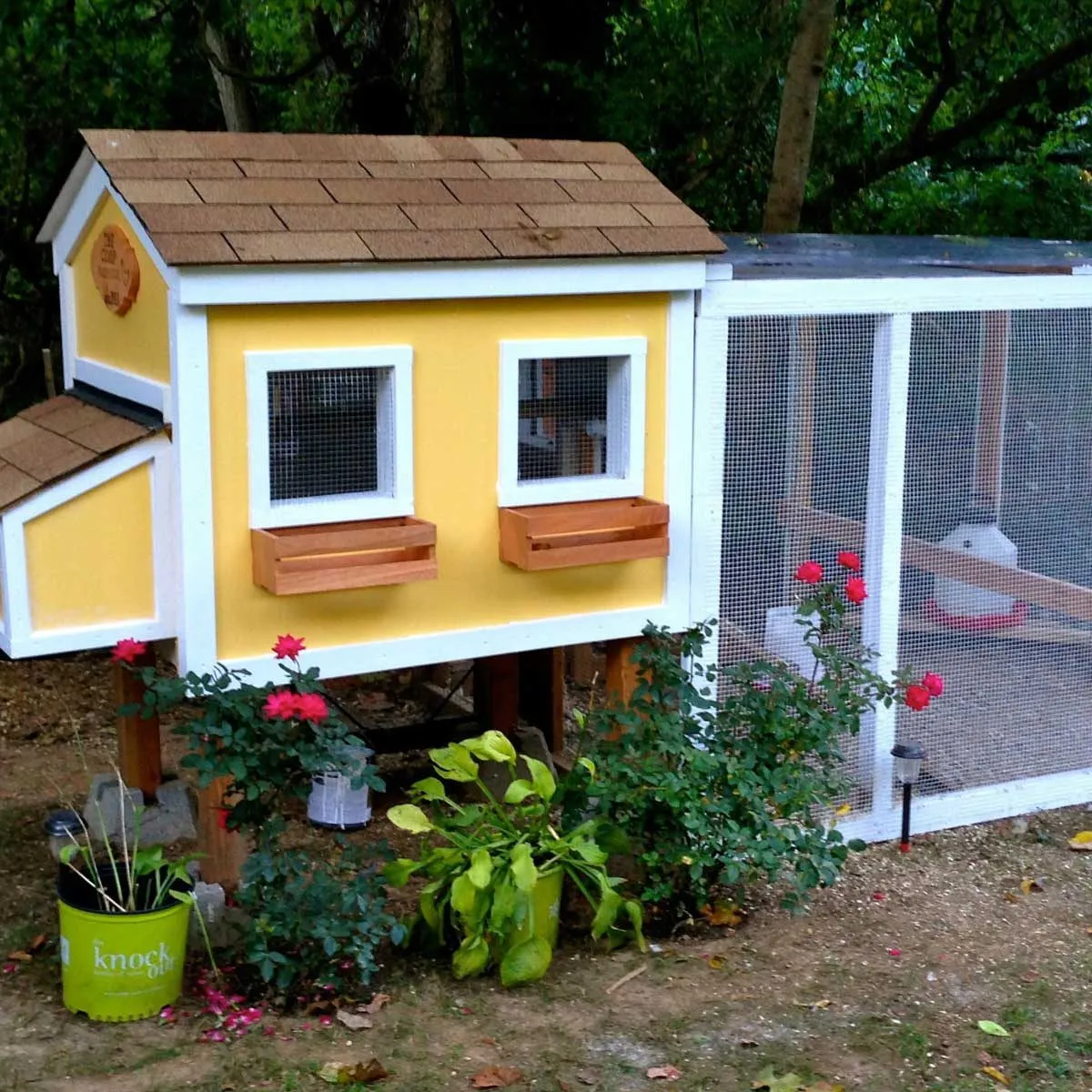
The aesthetic appeal of your chicken coop is an important consideration, as it can significantly impact your backyard’s overall look. Choose a design that complements your home and garden. Consider using attractive materials and finishes to create a visually pleasing structure. A well-designed coop not only provides a safe and comfortable home for your chickens but also enhances the beauty of your backyard. Blending the coop into your landscape creates a harmonious and functional outdoor space.
Coop Style and Backyard Harmony

Choose a coop style that complements your home’s architecture and your backyard’s landscaping. Consider colors and materials that blend with your existing outdoor structures. Whether you prefer a rustic, modern, or cottage-style coop, make sure it fits well within the overall aesthetic of your backyard. Consider adding landscaping around the coop to further integrate it into your garden. Creating a beautiful and functional coop contributes to a more enjoyable outdoor space.
Material Choices and Durability
Select durable, weather-resistant materials. Pressure-treated wood is a good choice for the frame. Use materials that can withstand the elements and the wear and tear of chicken keeping. Consider using materials like cedar or redwood, which are naturally resistant to rot and insects. Avoid materials that may be harmful to chickens, such as lead-based paint. Proper material choices ensure your coop lasts for years. Quality materials will help extend the lifespan of your coop, making it a worthwhile investment.
In conclusion, designing a chicken coop in your backyard is a rewarding project that allows you to provide fresh eggs and enjoy the company of chickens. By following these 5 top design tips focusing on location, security, space planning, ventilation, and aesthetics, you can create a functional, safe, and beautiful coop that meets the needs of both your chickens and your backyard. Careful planning and execution will ensure your coop is a success. Happy chicken keeping!