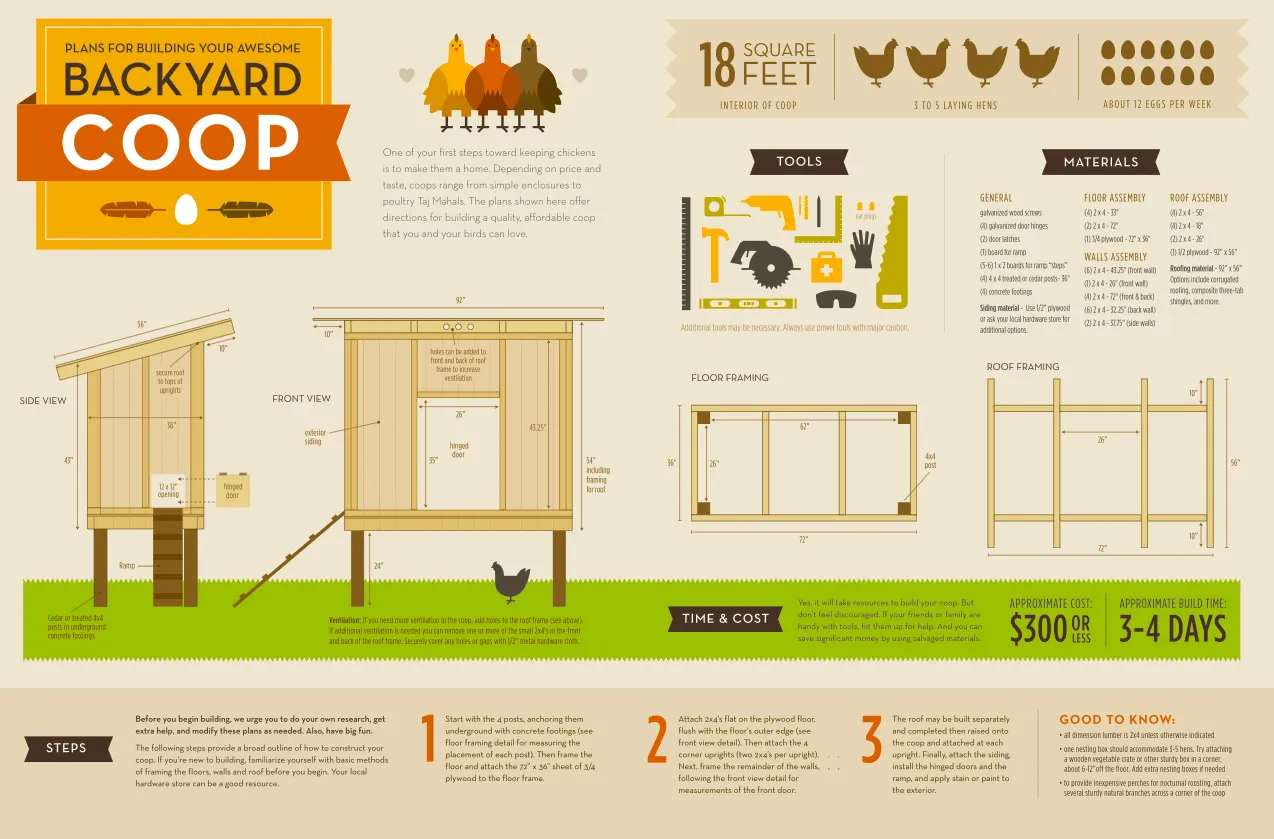
Essential Components of a Chicken Coop Blueprint
Creating a chicken coop blueprint is the foundational step toward building a safe, comfortable, and functional home for your feathered friends. A well-designed blueprint not only ensures the coop’s structural integrity but also considers the chickens’ needs, the surrounding environment, and your specific goals. Before diving into the design, consider factors like local climate, potential predators, and the number of chickens you plan to house. A comprehensive blueprint covers everything from the coop’s size and foundation to ventilation, predator-proofing, and accessibility for cleaning and maintenance. This guide will help you discover the secrets of a well-crafted chicken coop blueprint.
Coop Size and Space Requirements
One of the most critical aspects of any chicken coop blueprint is determining the appropriate size and space allocation. Providing adequate space is essential for the chickens’ health, well-being, and productivity. Overcrowding can lead to stress, disease outbreaks, and reduced egg production. The ideal coop size depends on the number and breed of chickens you plan to keep.
Determining Coop Size Based on Chicken Quantity

As a general rule, aim for at least 4 square feet of floor space per chicken inside the coop. For the outdoor run, provide a minimum of 8-10 square feet per bird. Larger breeds or those that are more active might need even more space. Consider the breed characteristics, as some breeds are more active and require more space. A well-planned blueprint should account for future expansion, too, if you think you may want to add more chickens later. The initial size calculation sets the foundation for the overall coop dimensions.
Optimal Space Allocation for Roosting, Nesting, and Feeding
Beyond the overall square footage, careful allocation of space for essential elements is crucial. Provide ample roosting space; allow at least 8-12 inches of roosting bar per bird. Nesting boxes should be at least 12x12 inches per hen, with enough boxes for your flock to prevent competition. Designate areas for feeders and waterers, ensuring easy access and minimizing waste. Proper space allocation guarantees a comfortable environment and streamlines coop management.
Blueprint for the Coop’s Foundation and Structure
The foundation and structural elements are fundamental to the coop’s durability and longevity. A solid foundation prevents the coop from shifting, settling, or being compromised by ground moisture or pests. The structural framework supports the walls, roof, and other features, providing a sturdy enclosure.
Foundation Types and Construction Methods

There are several foundation options to consider in your chicken coop blueprint. A concrete slab offers excellent protection against predators and pests, while also providing a level surface. A pier and beam foundation can be suitable in areas with poor drainage. A perimeter foundation, made from treated lumber, can also work well, provided the ground is prepared properly. The foundation should extend below the frost line in colder climates to prevent shifting due to freezing and thawing. Proper construction methods ensure the coop’s stability and protection.
Framing the Coop Walls, Roof, and Doors
Framing the walls, roof, and doors is the next major step in your blueprint. Choose durable, weather-resistant materials like pressure-treated lumber for the base and exterior framing. The walls should be sturdy, with adequate support to withstand wind and weather. The roof design should shed water effectively, preventing leaks. Doors should be well-fitted and secure to prevent predator entry. Carefully follow the blueprint’s measurements and specifications for accurate framing and construction.
Blueprint for Ventilation and Climate Control
Proper ventilation and climate control are essential for the health and well-being of your chickens. Poor ventilation leads to moisture buildup, which can cause respiratory problems and frostbite. Adequate climate control ensures a comfortable environment year-round.
Ventilation Systems to Prevent Moisture and Odor

Ventilation is key to removing moisture, ammonia, and other odors from the coop. Plan for ventilation openings high up in the walls and near the roof to allow for the escape of warm, moist air. Ensure that the vents are protected from rain and drafts. Consider adding a ridge vent or a cupola for enhanced airflow. The goal is to promote fresh air circulation without creating drafts at chicken level. Regular cleaning is also crucial to manage odors and maintain a healthy environment.
Insulation and Temperature Regulation Strategies
In colder climates, insulation is critical to maintain a comfortable temperature inside the coop. Insulate the walls and roof with appropriate materials, like fiberglass or rigid foam insulation. In hot climates, consider adding shade, using reflective roofing materials, and providing ample water to help chickens stay cool. Ventilation plays a role in temperature regulation, too. Proper insulation and ventilation work together to ensure your chickens can thrive in all weather conditions.
Blueprint for Security and Predator-Proofing
Protecting your chickens from predators is a top priority. A well-designed chicken coop blueprint includes security measures to prevent access by animals that might harm your birds. Common predators include foxes, raccoons, dogs, and birds of prey.
Mesh Selection and Installation for Windows and Runs

Use heavy-duty hardware cloth, not chicken wire, for the windows and run. Chicken wire is easily penetrated by predators. Hardware cloth has small openings, making it very difficult for predators to get through. Secure the hardware cloth firmly to the frame, overlapping the edges to prevent any weak points. Bury the hardware cloth at least a foot underground around the perimeter of the run to prevent digging predators from entering.
Locking Mechanisms for Doors and Latches
Use sturdy latches and locks on all doors and access points. Simple latches can be easily manipulated by predators. Consider using carabiner-style latches, barrel bolts, or spring-loaded latches. Regularly check the latches to ensure they are functioning properly and have not been damaged. Reinforce door frames and install a predator apron around the coop’s base for enhanced security.
Blueprint for Nesting Boxes and Roosts
Nesting boxes and roosts are crucial components of a comfortable and productive chicken coop. Nesting boxes provide a safe and private place for hens to lay eggs, while roosts offer a place for chickens to sleep at night. A well-designed blueprint considers the placement, size, and construction of these elements.
Nesting Box Design and Placement

Provide one nesting box for every 3-4 hens. Nesting boxes should be at least 12x12 inches in size and located in a quiet, dimly lit area of the coop. Elevate the boxes slightly off the ground to prevent moisture buildup. Consider adding a small lip or edge to the front of the boxes to keep bedding material inside. Use comfortable bedding like straw, wood shavings, or nesting pads in the boxes.
Roosting Bar Dimensions and Placement
Provide roosting bars made of a sturdy material like wood or metal. The bars should be placed at least 18 inches apart and 18-24 inches above the floor. Allow 8-12 inches of roosting space per chicken. Position the roosts away from nesting boxes to prevent droppings from soiling the eggs. Ensure easy access for the chickens to get up to the roosts with a ramp or a series of steps. Make sure to clean regularly to reduce the chance of disease spread.
Blueprint for Coop Accessibility and Maintenance
A well-designed chicken coop is not only comfortable for the chickens but also easy for you to maintain. Accessibility is key to simplifying the tasks of cleaning, feeding, and collecting eggs. A well-conceived blueprint ensures these tasks are as straightforward as possible.
Door Design for Easy Access and Cleaning

Design doors that allow easy access for cleaning, feeding, and egg collection. Consider large doors for easy access to the interior. Provide a human-sized door and smaller access doors for egg collection. Hinges should be sturdy, and latches should be secure. The use of a removable floor can also aid the cleaning process. The doors must be robust enough to keep predators out, too.
Manure Management and Waste Disposal Systems
Consider manure management as part of your blueprint. Provide a removable tray or a built-in manure pit under the roosting bars to make cleaning easier. Implement a system for composting or disposing of manure in a responsible manner. Regular cleaning and waste disposal are essential to maintain a clean and healthy coop environment. Design a system that is easy to clean so this important task can be done frequently.
By following a detailed chicken coop blueprint, you are well on your way to building a chicken coop that meets your chickens’ needs, protects them from predators, and is easy to maintain. From determining the size of your coop to integrating ventilation and security features, each element of your design will contribute to the overall success of your chicken-keeping endeavors. Careful planning and attention to detail ensure that your flock has a safe, comfortable, and productive home.