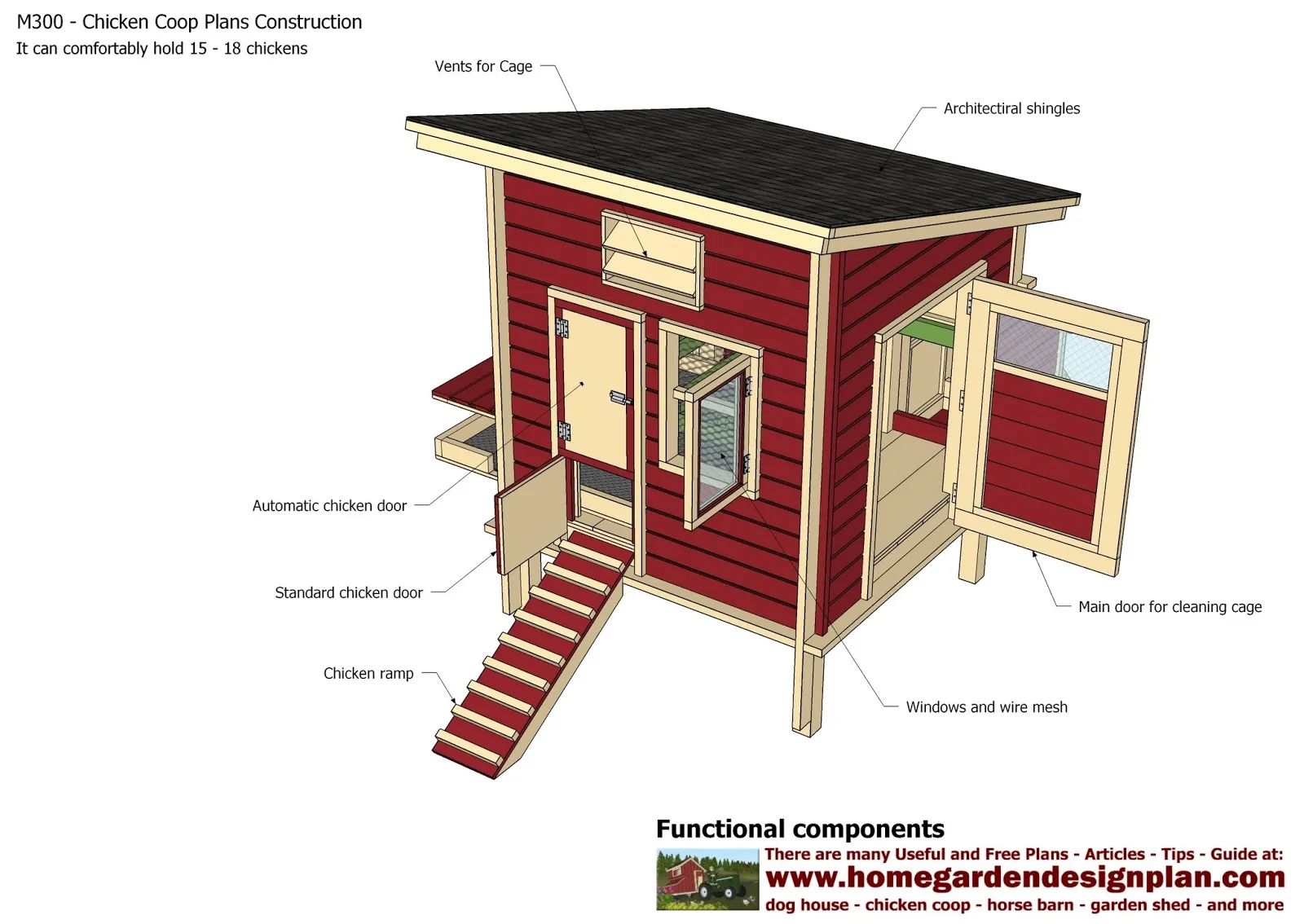
What are Chicken Coop Blueprints
Chicken coop blueprints are detailed plans or diagrams that provide instructions for constructing a chicken coop. These blueprints serve as a roadmap, guiding you through the entire building process, from the foundation to the roof. They typically include measurements, material lists, and step-by-step instructions, ensuring you can build a functional and secure home for your chickens. Blueprints range in complexity, catering to various skill levels and coop sizes. They are essential for anyone looking to build a chicken coop, as they eliminate guesswork and ensure the structure meets the needs of the chickens while complying with local regulations.
Benefits of Using Blueprints
Using chicken coop blueprints offers numerous advantages, saving time and money while guaranteeing a well-built coop. First and foremost, blueprints provide a clear, organized plan, making the construction process easier to understand and follow. This reduces the chances of errors and wasted materials. They also help you estimate material costs accurately, preventing budget overruns. Furthermore, blueprints ensure structural integrity and safety, creating a secure environment for your chickens, protecting them from predators and the elements. Moreover, having blueprints allows you to plan for features such as proper ventilation, roosting bars, and nesting boxes, enhancing the chickens’ well-being and productivity.
Choosing the Right Blueprint

Selecting the appropriate chicken coop blueprint is critical for a successful project. Start by assessing your needs and resources. Consider the number of chickens you plan to house, the available space in your backyard, and your building experience. Look for blueprints that match these requirements, including the coop’s size, design, and features. Also, review the material list and ensure the materials are readily available and within your budget. Read reviews and consider the reputation of the blueprint provider. Choose a blueprint with clear, easy-to-understand instructions and detailed diagrams to simplify the construction process. Also, check if the blueprints comply with local building codes and regulations.
Consider Size and Space
The size of your coop should align with the number of chickens you intend to keep. Provide sufficient space per bird, typically around 4 square feet inside the coop and 8 square feet in the run, to prevent overcrowding and promote a healthier environment. Assess the space available in your backyard, accounting for both the coop and run, allowing for easy access for cleaning and maintenance. Consider the coop’s dimensions, height, and shape to ensure they fit well in the allocated space. Think about the long-term implications of expansion; it’s better to build a coop that can accommodate a few extra chickens. Use diagrams or sketches to visualize the coop’s footprint within your yard to ensure it aligns with your spatial requirements and aesthetic preferences.
Select Suitable Materials
Choosing the right materials ensures the durability, safety, and longevity of your chicken coop. Opt for pressure-treated lumber for the frame and exterior walls, as it resists rot, decay, and pests. Use exterior-grade plywood or siding for the walls and roof, providing weather protection. Ensure that the coop’s design and materials protect against predators, such as using hardware cloth (instead of chicken wire) for the run’s walls and floor. Choose non-toxic materials safe for your chickens, and consider using materials that are easy to clean and maintain. If you’re building a coop with a run, use sturdy, predator-resistant fencing materials. Check material costs and consider the climate in your area, selecting materials that can withstand the weather conditions.
Gather Necessary Tools

Before starting your chicken coop project, gather the necessary tools to ensure an efficient and safe building process. Having the right tools will reduce frustration and improve the overall quality of your coop. Begin with essential tools like a measuring tape, level, saw (circular saw, hand saw, or miter saw), drill, and screwdriver. A hammer, safety glasses, and work gloves are also crucial for personal safety. Depending on the blueprint, you may need additional tools such as a post-hole digger, stapler, and sander. Ensure you have all the necessary tools before you start. Organize your tools and keep them within easy reach to streamline your work. Check each tool to ensure it is in good working condition.
Essential Tools for Coop Building
Having the correct tools is critical for a successful chicken coop build. Start with a circular saw or a miter saw for precise wood cutting, and a drill to drive screws and create pilot holes. A level and measuring tape are indispensable for ensuring structural integrity and accurate dimensions. A hammer and staple gun are helpful for attaching wire mesh and assembling components. Safety glasses and work gloves are vital for protecting yourself from injury. A square ensures all corners are perfectly square. If the blueprint calls for it, a post-hole digger is useful. Don’t forget a pencil to mark measurements and cuts. Having these tools readily available will facilitate the building process.
Building the Coop Frame
The frame forms the foundation of your chicken coop, providing structural support. Follow the blueprint’s instructions carefully, cutting the lumber to the correct lengths according to the plan. Assemble the frame, ensuring all corners are square and the structure is level. Use screws and nails to secure the frame components. Reinforce the corners and joints with corner braces for added strength. Regularly check the frame’s dimensions during construction to maintain accuracy. Consider adding a base frame to raise the coop off the ground, providing protection from moisture and pests. Take your time and ensure the frame is sturdy and well-built, as it is the backbone of the entire structure. Check the frame for level and square throughout the building.
Constructing the Walls and Roof

Once the frame is complete, construct the walls and roof following the blueprint’s specifications. Attach the wall sheathing, such as plywood or siding, to the frame. Ensure that the panels are flush and securely fastened. If you’re using plywood, consider adding a layer of exterior paint or sealant to protect the walls from the weather. Next, build the roof structure, following the blueprint’s instructions for rafters and sheathing. Cover the roof with roofing material, such as asphalt shingles, ensuring proper overlap and secure fastening. Ensure the roof is properly sealed to prevent leaks. Consider the pitch of the roof for proper water runoff. Always wear appropriate safety gear when working at heights and ensure the structure is weather-resistant.
Adding Doors and Windows
Properly installed doors and windows are essential components of a functional and secure chicken coop. Install doors that are easy to open and close, and ensure they are securely fastened. Windows provide natural light and ventilation; position them strategically to allow for airflow. Use hardware cloth or wire mesh over windows for security. Consider the placement of doors and windows, considering accessibility for both you and the chickens. Ensure the door is predator-proof, with secure latches or locks. Make sure windows and doors fit properly within the frame. Test the door and window operation after installation to ensure they function smoothly. Ensure the openings have secure framing.
Setting Up the Coop Interior
Creating a functional and comfortable interior is key to happy, healthy chickens. Install roosting bars, providing a place for chickens to sleep. Place nesting boxes in a quiet, shaded area, making them accessible and comfortable. Consider adding a droppings board beneath the roosting bars to collect waste, simplifying cleaning. Ensure that the coop has adequate ventilation, allowing for air circulation. Add a waterer and a feeder. Plan for easy access for cleaning and maintenance. Use non-toxic materials for the interior. Think about adding some perches in different heights, catering for the chicken’s natural behaviors. Ensure the interior design offers ease of cleaning and encourages hygiene. Ensure a well-lit interior with both natural and artificial light.
Create a Safe and Secure Environment

Safety and security are critical elements when building a chicken coop. Use predator-resistant materials, such as hardware cloth, to prevent unwanted visitors. Ensure the coop is securely latched, and the doors and windows are properly secured. Consider burying hardware cloth around the perimeter of the coop to prevent digging predators. Make sure the coop’s design is weather-resistant and can withstand the elements. Position the coop in a location away from potential hazards, such as overhanging branches or power lines. Regularly inspect the coop for any signs of damage or potential vulnerabilities. The goal is to create a safe, comfortable, and predator-proof environment for your chickens, protecting them from danger.
Important Considerations for Chicken Coop
Several factors can impact the success of your chicken coop project. Comply with all local building codes and regulations, ensuring the coop meets the required standards. Consider the climate in your area, and adjust the coop’s design accordingly. Ensure the coop is easy to clean and maintain, with features such as removable trays and easy access points. Regularly inspect the coop for any signs of wear and tear, addressing any issues promptly. Plan for future needs, anticipating the potential for expansion or modifications. Choose a location for the coop that is convenient, away from excessive noise, and provides adequate sunlight and shade. Consider the ease of access for collecting eggs and providing water and food. Ensure that you maintain hygiene to keep your chickens healthy.
Ventilation and Climate Control
Adequate ventilation and climate control are essential for the well-being of your chickens. Provide proper ventilation to eliminate ammonia build-up and reduce moisture. Install vents near the roof, allowing for fresh air circulation. During the hot summer months, provide shade and ensure the coop has good ventilation to prevent overheating. In colder climates, ensure the coop is insulated to keep the chickens warm. Add a layer of insulation to the walls and roof. Consider using a heat lamp during extremely cold weather. Proper ventilation also helps control the buildup of moisture inside the coop and reduces the risk of respiratory illnesses. Maintain a comfortable temperature for your chickens.
Ensuring Pest Control

Pest control is an essential part of maintaining a healthy environment for your chickens. Prevent rodents and other pests from entering the coop by sealing any cracks or openings. Use hardware cloth or wire mesh to prevent pests from accessing food. Regularly clean the coop to eliminate potential food sources. Consider using natural pest deterrents, such as diatomaceous earth or cedar shavings. Ensure the coop is well-maintained and free of standing water. Remove any decaying material promptly. Store chicken feed in a sealed, rodent-proof container. Regular inspections and proactive pest control measures will protect your chickens and maintain their health.
Tips for Success
Building a chicken coop can be a rewarding experience with the right planning and execution. Start by thoroughly reviewing the chosen blueprint. Double-check all measurements before cutting. Take your time during the construction process, ensuring that each step is completed correctly. Don’t hesitate to ask for help if you encounter challenges. Consider using online resources or consulting with experienced builders if needed. Make sure to regularly inspect your coop. Prioritize safety throughout the project. By following these tips, you can create a secure, functional, and aesthetically pleasing chicken coop that provides a safe and comfortable home for your chickens and helps you build the coop efficiently.