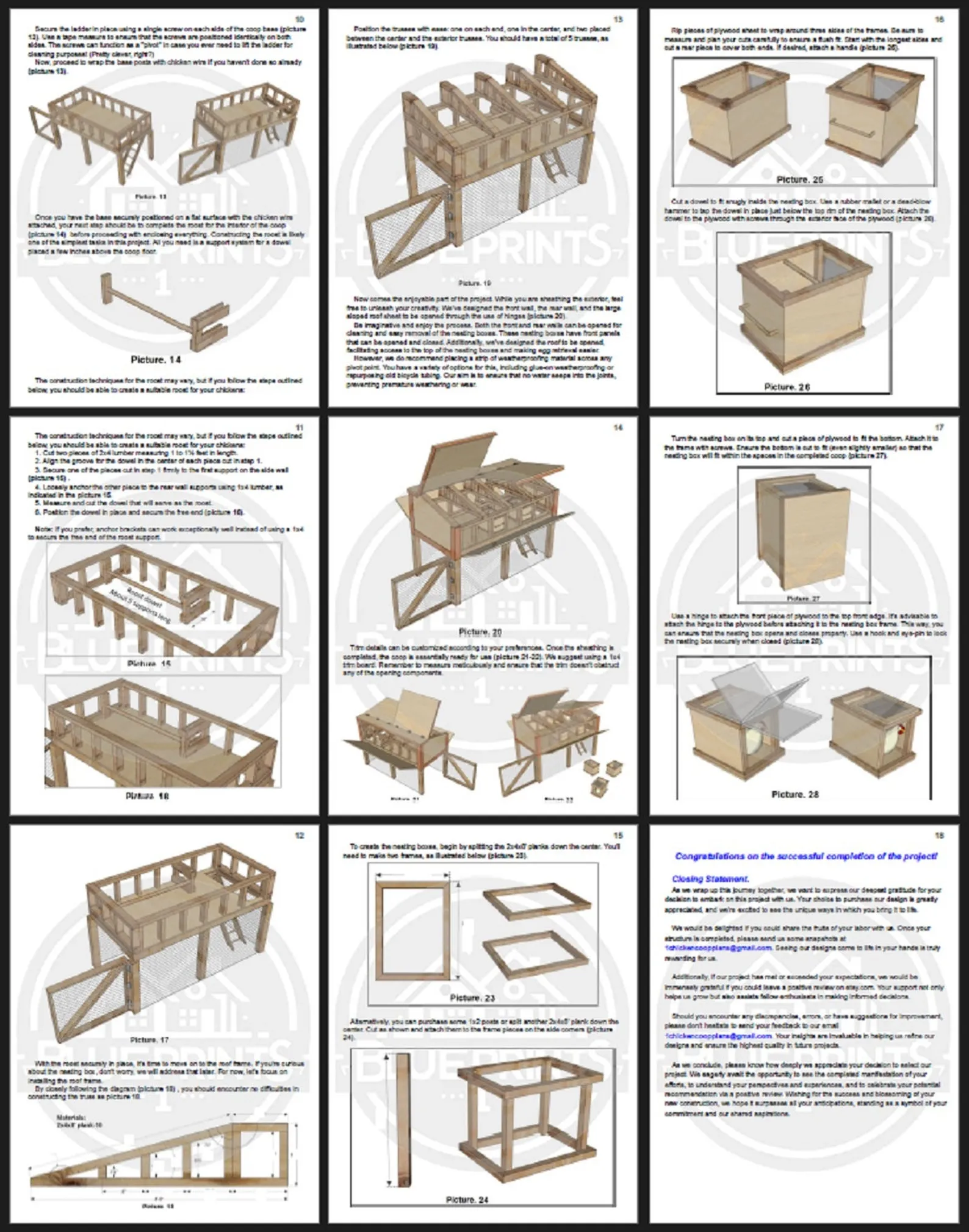
Top 5 Chicken Coop Blueprints: Introduction
Building a chicken coop is a rewarding experience, offering fresh eggs and the joy of raising your own flock. However, the key to success lies in a well-thought-out design and a solid blueprint. This guide will walk you through the top 5 chicken coop blueprints, each offering unique features and benefits to suit different needs and preferences. Whether you’re a beginner or an experienced builder, these designs provide comprehensive plans to help you create a safe, comfortable, and stylish home for your chickens. From classic gable coops to modern designs, we’ll explore the features, materials, and construction tips for each blueprint, ensuring you have all the information needed to start your project. Let’s dive into these amazing chicken coop blueprints to find the perfect one for your backyard.
Blueprint 1: The Classic Gable Coop
The classic gable coop is a timeless design that offers excellent protection from the elements and ample space for your chickens. Its sloped roof allows for efficient water runoff, and the design is generally easy to build, making it an excellent choice for beginners. The traditional aesthetic blends well with various backyard settings, and the gable structure provides structural stability. Classic gable coops are known for their durability and can last for many years with proper maintenance. Consider this design if you value a reliable, straightforward coop that provides a comfortable environment for your chickens year-round.
Features of the Classic Gable Coop

The classic gable coop typically features a rectangular footprint, a sloped roof, and a secure door for easy access. Ventilation is essential, often achieved through vents near the roofline to allow for air circulation, preventing moisture buildup and maintaining a healthy environment for your chickens. Windows can be incorporated for natural light. Nesting boxes are usually positioned in a secluded area within the coop, providing a safe and private space for egg-laying. A roosting bar, elevated off the ground, is another key feature, allowing chickens to perch comfortably at night. Furthermore, the classic gable design can be customized with different sizes and materials, accommodating various flock sizes and aesthetic preferences.
Materials Needed for the Gable Coop
Building a classic gable coop requires common materials that are readily available at any hardware store. These include lumber for the frame, walls, and roof, such as pressure-treated wood for the base and exterior-grade plywood. You will need roofing materials like asphalt shingles or corrugated metal, depending on your preference and budget. Hardware like nails, screws, hinges, and latches are also necessary for assembly and securing doors and windows. Wire mesh is essential for the run to protect chickens from predators, and potentially hardware cloth for the nesting boxes. Consider insulation to help regulate the coop’s temperature, especially in extreme climates. Finally, don’t forget to gather your essential tools such as a saw, drill, hammer, level, and measuring tape.
Building Steps
Construction starts with creating a level base, using pressure-treated lumber for durability. Next, build the frame, ensuring all corners are square. Add the walls and roof, following the blueprint’s specifications. Install the windows and door, securing them with hinges and latches. Construct the nesting boxes, providing comfortable and private spaces for egg-laying. Place the roosting bar. Cover the run area with wire mesh to create a secure outdoor space, and add a door for easy access. Ensure proper ventilation by installing vents. Regularly check for sharp edges, splinters, or any potential hazards. Finally, paint or stain the coop to protect it from the elements and enhance its appearance. This will help ensure longevity and a pleasing aesthetic. (chicken-coop-blueprint)
Blueprint 2: The A-Frame Coop

The A-frame coop is a simple and stylish design, perfect for smaller flocks and backyard spaces. Its unique shape is both aesthetically pleasing and functional, offering excellent weather resistance. The A-frame structure is generally easy to build and move, making it ideal for those who want flexibility in their coop location. Its compact footprint makes it a great choice for those with limited space, while still providing a safe and comfortable environment for your chickens. This design is also often more affordable, making it a great option for budget-conscious chicken keepers. (a-frame-coop-design)
Advantages of an A-Frame Coop
The primary advantage of an A-frame coop is its simplicity and ease of construction. The design uses fewer materials and is generally less time-consuming to build than more complex coop designs. The sloped roof naturally sheds rain and snow, protecting the chickens from the elements. Furthermore, the compact design fits well in smaller spaces. Many A-frame coops are portable, allowing you to move them around the yard to provide fresh foraging opportunities for the chickens. Their affordability makes them a good choice for beginners, and their charming aesthetic often adds to the beauty of a backyard setting.
Construction Tips for the A-Frame
When building an A-frame coop, precision is key, especially when cutting the angles for the roof supports. Ensure all angles are correctly measured and cut for a structurally sound coop. Use high-quality fasteners, like screws, to secure the frame. Choose weather-resistant materials for the exterior to protect the coop from the elements, and consider adding a layer of paint or sealant for extra protection. Ensure good ventilation by incorporating vents near the top of the structure to allow for air circulation. Build a secure door that is easy to open and close. Consider building an attached run, secured with hardware cloth, to give the chickens more space and protection from predators.
Maintaining the A-Frame Coop

Regular maintenance is crucial for the longevity of your A-frame coop. Regularly inspect the structure for any signs of damage, such as cracks, rot, or loose fasteners. Repair any damage promptly to prevent it from worsening. Clean the coop regularly, removing droppings and replacing bedding to maintain a healthy environment. Clean the nesting boxes to keep them fresh and inviting for the hens. Check and maintain the door and any latches, ensuring they are functioning correctly. Inspect the roof for leaks, and repair any damages to prevent water from entering the coop. Consider repainting or resealing the exterior every few years to maintain weather protection and appearance.
Blueprint 3: The Portable Coop
Portable coops, also known as chicken tractors, offer the advantage of mobility, allowing you to move your chickens around the yard to fresh grazing areas. This design is ideal for small-scale chicken keeping and those who want to provide their chickens with constant access to fresh grass and insects. Portable coops help reduce the need for supplemental feeding, as the chickens can forage naturally. They are also helpful in managing pest problems, as chickens will eat many garden pests. These coops are often designed with lightweight materials for easy movement. (portable-chicken-coop)
Benefits of a Portable Coop
The primary benefit is the ability to move the coop to different locations, providing the chickens with access to fresh pasture. This promotes healthier chickens and reduces the need for supplemental feed. Portable coops distribute manure evenly across the yard, improving soil fertility naturally. They also help prevent the chickens from overgrazing any one area. This mobility can also protect your chickens from predators, as you can move them to safer locations at night. The size and design can vary, allowing you to choose a coop that fits your backyard and your flock size.
Designing for Portability

When designing a portable coop, prioritize lightweight materials, like aluminum or lightweight wood. Wheels or skids are essential for easy movement. The coop should be sturdy enough to withstand the elements and protect the chickens. Include a secure run area made with durable wire mesh. Consider the weight of the coop when designing it and make sure it is easy for one or two people to move. Include features such as a roosting bar, nesting boxes, and easy access for collecting eggs. Ensure ventilation is adequate, and that the design allows for easy cleaning and maintenance.
Moving Your Portable Coop
The ease of moving the coop is a key feature of its design. Before moving the coop, make sure the chickens are safely inside. Use the handles or towing points to lift or drag the coop to a new location. Avoid sudden movements to prevent the chickens from being injured. It is best to move the coop a short distance regularly. Consider a schedule for moving the coop to ensure the chickens always have access to fresh foraging grounds. Keep the coop level to maintain the comfort of your chickens.
Blueprint 4: The Colonial Style Coop
Colonial-style coops often integrate elements of classic American architecture. These coops add a touch of elegance to your backyard. They offer a balance of aesthetics and functionality, suitable for chicken keepers who want a coop that complements their home and landscape. The design often features a gabled roof, symmetrical layouts, and decorative elements, creating a charming addition to your property. (colonial-chicken-coop)
Design Elements of a Colonial Coop

Key design elements include a gabled roof, often with dormers. Symmetrical layouts with balanced proportions. Decorative trim, such as crown molding, adds to the aesthetic. The exterior is often painted in traditional colors, such as white, with contrasting trim. Windows and doors are designed to match the architectural style. The coop should incorporate a secure run area that is both functional and visually appealing. Consider using materials that complement the style, such as clapboard siding or wood shingles, to enhance the colonial look.
Incorporating Features
Plan for features like nesting boxes that are easily accessible for egg collection, located within the coop. Ensure the coop includes a roosting bar. Implement ventilation to maintain a healthy indoor environment, and consider adding windows to increase natural light. Incorporate a secure run with sturdy fencing to protect the chickens from predators, and make sure to include a door in the run that offers easy access for cleaning and maintenance. (building-a-chicken-coop)
Blueprint 5: The Modern Coop
Modern chicken coops prioritize functionality and contemporary design elements. These coops often feature clean lines, minimalist aesthetics, and durable, low-maintenance materials. Modern designs focus on maximizing space, and can be customized to fit any size backyard. They provide excellent ventilation, and many are designed to be easily integrated into existing landscaping. (modern-chicken-coop)
Contemporary Design Elements

Contemporary design elements include clean lines, geometric shapes, and simple, unadorned surfaces. The use of modern materials, such as metal roofing, composite siding, or sustainable wood, is typical. Large windows offer enhanced natural light, improving the interior environment. The design often incorporates smart features, such as automated doors and feeders, and the coop will often have an integrated run area. Emphasis on practicality and efficiency is a key characteristic. (chicken-coop-blueprint)
Modern Coop Maintenance
Modern coops often feature easy-to-clean surfaces and designs that reduce maintenance needs. Many utilize materials that are resistant to weather and pests. Regular cleaning of the coop is still important, to ensure a hygienic environment. Inspect the coop regularly for any damage, such as cracks or loose hardware. Cleaning can be simplified with removable floorboards and easily accessible areas. Ensure adequate ventilation and make use of the automated features for ease of maintenance.
Conclusion
Choosing the right chicken coop blueprint is crucial for the success of your flock and your enjoyment of backyard chicken keeping. Each of the 5 designs presented—the Classic Gable, A-Frame, Portable, Colonial, and Modern—offers unique benefits to meet diverse needs and preferences. Consider your backyard space, flock size, aesthetic preferences, and budget when selecting a blueprint. Remember to prioritize your chickens’ safety, comfort, and the ease of maintenance. By carefully considering the features and requirements of each design, you can create a coop that not only provides a safe and comfortable home for your chickens, but also adds beauty and functionality to your outdoor space. Happy building, and enjoy the rewards of fresh eggs and happy hens!