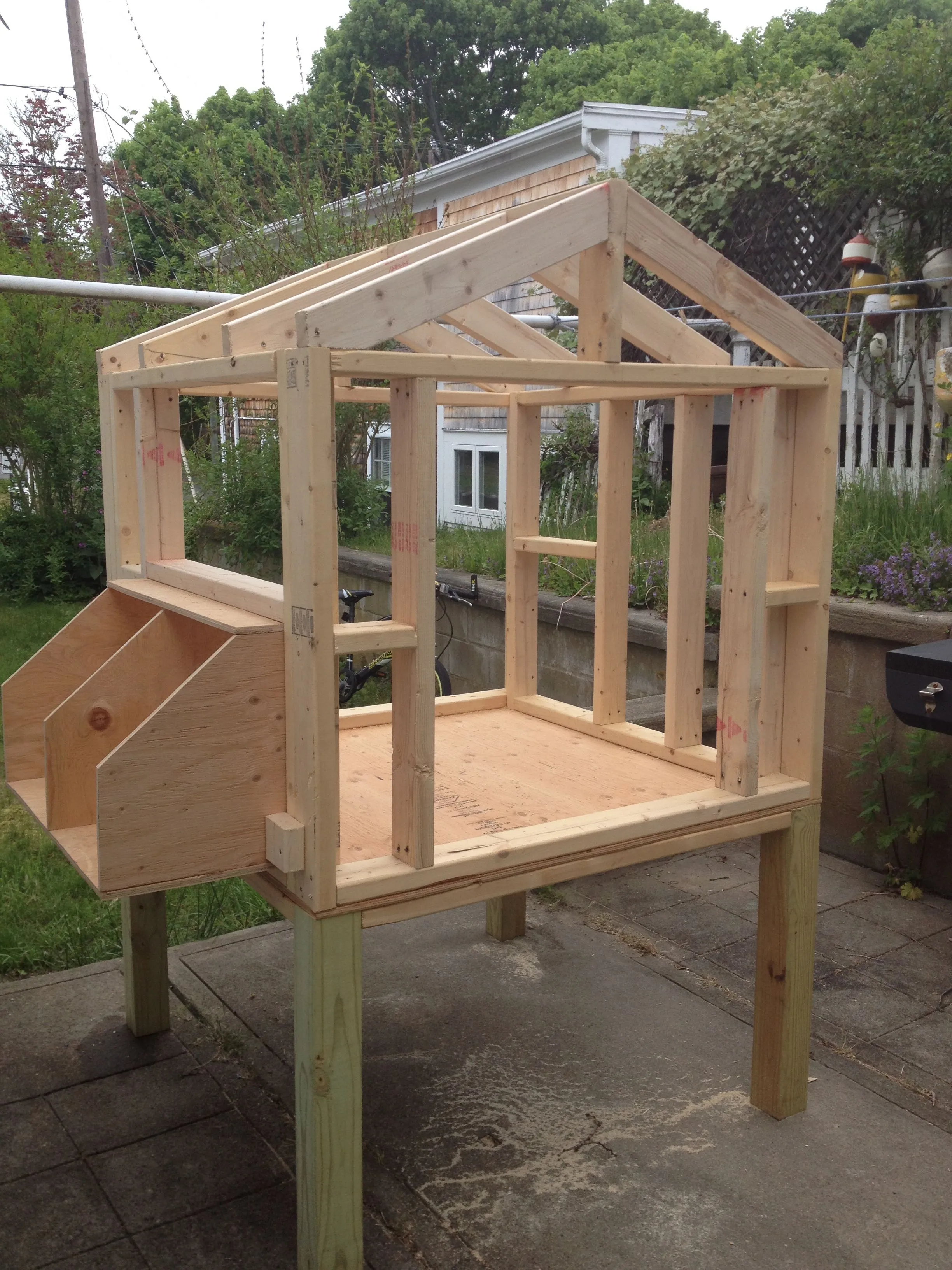
Chicken Coop Build How To Guide
Building a chicken coop is a rewarding project that allows you to raise your own chickens, providing fresh eggs and a connection to sustainable living. This guide provides a comprehensive roadmap, ensuring you can successfully build a functional and safe coop. Whether you are a seasoned DIY enthusiast or a complete beginner, these instructions will empower you to create a comfortable home for your feathered friends. Let’s get started building a chicken coop!
Planning Your Chicken Coop Build
Careful planning is essential for a successful chicken coop build. This stage sets the foundation for a project that meets your needs and the needs of your chickens. Consider the space available, the number of chickens you intend to house, and the local climate when making your plans. A well-planned coop is easier to build, more efficient, and safer for your flock. Before starting construction, take time to sketch out your design and create a list of required materials.
Determining Coop Size

The size of your coop directly relates to the number of chickens you plan to keep. As a general rule, allow at least 4 square feet of floor space per chicken inside the coop. This provides ample room for roosting, nesting, and movement. The size of the attached run should be even larger, offering a minimum of 8-10 square feet per bird for outdoor exercise. Consider adding extra space to accommodate future expansion of your flock. Overcrowding can lead to stress, disease, and behavioral problems.
Choosing a Location
The location of your coop is critical. Select a site that is relatively level and well-drained to prevent water accumulation, which can lead to unhealthy conditions and structural damage. Ensure the area receives adequate sunlight, as it helps with ventilation and keeps the coop dry. Consider access to water and electricity for easy maintenance and providing necessities. Also, consider the proximity to your house and neighbors and ensure that the location complies with local ordinances regarding chicken keeping.
Essential Materials for Chicken Coop Build
Choosing the right materials is crucial for a durable and safe coop. Opt for materials that can withstand weather conditions, resist pest infestations, and are non-toxic to the chickens. A list of supplies can be helpful in your building process. This involves selecting wood, hardware, and roofing materials which affects the coop’s longevity and the well-being of your birds. Budget and local availability can also affect the materials you end up using for your coop.
Wood Selection

For the frame and structure, pressure-treated lumber is recommended due to its resistance to rot, moisture, and insect damage. However, avoid using pressure-treated wood in areas where chickens will come into direct contact with it, especially inside the coop. For the coop walls and roof sheathing, plywood or oriented strand board (OSB) are suitable options. Ensure the wood is free of splinters and sharp edges to prevent injury to your chickens. Consider using cedar or redwood for nesting boxes and roosting bars, as they are naturally resistant to pests.
Hardware and Fasteners
Use galvanized or stainless-steel hardware, including nails, screws, and hinges, to prevent rust and corrosion. Rust can weaken the structure of your coop and create an unsafe environment for your chickens. Use strong hinges and latches for the door and nesting boxes to ensure security. For the run, utilize heavy-duty chicken wire or hardware cloth. These materials provide excellent predator protection. When choosing fasteners, make sure they are the appropriate size and type for the wood you are using.
Building the Coop Frame
Building a sturdy frame is the foundation of your chicken coop. Proper construction ensures structural integrity and longevity. This involves cutting the wood according to your design plans and securely fastening the pieces together. Accuracy and precision are paramount during this phase, so ensure you have measured and marked all pieces. Double-check your measurements before cutting and joining the wood. A well-constructed frame provides a solid base for the walls, roof, and other components of the coop.
Constructing the Base and Walls

Begin by constructing the base of the coop. Ensure it is level and square. Attach the wall studs to the base, ensuring they are plumb (perfectly vertical) and properly spaced according to your design. Use nails or screws to secure each stud, then add the wall sheathing, making sure it fits snugly against the frame. Build the walls in sections and then attach them to the base. This method simplifies the building process. Ensure that all corners are square and that the walls are securely attached to the base.
Framing the Roof
After the walls are complete, frame the roof. There are several different roof designs (gable, shed, etc.) Choose one that suits your skill level and the local climate. Cut the rafters to the correct length and angle, then attach them to the top of the walls, using nails or screws. Consider the overhang of the roof to provide shelter from the sun and rain. Ensure the roof frame is strong enough to support the weight of the roofing materials, especially in areas with heavy snowfall. Properly framed roof is key for preventing water damage.
Adding the Roof and Roofing Materials
Once the roof frame is complete, sheathe it with plywood or OSB. Cover the sheathing with roofing felt or a waterproof membrane to protect the wood from moisture. Install the roofing material of your choice – asphalt shingles, metal roofing, or other options. Ensure that the roofing material overlaps correctly to prevent leaks. Proper installation is critical for a watertight roof. Make sure to follow the manufacturer’s instructions carefully to ensure the roof’s longevity and protection.
Installing the Chicken Wire and Security Measures

To protect your chickens from predators, secure the coop with chicken wire or hardware cloth. Use hardware cloth on the walls and roof to prevent predators from entering. The openings should be no more than 1/2 inch to prevent predators from reaching through. Bury the wire several inches below the ground around the perimeter of the coop to deter digging predators. Ensure all gaps and openings are covered and secured. Add secure latches to all doors and access points.
Creating the Chicken Door and Run
The chicken door should be large enough for your chickens to enter and exit comfortably. Install a secure latch to keep out predators. For the run, create a fenced-in area that is attached to the coop. This allows chickens to roam and forage safely. Make sure the run is large enough for the number of chickens you have. Enclose the run with chicken wire or hardware cloth to keep predators out. Consider covering the run with a roof to protect your chickens from the sun and elements.
Interior Design and Features
The interior design of your coop significantly impacts your chickens’ comfort and health. Features like nesting boxes, roosting bars, and ventilation systems are important. Plan these features with your chickens’ needs in mind. This will make your coop a comfortable and efficient home for your flock. A thoughtfully designed interior helps keep the coop clean and easy to maintain, which is important for your chickens’ health.
Nesting Boxes and Roosting Bars

Provide one nesting box for every 3-4 hens. Nesting boxes should be a comfortable size, roughly 12x12x12 inches. Place them in a dark, quiet area of the coop. Install roosting bars, allowing about 8-10 inches of space per chicken. Place the roosting bars at a comfortable height, slightly above the nesting boxes. Consider the placement of the roosting bars to optimize space and ensure the chickens feel safe and secure while they sleep.
Ventilation and Lighting
Proper ventilation is vital for removing ammonia fumes, excess moisture, and maintaining air quality. Install vents near the roof and away from nesting boxes to ensure fresh air circulation. Avoid drafts that could chill your chickens, however. Provide natural light by installing windows. In colder climates, consider using a heat lamp during the winter months. Make sure that all electrical components are installed safely to prevent fire hazards.
Finishing Touches and Safety
The finishing touches can greatly enhance the appearance, safety, and longevity of your chicken coop. This involves painting, weatherproofing, and implementing predator-proofing measures. By paying attention to these final details, you’ll make your coop a safe and comfortable home for your chickens and a source of pride for you.
Painting and Weatherproofing

Paint the exterior of the coop with a weather-resistant paint to protect the wood from the elements and improve its appearance. Choose colors that blend in with your surroundings or complement your backyard. Seal all cracks and gaps with caulk to prevent drafts and water intrusion. Weatherproof your coop, especially in climates with extreme weather, to ensure it remains durable and functional for many years to come.
Ensuring Predator Protection
Predator protection is essential to keep your chickens safe. Bury wire mesh around the perimeter of the coop and run to prevent digging predators. Use secure latches and locks on all doors and access points. Cover the run with a wire mesh roof to protect against aerial predators. Inspect the coop regularly for any signs of damage or potential entry points for predators. Always prioritize predator protection measures to safeguard your flock.
Maintaining Your Chicken Coop
Regular maintenance is key to keeping your chicken coop clean, safe, and in good condition. This includes cleaning, pest control, and regular inspections. A well-maintained coop is healthier for your chickens and helps to prolong the life of the structure. With consistent maintenance, your coop will provide a comfortable home for your chickens for years to come. A little effort goes a long way in preventing future problems and reducing the amount of time spent on repairs.