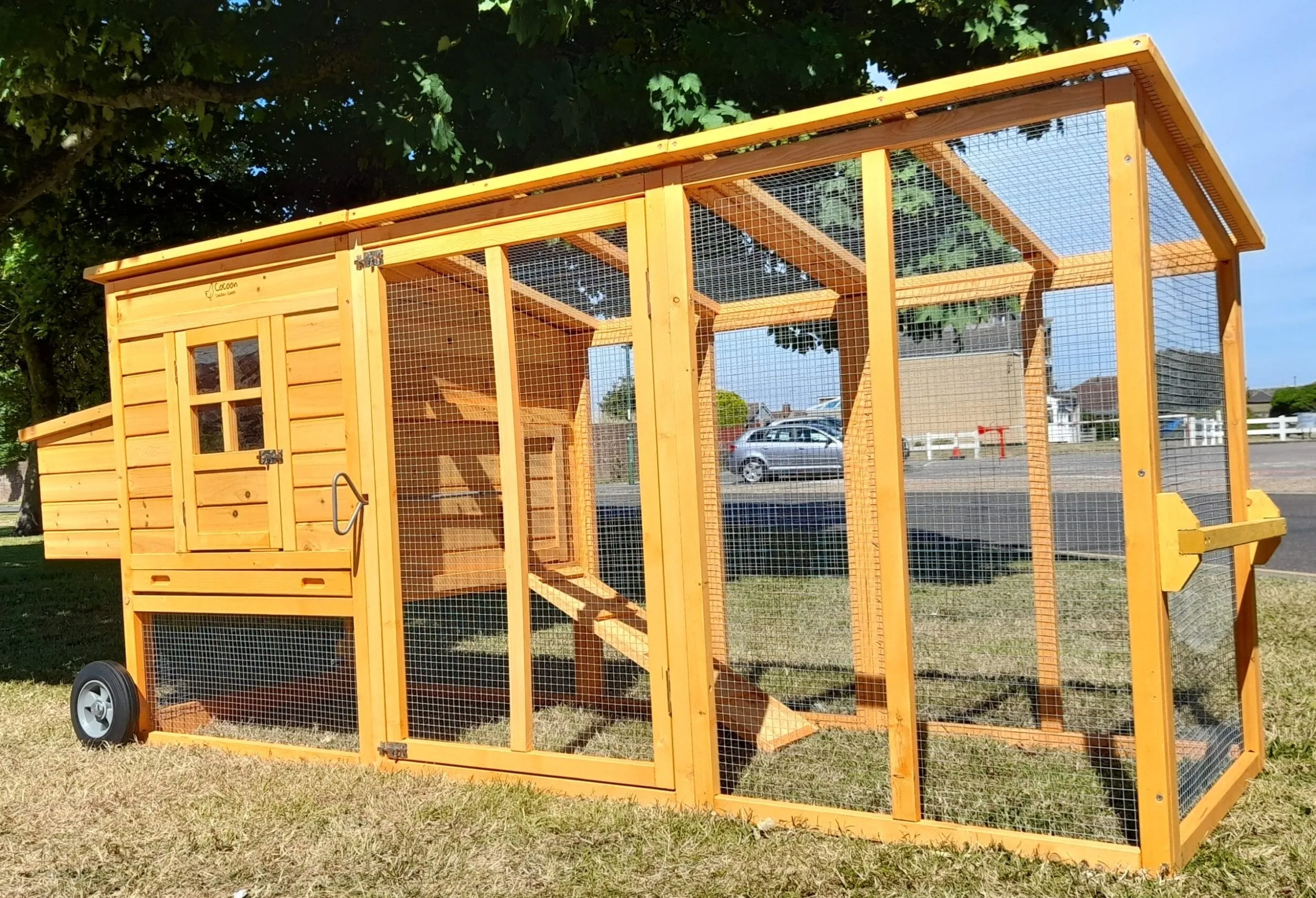
Building a chicken coop for 4 chickens is a rewarding project that allows you to raise your own fresh eggs and enjoy the company of these charming birds. This comprehensive how-to guide will walk you through every step of the process, from planning and material selection to construction and maintenance. With careful planning and execution, you can create a safe, comfortable, and functional home for your flock. This guide focuses on building a coop suitable for four chickens, ensuring that you have enough space and resources to keep your chickens happy and healthy.
Choosing the Right Location for Your Chicken Coop
The location of your chicken coop is a critical factor in its success. A well-chosen spot will not only benefit your chickens but also simplify your daily routines. Consider these essential elements to ensure your coop is perfectly positioned for both your chickens’ and your own well-being. A strategic location will save you time, effort, and potential headaches in the long run. Proper placement is the first step in creating an enjoyable and sustainable experience for both you and your flock. Remember, once the coop is built, it’s not easy to move!
Sunlight and Shade
Chickens need a balance of sunlight and shade. Direct sunlight helps with vitamin D production, but excessive heat can be detrimental. Choose a location that receives morning sun and afternoon shade, especially in warmer climates. This will help regulate the coop’s temperature and keep your chickens comfortable throughout the day. Consider the path of the sun throughout the year, as this can change dramatically with the seasons. The ideal location will allow your chickens to enjoy the benefits of sunlight without the risk of overheating.
Protection from the Elements

The coop should be protected from wind, rain, and snow. A sheltered location will help maintain a consistent temperature inside the coop, minimizing stress on your chickens and extending their laying season. Consider the prevailing winds and position the coop accordingly. Ensure the roof is properly constructed to prevent leaks and provide adequate protection from the elements. Selecting a location that naturally offers some wind and weather protection can save on construction costs and make the coop more sustainable.
Accessibility for Maintenance
The coop’s location should also allow for easy access for cleaning, feeding, and collecting eggs. Position the coop close enough to your house for convenience but far enough away to minimize noise and odor. Consider the path you will take to the coop and ensure it is accessible year-round. A well-planned location will make your daily chores much easier and more enjoyable. Think about how you will transport feed, water, and cleaning supplies to the coop, and choose a location that minimizes travel distance.
Essential Materials and Tools
Before you begin building your chicken coop, gathering the right materials and tools is crucial. This preparation phase will ensure a smooth and efficient construction process. Careful selection of materials and tools will not only impact the final product’s quality but also contribute to your overall building experience. Having everything ready to go will minimize delays and allow you to focus on the construction itself. Consider purchasing materials in advance to take advantage of sales and ensure availability.
Wood for the Coop

Select rot-resistant wood, such as cedar or pressure-treated lumber, for the coop’s frame and structure. Untreated wood can be used for interior components, like nesting boxes and roosting bars. Choose wood that is free from warping or splitting. Consider the environmental impact of your choices and opt for sustainably sourced lumber whenever possible. The longevity and durability of your coop depend on the quality of the wood you select, so choose wisely. Make sure your lumber is properly dried to prevent future issues.
Hardware and Fasteners
Use galvanized or stainless-steel hardware to prevent rust and corrosion. Screws and nails should be appropriate for the type of wood you are using and the tasks at hand. Ensure you have a sufficient supply of all fasteners to complete the project without interruption. Consider using construction adhesive to reinforce joints and increase the coop’s structural integrity. Quality hardware will ensure your coop can withstand the elements and the test of time. Having a variety of sizes and types of fasteners will be beneficial.
Tools You’ll Need
Essential tools include a saw (circular saw or hand saw), drill, level, measuring tape, hammer, and screwdriver. Safety glasses, work gloves, and a dust mask are also necessary. If you are constructing a chicken run, you will also need wire cutters or a fence stretcher. Having the right tools will make the construction process much easier and more enjoyable. Consider renting specialized tools if you don’t plan to use them frequently. Make sure all your tools are in good working order before you start.
Building the Coop Structure

The structure is the core of the chicken coop. Proper construction ensures the safety and comfort of your chickens. With careful planning, you can build a sturdy and reliable structure that will last for years. Accurate measurements and attention to detail are critical during this stage. The construction of your chicken coop’s structure involves creating a base, building the frame, and adding a secure run. Following these steps will help ensure your coop is durable, safe, and functional. Ensure all cuts are straight and joints are square to ensure structural integrity.
Base and Frame Construction
Begin by constructing the base of your coop, which provides a level foundation. Use pressure-treated lumber to build a rectangular or square frame. Next, build the frame using lumber, ensuring all corners are square and properly supported. The frame should be sturdy enough to support the walls and roof. Consider adding corner braces to provide additional stability. Ensure the frame is level before attaching any other components. This foundational step sets the stage for a secure and well-built coop.
Wall and Roof Framing
Frame the walls and roof using lumber, following your plans. The walls should be sturdy and well-braced. The roof should be sloped to allow for water runoff. Use appropriate fasteners to secure the framing components. Consider adding insulation to the walls and roof for added warmth in the winter and cooling in the summer. Overlap the roof panels to prevent water from penetrating. Ensuring proper framing will provide the strength and longevity your coop requires.
Adding the Chicken Run

Construct a chicken run, an enclosed outdoor area, attached to the coop. Use sturdy posts and hardware cloth or welded wire mesh to create the walls. Bury the wire mesh several inches into the ground to prevent predators from digging under. Add a gate for easy access. Ensure the run is large enough to provide adequate space for your chickens to roam and forage. The run provides an essential area for exercise and protection, allowing your chickens to safely enjoy the outdoors. The run’s construction should be as secure as the coop itself.
Creating a Secure Coop Interior
The interior of your chicken coop should be designed for functionality and the comfort of your chickens. Key components include nesting boxes, roosting bars, and proper ventilation. These elements will influence the health, productivity, and overall happiness of your flock. Proper planning will create a convenient and comfortable environment for your chickens. The interior design should balance comfort, safety, and ease of maintenance. This creates a healthy living space.
Nesting Boxes Design
Build nesting boxes, one box for every 3-4 hens. The boxes should be dark, secluded, and easy for the hens to access. Position the boxes in a quiet part of the coop. Line the boxes with soft, clean bedding, such as straw or wood shavings. Ensure the boxes are large enough to accommodate the hens comfortably. Regular cleaning and maintenance of the nesting boxes are essential for hygiene and egg quality. Nesting boxes should encourage the hens to lay in a desired location, making egg collection easier.
Roosting Bars Installation

Install roosting bars at a height that is comfortable for your chickens to perch on at night. Provide approximately 8-10 inches of roosting space per chicken. The bars should be made from wood and positioned away from the walls to prevent droppings from soiling the walls. Easy cleaning and maintenance are important, so design the coop so the roosting bars are easily accessible. Proper roosting bars promote healthy sleeping habits, allowing chickens to rest and stay safe during the night. Choosing the correct diameter bar is important.
Ventilation and Insulation
Proper ventilation is vital to remove moisture and ammonia buildup, keeping your chickens healthy. Install vents near the roof and ensure proper airflow. Consider insulating the coop walls and roof to regulate temperature. Ventilation will help reduce the risk of respiratory illness. Proper insulation will improve the coop’s ability to retain heat during winter and stay cool in the summer. Well-ventilated and insulated coops improve overall chicken health, egg production, and coop longevity. Good airflow is a must for a healthy coop.
Ensuring Coop Security
Protecting your chickens from predators is paramount. Thorough planning and careful construction are essential to creating a safe environment. A secure coop will not only safeguard your flock but also give you peace of mind. Your chickens depend on you to protect them from threats. Constant vigilance and regular maintenance are crucial for long-term security. Predatory animals are very persistent and clever, so your coop’s defenses need to be robust.
Predator-Proofing the Coop

Use hardware cloth or welded wire mesh with small openings to cover all openings, including windows and vents. Bury the wire mesh around the perimeter of the coop and run to prevent digging. Secure all doors and windows with sturdy latches. Consider adding an automatic door opener for convenience and security. Inspect the coop regularly for any signs of damage or potential entry points. The best defense is a strong offense; proactive measures will prevent attacks. Your chickens will be vulnerable without proper protection.
Securing Doors and Windows
Doors and windows should be constructed from durable materials and equipped with secure latches or locks. Reinforce doorframes and window frames with strong materials. Consider using hardware cloth or wire mesh on windows for added protection. Inspect and maintain all latches and locks regularly. Secure doors and windows is crucial for preventing predator access. This can also improve the coop’s weather resistance. The smallest gaps can be exploited by predators, so pay close attention to detail.
Regular Coop Maintenance
Regular maintenance is essential for keeping your chicken coop clean, safe, and in good condition. Consistent cleaning and preventative measures can prolong the coop’s life and ensure the health of your flock. Establishing a regular maintenance routine will save time and effort in the long run. Regular maintenance enhances the health and happiness of your chickens and improves the overall functionality of your coop. Consistent care protects your investment.
Cleaning and Waste Management
Clean the coop regularly, removing droppings and soiled bedding. Replace the bedding in the nesting boxes frequently. Consider composting the chicken manure for use in your garden. Dispose of waste properly to prevent odors and attract pests. Cleaning should be a weekly task, at a minimum. The frequency of cleaning might be greater if you have a larger coop. This ensures a healthy environment for your chickens and reduces the risk of disease. Proper waste management is vital for a clean and healthy environment.
Health and Pest Control
Monitor your chickens for signs of illness or pests. Control pests, such as mites and lice, with appropriate treatments. Provide fresh water and feed daily. Ensure the coop is dry and well-ventilated to prevent health problems. Regular health checks will allow you to address problems early. The health of the flock can be impacted if these measures are not taken. Preventative measures are crucial to keep your chickens healthy and productive. Keeping a close watch on the overall health of your flock and the coop is important.
Building a chicken coop for four chickens is a fulfilling project that provides you with fresh eggs and the joy of raising poultry. By following this step-by-step guide, you can create a safe, secure, and comfortable home for your flock. Remember to prioritize location, material selection, construction, and regular maintenance. Enjoy the process, and soon you will be collecting fresh eggs from your own backyard! Proper planning and execution are keys to success. A well-built coop will be a source of satisfaction for years to come.