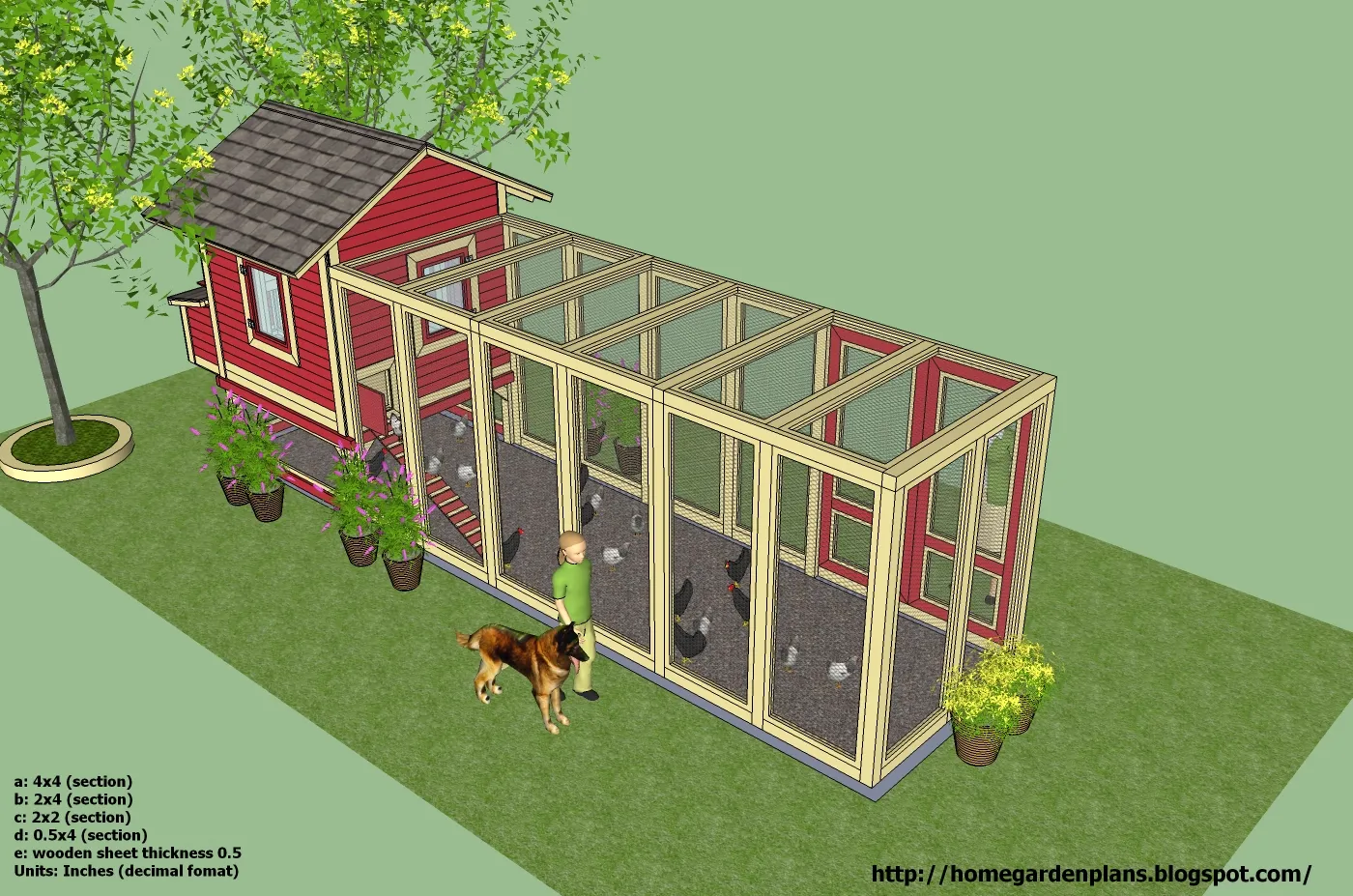
Choosing the Perfect Chicken Coop Location
Selecting the right spot for your chicken coop is the first crucial step in building a thriving home for your flock. The location affects everything from the health and happiness of your chickens to the ease of maintenance and the overall aesthetics of your backyard. Careful consideration of various factors will ensure both you and your chickens have a positive experience. Proper planning at the beginning will save you headaches down the line.
Assess Your Space and Needs
Before you even think about blueprints, take a good look at your available space. How much room do you have? What are the dimensions of your yard, and where can you realistically place a coop? Also, consider how many chickens you plan to raise. This dictates the size of the coop, and thus, the space required. If you are just starting, consider a small to medium coop so that you can accommodate more chickens later. Ensure that you comply with local ordinances regarding chicken keeping, including setback requirements from property lines. This is very important for preventing potential disputes.
Consider Sunlight and Shade

Chickens need both sunlight and shade. The coop should ideally receive some morning sun to help with warmth and vitamin D production, but also have access to shade, especially during the hot afternoon hours. Overexposure to direct sunlight can be harmful, causing stress and overheating. Strategic placement of the coop near trees or utilizing shade cloth can help regulate the temperature and keep your chickens comfortable. Think about the sun’s path throughout the year to determine the best orientation for your coop.
Ensure Proper Drainage
Water can be your chicken’s worst enemy. A well-draining location is essential for preventing moisture buildup, which can lead to health problems in your flock. Avoid low-lying areas where water tends to pool. If you do not have a naturally well-draining area, consider building the coop on a slightly elevated platform or using a base of gravel to help with drainage. Adequate drainage helps keep the coop dry and reduces the risk of diseases, such as coccidiosis, which thrives in damp conditions. Proper drainage also helps in making cleaning easier.
Choosing the Right Chicken Coop Design
With the perfect location selected, it’s time to choose a chicken coop design that fits your needs and aesthetic preferences. The design significantly impacts the chickens’ comfort, security, and your convenience in caring for them. Different coop styles offer varying levels of functionality, ease of construction, and visual appeal. From simple, portable coops to elaborate, permanent structures, the options are endless. Consider the factors such as the number of chickens, your budget, your level of DIY skill, and local climate conditions.
Types of Chicken Coops

There are many types of coops, each with its own advantages. A-frame coops are compact and portable, suitable for a small number of chickens. Run-in coops are designed for chickens to seek shelter from weather, but offer limited protection from predators. Stationary coops, ranging from small to large, provide a more permanent solution with better security and space. Consider the pros and cons of each design, and what features you need the most.
Coop Size and Capacity
Chicken coop size is critical for the well-being of your chickens. Overcrowding leads to stress, disease, and aggression within the flock. As a general rule, allow at least 4 square feet of space per chicken inside the coop and 8-10 square feet in the outdoor run. Provide adequate space for roosting bars and nesting boxes. Consider your future plans, if you may get more chickens later. Make sure the coop can comfortably accommodate your flock, allowing them to move freely and express their natural behaviors.
DIY vs. Pre-built Coops
Deciding whether to build your own coop or buy a pre-built one is another important choice. DIY projects offer complete customization and the satisfaction of building something yourself, but they require time, skills, and tools. Pre-built coops are convenient and save time, but they may not always meet your specific needs or design preferences. Assess your skills, available time, and budget to make the best choice for your situation. Both options can provide a great home for your chickens, the key is finding the one that is right for you.
Gathering Building Materials

Once you’ve chosen your location and design, it’s time to gather the necessary building materials. Selecting high-quality materials is crucial for the durability, security, and longevity of your chicken coop. Careful choices now can prevent costly repairs down the line. Knowing what materials you need and which ones are right for your project can make the build much smoother.
Essential Tools and Supplies
You’ll need a variety of tools to construct your chicken coop. Essential tools include a measuring tape, level, saw (circular saw, hand saw, or reciprocating saw), drill, screwdriver, hammer, and safety glasses. Other helpful tools include a post-hole digger or auger, a staple gun for attaching wire mesh, and a sander for smoothing wood surfaces. Always have proper safety gear on hand.
Wood Selection for Durability
The type of wood you choose will affect your coop’s durability and resistance to the elements. Pressure-treated lumber is recommended for the base and any areas that will be in contact with the ground due to its resistance to rot and insects. For the coop’s frame and walls, consider using cedar or redwood, which are naturally weather-resistant. Avoid using wood that is treated with chemicals that could be harmful to chickens. Choose wood based on your budget.
Hardware and Fasteners

Using the correct hardware and fasteners is essential for a sturdy and secure chicken coop. Galvanized screws, nails, and staples are recommended to prevent rust. Use heavy-duty hinges and latches for doors and windows to keep predators out. For the roofing, choose durable roofing materials like asphalt shingles, metal, or corrugated plastic, depending on your budget and design. Also, consider the use of hardware cloth or wire mesh for the walls and run. Make sure that the holes are small enough so predators can’t get in.
Constructing the Chicken Coop Frame
With your materials gathered, the construction phase can begin. Building the frame, walls, and roof is the core of the chicken coop construction. Accurate measurements, careful cutting, and secure assembly are key to a durable, functional, and secure coop. It’s also vital to follow your plans to create a coop that not only protects your chickens but also meets your aesthetic goals.
Building the Base and Walls
Start by building a sturdy base, which can be a frame made of pressure-treated lumber. The base should be level and square. Then, construct the walls, attaching the frame to the base. Ensure that the walls are plumb (perfectly vertical). Use screws or nails to fasten the lumber together. Consider adding corner braces for added stability. Install the walls, then use hardware cloth or wire mesh for the run. Ensure that the wire mesh is secured well.
Roofing and Ventilation Systems

A well-designed roof protects your chickens from the elements, while adequate ventilation is crucial for air quality and moisture control. Install the roof frame and then the roofing material of your choice. Be sure to overlap shingles or panels correctly to prevent leaks. Incorporate ventilation openings, such as vents near the roofline. Ensure that the vents are covered with wire mesh to keep out pests, while still allowing for airflow.
Creating Secure Doors and Windows
Doors and windows are essential for access, light, and ventilation. Build sturdy doors that can be securely latched to keep predators out. Use hardware cloth or wire mesh to cover windows. Choose secure latches and hinges and install them properly. Make sure the doors and windows fit snugly, with no gaps where predators could enter. Ensure that the door is the right size to go inside easily.
Designing the Chicken Coop Interior
The interior design of your chicken coop is just as important as the exterior. Well-designed interior features provide comfort, safety, and promote a healthy environment for your chickens. You will need to consider nesting boxes, roosting bars, feeders, and waterers. The interior design of your chicken coop directly affects the well-being and productivity of your flock.
Nesting Boxes and Roosting Bars

Nesting boxes provide a secure and comfortable place for hens to lay their eggs. Aim for one nesting box for every 3-4 hens. Position the boxes in a quiet, semi-dark area, away from drafts. Roosting bars provide a place for the chickens to sleep. Mount the bars at a height where the chickens can easily jump onto them. Position the roosting bars away from the nesting boxes. Ensure that the roosting bars are properly supported.
Feeders and Waterers Placement
The placement of feeders and waterers is key to keeping your coop clean and your chickens well-fed and hydrated. Place feeders and waterers where they’re easily accessible to the chickens, but away from the nesting boxes. Consider using hanging feeders and waterers to keep the food and water clean. Always provide clean, fresh water and a high-quality chicken feed.
Flooring Options and Cleaning
The flooring type impacts cleanliness and ease of cleaning. Consider using wood, concrete, or linoleum for the floor. Wood floors require regular cleaning, while concrete is durable and easier to sanitize. Linoleum is an easily washable, low-maintenance option. Regardless of the flooring, create a regular cleaning schedule to remove droppings and replace bedding. For flooring, you can use deep litter methods with wood shavings for easy cleaning.
Chicken Coop Security and Pest Control

Protecting your chickens from predators and pests is essential for the safety and well-being of your flock. Chicken coops are a target for many animals, from raccoons and foxes to rodents. Careful planning during the build phase and implementing ongoing pest control measures are crucial for a successful chicken-keeping experience. Predator control will save you a lot of trouble, and keep your birds safe.
Protecting from Predators
The first line of defense against predators is a sturdy coop. Use hardware cloth or wire mesh with small openings (1/2 inch or less) for the walls, run, and any openings. Bury the wire mesh underground around the perimeter of the coop to prevent digging predators from entering. Ensure that all doors and windows have secure latches that are difficult for predators to open. Consider adding an automatic door opener for the coop door. Evaluate your coop for any potential weaknesses.
Preventing Rodents and Pests
Rodents and pests can cause diseases, damage the coop, and compete with your chickens for food. Store feed in airtight containers to prevent rodents from accessing it. Regularly clean the coop to eliminate food sources. Use wire mesh to seal any cracks or openings in the coop’s structure. Consider setting traps or using natural pest deterrents, such as peppermint oil, to keep pests at bay. Make sure to check the perimeter of the coop regularly.
Securing the Coop’s Structure
Regularly inspect your coop for any signs of damage or wear. Make sure all latches, hinges, and closures are secure. Repair any damage promptly to prevent predators from gaining entry. Keep the area around the coop clean and free of debris, which can attract pests. Always reinforce any weaknesses in the coop’s construction.
Maintaining and Cleaning Your Chicken Coop
Maintaining and cleaning your chicken coop is vital for the health of your flock and the longevity of your coop structure. Regular maintenance prevents disease, reduces odors, and ensures the coop remains a safe and comfortable home for your chickens. Implement a regular cleaning schedule to keep your coop in good condition. Cleaning your coop frequently ensures that your birds remain happy and healthy.
Regular Cleaning Schedule
Establish a regular cleaning schedule to remove droppings, replace bedding, and sanitize surfaces. Scoop out droppings and replace bedding daily or every other day. Completely clean the coop, including the floor, walls, and nesting boxes, at least once a month. More frequent cleaning may be necessary depending on the size of your flock and the coop design. Use a shovel, broom, and a coop-safe disinfectant.
Coop Maintenance and Repairs
Regularly inspect your coop for any signs of damage, such as leaks, loose boards, or broken latches. Repair any damage promptly to prevent further deterioration and to maintain security. Check the roofing, walls, and floor for any signs of wear or damage. Ensure that the coop is protected from the weather.
Ventilation and Air Quality
Proper ventilation is key to air quality and preventing respiratory problems in your chickens. Make sure that the coop has adequate ventilation openings, such as vents near the roofline. Clean the coop regularly to remove droppings and reduce ammonia buildup. Ensure that the coop is dry, as excess moisture can contribute to respiratory issues. Ensure proper airflow to prevent any issues from occurring.