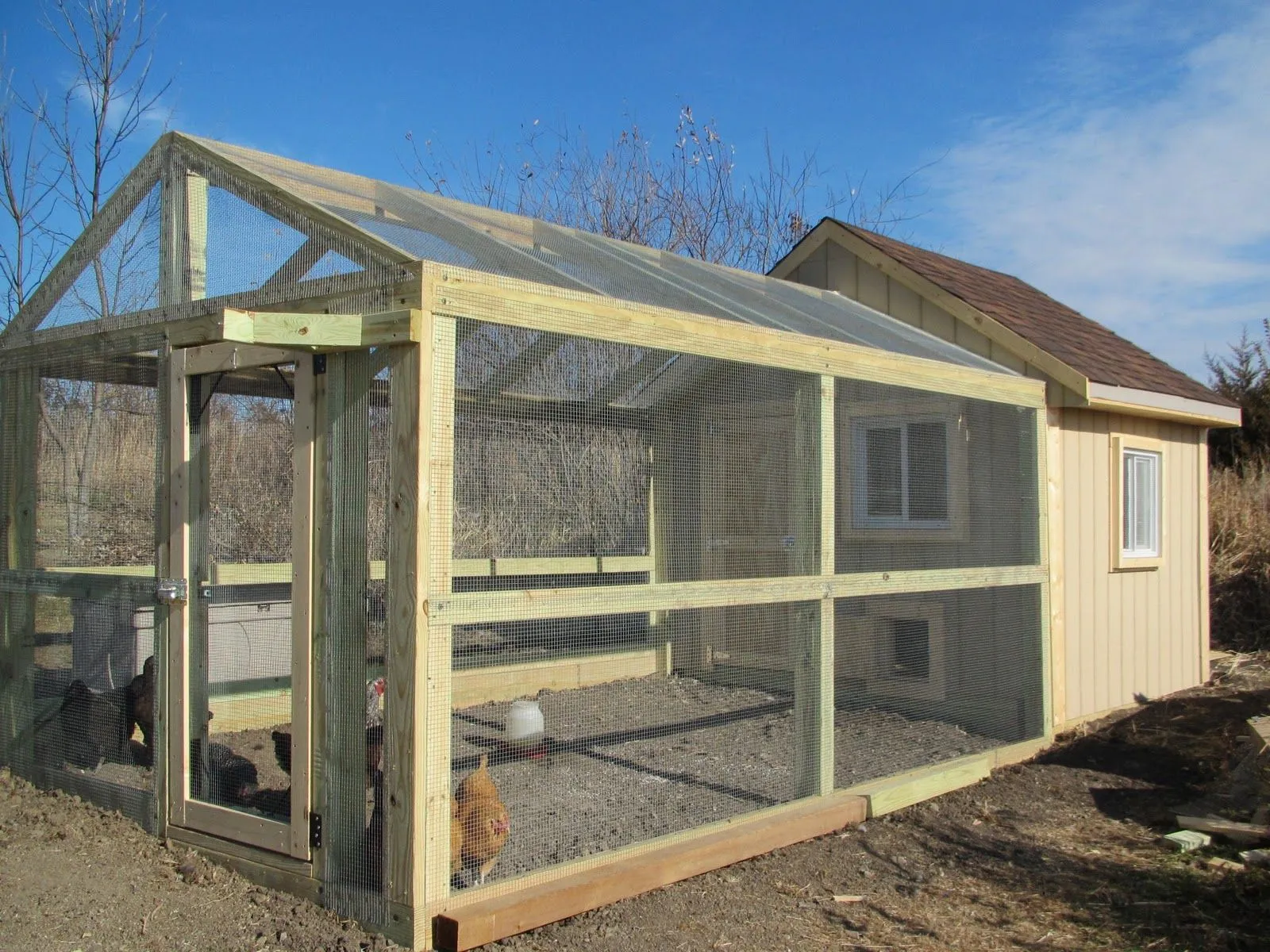
Building a chicken coop is an exciting endeavor for any aspiring chicken keeper. It’s more than just providing shelter; it’s about creating a safe, comfortable, and healthy environment for your flock. However, the construction process can be overwhelming if you don’t have the right knowledge. In this guide, we will reveal the top 5 secrets to building a successful chicken coop, ensuring your chickens thrive and your coop stands the test of time. From choosing the perfect location to ensuring optimal ventilation, we’ll cover everything you need to know to build a coop that you and your chickens will love. Get ready to unlock the secrets of a well-built chicken coop!
Chicken Coop Build Secrets Revealed
Embarking on a chicken coop project involves several critical factors beyond just assembling wood and hardware. Success depends on thoughtful planning, from the initial design phase to the final touches. Understanding these secrets will help you avoid common pitfalls and ensure your chickens have a secure, comfortable, and healthy home. These secrets will guide you through the essential aspects of coop construction.
Choosing the Right Location
The placement of your chicken coop is fundamental to its long-term success. The right location ensures your chickens’ safety and comfort while also making coop maintenance easier for you. Choosing the wrong spot can lead to a host of problems, so take the time to assess potential locations carefully.
Consider Sunlight and Shade

Chickens need a balance of sunlight and shade. Direct sunlight can overheat the coop in summer, while insufficient sunlight can lead to reduced egg production and other health issues during colder months. Choose a location that receives ample sunlight during the day, especially in winter, but also offers shade, such as from trees or structures, during the hottest parts of the day. This balance helps regulate the coop’s temperature and keeps your chickens comfortable year-round. Consider the sun’s path throughout the seasons when making your decision.
Assess Drainage and Ground
Poor drainage can lead to a damp coop, which promotes the growth of bacteria and pests, and can cause health problems for your chickens. The ground should slope away from the coop to prevent water from pooling. If the ground is naturally prone to dampness, you might need to build the coop on a raised foundation or add drainage systems around the coop. Consider the soil type and how it handles water. A well-drained site is crucial for the long-term health and hygiene of your coop.
Security First
Protecting your chickens from predators is paramount. A secure coop keeps your flock safe from a variety of threats, from neighborhood dogs and cats to more dangerous predators like foxes, raccoons, and hawks. A well-secured coop provides peace of mind and ensures the survival of your flock.
Predator-Proofing Your Coop

To predator-proof your coop, start with a solid foundation. Bury hardware cloth or wire mesh around the perimeter of the coop to prevent digging predators from entering. Use sturdy materials for the walls and roof. Ensure that all openings are secure, including windows and vents. Consider using heavy-duty latches and locks on all doors and access points. Regularly inspect your coop for any signs of damage or potential entry points and repair them immediately. Remember that a predator-proof coop is an investment in the safety of your chickens.
Types of Locks and Latches
The type of locks and latches you use can significantly impact the security of your coop. Standard latches might not be enough, as predators can often figure them out. Consider using barrel bolts, carabiner clips, or spring-loaded latches that are more difficult for predators to manipulate. Ensure latches are installed on both the inside and outside of the coop doors for added security. Regularly check the latches to make sure they are functioning properly and are not showing any signs of wear and tear. Choose latches made of durable materials that can withstand the elements and potential tampering. This extra layer of security provides additional protection for your chickens.
Material Selection
The materials you choose for your chicken coop will determine its durability, longevity, and overall functionality. Selecting the right materials is a critical aspect of building a coop that can withstand the elements and provide a safe environment for your chickens. Consider factors such as cost, availability, and the specific needs of your climate.
Wood vs. Metal Coops

Wood is a traditional choice for chicken coops, offering a natural look and good insulation. However, wood requires regular maintenance, such as painting or sealing, to protect it from the weather and prevent rot. Metal coops, on the other hand, are often more durable and require less maintenance. They are generally easier to clean and less susceptible to pests. The best choice depends on your budget, aesthetic preferences, and the amount of maintenance you’re willing to perform. Consider the long-term costs and benefits of each material before making your decision.
Durability and Weather Resistance
Choose materials that are durable and weather-resistant, particularly in your climate. This includes wood that is treated to resist rot, or metal that is rust-resistant. The roof is especially important; it should be made of waterproof materials that can withstand rain, snow, and sunlight. Ensure all joints and seams are sealed properly to prevent water from penetrating the coop. This ensures the coop remains sturdy and functional for years to come.
Ventilation and Airflow
Proper ventilation is one of the most critical aspects of a healthy chicken coop. It helps remove moisture, ammonia, and other harmful gases, preventing respiratory problems and maintaining a comfortable environment for your chickens. Good ventilation also reduces the risk of disease and helps to regulate the coop’s temperature.
Importance of Ventilation

Without proper ventilation, the build-up of moisture from chicken droppings and respiration can lead to a damp environment, which is a breeding ground for bacteria and mold. Ammonia, produced from the breakdown of droppings, can irritate the chickens’ respiratory systems and lead to illness. Good ventilation helps to remove these harmful elements, ensuring your chickens’ health and well-being.
Best Practices for Air Circulation
The best ventilation systems use a combination of vents, windows, and sometimes fans to ensure adequate airflow. Position vents high up on the walls and near the roof to allow warm, moist air to escape, while fresh air enters lower down. Ensure that the vents are protected from rain and snow. Consider installing adjustable vents so you can control the amount of airflow, depending on the weather. Regular airflow is key to maintaining a healthy coop environment. Proper ventilation is key to maintaining a healthy coop environment.
Internal Design and Features
The internal design of your chicken coop significantly impacts your chickens’ comfort and productivity. This includes the layout of nesting boxes, roosting bars, and the overall space provided. Thoughtful interior design promotes the health and happiness of your flock.
Nesting Boxes and Roosting Bars

Nesting boxes should be comfortable, clean, and provide a private space for egg-laying. Choose a size appropriate for your breed of chickens and provide a bedding material like straw or wood shavings. Roosting bars should be placed at a height that allows chickens to comfortably perch, typically a few feet above the ground. Ensure the roosting bars are wide enough for the chickens’ feet and provide enough space per bird.
Optimal Placement and Sizing
Place nesting boxes in a dark, quiet area of the coop away from high-traffic areas. Provide one nesting box for every 3-4 hens. Position roosting bars away from nesting boxes and ensure there is enough space between the bars for each bird. Consider the height of the roosting bars relative to the floor to allow easy access. Properly sized and placed features contribute to a harmonious coop environment.
Space Requirements for Chickens
Overcrowding can lead to stress, disease, and reduced egg production. Provide adequate space inside the coop and in the outdoor run. A general guideline is to provide at least 4 square feet of floor space per chicken inside the coop and 8-10 square feet per chicken in the outdoor run. Adjust these numbers based on the breed of chickens you have, as some breeds are larger or more active than others. Adequate space is essential for the well-being of your chickens and ensures a healthy, productive flock.
Coop Size Calculator

Use an online chicken coop size calculator to determine the ideal dimensions for your coop. These calculators take into account the number of chickens you plan to keep, the breed, and the climate you live in, providing a more precise recommendation. This can help prevent overcrowding and ensure your chickens have enough space to thrive. Using a calculator ensures that your coop is adequately sized.
Maintenance and Cleaning
Regular maintenance and cleaning are essential for keeping your chicken coop healthy and hygienic. A well-maintained coop promotes the well-being of your chickens and helps prevent the spread of diseases and pests. Implement a consistent cleaning schedule and use appropriate cleaning methods.
Regular Cleaning Schedule
Establish a cleaning schedule to maintain a clean coop. Remove droppings daily, especially in the nesting boxes and under the roosting bars. Deep clean the entire coop at least once a month, removing all bedding and disinfecting the surfaces. Adjust the frequency of cleaning based on the size of your flock and the climate. A consistent cleaning routine is vital for preventing the build-up of harmful bacteria and maintaining a healthy environment.
Cleaning Products and Methods
Use safe and effective cleaning products to disinfect your coop. Avoid harsh chemicals that could be harmful to your chickens. A solution of water and vinegar can be used for general cleaning, while a diluted bleach solution can be used for disinfection. Ensure all surfaces are thoroughly rinsed and dried before your chickens return to the coop. Regular use of cleaning products and methods is essential.
Pest Control and Hygiene
Implementing pest control measures helps to prevent infestations of mites, lice, and other parasites. Regularly inspect your chickens and coop for signs of pests and treat them promptly. Proper hygiene, including the regular changing of bedding and the removal of droppings, is crucial for keeping pests at bay.
Preventing Common Coop Issues
Address common coop issues, such as moisture build-up, drafts, and predator problems. Ensure proper ventilation to control moisture, seal any gaps or cracks to eliminate drafts, and maintain the predator-proofing measures. Regularly check for signs of pests, disease, and structural damage, and address any issues immediately. Proactive maintenance and problem-solving are key to preventing serious coop issues and keeping your flock healthy and happy.
Building a successful chicken coop involves careful planning, thoughtful execution, and ongoing maintenance. By following these secrets, you can create a safe, comfortable, and productive home for your chickens. Remember to consider your climate, your chickens’ needs, and your personal preferences. With the right approach, you can enjoy fresh eggs and the companionship of a healthy and happy flock for years to come.