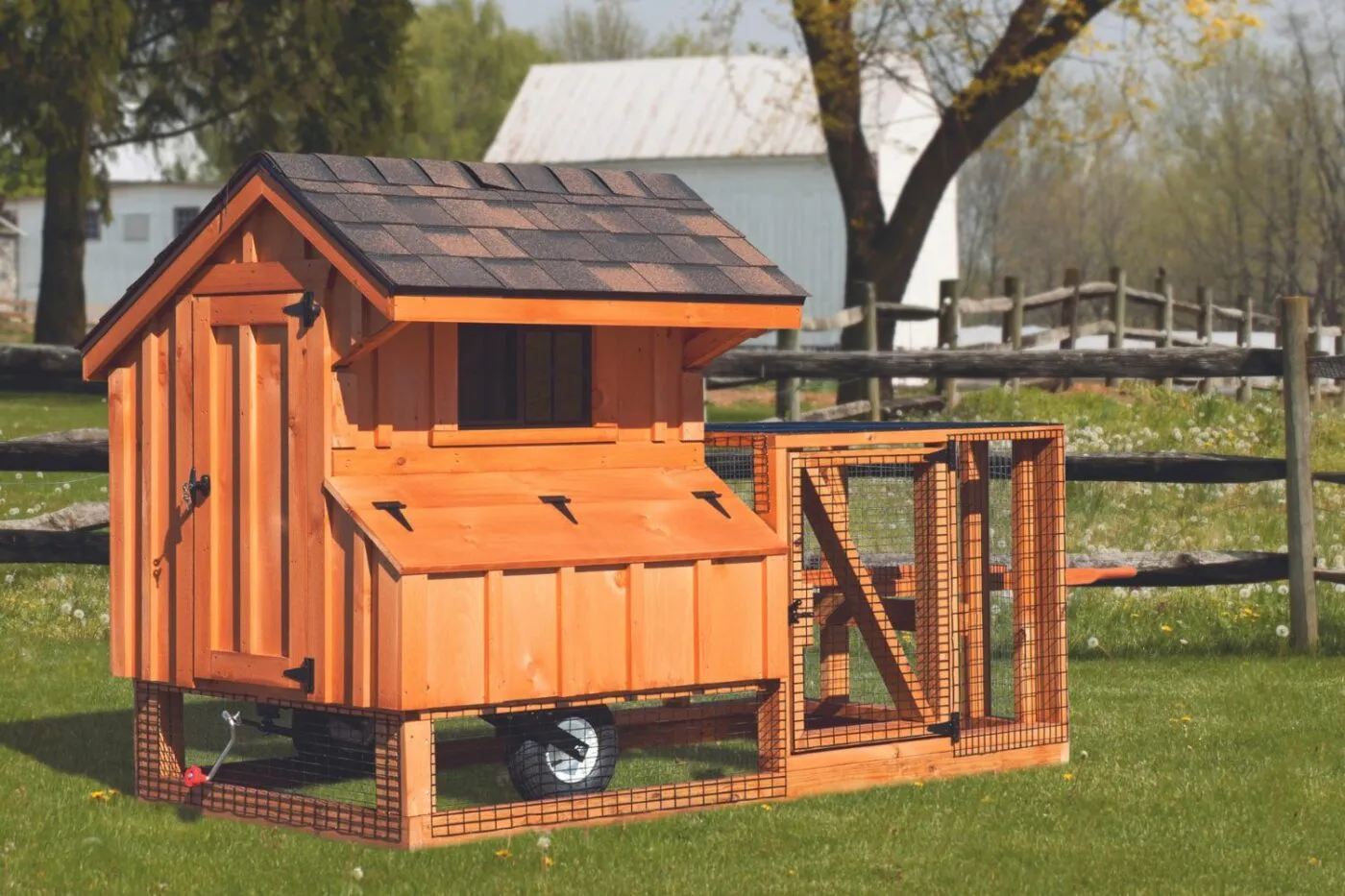
Common Chicken Coop Build Mistakes
Building a chicken coop for your flock of six chickens can be a rewarding experience, providing fresh eggs and hours of entertainment. However, many aspiring chicken keepers stumble into common pitfalls that can lead to a coop that is not only inefficient but also potentially harmful to their feathered friends. Avoiding these mistakes from the outset is crucial for the health and happiness of your chickens and your own peace of mind. This guide highlights the top five mistakes people make when building a chicken coop, helping you create a safe, secure, and comfortable home for your six chickens. By understanding and avoiding these common errors, you can ensure your coop is a success and your chickens thrive. Proper planning and execution will save time, money, and the heartache of a poorly designed coop.
Mistake 1 Poor Planning
Failing to plan is planning to fail, and this is especially true when building a chicken coop. Rushing into construction without a well-thought-out design can lead to a multitude of problems down the line. Careful planning involves considering the needs of your chickens, the space available, and local regulations. A well-planned coop should offer ample space, proper ventilation, and easy access for cleaning and maintenance. A poorly planned coop can lead to overcrowding, which can stress chickens, leading to behavioral issues and disease. It is best to research the specific requirements for keeping six chickens, including the recommended square footage per bird and the ideal coop layout before you begin construction to make the best use of the available space.
Insufficient Space

One of the most critical aspects of coop planning is ensuring there is enough space for your chickens. Overcrowding leads to stress, feather pecking, and a higher risk of disease. The general rule is to provide at least 4 square feet of floor space per chicken inside the coop, and 8-10 square feet per chicken in the run. For six chickens, this means a minimum of 24 square feet inside the coop and 48-60 square feet in the run. Consider the size of your chickens; larger breeds may require more space. Providing adequate space allows chickens to move freely, forage, and roost comfortably, which promotes their well-being and productivity. Always aim to exceed these minimums if space allows, providing even more room for your chickens to thrive. Consider building the coop and run even bigger than you think you need, planning for expansion in case you want to increase your flock later.
Lack of Ventilation
Proper ventilation is another critical aspect of coop planning that is often overlooked. Without adequate ventilation, moisture builds up from the chickens’ droppings and breathing, leading to ammonia buildup. Ammonia can cause respiratory problems in chickens. Good ventilation ensures fresh air circulation, removing moisture and ammonia while regulating temperature. This can be achieved by incorporating vents near the roofline and ensuring proper airflow throughout the coop. Avoid drafts directly on the chickens, but make sure the air circulates to prevent moisture buildup. Poor ventilation creates an unhealthy environment, predisposing chickens to illness and reducing their overall health and lifespan. Proper ventilation is a key component of a well-planned and successful chicken coop.
Mistake 2 Choosing the Wrong Materials
The materials you choose for your chicken coop are just as important as the design. The wrong materials can lead to a coop that is not durable, safe, or weather-resistant. Opting for quality materials from the start saves you money in the long run by reducing maintenance and extending the life of your coop. Consider the local climate and the materials’ ability to withstand the elements, including rain, snow, and extreme temperatures. Using materials that are easy to clean and sanitize is also essential for maintaining a healthy environment for your chickens. Quality materials will also help to create a strong coop that can withstand predators, providing extra protection for your chickens.
Using Unsuitable Wood

Choosing the right type of wood is crucial for a durable and long-lasting chicken coop. Avoid using wood that is prone to rot or insect infestation. Pressure-treated lumber is a good choice for the frame and any parts of the coop that will be in contact with the ground, as it is resistant to rot and pests. Avoid using wood that has been treated with chemicals that could be toxic to chickens. Untreated wood like cedar or redwood is also a good option, as it is naturally rot-resistant. Always check with your local building supply store for the best wood options. Ensure that any wood used is free from splinters, which can injure your chickens. Building your coop with the right wood will provide a strong structure and save you from having to rebuild it in a few years.
Neglecting Weatherproofing
Weatherproofing is critical to protect your chickens from the elements. This includes proper roofing, siding, and sealing to prevent water from entering the coop. Water damage can lead to rot, mold, and drafts, which can be detrimental to your chickens’ health. Use roofing materials that are durable and waterproof, and ensure that all seams and joints are sealed properly. The coop should also be insulated to regulate temperature, keeping the chickens warm in winter and cool in summer. Weatherproofing also involves proper drainage around the coop to prevent water from pooling. Adequate weatherproofing ensures your chickens are comfortable and protected in all weather conditions, extending the life of your coop and the health of your flock. Regularly inspect and maintain your coop’s weatherproofing to address any issues promptly.
Mistake 3 Ignoring Security
Protecting your chickens from predators is paramount. Failing to build a secure coop can lead to the loss of your birds and significant emotional distress. Predators such as foxes, raccoons, and hawks are always on the lookout for an easy meal. Taking the necessary precautions to protect your chickens from these threats is critical. The coop should be constructed with robust materials and secure features that make it impenetrable to potential predators. Building a secure coop means your chickens are safe from harm and your investment is protected.
Inadequate Predator Protection

One of the most common security failures is inadequate predator protection. This involves using sturdy materials, such as heavy-duty hardware cloth, instead of chicken wire, for the run. Chicken wire is easily torn or chewed through by predators. Burying the hardware cloth at least 12 inches underground around the perimeter of the run prevents predators from digging under. Securing all doors and windows with strong latches and ensuring that there are no gaps or openings large enough for a predator to enter is also very important. Regular inspections of the coop’s perimeter and immediate repair of any weaknesses are essential to maintaining security. These measures will provide the best protection against the most common predators.
Weak Door Latches and Hinges
Another crucial security oversight is using weak door latches and hinges. Predators often target entry points. Ordinary latches are easily manipulated or broken, allowing predators to gain access. Install sturdy, predator-proof latches, such as barrel bolts or carabiner clips, that cannot be easily opened. The hinges should be heavy-duty and mounted securely with screws that are long enough to provide a firm hold. Regularly check the hinges and latches for any signs of wear or damage. This ensures they remain functional and secure. Using high-quality hardware for doors and windows is crucial for preventing predators from entering the coop. Regular maintenance of these components is also essential to ensure your chickens’ safety.
Mistake 4 Overlooking Functionality
Building a chicken coop that is not functional can create more work and frustration than necessary. A well-designed coop makes it easy to care for your chickens, clean the coop, and collect eggs. Consider how you will access the coop for cleaning, feeding, and collecting eggs when designing your coop. If the coop is difficult to access, you are less likely to clean it regularly. This results in a less healthy environment for your chickens. Thoughtful design simplifies the chicken-keeping process and ensures a more pleasant experience for you and your chickens. A functional coop is one of the most important components of successfully raising chickens.
Difficult Access for Cleaning

Cleaning the coop is essential for maintaining your chickens’ health and preventing disease. Coops that are difficult to access for cleaning often become neglected, creating an unhealthy environment. Design the coop with features that make cleaning easier, such as large access doors, removable roosts, and a dropping board. These features allow you to easily remove waste and sanitize the coop. Consider incorporating a sloped floor to help with drainage. A well-designed coop facilitates regular cleaning, reducing odors and the risk of disease. The ease of cleaning promotes a healthier environment for your chickens and is also a more enjoyable experience for you.
Lack of Egg Collection Convenience
Collecting eggs should be a convenient process. A well-designed coop includes features that make egg collection easy and efficient. Consider building the nesting boxes in a location that allows for easy access from outside the coop. This eliminates the need to enter the coop to collect eggs, which can disturb the chickens. Sloping the nesting box floor gently allows the eggs to roll to a collection area, minimizing the risk of breakage. Ensuring the nesting boxes are easily accessible and well-designed will make your daily egg collection routine a breeze. This small detail can greatly enhance the overall chicken-keeping experience and the eggs you collect.
Mistake 5 Failing to Plan for Expansion
Many chicken keepers start with a small flock and later decide to expand. Failing to plan for this possibility from the beginning can lead to significant problems. Designing a coop that can be easily expanded or modified in the future is essential. Consider the potential for adding more chickens and build a coop that can accommodate them. If you anticipate expanding your flock, build the coop larger than you initially need, with the possibility of adding more nesting boxes, roosting bars, and run space. This foresight will save you the time and expense of building a new coop later on. It also ensures that your chickens will continue to have ample space and a comfortable living environment as your flock grows.
Building a Coop Too Small Initially

Building a coop that is too small initially is a common mistake. While it is essential to provide enough space for your current flock of six chickens, you should consider potential expansion. Starting with a coop that is barely adequate leaves you with limited options if you decide to increase your flock size. This forces you to build a new coop or make costly modifications. Building a coop that is slightly larger than necessary initially will provide more room and flexibility for your chickens. Doing so promotes their well-being and prevents overcrowding. This also allows you to add more chickens in the future without having to completely rebuild or renovate the coop. Planning for future growth is a smart and practical approach to chicken keeping.
Limited Future Growth
Even if you do not plan to increase your flock, limited future growth can be problematic. Over time, your chickens might require additional space or upgrades to their living environment. Limited planning for growth includes not considering the potential need for more nesting boxes, roosting space, or even a larger run. Design your coop in a way that allows for easy modifications. Consider modular designs or plans that allow for expanding the existing structure. This will provide you with flexibility as your chickens’ needs change over time. Designing with future growth in mind ensures your coop remains a comfortable and sustainable home for your flock for many years to come.
In conclusion, building a chicken coop for six chickens involves more than just putting up walls and a roof. Avoiding the common mistakes outlined in this guide ensures your chickens will live in a safe, healthy, and comfortable environment. Proper planning, the use of quality materials, attention to security, functionality, and a provision for potential expansion are all essential for a successful coop. By avoiding these pitfalls, you will create a thriving environment for your chickens and enjoy the rewards of fresh eggs and the delightful presence of these feathered friends in your backyard. Taking the time to plan carefully will result in a coop that you, and your chickens, will enjoy for years to come.