Chicken Coop Building Top 7 Must-Know Tips
Building a chicken coop is an exciting project for any aspiring chicken keeper. A well-constructed coop provides a safe, comfortable, and secure home for your feathered friends. However, with so many factors to consider, from design and materials to predator-proofing and maintenance, the process can seem daunting. This guide breaks down the top 7 must-know tips for building a successful chicken coop, ensuring your chickens thrive and your efforts are well-rewarded. Whether you’re a seasoned DIYer or a complete beginner, these tips will help you navigate the process with confidence and create a coop that meets all your chickens’ needs.
1. Planning Your Chicken Coop
Before you even pick up a hammer, careful planning is essential. This initial phase sets the stage for the rest of the project. Consider the long-term needs of your flock and the practicalities of your chosen location. Proper planning saves time, money, and headaches down the road.
Choosing the Right Location

The location of your coop is crucial. Choose a spot that offers protection from prevailing winds and direct sunlight, especially in hotter climates. Ensure the area has good drainage to prevent water accumulation, which can lead to health problems for your chickens. Consider the proximity to your house for ease of access for daily chores. Also, think about potential noise and odor issues and how they might affect your neighbors. A location that is relatively flat and easy to access will make the building process much smoother. Make sure the location is also away from any potential hazards like overhead power lines or areas prone to flooding. (chicken-coop-location.webp)
Determining Coop Size
Size matters when it comes to chicken coops. Overcrowding can lead to stress, disease, and behavioral problems like feather pecking. The general rule of thumb is to allow at least 4 square feet of space per chicken inside the coop and 8-10 square feet per chicken in the outdoor run. Consider the breed of chickens you plan to keep, as larger breeds will require more space. Plan for future expansion if you intend to increase your flock size. It’s always better to overestimate the space needed than to underestimate. Providing ample space ensures your chickens have room to move around comfortably, reducing the likelihood of conflicts and health issues.
2. Coop Design and Materials
The design and materials you choose will significantly impact the coop’s durability, comfort, and longevity. A well-designed coop is easy to clean, provides good ventilation, and offers adequate protection from the elements and predators.
Selecting Appropriate Materials

Choose durable, weather-resistant materials. Wood is a popular choice, but it needs to be treated to withstand the elements. Cedar and redwood are naturally rot-resistant options. Avoid using materials that contain toxins or that could harm your chickens if ingested. Ensure the materials are non-toxic and easy to clean. Consider using metal hardware cloth for the run to protect against predators. The choice of materials will influence the coop’s lifespan and the ease of maintenance. Always prioritize safety and durability when selecting your materials. (chicken-coop-materials.webp)
Ventilation and Airflow
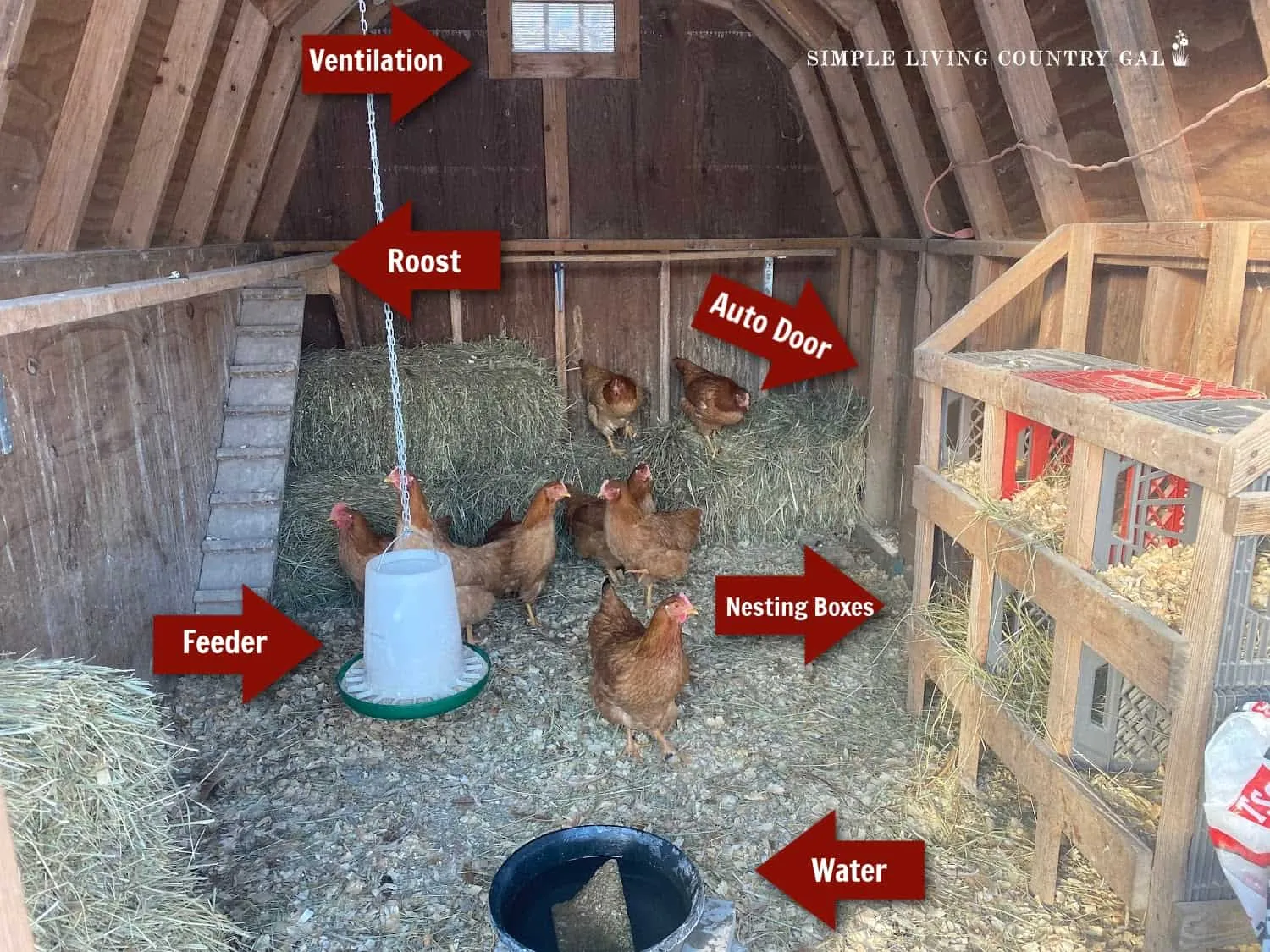
Proper ventilation is crucial for chicken health. It helps to remove ammonia fumes from droppings, reduces moisture, and regulates the coop’s temperature. Design your coop with vents located high up on the walls or in the roof. Ensure that the vents are protected from rain and drafts. Avoid placing vents directly above roosting bars, as this can cause drafts. Good ventilation prevents respiratory problems and maintains a healthy environment inside the coop. Adequate airflow also helps keep the coop cool in the summer and prevents moisture buildup during the winter months.
3. Foundation and Framing
A solid foundation and sturdy framing are essential for the structural integrity of your coop. These elements ensure that the coop can withstand the elements and provide a safe and secure environment for your chickens.
Building a Sturdy Foundation

The foundation prevents the coop from sinking into the ground and provides a barrier against pests. A concrete slab is a durable option, but it can be expensive. A gravel base with a wooden frame is another cost-effective solution. Ensure the foundation is level and properly installed to prevent water from seeping into the coop. The foundation should extend below the frost line in colder climates to prevent heaving. A well-built foundation not only supports the structure but also helps to keep predators from burrowing underneath the coop. (chicken-coop-framing.webp)
Framing the Walls and Roof
Use pressure-treated lumber for the framing to resist rot and insect damage. Ensure the framing is square and level. Secure the walls and roof with appropriate fasteners, such as nails or screws, and follow the manufacturer’s instructions. Consider the design of the roof, as it plays a vital role in protecting the coop from the elements. A sloped roof is recommended to allow water and snow to run off easily. The framing should be robust enough to withstand wind and snow loads, depending on your local climate. Proper framing is fundamental to the coop’s structural soundness and longevity.
4. Roofing and Weatherproofing
Roofing and weatherproofing are crucial for protecting your chickens from the elements. These elements ensure the coop remains dry, comfortable, and secure, regardless of the weather conditions.
Choosing the Right Roofing Material

Select a roofing material that is durable, weather-resistant, and easy to install. Asphalt shingles are a popular choice due to their affordability and availability. Metal roofing offers excellent durability and longevity. Consider the climate and the aesthetic appeal when choosing your roofing material. Make sure the roofing material is properly installed to prevent leaks. Ensure the roof overhangs the walls to provide further protection from rain and snow. (chicken-coop-design.webp)
Weatherproofing Techniques
Proper weatherproofing prevents drafts, keeps the coop dry, and helps regulate temperature. Caulk all seams and joints to seal gaps. Use weather stripping around doors and windows. Ensure the roof is properly sealed and that there are no leaks. Consider adding insulation to the walls and roof to help maintain a stable temperature inside the coop, especially in extreme climates. Weatherproofing is essential for the comfort and health of your chickens and for the long-term preservation of the coop.
5. Interior Setup and Features
The interior design of your coop should prioritize the comfort and well-being of your chickens. Thoughtful planning and the right features will make the coop a welcoming and functional home.
Nesting Boxes

Provide one nesting box for every 3-4 hens. Nesting boxes should be in a dark, quiet, and easily accessible location. Place them off the ground to provide a sense of security for the hens. Choose materials that are easy to clean and disinfect, such as wood or plastic. Line the boxes with comfortable bedding, such as straw or wood shavings. Regularly clean the nesting boxes to prevent the buildup of bacteria and mites, and to encourage egg laying. Nesting boxes encourage egg laying in a safe and comfortable location.
Roosts and Perches
Provide roosting bars for your chickens to sleep on at night. Roosts should be placed at a height that is comfortable for your chickens. Use rounded roosting bars that are 2-4 inches wide to allow the chickens to grip them comfortably. Ensure there is enough space on the roosting bars for all the chickens in your flock. Place the roosts away from the nesting boxes to prevent soiling. Cleaning the roosts regularly is important for maintaining a clean and healthy environment within the coop. (chicken-coop-interior.webp)
6. Security Measures
Protecting your chickens from predators is paramount. Implement robust security measures to keep them safe, especially during the night when they are most vulnerable.
Predator-Proofing Techniques

Use hardware cloth with small mesh sizes (1/2 inch or smaller) for all openings, including windows and the run. Bury the hardware cloth around the perimeter of the run to prevent digging predators from entering. Secure all doors and windows with sturdy latches that predators cannot easily open. Ensure the coop is well-lit at night, as this can deter some predators. Regularly inspect the coop for any signs of damage or weaknesses. Consider installing an automatic door opener to secure the coop at dusk. Predator-proofing is essential for the survival and well-being of your chickens. (chicken-coop-predator-proof.webp)
Secure Doors and Windows
Doors and windows are potential entry points for predators. Use sturdy doors with secure latches that predators cannot easily manipulate. Reinforce the frames of doors and windows with hardware cloth. Install heavy-duty hinges that are difficult to remove. Consider using latches that can only be opened from the outside. Ensure windows are covered with strong wire mesh. Regularly check the doors and windows to ensure they are securely closed and in good condition. Secure doors and windows prevent predators from entering the coop and protect your chickens.
7. Maintenance and Cleaning
Regular maintenance and cleaning are essential for maintaining a healthy environment for your chickens and for extending the lifespan of your coop. A clean coop is less likely to harbor diseases and pests, and makes for a more pleasant environment for both you and your chickens.
Regular Cleaning Schedule
Establish a regular cleaning schedule to maintain a healthy and hygienic environment. Remove droppings from the coop daily or every other day. Clean and replace the bedding in the nesting boxes and on the floor of the coop regularly, at least once a week. Thoroughly clean the coop, including walls, floors, and roosting bars, at least once a month. Use a poultry-safe disinfectant to kill bacteria and parasites. A consistent cleaning schedule prevents the buildup of harmful pathogens and odors and ensures a healthy environment for your flock. (chicken-coop-cleaning.webp)
Coop Maintenance Tasks
Perform routine maintenance tasks to keep the coop in good condition. Inspect the coop regularly for any signs of damage or wear and tear. Repair any damage promptly to prevent further deterioration. Lubricate hinges and latches to ensure they function smoothly. Check the roof for leaks and repair them immediately. Replace worn or damaged hardware cloth. Regularly inspect the coop for pests, such as mites and lice, and take appropriate action. Proactive maintenance helps to extend the life of the coop and provides a safe and comfortable home for your chickens.
Building a chicken coop is a rewarding endeavor that provides you with fresh eggs and the joy of raising chickens. By following these 7 must-know tips, you can create a safe, secure, and comfortable home for your flock, ensuring their health and happiness. Remember that careful planning, quality materials, and regular maintenance are key to a successful chicken coop. Happy building!