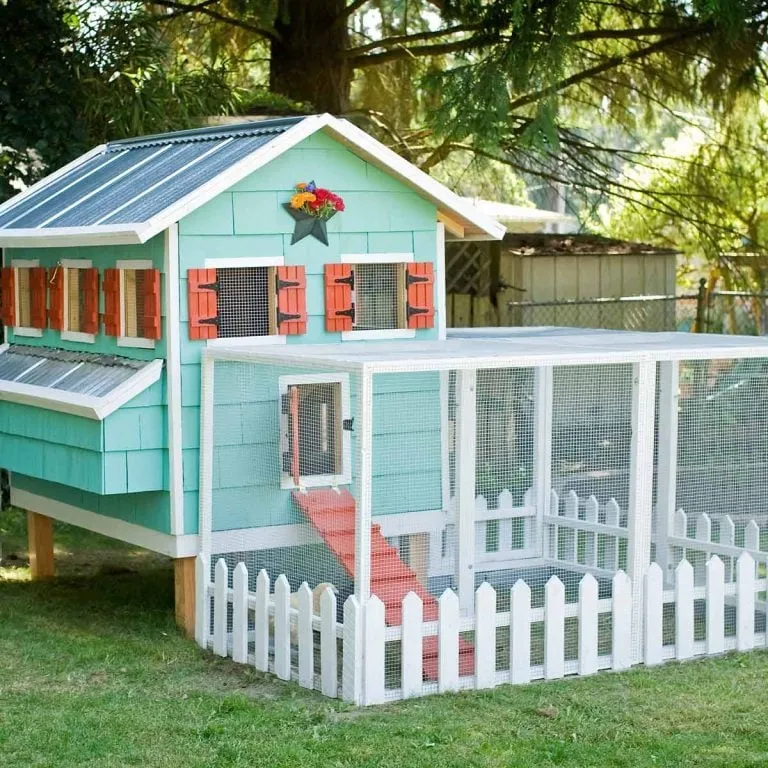
Planning Your Chicken Coop Buildings
Building a secure and comfortable chicken coop is a rewarding experience. Effective planning is the cornerstone of a successful project, and you should start by determining the number of chickens you intend to house. The space requirements for chickens vary, but a general rule of thumb is to allow at least 4 square feet of space per chicken inside the coop and 8-10 square feet in the outdoor run. Additionally, consider the breed of chickens you plan to keep, as some breeds are larger and require more space. Careful planning prevents common pitfalls and ensures that your chickens live in a healthy, safe, and comfortable environment. The initial planning stages also involve budgeting for materials, tools, and any potential labor costs.
Choosing the Right Location for Chicken Coop Buildings
Selecting the ideal location for your chicken coop is crucial for the health and safety of your flock. The location should provide adequate sunlight and shade, as chickens need both. Sunlight helps regulate their body temperature and provides vitamin D, while shade offers refuge from the heat. Ensure the chosen area is well-drained to prevent waterlogging, which can lead to disease and discomfort. Consider the proximity to your house, as this impacts the convenience of daily care and allows you to monitor your chickens more easily. Avoid placing the coop in areas prone to flooding or strong winds, and make sure it’s far enough from neighbors to minimize noise and odor complaints. Consider prevailing wind direction to minimize odor issues, and ensure easy access for cleaning and maintenance.
Assessing Your Space for Chicken Coop Buildings

Before you begin construction, carefully assess the space you have available. Measure the area to ensure it can comfortably accommodate the coop and the run, allowing for the recommended space per chicken. Consider the shape of the area; a rectangular space often allows for more efficient use of materials and easier construction. Factor in potential obstacles such as trees, shrubs, and existing structures. You may need to clear the area before you begin building. Also, think about the future; consider whether you might want to expand your flock later, and if so, plan for extra space. Proper space assessment prevents overcrowding, which can lead to stress, disease, and behavioral issues among your chickens. Moreover, ensuring the coop fits comfortably in its designated spot makes the project more manageable and aesthetically pleasing.
Understanding Local Regulations for Chicken Coop Buildings
Before you start building, research local zoning laws, homeowners association (HOA) rules, and any other relevant regulations. Many municipalities have specific guidelines regarding chicken coops, including size restrictions, setback requirements (distance from property lines), and noise ordinances. Some areas may require permits before you can begin construction. Contact your local planning or building department to inquire about these regulations and obtain any necessary permits. Failure to comply with local rules can result in fines, legal action, or even the need to dismantle your coop. Understanding and adhering to these regulations helps ensure that your chicken coop project is legal, neighbor-friendly, and compliant with local standards. This also avoids potential conflicts and ensures your chickens’ well-being.
Designing Your Secure Coop
Designing a secure coop involves more than just aesthetics; it’s about protecting your chickens from predators and the elements. Begin by considering the size and shape of your coop, factoring in the number of chickens and the available space. Think about the layout and how it will affect the overall functionality. Incorporate features like a sturdy frame, secure doors and windows, and predator-resistant materials. Research common local predators, and design your coop accordingly. Include a run area that is fully enclosed with strong wire or mesh to keep your chickens safe. Consider the ease of cleaning, ventilation, and access for collecting eggs and feeding your chickens. A well-designed coop promotes the health, safety, and happiness of your flock, providing a safe haven for them to thrive.
Essential Features for Chicken Coop Buildings

Several essential features are crucial for a safe and functional chicken coop. Sturdy construction is paramount; use quality materials and build a solid frame to withstand weather and predator attacks. Secure doors and windows, properly fitted and with secure latches or locks, are vital for preventing predators from entering. Proper ventilation is necessary to prevent moisture buildup and ensure fresh air circulation. This can be achieved with vents and a roof design that allows for airflow. Include nesting boxes that are comfortable, private, and easily accessible for egg collection. Roosting bars provide a place for chickens to sleep comfortably at night. Consider the inclusion of a run that’s fully enclosed with secure wire or mesh, providing your chickens with a safe outdoor space. These features work together to create a healthy and secure environment for your chickens.
Predator-Proofing Your Chicken Coop Buildings
Protecting your chickens from predators is one of the most critical aspects of coop design and construction. Use heavy-duty hardware cloth or welded wire mesh with small openings for all walls, floors, and the run. Bury the hardware cloth underground around the perimeter of the coop to prevent digging predators from accessing the coop. Ensure all doors and windows fit tightly and have secure latches or locks. Reinforce weak points, such as corners and edges, where predators might try to enter. Consider adding an automatic door that closes at dusk and opens at dawn to secure your chickens when they are most vulnerable. Regularly inspect the coop for signs of damage or potential entry points, and repair them immediately. Predator-proofing is an ongoing process, and vigilance is key to keeping your flock safe.
Material Selection for Chicken Coop Buildings
Choosing the right materials is crucial for a durable and predator-resistant coop. Use pressure-treated lumber for the frame and base to resist rot and insect infestation. For the walls and roof, consider using durable and weather-resistant materials such as cedar or other rot-resistant woods. Opt for heavy-duty hardware cloth or welded wire mesh, with small openings, to prevent predators from entering. Avoid using chicken wire as it is not predator-proof. For the roof, use materials that provide adequate weather protection, such as asphalt shingles, metal roofing, or corrugated panels. Ensure all materials are non-toxic and safe for chickens. Choose materials that are easy to clean and maintain to promote hygiene. The right materials will extend the life of your coop and keep your chickens safe and comfortable.
Building the Coop Structure

Building the coop structure is a step-by-step process that requires precision and attention to detail. Begin by preparing the foundation; this might involve leveling the ground and setting up a base frame. Construct the frame, ensuring it is square and level. Erect the walls and secure them to the frame. Install the roof, making sure it is properly sealed to prevent leaks. Follow the plans and specifications meticulously, using appropriate fasteners and tools. Consider the placement of doors, windows, and vents, ensuring they function correctly and are securely installed. Pay close attention to the construction of nesting boxes and roosting bars. Regularly check your work and make any necessary adjustments. A well-built structure will provide a solid foundation for the rest of your coop project.
Constructing the Frame for Chicken Coop Buildings
The frame is the skeleton of your chicken coop, providing structural integrity and support. Begin by creating a base frame using pressure-treated lumber. This frame should be level and square to ensure the rest of the coop is properly aligned. Next, construct the wall studs, making sure they are evenly spaced and securely fastened to the base frame. Consider adding corner bracing to provide extra stability. Use appropriate fasteners, such as screws or nails, to connect the frame components. Ensure the frame is sturdy and able to withstand the weight of the walls, roof, and any other features. The quality of your frame construction will directly impact the lifespan and durability of your coop. Take your time and measure carefully to achieve a strong, reliable frame.
Adding Walls, Roof, and Doors for Chicken Coop Buildings
Once the frame is built, you can start adding the walls, roof, and doors. Attach the wall materials to the frame, ensuring they are securely fastened. For the roof, consider the slope and overhang, which will help protect the coop from the elements. Install the roof structure and cover it with roofing materials. Install doors and windows that fit securely and include predator-proof features. Pay attention to the details of the construction, ensuring the walls are flush, the roof is properly sealed, and the doors close tightly. Consider the placement of the doors and windows and how they will impact ventilation and access. A well-constructed roof and walls protect your chickens from weather conditions, and properly fitted doors ensure the security of your coop.
Creating a Secure Run for Chicken Coop Buildings

The run is an essential component for giving your chickens a safe outdoor space. Enclose the run with heavy-duty hardware cloth or welded wire mesh, buried underground to prevent digging predators. Build a sturdy frame to support the wire mesh, ensuring it’s securely attached. Consider the size of the run, providing ample space for your chickens to roam and forage. The run should be connected to the coop, providing easy access for the chickens. Ensure the gate to the run is secure and predator-proof. Provide shade and protection from the elements within the run, such as trees, shrubs, or a covered area. Regularly inspect the run for any damage and make necessary repairs. A secure run allows your chickens to enjoy the outdoors safely, reducing stress and promoting their well-being.
Ensuring Ventilation and Sunlight
Proper ventilation and sunlight are crucial for maintaining a healthy environment inside the coop. Adequate ventilation prevents moisture buildup, reduces odors, and ensures fresh air circulation. Install vents at the top and bottom of the coop to promote airflow. Design the roof with overhangs to provide shade and protect from rain. Ensure that there is enough sunlight entering the coop, as it provides vitamin D for the chickens. Consider the placement of windows and vents to maximize airflow and sunlight exposure. Avoid drafts that could make the chickens cold. Regularly monitor the coop’s humidity levels and make adjustments to the ventilation as needed. Good ventilation and sunlight contribute significantly to the chickens’ health and comfort.
Creating a Comfortable Interior for Chicken Coop Buildings
Creating a comfortable interior involves providing the necessary amenities for your chickens to thrive. Incorporate nesting boxes that are the correct size for your breed of chickens, with adequate bedding to encourage egg-laying. Install roosting bars at a comfortable height, providing ample space for chickens to perch at night. Add bedding material to the coop floor, such as wood shavings, straw, or sand, to absorb moisture and provide a clean environment. Provide access to fresh water and food, preferably in feeders and waterers that are easy to clean. Consider adding toys and enrichment items, such as swings or pecking blocks, to prevent boredom. A comfortable interior promotes the health and well-being of your chickens, encouraging them to lay eggs and stay happy.
Nesting Boxes and Roosting Bars for Chicken Coop Buildings

Nesting boxes and roosting bars are essential components of a functional chicken coop. Nesting boxes should be designed to be comfortable and private, providing a safe space for chickens to lay their eggs. Ensure that the boxes are the correct size for your breed of chickens, typically around 12x12 inches. Provide ample bedding material, such as straw or wood shavings, to cushion the eggs and encourage laying. Install roosting bars at a comfortable height, allowing the chickens to sleep securely at night. The bars should be wide enough for the chickens to comfortably perch. Place the roosting bars away from the nesting boxes to prevent soiling. A well-designed setup of nesting boxes and roosting bars promotes egg production and offers a comfortable resting area for your chickens.
Maintaining and Protecting Your Coop
Regular maintenance is essential to keep your coop in good condition and protect your chickens. Clean the coop regularly, removing droppings, soiled bedding, and any spilled food or water. Sanitize the coop periodically to prevent the spread of disease. Inspect the coop for any damage, such as loose boards, holes, or broken latches, and make immediate repairs. Check for signs of pests, such as mites or rodents, and take appropriate measures to control them. Monitor the chickens’ health and behavior and address any issues promptly. Consider seasonal maintenance tasks, such as winterizing the coop to protect against the cold or providing extra ventilation during the summer. Regular maintenance extends the life of your coop and keeps your chickens healthy and safe.
Cleaning and Sanitation of Chicken Coop Buildings
Maintaining a clean and sanitary coop is critical for preventing diseases and ensuring the health of your flock. Clean the coop at least once a week, removing droppings, soiled bedding, and other debris. The frequency of cleaning may need to increase during warm, wet weather. Use a shovel or scraper to remove any caked-on material. Replace the bedding material regularly, using clean, dry shavings, straw, or sand. Sanitize the coop with a poultry-safe disinfectant, following the manufacturer’s instructions. Pay special attention to nesting boxes and roosting bars, where bacteria can easily accumulate. Allow the coop to dry completely after cleaning and sanitizing. A clean and sanitized coop minimizes health risks and creates a healthy environment for your chickens.
Protecting Against the Elements for Chicken Coop Buildings

Protecting your coop from the elements is crucial for the comfort and well-being of your chickens. Ensure that the roof is properly sealed and provides adequate protection from rain and snow. Install gutters to divert water away from the coop’s foundation. Consider the placement of the coop in relation to prevailing winds, providing windbreaks or shelter as needed. During the winter, insulate the coop to help retain heat and protect against freezing temperatures. Provide adequate ventilation to prevent moisture buildup, which can lead to mold and mildew. In the summer, provide shade to protect the chickens from excessive heat. Regular maintenance, such as sealing cracks and repairing any damage, will help to protect the coop from the elements and prolong its lifespan.
Inspecting and Repairing Chicken Coop Buildings
Regularly inspect your chicken coop for signs of wear and tear. Check for any loose boards, cracks, or holes in the walls, roof, and floor. Inspect the hardware cloth or wire mesh for any damage or weaknesses. Examine the latches, hinges, and locks to ensure they are functioning correctly. Look for signs of predator activity, such as digging around the perimeter or damage to the coop. Repair any damage immediately, using appropriate materials and methods. Replace any worn or damaged parts. Regularly inspect the coop to prevent small issues from turning into major problems. Addressing repairs promptly prevents further damage, ensures the safety of your chickens, and extends the life of your coop.