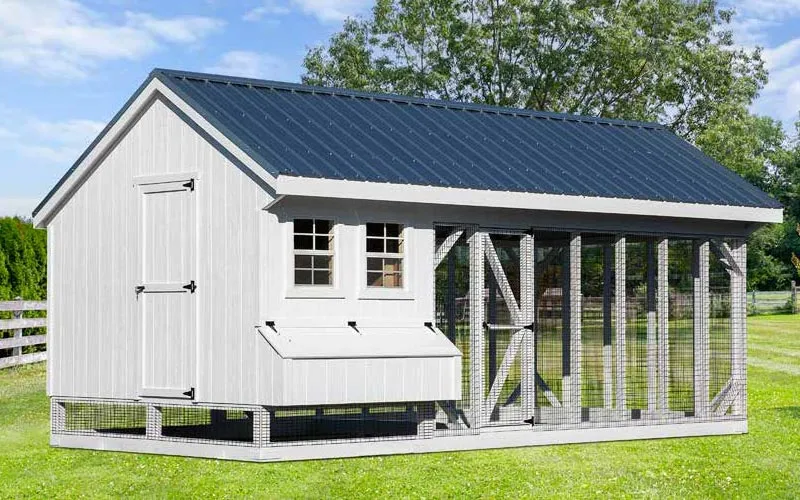
What to Consider Before Buying a Chicken Coop
Buying a chicken coop is an exciting step toward raising your own chickens, whether for eggs, companionship, or pest control. However, it’s a decision that requires careful thought and planning. A well-chosen coop provides a safe, comfortable, and healthy environment for your chickens, protecting them from predators and the elements. This guide will walk you through the essential factors to consider before purchasing a chicken coop, ensuring you make an informed choice that suits your chickens’ needs and your backyard setup. From size and materials to location and budget, we’ll cover everything you need to know to choose the best chicken coop for your flock.
Size and Space Requirements
One of the most crucial aspects of choosing a chicken coop is ensuring it provides adequate space for your chickens. Overcrowding can lead to stress, disease, and a decline in egg production. Therefore, determining the right size is essential for the well-being of your flock. The amount of space needed depends on several factors, including the number of chickens you plan to keep, their breed, and whether they will have access to a run or free-range area.
Determining the Number of Chickens

Before you even begin to look at coops, you must decide how many chickens you want. Start with a realistic number based on your space, local regulations, and how many eggs or how much company you desire. Remember that chickens are social animals, and keeping at least three or four is generally recommended. Consider your long-term goals: will you want to expand your flock later on? Planning ahead will prevent the need to upgrade your coop sooner than expected.
Space per Chicken Inside the Coop
A general rule of thumb is to provide at least 4 square feet of space per chicken inside the coop. This allows them to move around comfortably, roost at night, and avoid stress-related behaviors like pecking. For larger breeds, you might want to increase this space to 5 or 6 square feet per bird. Overcrowding can lead to several issues, including increased aggression and the spread of diseases. The internal space of the coop ensures their well-being and the hygiene inside.
Run Space and Outdoor Access
In addition to the coop space, chickens need access to an outdoor run or a secure area where they can roam and forage. The run allows them to exercise, scratch for insects, and enjoy the sunlight. Aim for a minimum of 8-10 square feet of space per chicken in the run. If you plan on letting your chickens free-range, ensure the area is secure from predators like hawks, foxes, and raccoons. Consider the climate in your area, as well, to ensure your chickens have adequate shade and shelter during extreme weather conditions.
Coop Materials and Durability

The materials used in your chicken coop significantly impact its longevity, durability, and ease of maintenance. Choose materials that can withstand the elements, protect your chickens from predators, and provide a comfortable living environment. Common coop materials include wood and plastic, each with its advantages and disadvantages. Consider your local climate, the types of predators in your area, and your budget when making your choice.
Wood vs. Plastic Coops
Wood coops offer a classic aesthetic and can be very sturdy, providing excellent insulation in both hot and cold climates. They are generally more customizable and can be treated with paints or stains to match your garden. However, wood coops require regular maintenance, including cleaning and occasional sealing or painting, to prevent rot and protect against the elements. Plastic coops are often more weather-resistant and easier to clean. They typically don’t require painting or sealing and are less susceptible to pests. However, they may not insulate as well as wood coops, and they can be less aesthetically pleasing to some. Your personal taste should be considered, but the material is a core aspect.
Predator Protection Features
Predator-proofing is an absolute must when choosing a chicken coop. Ensure the coop has secure latches, sturdy wire mesh, and no gaps or openings that predators can exploit. Burying wire mesh around the perimeter of the run can prevent digging predators from entering. Check the coop regularly for any signs of damage or wear and tear, and make repairs promptly. Remember, the safety of your chickens depends on the security of their housing, so consider hardware cloth (instead of chicken wire) for superior security. These coops should be installed in a location that does not allow for predators to have easy access.
Ventilation and Climate Control

Proper ventilation and climate control are vital for maintaining a healthy environment inside the coop. Good ventilation helps remove moisture, ammonia, and heat, which can build up and cause respiratory problems in chickens. Proper temperature regulation ensures the chickens are comfortable and productive throughout the year. Think about the climate you live in to ensure the coops are well-maintained at the right temperature.
Importance of Ventilation
Adequate ventilation is essential to prevent the buildup of moisture and ammonia, which can lead to respiratory illnesses. Ensure the coop has vents located high up to allow warm, moist air to escape. Avoid drafts that could chill your chickens. The vents should be designed to prevent rain or snow from entering. Proper ventilation also helps maintain the quality of the bedding, reducing the risk of bacterial growth and creating a healthier environment for the birds. Look for coops with adjustable vents so you can manage airflow based on weather conditions.
Managing Temperature in the Coop
Chickens are sensitive to extreme temperatures. In hot weather, ensure the coop has adequate shade and ventilation to prevent heat stress. In cold weather, provide insulation to keep the coop warm. Consider the use of a heat lamp during winter, but be extremely cautious about fire hazards. Proper insulation and ventilation help regulate the internal temperature, ensuring the comfort and well-being of your chickens, regardless of the season. Ensure the temperature is well-controlled for overall health.
Ease of Cleaning and Maintenance

Cleaning and maintaining your chicken coop is an ongoing task that directly impacts the health of your chickens. Choose a coop design that makes cleaning easy and efficient. Regular cleaning prevents the buildup of waste, reduces odors, and minimizes the risk of disease. Select a coop with features that streamline the cleaning process, such as removable trays, access doors, and durable, easy-to-clean materials.
Access for Cleaning
Look for coops with large doors or access panels that allow you to reach all areas easily. Removable roosting bars and nesting boxes make it easier to clean and disinfect. Consider coops with a pull-out tray under the roosting area for collecting manure. These features will save you time and effort when cleaning, helping you maintain a hygienic environment for your chickens. Having easy access to the interior will also make it easier to perform routine inspections.
Durability of Materials
The materials used in your coop should be durable and resistant to wear and tear. Wood coops should be made from rot-resistant wood and treated to withstand the elements. Plastic coops should be made from high-quality, UV-resistant plastic. The coop’s design should also be sturdy, with strong joints and hardware. Remember, a durable coop will last longer, provide better protection for your chickens, and require less maintenance over time. Proper materials and durable designs go hand in hand.
Budget and Cost Considerations

The cost of a chicken coop can vary widely depending on its size, materials, and features. Before you start shopping, determine your budget and stick to it. Consider both the initial costs of the coop and the ongoing expenses associated with chicken keeping. There are coops to suit all budgets, from simple, DIY structures to elaborate, pre-built models.
Initial Costs of a Chicken Coop
The initial costs include the purchase price of the coop itself, which can range from a few hundred to several thousand dollars. Other initial costs may include assembly fees, delivery charges, and the cost of any additional materials or equipment you need. If you choose to build your coop, the initial cost will depend on the materials you choose. Be sure to factor in all the components of the initial costs, so your budget is not thrown out of whack. It’s important to set a reasonable budget before getting started.
Ongoing Expenses for Chicken Keeping
Ongoing expenses include the cost of feed, bedding, health supplies, and any maintenance required for your coop. Factor in the cost of replacing worn-out parts, such as nesting boxes or roosting bars. Consider the long-term costs of these items when determining your budget. Feeding and maintenance should be the main ongoing expenses that you need to worry about. Some of these items need to be replaced as a part of routine maintenance.
Location and Zoning Regulations

Before purchasing or building a chicken coop, research your local zoning regulations and any restrictions that might apply. Different locations have different rules regarding keeping chickens, so it’s crucial to understand and comply with these regulations. Failure to do so can result in fines or the requirement to remove your coop. The location of the coop is also essential for the well-being of the chickens and the peace of your neighbors.
Local Zoning Laws and Restrictions
Check with your local government to determine whether you are permitted to keep chickens, and if so, how many. Some areas have restrictions on the size of coops, the distance they must be from property lines, and the breeds of chickens you can keep. Some HOAs also have their own rules. Make sure you are in compliance with all applicable regulations. It’s important to be aware of the requirements.
Optimal Coop Placement
Choose a location that is safe from predators, away from direct sunlight, and sheltered from wind and rain. Ensure the area has good drainage to prevent moisture buildup. Consider the convenience of access for cleaning and collecting eggs. Place the coop in a location that is not near your neighbor’s property to minimize noise and odor issues. Think about the placement of the coop and how this placement will impact everyone, including the chickens, yourself, and your neighbors.
Buying vs. Building a Chicken Coop

You have two primary options for acquiring a chicken coop: buying a pre-built coop or building one yourself. Both options have advantages and disadvantages, and the best choice depends on your skills, time, and budget. Each option has its own unique set of considerations. Carefully consider what you can do and the time you have.
Advantages of Pre-built Coops
Pre-built coops are convenient and can save you time and effort. They come in a wide range of styles, sizes, and price points, and are often ready to set up with minimal assembly required. They are often designed with common chicken-keeping needs in mind, such as predator protection, ventilation, and easy cleaning. Pre-built coops offer a faster solution and require less hands-on work.
Benefits of Building a Coop Yourself
Building a chicken coop allows you to customize the design to your specific needs and preferences. You can select the materials, size, and features that best suit your chickens and your backyard setup. Building your coop can also be more cost-effective, especially if you are handy with tools. It can be a rewarding project, giving you complete control over the design and construction. This allows you to customize your coop with unique features.
Essential Features to Look For
Regardless of whether you choose to buy or build your chicken coop, certain features are essential for the well-being of your chickens. These features ensure their safety, comfort, and productivity. You should know exactly what to look for in the coop.
Nesting Boxes
Nesting boxes provide a safe and comfortable space for chickens to lay eggs. Choose boxes that are the appropriate size for your breed of chicken, and provide soft bedding, such as straw or wood shavings. Ensure the boxes are in a dark, quiet location within the coop. Nesting boxes keep eggs clean and prevent them from being damaged or eaten by the chickens. Nesting boxes are a necessity to make sure your eggs are safe and protected.
Roosting Bars
Roosting bars are where chickens sleep at night. Position the roosting bars away from the nesting boxes and at a height that allows the chickens to easily access them. Ensure there is enough space on the roosting bars for all your chickens. The roosting bars can provide comfort and a safe place to sleep. Roosting bars are a must-have feature for your chickens’ health.
Access Doors and Windows
Access doors and windows provide access to the coop for cleaning, collecting eggs, and checking on your chickens. Choose doors and windows that are easy to open and close and that are well-secured to prevent predators from entering. Windows provide natural light and ventilation. Access doors and windows make caring for your chickens more convenient.
Top Tips for Choosing the Best Chicken Coop
Choosing the best chicken coop is a crucial decision for any chicken keeper. It impacts the health, safety, and comfort of your chickens. Take your time, do your research, and carefully consider all the factors discussed in this guide. By following these tips and considering the needs of your flock, you can choose a coop that will provide a safe, secure, and comfortable home for your chickens for years to come.