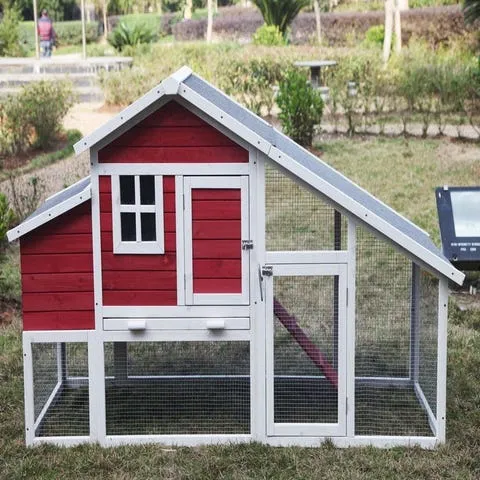
What to Consider When Buying a Chicken Coop
Purchasing a chicken coop is a significant decision for any aspiring chicken owner. The right coop provides a safe, comfortable, and healthy environment for your flock, ensuring their well-being and productivity. A well-chosen coop also simplifies your daily chores and contributes to the overall success of your backyard chicken project. With so many options available, it’s essential to consider several factors to make an informed decision. This comprehensive guide breaks down the top five factors to consider when buying a chicken coop, helping you choose the perfect home for your feathered friends. From size and material to security and maintenance, we’ll cover everything you need to know to make the best choice for your chickens and your lifestyle. Remember that the ideal coop will depend on your specific needs, including the number of chickens you plan to keep, your local climate, and the presence of predators in your area. Investing time in research and careful consideration will pay off in the long run, providing you with years of enjoyment from your chickens.
Size and Capacity
One of the most critical factors when buying a chicken coop is its size and capacity. Overcrowding can lead to stress, increased disease, and reduced egg production. Providing adequate space is crucial for the health and happiness of your chickens. The recommended space requirements are based on both the inside coop area for roosting and sleeping, and the outside run area for foraging and exercise. Ensuring that the coop is of the right size not only benefits the chickens’ well-being but also helps in managing hygiene and reducing the build-up of waste, which could attract pests or contribute to the spread of diseases. It is always better to err on the side of having more space than less, particularly if you live in an area with severe weather conditions that may limit the chickens’ outdoor time.
Determining the Right Size for Your Flock

To determine the right size, first, consider the number of chickens you plan to keep. Start with a realistic estimate of how many chickens you want, as this will directly impact the coop’s size requirements. Next, evaluate your long-term goals. Will you be expanding your flock in the future? If so, it’s best to buy a coop that can accommodate the potential growth. It’s also helpful to consider your local regulations, as some areas have ordinances that restrict the number of chickens allowed per property. Before making a final decision, make sure to factor in the breeds you intend to raise. Different breeds have different space needs; larger breeds need more room. Thoroughly research the space requirements for your chosen breeds and plan accordingly.
Space Requirements per Chicken
Generally, chickens need a minimum of 4 square feet of space per bird inside the coop for roosting and sleeping. However, 6-8 square feet is preferable for comfort and to prevent overcrowding. For the outdoor run, the recommended space is at least 8-10 square feet per bird, or even more if possible. This allows them to forage, dust bathe, and exercise. Remember that these are minimum recommendations, and more space is always better. Overcrowding can lead to stress, feather pecking, and even cannibalism among your chickens. Always prioritize the well-being of your flock by providing ample space and considering the breed-specific needs when planning your coop setup. Ensuring enough space in both the coop and the run allows your chickens to thrive and ensures a happy, healthy flock.
Material and Durability
The material and durability of your chicken coop are vital for its longevity and the safety of your flock. The coop should be able to withstand various weather conditions, including rain, snow, wind, and extreme temperatures. The choice of material will impact the coop’s lifespan, its ease of maintenance, and its overall effectiveness in protecting your chickens from predators. A durable coop is an investment that will provide shelter and protection for your chickens for many years to come. The material must also be safe for the chickens, non-toxic, and easy to clean. Therefore, selecting the correct material is essential for creating a healthy and safe environment for your birds. Always choose materials that will not only last but also meet the specific needs of your flock and your local climate.
Types of Materials Wood vs. Metal vs. Plastic

Wood coops are popular because of their natural appearance and ability to insulate well. They offer excellent protection against temperature fluctuations. However, wood requires regular maintenance, such as painting or sealing, to prevent rot and insect damage. Metal coops are durable and predator-resistant, often made from galvanized steel. They are easier to clean than wood, and resist pests. However, metal can get very hot in summer and very cold in winter, requiring additional insulation. Plastic coops are lightweight, easy to clean, and resistant to pests and rot. They are typically low-maintenance but may not be as durable as wood or metal and can be more susceptible to damage from strong winds or heavy snow. Consider your local climate and the level of maintenance you’re willing to undertake when choosing your coop’s material. Weigh the pros and cons of each material to make an informed decision that best suits your needs.
Weather Resistance and Longevity
Weather resistance is crucial to protect your chickens from the elements and extend the coop’s lifespan. Look for materials that are treated to resist moisture, such as pressure-treated wood or galvanized metal. The roof should be sloped to allow for proper water runoff, and the coop should be elevated off the ground to prevent moisture from seeping in. Ensure that all joints and seams are sealed to prevent drafts and leaks. For longevity, invest in a coop built from high-quality materials and constructed with sturdy hardware. Regular maintenance, such as cleaning, inspecting for damage, and applying protective coatings, is essential to keep your coop in good condition for years to come. Considering the long-term value of your purchase is a good practice, and selecting a weather-resistant and durable coop will minimize maintenance costs and provide a safe haven for your flock.
Security Features
Protecting your chickens from predators is a top priority. Predators can include everything from foxes and raccoons to hawks and domestic dogs, and a poorly designed coop can make your flock vulnerable. Security features are essential to keep your chickens safe, especially at night when predators are most active. Taking the time to select a coop with robust security features will help you to avoid the heartache of losing your chickens to predators. This consideration is particularly crucial if you live in an area with a high predator population. Always prioritize security, and ensure that your chosen coop offers the best protection possible for your flock.
Predator-Proofing Your Chicken Coop

A predator-proof coop starts with solid construction. The walls should be made of durable materials like wood or metal, and the coop should be securely anchored to the ground to prevent animals from digging under it. Use hardware cloth (wire mesh with small openings) instead of chicken wire for the walls and run. Chicken wire is easily torn by predators. The roof should also be secure, and the coop should have a solid floor or be elevated off the ground to prevent digging underneath. Consider adding features like buried wire around the perimeter to deter digging predators. Regularly inspect your coop for any signs of damage or wear, and repair any vulnerabilities immediately. Remember that a secure coop is essential to protect your chickens from harm.
Locking Mechanisms and Hardware
The locking mechanisms on doors and windows should be secure and predator-resistant. Standard latches or simple hooks are often inadequate; look for features like barrel bolts, slide bolts, or latches with a locking mechanism. Ensure that all doors and windows fit snugly and are properly sealed to prevent predators from entering. Heavy-duty hinges and sturdy hardware are crucial to prevent predators from breaking in. Regularly check all latches, bolts, and hinges to ensure they are in good working condition and free from rust or damage. Consider reinforcing the coop with additional hardware if you live in an area with high predator pressure. By investing in reliable locking mechanisms and robust hardware, you can significantly reduce the risk of predator attacks and keep your chickens safe.
Ease of Cleaning and Maintenance
Ease of cleaning and maintenance is a vital factor to consider when buying a chicken coop. A coop that is easy to clean will help you maintain a healthy environment for your chickens and prevent the build-up of harmful bacteria and odors. Regularly cleaning your coop is also essential for preventing pests, such as mites and lice, which can infest your flock. A well-designed coop will have features that simplify the cleaning process. This includes easy access to the interior for cleaning, removable roosting bars, and an effective ventilation system to help keep the coop dry. Moreover, regular maintenance, such as inspecting for damage, repairing worn areas, and applying protective coatings, is essential to prolong the life of your coop and the health of your chickens.
Accessibility for Cleaning and Egg Collection

The coop should have features that make cleaning and egg collection easy. Wide doors and access panels make it simple to reach all areas of the coop for cleaning. Removable roosting bars are essential for cleaning, allowing you to remove and clean them separately. Ideally, the coop should have a removable floor or a deep litter system to make cleaning easier. For egg collection, ensure that the coop has easily accessible nesting boxes, preferably with a design that prevents the hens from roosting in them. The nesting boxes should also be easy to clean, with removable bottoms or linings. A well-designed coop with good accessibility saves you time and effort and encourages regular cleaning, which is crucial for maintaining a healthy and productive flock.
Ventilation and Airflow
Adequate ventilation is critical for the health of your chickens. It helps to remove moisture, ammonia, and other harmful gases that can build up in the coop. Proper ventilation also helps to regulate the temperature, preventing overheating in the summer and frostbite in the winter. The coop should have vents that are strategically placed to allow for good airflow without creating drafts. The vents should be positioned high up in the coop to allow warm, moist air to escape. Consider the placement of these vents, ensuring that they do not allow rain or snow to enter the coop. You should also ensure that the ventilation system is protected from predators. Proper ventilation is essential for maintaining a healthy, comfortable environment for your chickens and for preventing respiratory illnesses. By considering these features, you can choose a coop that ensures a healthy and productive environment for your flock.
Cost and Budget
Establishing a budget is essential before you start shopping for a chicken coop. Prices can vary widely depending on the size, material, features, and brand. Determine how much you can realistically afford to spend, considering both the initial purchase price and ongoing costs. When setting your budget, keep in mind the long-term value of the coop. A more expensive, higher-quality coop may last longer and require less maintenance than a cheaper one. Therefore, consider the overall value and not just the initial price. Don’t forget to factor in additional costs, such as delivery fees, the cost of bedding, and any necessary accessories. A well-planned budget will help you narrow down your choices and ensure that you buy a coop that meets your needs without overspending. Always look for the best balance between price and quality to ensure you get the most value for your investment.
Comparing Coop Prices and Features

Once you have a budget in mind, compare the prices of different coops and their features. Consider the size, material, security features, and ease of cleaning. Make a list of essential features and prioritize them. Read reviews from other chicken owners to get an idea of the coop’s quality and durability. Compare the included features, such as nesting boxes, roosting bars, and ventilation systems. Don’t be afraid to compare different brands and models to find the best deal. Consider the cost per square foot of coop space to determine the value. Remember that the most expensive coop isn’t necessarily the best one. The ideal coop will meet your chickens’ needs, fit your budget, and offer the features you require. Taking the time to compare different coops and their features will ensure you make a purchase you won’t regret.
Long-Term Value and Investment
When buying a chicken coop, consider its long-term value. A well-built coop made of durable materials will last for many years, offering a better return on your investment than a cheaper, poorly-made one. Consider the maintenance requirements and the potential for repairs. A coop that requires less maintenance will save you time and money in the long run. Think about the resale value of the coop if you decide to move or no longer keep chickens. A high-quality coop will likely hold its value better than a less expensive model. Investing in a quality coop is an investment in the health and well-being of your chickens and simplifies the maintenance and care of your flock. Prioritizing the long-term value ensures you make a wise decision that you won’t regret.
Buying a chicken coop is a significant decision, but with careful consideration of the factors discussed in this guide, you can make an informed choice. Prioritize size and capacity to accommodate your flock, choose durable and weather-resistant materials, and ensure robust security features to protect your chickens. Consider ease of cleaning and maintenance for a healthy environment, and establish a budget while comparing prices and features. By focusing on these key elements, you can find the perfect chicken coop to provide a safe, comfortable, and productive home for your feathered friends. Happy chicken keeping!