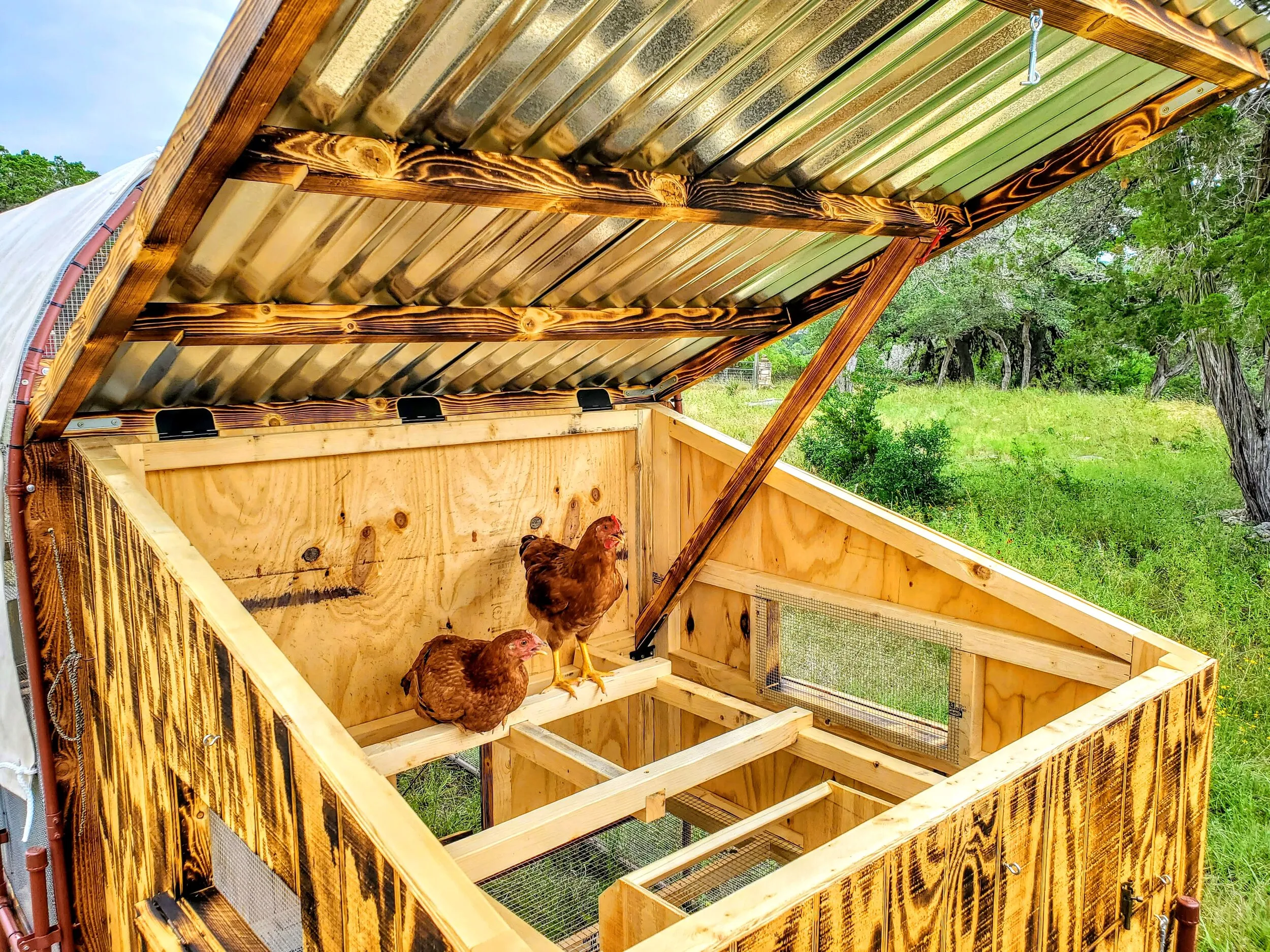
Why Chicken Coop Cleaning is Crucial
Maintaining a clean chicken coop is not just about aesthetics it’s a fundamental aspect of responsible chicken keeping. Regular and thorough cleaning of your chicken coop directly impacts the health, productivity, and overall well-being of your flock. A clean coop minimizes the risk of diseases, ensures the quality of eggs, and creates a more pleasant environment for both you and your chickens. Neglecting this essential task can lead to a cascade of problems, making the time investment worthwhile to avoid potential issues down the line. A clean coop also significantly reduces unpleasant odors and deters pests, further enhancing the coop environment.
Health Benefits of a Clean Coop
The most immediate benefit of a clean chicken coop is the positive impact on your chickens’ health. A dirty coop is a breeding ground for bacteria, parasites, and diseases. These pathogens can quickly spread among the flock, leading to illness, reduced egg production, and even mortality. Regular cleaning disrupts the lifecycle of these harmful organisms, preventing outbreaks and keeping your chickens healthy. Cleaning also helps control the build-up of ammonia, which can irritate the respiratory systems of your chickens, making them more susceptible to illness. Proper coop hygiene is essential to provide a healthy living environment.
Impact on Egg Quality

A clean coop directly affects the quality of the eggs your chickens lay. Chickens that live in a dirty environment are more likely to produce eggs that are soiled or contaminated. Dirt, feces, and other debris can easily accumulate on the eggs, increasing the risk of bacterial contamination. When you clean the coop frequently, you reduce the chances of eggs getting soiled, thereby improving their cleanliness and shelf life. Clean bedding material helps keep the eggs pristine, and reduces the need for extensive washing before consumption. This ensures that you harvest safe, high-quality eggs for your own use or to sell.
Protecting Chickens from Diseases
Diseases are a major threat to backyard chicken flocks. A dirty chicken coop is a perfect environment for various pathogens, including coccidia, mites, and bacteria like Salmonella. Regular cleaning and disinfection can significantly reduce the risk of these diseases. Removing old bedding and cleaning surfaces eliminates potential breeding grounds. Proper ventilation also contributes, as good airflow can help reduce moisture and prevent the spread of diseases. Maintaining a proactive approach to coop sanitation protects your birds, saves on potential veterinary bills, and keeps your flock productive and thriving. Disease prevention is a key benefit to regularly cleaning the coop.
Essential Tools for Chicken Coop Cleaning
To effectively clean a chicken coop, you’ll need a range of tools and supplies. These tools make the cleaning process more efficient and ensure that the coop is thoroughly sanitized. Having the right equipment simplifies the job and allows you to maintain the health and hygiene of your chickens. Investing in these tools is a one-time effort that will pay dividends in terms of ease, effectiveness, and the overall well-being of your flock.
Cleaning Supplies Checklist

Here’s a checklist of essential cleaning supplies for your chicken coop: a sturdy scraper for removing old bedding, a broom and dustpan for sweeping loose debris, a scrub brush with stiff bristles for scrubbing surfaces, a bucket for mixing cleaning solutions, a garden hose with a spray nozzle for rinsing, poultry-safe disinfectant, baking soda for odor control, and vinegar for sanitizing. You may also want to have a pressure washer (optional, but useful for larger coops) and a trash bag to collect waste. Make sure to choose safe, non-toxic cleaning products.
Protective Gear You Need
Protecting yourself during the cleaning process is as important as cleaning the coop itself. Essential protective gear includes gloves to protect your hands from dirt, bacteria, and cleaning solutions. A dust mask or respirator will help you avoid inhaling dust, ammonia, and other potentially harmful particles. Eye protection, such as safety glasses or goggles, will shield your eyes from splashes and debris. Consider wearing old clothes or a dedicated cleaning outfit that can get dirty. Boots or closed-toe shoes are also recommended to protect your feet. Proper gear ensures that you can clean your coop safely and effectively.
Step-by-Step Cleaning Guide for Chicken Coops
Cleaning your chicken coop doesn’t have to be a daunting task. Following a systematic approach can make the process manageable and ensure that you achieve the best results. Here is a step-by-step guide to help you effectively clean your coop.
Preparation Before Cleaning

Before you begin cleaning, prepare the coop. First, remove your chickens from the coop and place them in a secure, temporary location. Gather all your cleaning supplies and protective gear, ensuring they are within easy reach. If possible, open the coop doors and windows to improve ventilation. Then, remove any feeders and waterers, and set them aside for cleaning. This preparation phase streamlines the entire process and ensures a safe environment for both you and your chickens.
Removing Old Bedding
The next step is to remove all the old bedding from the coop. Use a shovel, scraper, or pitchfork to scoop out the used bedding, which will likely contain chicken droppings, feathers, and other debris. Dispose of the old bedding in a compost pile (if you compost) or in a designated waste area away from your chickens. Make sure to remove all the old bedding, paying attention to corners and areas that are difficult to reach. Complete removal of the bedding is essential for a thorough cleaning, which will eliminate odors and prevent the spread of disease.
Scrubbing and Sanitizing Surfaces
After removing the old bedding, scrub the coop surfaces thoroughly. Use a scrub brush and a solution of warm water and poultry-safe disinfectant or vinegar to scrub the walls, floor, roosting bars, and any other surfaces. Pay special attention to areas where droppings accumulate, as well as any areas that show signs of mold or mildew. Rinse all surfaces with clean water to remove any cleaning solution residue. This step is crucial for eliminating bacteria and parasites. Allow the surfaces to air dry completely before replacing the bedding.
Replacing Bedding

Once the coop surfaces are dry, replace the bedding with fresh, clean material. Choose a bedding material that is absorbent, comfortable for your chickens, and easy to clean. Options include straw, wood shavings, or sand. Spread the new bedding evenly across the coop floor, ensuring a sufficient layer to absorb moisture and provide cushioning. Replace feeders and waterers. This is the final step in the cleaning process. Providing fresh bedding helps control odors, keeps the coop dry, and ensures a comfortable environment for your chickens. After that, your chickens can return to their clean and fresh home.
Coop Maintenance Tips for Long-Term Cleanliness
Maintaining a clean chicken coop requires a proactive approach and regular maintenance. Following a consistent cleaning schedule and implementing additional measures can help keep your coop clean, healthy, and free from pests. Here are some essential tips for long-term cleanliness.
Regular Cleaning Schedule
Establish a regular cleaning schedule for your chicken coop. The frequency of cleaning depends on the size of your flock, the type of bedding you use, and the local climate. As a general rule, spot-clean the coop at least once a week by removing droppings and wet bedding. Perform a thorough cleaning, including removing all bedding and sanitizing surfaces, every month or two. Adjust the frequency based on your chickens’ needs and the coop’s cleanliness. Following a schedule helps prevent the build-up of waste, reduces odors, and minimizes the risk of disease outbreaks. Consistency is key when maintaining a clean coop.
Managing Moisture and Ventilation

Managing moisture and ensuring proper ventilation are critical for maintaining a clean and healthy coop. Excess moisture can lead to the growth of mold and mildew, and can also attract pests. Ensure good ventilation by providing adequate openings, such as vents or windows. This will allow fresh air to circulate, which dries out moisture and reduces the concentration of ammonia. Keep the coop floor dry by using absorbent bedding and promptly addressing any leaks or spills. Proper ventilation will help maintain a healthy and comfortable environment.
Pest Control Measures
Implement pest control measures to keep your coop free from unwanted visitors. Regularly inspect the coop for signs of pests, such as mites, lice, and rodents. Use natural pest control methods, such as diatomaceous earth, to control mites and lice. Secure the coop to prevent rodents and other predators from entering. Remove any food sources that might attract pests, and store feed in a sealed container. Proper pest control will help keep your chickens healthy and protect your coop from damage.