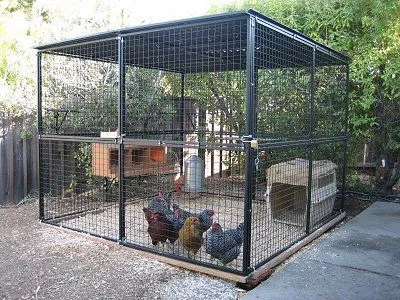
Planning Your Dog Kennel to Chicken Coop Conversion
Converting a dog kennel into a chicken coop is a fantastic way to repurpose existing structures, reduce waste, and provide a safe and comfortable home for your flock. Before diving into the project, careful planning is crucial. This initial phase involves assessing the dog kennel’s suitability, considering the local environment, and determining the specific needs of your future chickens. Proper planning ensures the coop meets all safety standards and provides a healthy environment for your birds. Key aspects include evaluating the existing structure’s condition, identifying potential challenges, and visualizing the final result. Taking time to plan can save you a great deal of time and effort in the long run, ensuring a smooth and successful conversion. Remember to also check local ordinances and regulations regarding chicken keeping and coop design.
Assess the Dog Kennel Structure
The first step in converting your dog kennel involves a thorough assessment of its current state. Examine the materials, paying close attention to the foundation, walls, and roof. Look for any signs of damage, such as rot, rust, or structural weaknesses. The kennel’s existing design may need modifications to accommodate chickens. Determine if the floor is suitable or if it requires reinforcement. Assess the presence of any existing features that could be beneficial or detrimental to the chickens. For example, chain-link walls might need to be enclosed to prevent drafts or predator entry, and a solid roof is essential for weather protection. Ensure that the structure is stable and secure to withstand the elements and the activities of the chickens. Consider the size of the kennel and whether it provides enough space for the number of chickens you plan to keep, according to accepted space guidelines.
Cleaning and Sanitizing

Before starting any modifications, thoroughly clean and sanitize the dog kennel. This removes any lingering odors, potential pathogens, and any harmful substances. Begin by removing any existing debris, such as old bedding, toys, or remnants of the dog’s previous use. Scrub the entire structure with a mixture of warm water and a mild, pet-safe detergent. Pay special attention to corners, crevices, and areas where dirt and grime tend to accumulate. After cleaning, thoroughly rinse the entire structure to remove any detergent residue. To sanitize, use a solution of diluted bleach or a poultry-safe disinfectant. Follow the manufacturer’s instructions carefully, allowing the solution to sit for the recommended time before rinsing again. Proper cleaning and sanitizing ensure a healthy environment for your chickens and prevent the spread of disease.
Structural Integrity
Once the kennel is clean, address any structural issues. This may involve repairing or reinforcing the existing frame, walls, and roof. Check for any loose boards, weak joints, or damaged materials. If necessary, replace any damaged components with new, weather-resistant materials. Ensure the roof is watertight and provides adequate protection from rain and sun. If the kennel has chain-link walls, consider adding solid panels, such as wood or sturdy wire mesh, to provide better insulation, wind protection, and security. The structure must be sturdy enough to withstand the weight of the chickens, nesting boxes, and other equipment. Additionally, the coop should be able to endure the local climate conditions. Proper structural integrity is crucial for the safety and longevity of the coop and the well-being of your chickens.
Local Climate and Regulations
Consider your local climate when designing and modifying the coop. Ensure the coop provides adequate ventilation to prevent the buildup of moisture and ammonia, which can be harmful to chickens. In colder climates, the coop should be insulated to keep the chickens warm during the winter. In warmer climates, provide shade and ventilation to prevent overheating. Research local ordinances and regulations regarding chicken keeping. These regulations may specify requirements for coop size, location, and construction materials. Adhering to these regulations ensures your coop complies with local laws and helps avoid potential fines or other issues. Planning ahead and making adjustments for your specific climate helps to ensure that your chickens are comfortable and healthy throughout the year and that you remain in compliance with local rules.
Essential Coop Features

Your converted chicken coop requires several essential features to provide a comfortable and safe environment for your chickens. These elements contribute to the chickens’ well-being, including their health and laying capabilities. Key features include roosting bars, nesting boxes, and adequate ventilation. Additionally, easy access for cleaning and maintenance is essential. Consider adding a secure door or gate for easy access to collect eggs, feed, and water, as well as to clean the coop. Thoughtful design and the integration of these features will make it easier to care for your flock and will contribute to their overall health and happiness. Ensure the design of each feature is durable and easy to maintain, since this will have an impact on the longevity of your coop and the safety of your chickens.
Roosting Bars
Chickens need a place to roost at night. Install roosting bars at a comfortable height inside the coop. The bars should be made of smooth, untreated wood, such as cedar or pine, to prevent splinters and be easily cleaned. Provide enough space on the roosting bars for all your chickens. Typically, allow about 8-12 inches of roosting space per bird, depending on the breed and size. Position the roosting bars away from drafts and direct sunlight. Consider the placement of the roosting bars in relation to the nesting boxes, to prevent droppings from soiling the eggs. The roosting bars are essential for the chickens’ comfort and sleep, contributing significantly to their overall health.
Nesting Boxes
Nesting boxes provide a safe and private place for hens to lay their eggs. The number of nesting boxes needed depends on the size of your flock, but a general rule is one nesting box for every 3-4 hens. The boxes should be sized appropriately for the breed of chickens you plan to keep, typically around 12x12 inches. Place the nesting boxes in a quiet, dark, and sheltered area of the coop. Provide comfortable bedding material, such as straw, hay, or wood shavings, to encourage egg-laying and protect the eggs. The placement of nesting boxes should facilitate easy egg collection and reduce the chance of the eggs being broken or soiled by droppings. Regular maintenance, including removing soiled bedding, is essential to maintaining a clean and healthy laying environment.
Ventilation and Airflow

Proper ventilation is critical for maintaining a healthy environment inside the chicken coop. Good airflow prevents the buildup of moisture, ammonia, and other harmful gases, protecting the chickens from respiratory illnesses. Install vents, such as a screened opening near the roof, to allow for fresh air circulation. Avoid placing vents directly above the roosting bars, as this can create drafts. The amount of ventilation needed will depend on the climate and the size of the coop. Ensure there is adequate airflow without creating excessive drafts, which could chill the chickens. Regular monitoring of the coop’s interior environment is important to ensure proper ventilation and make adjustments as needed to maintain healthy air quality.
Secure Your Chicken Coop
Protecting your chickens from predators is paramount for their safety. This involves several measures, including predator-proofing the coop itself and securing the surrounding area. Consider the local predators in your area and implement appropriate protective measures. This ensures the safety of your chickens and the preservation of your flock.
Predator-Proofing
Predator-proof your coop to prevent attacks from animals like foxes, raccoons, and other predators. Use strong materials, such as hardware cloth or welded wire mesh, for the walls and roof. Bury the wire mesh around the perimeter of the coop to prevent digging predators from entering. Secure all doors, windows, and access points with sturdy latches. Ensure there are no gaps or openings where predators can squeeze through. Regular inspections of the coop will help identify and address any potential vulnerabilities. Predator-proofing is an essential element of coop design to protect your chickens from harm.
Protecting from the Elements

Protect your coop from the elements, including rain, wind, and snow, which can affect the health and comfort of your chickens. Ensure the roof is watertight and in good repair. Provide shade during the hot summer months to prevent overheating. Proper insulation will help regulate the coop’s temperature, particularly in colder climates. Windbreaks can be installed to provide shelter from strong winds. Regularly inspect the coop and make any necessary repairs to maintain its integrity and ensure your chickens are well-protected from the elements. Proper protection from the elements is essential to ensure a comfortable environment for your chickens.
Choosing the Right Chicken Breeds
The breed of chicken you choose will greatly impact your overall experience. Consider the climate, your goals (eggs, meat, or both), and the temperament of each breed. Some breeds are more cold-hardy, while others are better suited to hot climates. Some breeds are prolific layers, while others are known for their meat production. Research different breeds to find the ones that best suit your needs. Consider factors like egg color, size, and frequency of laying. Also, consider the temperament and personality of the chickens you choose, as this can affect their interaction with you and with each other. Choosing the right breeds is essential for a successful coop conversion and a happy, healthy flock.
Consider Chicken Breed Temperament
Consider the temperament of the chickens you plan to keep, as some breeds are more docile and friendly, while others are more prone to aggression. Research breeds known for their gentle nature if you have children or other pets. Understanding the temperament of the chickens will help create a harmonious environment within the coop and with your family. Some breeds are more tolerant of confinement, while others require more space to roam. Some chickens are known to be noisy, which can be a factor to consider if you have neighbors. Careful consideration of temperament helps ensure a flock that fits well into your lifestyle and environment.
Size and Space Requirements

Ensure that the converted coop provides enough space for the number of chickens you plan to keep. As a general guideline, allow about 4 square feet of floor space per chicken inside the coop and at least 8 square feet per bird in the outdoor run. The size of the run is as important as the coop size, as chickens need room to roam, forage, and exercise. Overcrowding can lead to stress, pecking order issues, and health problems. Consider the breed and size of the chickens when calculating the space requirements. Providing adequate space contributes to their well-being and happiness. Always prioritize the needs of your chickens when determining the size and layout of the coop.
Final Touches and Ongoing Maintenance
Once the major construction is complete, add the final touches to your coop conversion. This can include installing feeders and waterers, adding bedding to the nesting boxes, and setting up any other amenities to make the space comfortable for your chickens. Regular maintenance is critical to keeping your coop in good condition and your chickens healthy. Creating a regular cleaning schedule is essential for maintaining a healthy environment for your flock.
Regular Cleaning Schedule
Establish a regular cleaning schedule to maintain a clean and healthy environment. Remove droppings, soiled bedding, and any uneaten food from the coop on a regular basis, at least weekly. Deep-clean the coop monthly, or more often if needed. Replace bedding in the nesting boxes regularly. Disinfect the coop thoroughly during deep cleans. Regularly cleaning the coop removes waste products and helps control pests, such as mites and flies, preventing the spread of diseases. A consistent cleaning schedule will help maintain the coop’s hygiene and support the overall health of your flock.
Health Monitoring

Monitor your chickens’ health regularly. Observe them for any signs of illness, such as lethargy, loss of appetite, or changes in behavior. Check their droppings, comb, and wattles for any abnormalities. Provide fresh, clean water and a balanced diet. Make sure your chickens have access to grit to help them digest their food. Be prepared to provide veterinary care if needed. Early detection and treatment of any health issues will help prevent the spread of disease and ensure the well-being of your flock. Regular monitoring of your chickens and maintaining a healthy coop environment are critical to their health and productivity.