What Makes Craigslist Chicken Coops a Good Deal?
Craigslist can be a goldmine for budget-conscious chicken keepers looking to acquire a chicken coop without breaking the bank. The primary appeal lies in the potential for significant cost savings compared to purchasing a new coop from a retail store. Sellers often list used coops at discounted prices, and you might even find new, unused coops offered at a lower rate. Furthermore, the platform allows you to connect directly with local sellers, eliminating the middleman and potentially opening up opportunities for negotiation. The local aspect also simplifies transportation and viewing the coop firsthand. It is important to remember that finding the perfect coop on Craigslist requires a strategic approach, knowledge of what to look for, and a keen eye for potential issues.
Factors to Consider When Searching
Before diving into the world of Craigslist chicken coops, it’s essential to determine your specific needs and constraints. Begin by assessing your backyard space and determining the size of coop you can comfortably accommodate. Consider the number of chickens you plan to keep, as this will dictate the minimum square footage required. Also, evaluate the local climate and predator situation in your area. The coop should provide adequate shelter from the elements and be secure enough to protect your flock from predators like foxes, raccoons, and hawks. Set a realistic budget, factoring in the cost of the coop itself and any potential repairs or modifications. Finally, be prepared to act quickly. Good deals on Craigslist often disappear fast.
Types of Craigslist Chicken Coops

Craigslist offers a variety of chicken coop options, each with its own advantages and disadvantages. Understanding these different types will help you narrow your search and find a coop that suits your requirements. You’ll encounter both prefabricated and DIY coops. Each type offers unique characteristics in terms of materials, construction, and overall design. Consider your skills, budget, and aesthetic preferences when choosing between these options. A well-informed decision here will save you time and money in the long run and ensure your chickens’ comfort and safety.
Prefabricated Coops
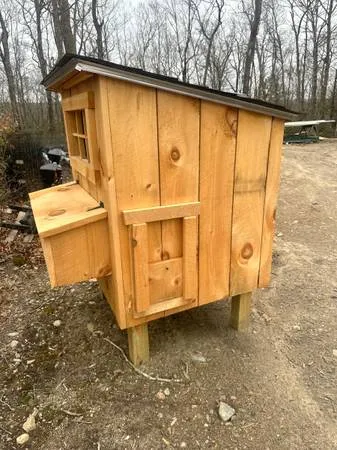
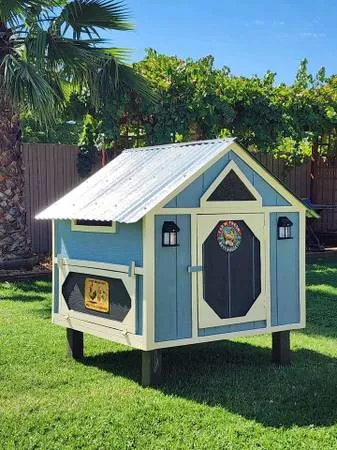
Prefabricated coops are pre-built units often constructed from wood or metal. These coops offer the convenience of being ready to assemble or even pre-assembled, making them a great option for beginners or those short on time. They typically come with features such as nesting boxes, roosting bars, and sometimes even attached runs. The quality of prefabricated coops varies widely, so carefully inspect the materials and construction. Check for sturdy framing, secure joints, and weather-resistant finishes. Ensure that the coop is well-ventilated and has adequate access for cleaning and maintenance. Many sellers offer these coops at significant discounts compared to retail prices, representing a good value if the coop meets your specific needs.
DIY Chicken Coops
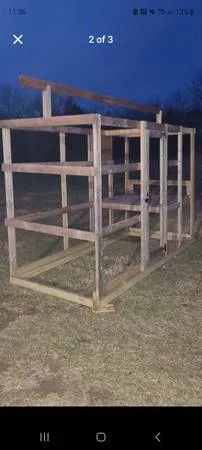
DIY chicken coops are built by individuals, often from scratch or using reclaimed materials. These coops can offer a more customized solution, allowing you to tailor the design to your specific needs and backyard space. You may find coops made from repurposed wood, pallets, or other materials, which can be an eco-friendly and budget-friendly option. However, it is crucial to thoroughly assess the construction quality and materials used in a DIY coop. Look for solid construction, secure closures, and protection from the elements and predators. Consider the age and condition of the materials, as this can affect the coop’s longevity. Also, evaluate the seller’s building skills and experience. If the coop is poorly constructed, it could pose risks to your chickens’ safety.
Used vs New Coops

When browsing Craigslist, you’ll encounter both used and new coops. Used coops often represent the best value, as they are typically priced lower than new coops. However, they may require some cleaning, repairs, or modifications. Carefully inspect used coops for signs of wear and tear, such as rot, damage, or pest infestations. New coops, on the other hand, offer the advantage of being in pristine condition and potentially including a warranty. However, they usually come at a higher price point. Consider your budget, your willingness to undertake repairs, and the overall condition of the coop when deciding between used and new options. Be sure to factor in any potential repair costs when comparing prices.
The Craigslist Chicken Coop Search
Effectively navigating Craigslist requires a strategic approach to searching. Craigslist’s search functionality can be both a blessing and a curse, so using it efficiently is key to success. The platform allows you to browse listings by location, category, and keyword. Knowing how to refine your searches is crucial for finding the deals you want and avoiding wasted time.
Effective Search Terms and Keywords
Use a variety of search terms and keywords to broaden your search and capture different listings. Start with basic terms like “chicken coop” and “coop.” Then, experiment with more specific terms, such as “chicken house,” “hen house,” and “poultry coop.” Include location-specific terms to narrow your search to your desired area. For example, if you live in Austin, include “Austin” or “Texas” in your search. Also, consider terms related to the coop’s size, style, or materials, such as “large chicken coop,” “wooden chicken coop,” or “prefab chicken coop.” Vary your search terms frequently to uncover hidden gems.
Filtering and Sorting Options
Craigslist offers filtering and sorting options to help you refine your search results. Utilize these tools to save time and focus on relevant listings. Filter your search by price, date posted, and location. Sort results by the newest listings to ensure you see the most recent additions first. You can also filter by image availability to see listings with photos, which can save time and help you quickly assess the coop’s condition. Regularly check the “new” postings and set up alerts to be notified of new listings that match your criteria. These options will help you stay ahead of the competition and find the best deals.
Tips for Contacting Sellers
Once you’ve found a chicken coop that piques your interest, the next step is contacting the seller. How you communicate can significantly impact your chances of securing a good deal. Being professional, prepared, and asking the right questions are all essential components of a successful interaction. Remember that you are competing with other potential buyers, so act promptly and be courteous throughout the process.
Negotiating the Price
Negotiating the price is a common practice on Craigslist. Before contacting the seller, research the market value of similar coops to establish a baseline. Identify any potential flaws or areas requiring repair to justify a lower offer. When contacting the seller, express your interest in the coop and politely inquire about the price. If the asking price is higher than your budget or market value, politely suggest a lower price. Be prepared to justify your offer based on the coop’s condition, age, and any necessary repairs. Be respectful of the seller’s time and perspective, and be willing to walk away if you can’t reach an agreement. Sometimes, a slight reduction in price can be achieved with a friendly approach.
Inspecting the Chicken Coop
Before committing to buy a chicken coop, a thorough inspection is essential. This step helps you assess the coop’s condition, identify any potential problems, and determine its overall suitability for your chickens. The inspection process should be methodical, covering all aspects of the coop’s construction, functionality, and safety. Bring a checklist and a flashlight to help you during the inspection. If possible, bring a friend or family member to assist and provide a second pair of eyes.
Checking for Damage and Defects
Carefully examine the coop for any signs of damage or defects. Look for rot, cracks, or warping in the wood, which can compromise the coop’s structural integrity. Inspect the roof for leaks or damage that could allow water to enter. Check the hinges, latches, and closures to ensure they are secure and functional. Examine the wire mesh for any holes or weak spots, which could allow predators to enter. Pay attention to the overall construction quality, looking for any signs of poor craftsmanship or shortcuts. Note any repairs that will be needed and factor the cost into your decision.
Assessing the Coop’s Suitability
Evaluate whether the coop meets your specific needs and those of your chickens. Consider the size of the coop and whether it provides adequate space for the number of chickens you plan to keep. Ensure that the coop has adequate ventilation to prevent the buildup of moisture and ammonia. Check for proper nesting boxes and roosting bars. Evaluate the coop’s overall design, including access for cleaning and maintenance. Consider the coop’s location within your yard and its proximity to your home. Ensure that the coop is suitable for your local climate and predator situation. If you’re unsure, seek advice from experienced chicken keepers or consult online resources.
Essential Questions to Ask

Before making an offer, ask the seller relevant questions about the coop. Inquire about the age of the coop and whether it has been used previously. Ask about any repairs or modifications that have been made. Inquire about the materials used in construction and whether they are weather-resistant and predator-proof. Ask about the coop’s maintenance history, including cleaning and pest control. Ask why the seller is selling the coop and whether they have had any problems with it. Request the seller’s contact information, and confirm the preferred payment method. These questions can provide valuable insights into the coop’s condition and help you make an informed decision.
Transportation and Setup
Once you’ve agreed to buy a chicken coop, you’ll need to transport it from the seller’s location to your property and set it up. Transportation can be a straightforward process for smaller, pre-assembled coops. Larger coops may require disassembly and reassembly. Preparation is critical to ensuring a safe and efficient process. Having the right tools, enlisting help, and planning ahead will make the process easier and reduce the risk of damage or injury. Consider the size and weight of the coop when making transportation arrangements.
How to Safely Transport Your Coop
The safety of transporting your new coop should be your top priority. If the coop is small enough, you might be able to transport it in a truck or a trailer. For larger coops, you may need to disassemble it. Before loading the coop, clear a safe path and ensure you have the necessary tools. Securely fasten the coop to the vehicle using straps or tie-downs to prevent it from shifting during transport. Drive slowly and carefully, especially around corners and over bumps. If you’re disassembling the coop, take photos during the process to aid reassembly. Enlist the help of a friend or family member to help with lifting and carrying. Be aware of the coop’s weight and distribution, and take precautions to avoid injury.
Preparing the Coop for Chickens
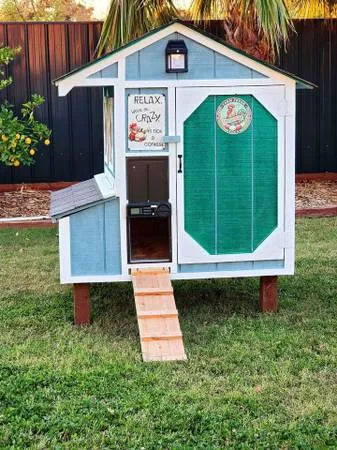
Before introducing your chickens to their new home, take some time to prepare the coop. Thoroughly clean and disinfect the coop to remove any dirt, debris, or potential pathogens. Place fresh bedding material, such as straw, wood shavings, or hemp, in the nesting boxes and on the coop floor. Ensure that the coop is well-ventilated and protected from the elements. Check the coop for any hazards, such as sharp edges or protruding nails, and make any necessary repairs. Provide fresh water and food in appropriate feeders and waterers. Introduce your chickens to the coop gradually, allowing them to explore their new surroundings. Monitor their behavior and ensure they have access to food, water, and shelter.
Maintaining Your Craigslist Coop
Proper maintenance is essential for extending the life of your chicken coop and ensuring your chickens’ health and well-being. Regular cleaning, pest control, and preventative measures will help keep your coop in good condition. Whether you bought your coop new or used, a proactive approach to maintenance will prevent problems and save you time and money in the long run. Implement a consistent maintenance schedule to keep your coop in top shape.
Regular Cleaning and Maintenance
Regular cleaning is a vital part of coop maintenance. Remove droppings, soiled bedding, and other debris from the coop at least once a week. Wash the nesting boxes and roosting bars with warm, soapy water. Disinfect the coop regularly using a poultry-safe disinfectant. Inspect the coop for any signs of wear and tear and make any necessary repairs promptly. Check the hinges, latches, and closures to ensure they are secure. Regularly inspect the coop for potential pest infestations, such as mites or lice, and take preventative measures. Ensure that the coop has good ventilation to prevent the buildup of moisture and ammonia. Cleaning will not only keep your coop looking its best, but also provide a healthy environment for your flock.
Protecting Your Coop from Pests and Predators
Protecting your chicken coop from pests and predators is crucial for the safety of your chickens. Seal any cracks or openings in the coop to prevent pests from entering. Use fine-mesh hardware cloth or wire mesh to cover any openings or vents. Secure the coop’s doors and windows with sturdy latches. Consider adding additional security measures, such as electric fencing, to deter predators. Clean up any spilled feed or food scraps promptly to avoid attracting rodents and insects. Use pest-control products safely and responsibly, following the manufacturer’s instructions carefully. Regularly inspect the coop for any signs of pest or predator activity.
Common Craigslist Scams and How to Avoid Them
While Craigslist can be a valuable resource for finding chicken coops, it’s essential to be aware of potential scams. Scammers often target unsuspecting buyers, so it’s crucial to take precautions to protect yourself from fraud. Knowing the warning signs and following safety guidelines can help you avoid becoming a victim. Practicing safe online transactions and exercising caution when dealing with strangers will minimize your risk. Be vigilant, use your common sense, and trust your instincts.
Red Flags to Watch Out For
Be cautious of sellers who are overly eager to close the deal or pressure you to make a purchase quickly. Be wary of listings with vague descriptions, low-quality photos, or prices that seem too good to be true. Watch out for sellers who refuse to meet in person or insist on receiving payment through untraceable methods, such as wire transfers or prepaid cards. Be cautious of sellers who claim to be located far away or who have recently created their Craigslist accounts. If a deal sounds suspicious or the seller seems evasive, trust your instincts and walk away. Never provide your personal information or financial details to a seller you don’t trust.
Protecting Yourself from Fraud
To protect yourself from fraud, always meet the seller in person to inspect the chicken coop before making a purchase. Bring a friend or family member with you for added safety. Pay in cash or use a secure payment method, such as PayPal or a credit card, that offers buyer protection. Never send money via wire transfer or prepaid card. Before meeting, research the seller’s email address or phone number. If possible, check their online presence to verify their identity. If a deal seems suspicious, report the listing to Craigslist. Trust your instincts, and if something feels wrong, don’t hesitate to walk away. By exercising caution and following these tips, you can minimize your risk of falling victim to a scam.
Finding a chicken coop on Craigslist can be a rewarding experience, offering the potential for significant savings. By understanding the factors to consider, knowing how to search effectively, and taking necessary precautions, you can navigate the platform safely and successfully. Remember to inspect the coop thoroughly, negotiate the price, and protect yourself from potential scams. With careful planning and a bit of luck, you’ll be well on your way to providing a comfortable and secure home for your chickens.