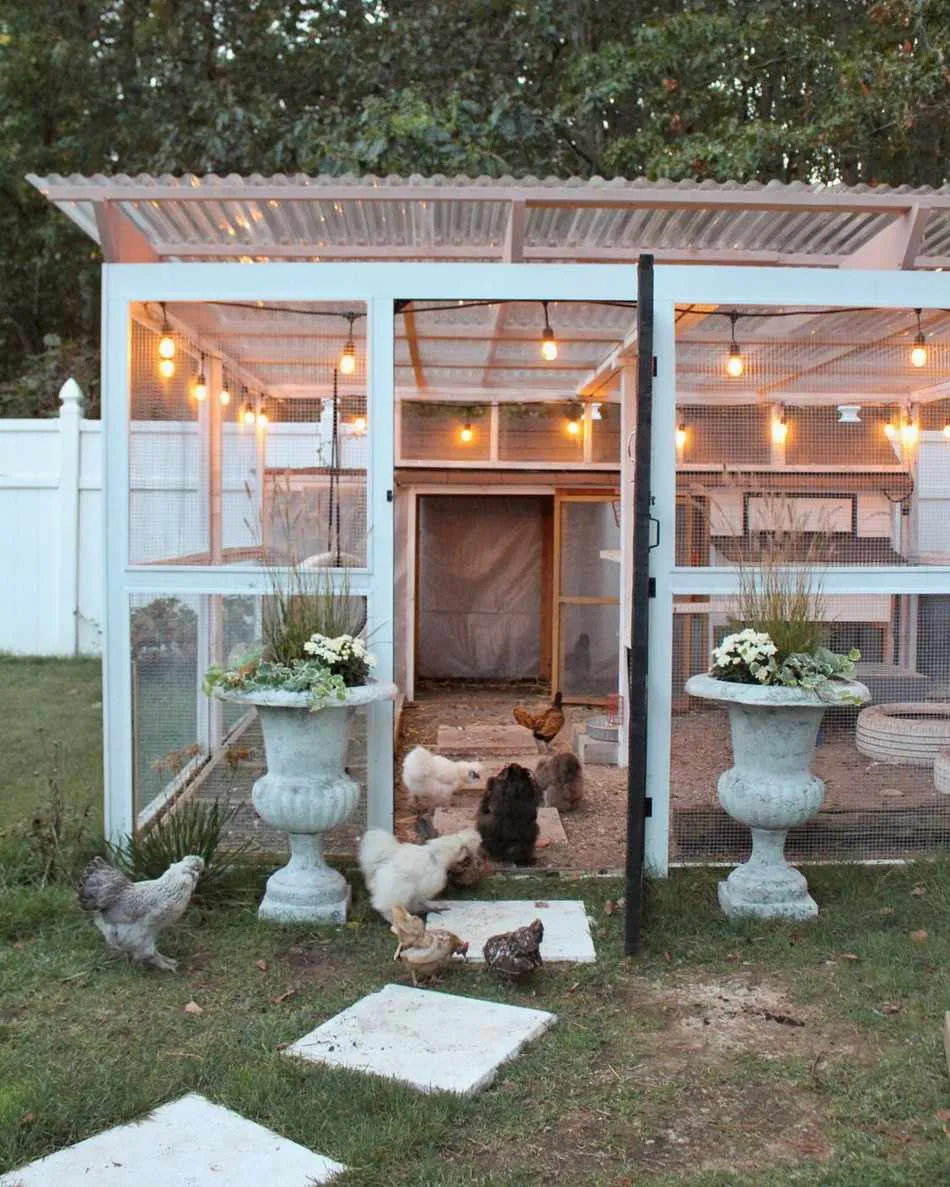
Planning Your Chicken Coop Decor
Creating a cozy home for your chickens is about more than just functionality it’s about creating a space that is safe, comfortable, and visually appealing. Planning is the first and most crucial step in chicken coop decor. Before you even begin to think about paint colors or decorative accents, you need to consider the overall design and layout of your coop. Think about the size of your flock, the space you have available, and the climate you live in. A well-planned coop is one that will not only protect your chickens from the elements and predators but also be easy to clean and maintain. Consider the flow of the coop, ensuring that chickens can move freely. Also, consider the ease of access for you when gathering eggs, cleaning, and providing food and water. Thinking about these aspects during the planning stage will save you time, money, and frustration in the long run. Start with a sketch or a detailed plan, and list all essential elements, such as roosting bars, nesting boxes, and access doors.
Choosing the Right Location
The location of your chicken coop is fundamental to its success and your chickens’ well-being. The ideal location balances protection from predators, accessibility for you, and the chickens’ natural needs. Look for a spot that is relatively level to make construction easier. The area should also have good drainage to prevent water from pooling, which can lead to health problems for your flock. Protection from the wind and direct sunlight is also crucial. Consider the prevailing winds and the direction of the sun, and position the coop to provide shade during the hottest parts of the day and protection from cold winds in the winter. Think about the proximity to your house. Being too far can make it a chore to care for your chickens. Make sure the coop is situated away from noisy areas that might stress your chickens, but still close enough for easy access. Remember to check local ordinances and HOA rules to ensure your chosen location complies with all regulations.
Assessing Sunlight and Ventilation

Proper sunlight and ventilation are key components of a healthy chicken coop environment. Sunlight helps regulate the chickens’ biological clock, encourages egg production, and provides Vitamin D. However, too much direct sunlight can overheat the coop, especially during the summer months. Strategically placed windows or openings can let in the right amount of sunlight. Ventilation is essential for removing moisture, ammonia, and other harmful gases that can build up inside the coop. Good ventilation also helps regulate the temperature, preventing the coop from becoming too hot in the summer or too cold in the winter. The best ventilation systems allow for a constant flow of fresh air without creating drafts that can make your chickens uncomfortable. Consider incorporating vents at the top of the coop to allow warm air to escape, and ensure there are openings lower down to allow fresh air to circulate.
Selecting Durable Materials
The materials you use to build your chicken coop are important for its longevity and your chickens’ safety. Choose materials that are weather-resistant, durable, and easy to clean. Wood is a popular choice, but select rot-resistant varieties such as cedar or redwood. If you choose to use treated lumber, make sure it is poultry-safe, as some treatments can be toxic to chickens. Avoid using materials that can harbor mites or other pests. Consider using metal roofing and siding, which are durable and provide excellent weather protection. The flooring of your coop should be sturdy and easy to clean. Concrete or a solid wood base are good options. Ensure that all materials are free of sharp edges or splinters that could injure your chickens. Regular maintenance, such as painting, staining, and sealing, is essential to protect the materials and extend the life of your coop.
Decorating the Interior for Comfort
The interior of your chicken coop should be designed with the comfort and well-being of your chickens in mind. Create a comfortable environment with the strategic placement of roosting bars, nesting boxes, and enrichment items. Roosting bars should be positioned at a comfortable height, and be made of materials that allow the chickens to grip them easily. Nesting boxes should be dark, quiet, and private, encouraging the chickens to lay their eggs in a safe space. Provide plenty of bedding material in the nesting boxes, such as straw or wood shavings, for comfort and cleanliness. To keep the coop environment clean, incorporate a good cleaning routine to remove waste and provide fresh bedding regularly. The addition of enriching elements, such as swings, climbing structures, and dust baths, can help your chickens stay active and reduce boredom. These enhancements will also make your coop a pleasant and inviting place for your chickens to call home.
Creating a Comfortable Roosting Area

The roosting area is where your chickens will spend their nights, so it’s important to make it comfortable and safe. The roosting bars should be placed high enough off the ground to allow the chickens to feel secure, but not so high that they risk injury when jumping down. The recommended height is generally between 2 to 4 feet above the ground. The width of the roosting bars is also important. Choose bars that are wide enough for the chickens to comfortably perch on. Round or square bars can be difficult for chickens to grip, so flat or slightly rounded bars are usually preferred. Provide enough space per chicken on the roosting bars, typically allowing about 8 to 12 inches of space per bird. Position the roosting bars away from the walls to prevent chickens from rubbing against them. Make sure the roosting area is protected from drafts and direct sunlight.
Providing Safe and Cozy Nesting Boxes
Nesting boxes provide a safe and secluded space for your hens to lay their eggs. The design of the nesting boxes can greatly influence the chickens’ willingness to use them. Place nesting boxes in a dark, quiet area of the coop, away from direct sunlight and drafts. Ensure the boxes are easily accessible but also provide a sense of privacy. A good rule of thumb is to provide one nesting box for every 3-4 hens. The size of the nesting boxes should be adequate for your breed of chickens. Common dimensions are about 12x12 inches for standard-sized breeds. Line the nesting boxes with soft, clean bedding material such as straw, hay, or wood shavings. Change the bedding regularly to keep it fresh and prevent the buildup of bacteria and mites. You can also add decorative elements to the nesting boxes, such as curtains or small perches, to make them more inviting.
Adding Enrichment and Entertainment
Chickens can get bored, which can lead to stress and undesirable behaviors. Adding enrichment and entertainment to your coop can help keep them active, healthy, and happy. Provide a variety of activities to stimulate their minds and bodies. Consider adding a swing or a low-hanging perch for them to hop on. Scatter treats like mealworms or scratch grains in the coop to encourage foraging behavior. You can also hang a vegetable garden or a head of cabbage from the roof for them to peck at. Dust baths are essential for chickens to keep their feathers clean and free of parasites. Create a dust bath area using a shallow container filled with a mixture of sand, soil, and wood ash. Change the dust bath regularly to keep it clean. Rotating the enrichment activities will prevent boredom and provide a consistent sense of novelty in the coop.
Incorporating Decorative Elements

Decorating your chicken coop can be a fun way to add personality and charm to your backyard while also making the coop more visually appealing. Choose a theme or style that complements your overall landscape and personal preferences. You can paint the coop in bright, cheerful colors or use natural tones to blend it with its surroundings. Add decorative accents like small signs, weather vanes, or potted plants around the coop. Consider adding curtains to the windows or painting murals on the walls. Be careful not to compromise the chickens’ safety or health when adding decorative elements. Choose non-toxic paints and materials. Avoid anything that could harbor pests or be harmful if ingested. Ensure all decorative elements are securely attached so they won’t fall and cause injury. The key is to strike a balance between aesthetics and functionality.
Choosing Colors and Themes
When choosing colors and themes for your chicken coop, consider the overall aesthetic you want to achieve and the impact it will have on the chickens. Lighter colors can make the coop feel more spacious and bright, while darker colors can absorb heat and make it warmer. Choose colors that complement the natural environment and the design of your home. A farmhouse theme, for example, can be achieved with neutral colors, wooden accents, and rustic decor. A more modern coop can incorporate bold colors and clean lines. When selecting a theme, consider the age and gender of your chickens. For example, you can use a more feminine theme with pastel colors and floral patterns, or a more rustic theme with wooden elements and earthy tones. Always consider the practicality of your choices. Dark colors may show dirt more easily, so choose colors and materials that are easy to clean and maintain.
Adding Personal Touches
Adding personal touches to your chicken coop will make it a unique space that reflects your personality and gives your chickens a sense of belonging. You can personalize the coop with custom signs that display the names of your chickens or a funny quote. Create a miniature garden around the coop, planting herbs and flowers that are safe for chickens to eat. Repurpose old items like teacups and watering cans as decorative elements. Add artwork, such as painted portraits of your chickens or decorative weather vanes. Consider the functionality when adding personal touches. Any decorations should not pose a hazard to the chickens. Add elements that you find appealing and make the coop a more enjoyable and inviting space for you and your flock.
Maintaining and Updating Your Decor

Maintaining and updating your chicken coop decor is crucial to ensuring the coop remains safe, clean, and visually appealing. Regular cleaning is essential to prevent the build-up of bacteria, odors, and pests. Cleaning should involve removing droppings, replacing bedding, and washing down surfaces. Inspect your coop regularly for damage or wear and tear. Repair any structural issues or replace worn-out materials promptly. Update your decor seasonally to keep the space fresh and engaging. Add seasonal decorations, such as festive banners or themed accents. Rotate the toys and enrichment items to prevent boredom. Maintaining and updating the decor will keep the coop in top condition and ensure that your chickens always have a comfortable and visually appealing place to call home.
Regular Cleaning and Maintenance
Regular cleaning and maintenance are essential aspects of chicken coop decor. Establish a cleaning schedule that meets your chickens’ needs. At minimum, you should remove droppings daily, spot-clean the coop weekly, and give it a thorough cleaning monthly. During cleaning, remove all bedding and replace it with fresh material. Wash down surfaces with a poultry-safe disinfectant. Inspect the coop for any signs of pests, such as mites or lice, and take appropriate measures to eliminate them. Check for any structural damage and make necessary repairs. Regular maintenance will keep the coop clean and healthy. Properly maintained coops help prevent diseases and create a more comfortable living environment for your chickens.
Seasonal Decorating Ideas
Seasonal decorating can keep your chicken coop looking fresh and exciting, and it can also provide additional enrichment for your chickens. In the spring, add colorful flowers and decorations to celebrate new life. In the summer, provide shade and cooling elements like misters or fans. In the fall, decorate with pumpkins, gourds, and fall foliage. During winter, ensure the coop is well-insulated and provide extra warmth. You can also add seasonal treats like pumpkins and holiday-themed toys to keep your chickens entertained and engaged. Make sure that any decorations you use are safe for your chickens and do not pose any health risks. Rotate decorations frequently to prevent boredom and provide a continuous sense of novelty.
Adapting Decor for Different Climates

When decorating your chicken coop, it’s important to adapt your approach to the climate you live in. In hot climates, focus on providing shade and ventilation to keep the coop cool. Use light-colored materials that reflect heat and install fans or misters. In cold climates, prioritize insulation and draft protection. Insulate the walls and roof of the coop, and use a deep litter method to generate warmth. In areas with high rainfall, make sure the coop is waterproof, and incorporate a drainage system. Regardless of the climate, always make sure your chickens have access to fresh water and a balanced diet. Adapting your decor to the local climate will create a comfortable and healthy living environment for your chickens throughout the year.