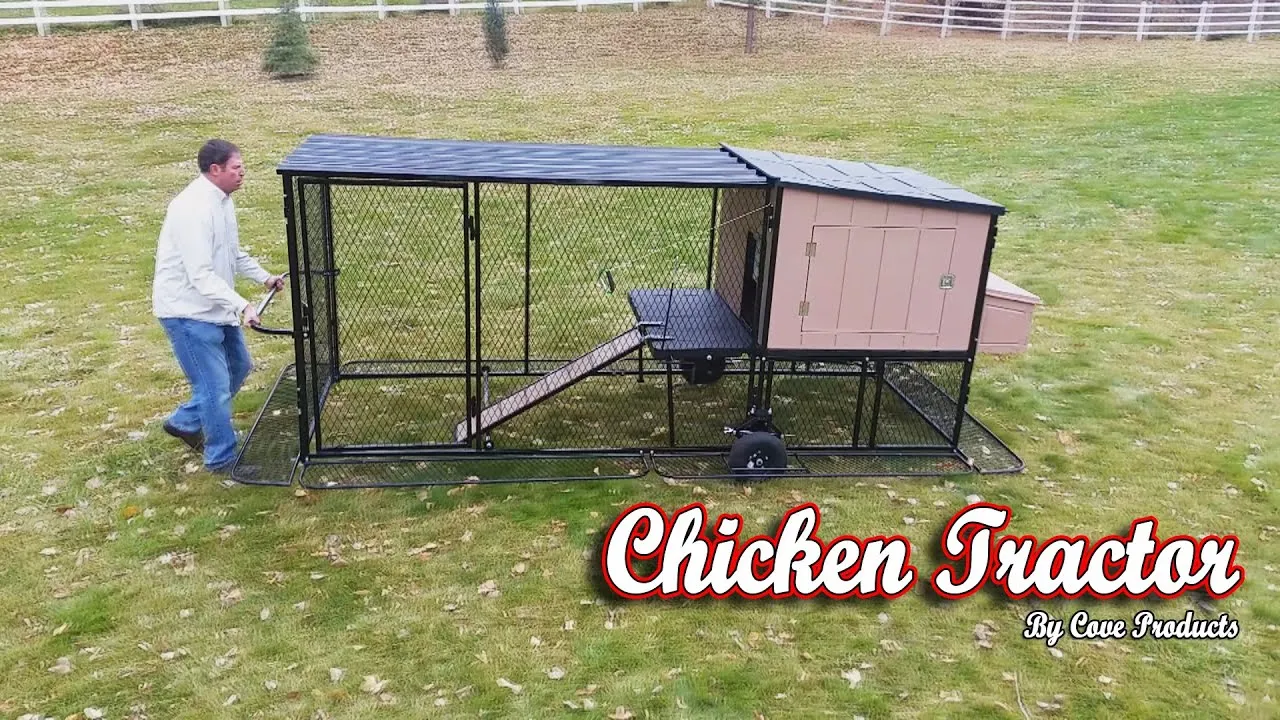
Building a chicken coop is an exciting venture for anyone looking to raise chickens in their backyard. A well-designed coop is not only essential for the health and safety of your flock but also enhances the overall functionality of your chicken-keeping experience. This guide, Chicken Coop Design 101, breaks down the key elements of designing and building a great coop, ensuring both you and your chickens enjoy a safe, comfortable, and productive environment. From planning to predator-proofing and maintenance, this comprehensive overview will help you create a thriving chicken habitat.
Planning Your Chicken Coop Design
Careful planning is the foundation of a successful chicken coop. This stage involves assessing your available space, understanding your local climate, and anticipating the needs of your chickens. A well-thought-out plan saves time, money, and potential headaches down the line. Think about the long-term needs of your flock, including expansion and ease of maintenance. Accurate planning also helps in estimating the materials required and the overall cost, allowing you to budget effectively and avoid unnecessary expenses.
Choosing the Right Location
The location of your chicken coop significantly impacts its functionality and the well-being of your chickens. Consider several factors to ensure the chosen spot meets the essential requirements for your flock. This includes accessibility for both you and the chickens, protection from the elements, and a balance between sunlight and shade. Additionally, the location should comply with local ordinances and be in an area that minimizes potential disturbances to your neighbors. A thoughtfully selected location sets the stage for a healthy and happy flock.
Consider Sunlight and Shade

Chickens need both sunlight and shade to thrive. Sunlight is crucial for vitamin D production, which is essential for calcium absorption and overall health. The coop should get some direct sunlight, especially during the cooler months. However, excessive sun exposure, particularly during the summer, can overheat the coop and stress the chickens. Provide shaded areas, either through natural shade from trees or by incorporating a covered run or shaded portion of the coop. This balance will ensure your chickens have the best of both worlds.
Assess Drainage and Soil Quality
The coop’s location should have good drainage to prevent water from pooling, which can lead to health issues like coccidiosis and other diseases. The soil should be well-drained and not prone to flooding. If your chosen location has poor drainage, you may need to implement measures to improve it, such as raising the coop on a slightly elevated platform or adding drainage systems. The soil quality is also important. Avoid areas with soil contaminated with harmful chemicals or heavy metals.
Determining the Coop Size
Determining the correct coop size is crucial for the health and comfort of your chickens. A coop that is too small will lead to overcrowding, which can cause stress, pecking order issues, and the spread of disease. On the other hand, a coop that is too large may be harder to heat in winter and less efficient to manage. Consider the number of chickens you plan to keep, their breed (as some breeds are larger than others), and the space they need for roosting, nesting, and moving around comfortably.
Calculating Space Per Chicken

A general guideline is to provide at least 4 square feet of floor space per chicken inside the coop and 8-10 square feet per chicken in the outdoor run. This is a minimum requirement, and providing more space is always better, especially if you live in a climate with long winters where chickens spend more time indoors. The recommended space will vary slightly depending on the breed. Research the specific needs of your chosen breed to provide the best possible living conditions.
Planning for Expansion
When designing your coop, it’s wise to consider future expansion. You might want to add more chickens to your flock later. Design the coop with the potential for expansion in mind. This could involve making the coop modular so that you can easily add more space or building a larger run initially. Consider the space for additional nesting boxes, roosting bars, and feeders. Planning for expansion ensures the coop remains suitable for your chickens as your flock grows.
Essential Coop Features
Essential features enhance the functionality and the comfort of your chicken coop. These features contribute to the overall well-being of your chickens and streamline the daily maintenance tasks. The key features should be well thought out and implemented. They will contribute to the health, safety, and happiness of your flock.
Roosting Bars Design and Placement

Roosting bars are where chickens sleep, so they should be comfortable and appropriately placed. The bars should be made of a sturdy material, such as wood, with rounded edges to prevent foot injuries. Position the roosting bars at a height that allows the chickens to easily access them. Provide sufficient space on the bars to prevent overcrowding, typically allowing about 8-12 inches per chicken. Ensure that the roosting bars are located away from the nesting boxes to prevent droppings from contaminating the eggs.
Nesting Boxes Design and Quantity
Nesting boxes are where hens lay their eggs. The design and placement of nesting boxes are critical for encouraging egg-laying and keeping the eggs clean and safe. One nesting box for every 3-4 hens is generally recommended. The boxes should be large enough for the hens to comfortably turn around. They should also be placed in a dimly lit, private, and easily accessible area. Line the boxes with soft, clean bedding such as straw or wood shavings. Ensure the nesting boxes are easy to clean and maintain to promote hygiene and prevent the buildup of bacteria.
Ventilation Systems
Proper ventilation is essential for maintaining a healthy environment inside the coop. Good ventilation helps to remove moisture, ammonia, and other harmful gases that can build up from chicken waste. A well-ventilated coop reduces the risk of respiratory diseases and improves the overall air quality. Implement a ventilation system that allows for good airflow without creating drafts, especially during cold weather. This can include vents located near the roof and windows that can be opened and closed as needed. The correct ventilation system will ensure a healthy environment for your flock.
Material Selection for Durability

The materials you choose for your chicken coop will determine its durability, lifespan, and overall effectiveness. Choosing the right materials is a crucial aspect of building a long-lasting and secure coop. Consider factors such as weather resistance, predator protection, and ease of maintenance. The quality of the materials will significantly impact the overall cost of the project, but using durable materials from the start will save you money and effort in the long run. Choosing the correct materials will ensure the structural integrity of the coop, as well as its safety.
Wood Types and Their Suitability
When selecting wood for your coop, consider the climate and the availability of different wood types in your area. Pressure-treated lumber is a popular choice due to its resistance to rot, insects, and moisture, making it ideal for the frame and foundation of the coop. However, ensure that the wood is approved for use with animals. Cedar and redwood are naturally rot-resistant and can be used for the siding and other parts of the coop. Avoid using chemically treated wood that could be toxic to your chickens. Selecting the right type of wood plays a significant role in ensuring the coop’s durability.
Hardware Cloth for Security
Hardware cloth is essential for predator-proofing your chicken coop. It is a galvanized steel mesh that provides a strong barrier against predators, such as raccoons, foxes, and other animals. Use hardware cloth with small openings (1/2 inch or smaller) for the walls, floor, and windows of the coop, and to secure any openings. Burying hardware cloth around the perimeter of the coop, extending several inches underground, is critical to prevent predators from digging under the walls. It is a long-lasting, effective option for protecting your flock.
Choosing a Roof Design

The roof design of your chicken coop is a crucial element, influencing both the aesthetics and the practicality of the structure. A well-designed roof protects your chickens from the elements, including rain, snow, and sun. Consider the climate in your area when choosing a roof design. A sloped roof is excellent for shedding water and snow, while a flat roof might require extra maintenance and waterproofing. The roofing material should be durable, weather-resistant, and easy to maintain. Common choices include asphalt shingles, metal roofing, and corrugated plastic. Make sure that the roof also provides sufficient ventilation to prevent moisture buildup and promote air circulation within the coop.
Building Your Chicken Coop
Once you have planned your chicken coop and selected the materials, the next step is to build it. This involves several key stages, including the foundation, framing, wall construction, and the installation of doors and windows. A carefully constructed coop is critical for the long-term comfort and safety of your chickens. Each stage requires accuracy and attention to detail to ensure the coop is structurally sound and secure. Taking your time during each step of the building process is essential for the final product.
Foundation and Framing
The foundation provides a stable base for your chicken coop, which protects it from moisture and prevents it from settling unevenly over time. The foundation could be a concrete slab, gravel base, or a raised wooden frame. If using a wooden frame, ensure that the wood is treated or made from naturally rot-resistant material. Framing involves constructing the skeleton of the coop, including the walls, floor, and roof supports. This stage requires precise measurements and accurate cuts. Using screws instead of nails will give you a stronger structure.
Wall Construction and Insulation

Construct the walls by attaching siding to the framing. The siding material should be chosen based on your climate and aesthetic preferences. For colder climates, insulation is recommended to help regulate the coop’s internal temperature. Insulate the walls, floor, and ceiling with appropriate insulation materials, such as fiberglass, foam boards, or recycled materials. Ensure that the insulation is installed correctly to avoid moisture buildup and maximize its effectiveness. Insulated walls will keep the coop warmer in the winter and cooler in the summer.
Installing Doors and Windows
Install doors and windows after the walls and roof are in place. The doors should be securely hinged and latched to prevent predators from entering. The windows provide ventilation and allow natural light into the coop. Use hardware cloth on the windows to protect them while allowing airflow. The windows should be easily opened and closed for ventilation. Position the doors and windows strategically for easy access for both you and your chickens. Make sure that all openings are properly sealed to prevent drafts and keep the coop secure.
Securing the Coop Against Predators
Protecting your chickens from predators is critical for the health and safety of your flock. Common predators include raccoons, foxes, coyotes, and various other animals. Implement a variety of predator-proofing measures to make your coop as secure as possible. This includes using strong materials, securing all openings, and taking precautions to prevent digging. Careful planning and execution of these measures will keep your chickens safe and secure.
Predator-Proofing Techniques

Employ multiple predator-proofing techniques. Use sturdy materials such as hardware cloth instead of chicken wire, which predators can easily tear through. Secure the coop with strong latches and locks. Enclose the run with hardware cloth, including the top, to prevent predators from climbing or flying in. Consider using motion-activated lights to deter nocturnal predators. Regularly inspect the coop for any signs of damage or potential vulnerabilities, and address them immediately.
Protecting Against Digging
Digging is a common way predators try to access a coop. To prevent digging, bury hardware cloth around the perimeter of the coop, extending several inches underground. Create a concrete footing around the coop. You can also use a hardware cloth apron, which extends outward from the base of the coop and is buried in the ground. This will deter digging predators. Regularly inspect the area around the coop for any signs of digging and take immediate action if you find any.
Coop Maintenance and Cleaning
Regular maintenance and cleaning are essential for the health and well-being of your chickens and for the longevity of your coop. Clean the coop regularly to prevent the buildup of bacteria, parasites, and ammonia, which can lead to various diseases. Keep a consistent cleaning schedule, making it easy to maintain the coop. Routine maintenance also allows you to identify and address any issues quickly, preventing them from becoming major problems.
By following this Chicken Coop Design 101 guide, you can build a great coop that is both functional and aesthetically pleasing. Remember that a well-designed coop is a long-term investment in the health, safety, and happiness of your chickens. With proper planning, construction, and maintenance, your coop will provide a safe and comfortable home for your flock for years to come.