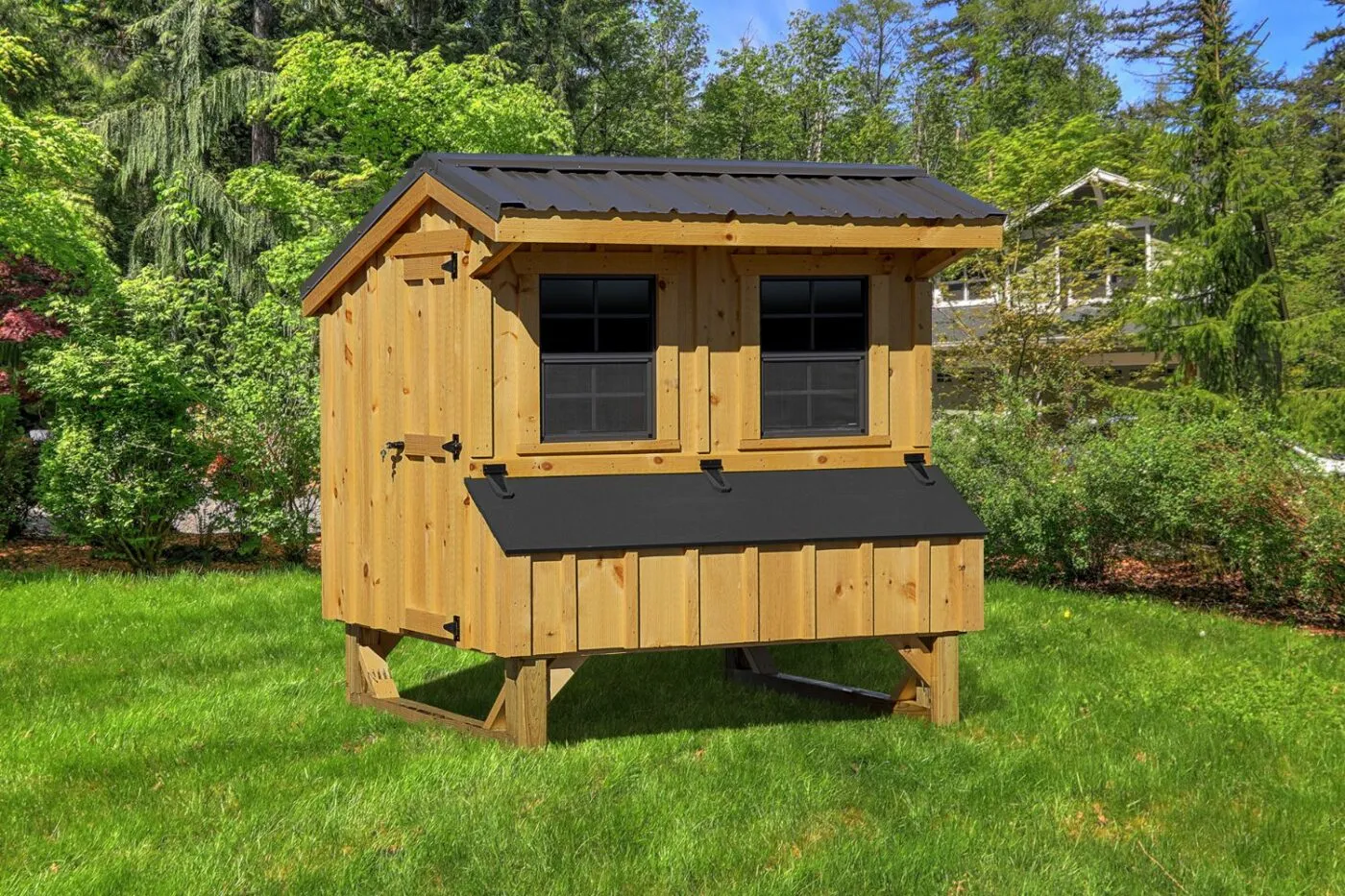
Planning Your Chicken Coop Design
Designing a chicken coop for 12 chickens requires careful planning to ensure the health, safety, and happiness of your flock. A well-designed coop protects chickens from the elements, predators, and provides a comfortable environment. Before you even think about hammers and nails, you need to consider several crucial factors. This guide provides comprehensive instructions on how to design the perfect chicken coop for your backyard, ensuring both functionality and aesthetics. The initial design phase is vital as it sets the foundation for a successful chicken-keeping experience.
Determine the Size
The size of your chicken coop is paramount. Overcrowding can lead to stress, disease, and pecking order issues within your flock. Providing adequate space ensures your chickens have room to move, roost, and lay eggs comfortably. Always plan for the future, considering that your chickens may grow, or you might expand your flock. The correct dimensions are crucial to prevent the spread of diseases and maintain a healthy and productive environment for your hens. Proper sizing also promotes better air circulation, further contributing to the well-being of your flock.
Calculate Space Requirements

A general rule of thumb is to provide at least 4 square feet of floor space per chicken inside the coop and 8-10 square feet per chicken in the run. For a coop designed for 12 chickens, this translates to a minimum of 48 square feet of coop space. Your run should be at least 96 square feet, though more space is always better for exercise and foraging. Consider the breed of your chickens, as larger breeds might require more space. This calculation ensures that your chickens have enough room to avoid stress and live comfortably.
Consider Local Regulations
Before you start building, check your local zoning laws and homeowner association (HOA) rules. Many areas have regulations regarding chicken coops, including size, setbacks from property lines, and permitted materials. Some areas may require permits or inspections. Failure to comply can lead to fines or the requirement to dismantle your coop. Research these regulations thoroughly to avoid any legal issues and ensure your coop meets all local requirements.
Choosing the Right Materials
The materials you choose will significantly impact the durability, safety, and aesthetics of your chicken coop. Selecting weather-resistant and predator-resistant materials is crucial for protecting your flock. Consider the climate in your area and choose materials that can withstand extreme temperatures, rain, and sun exposure. The right materials not only protect your chickens but also contribute to the overall lifespan of your coop. Proper material selection ensures that your chickens are safe and comfortable in their home.
Types of Wood

Wood is a popular choice for chicken coops due to its ease of use and natural insulation properties. Pressure-treated lumber is resistant to rot and insects, making it a durable option. Cedar and redwood are also excellent choices, naturally resistant to decay and pests, and offer a pleasant aroma. Avoid using wood that has been treated with chemicals that could be harmful to chickens. Consider the long-term maintenance requirements of different wood types when making your selection.
Predator-Proofing
Predators are a constant threat to chickens. Use sturdy materials and construction techniques to keep them out. Bury hardware cloth or wire mesh at least 12 inches underground around the perimeter to prevent digging predators. Ensure all openings are covered with sturdy wire mesh, not chicken wire, which is easily torn. Secure doors and windows with strong latches and consider using automatic coop doors for added security. Build a secure coop is crucial for protecting your investment in chickens.
Coop Placement and Layout
The location and layout of your coop are essential for the health and safety of your chickens. Consider factors like sun exposure, wind, and proximity to your house. A well-planned layout will make it easier to manage your flock and maintain the coop. Thoughtful consideration of these elements will improve the well-being of your chickens and your overall experience with keeping them.
Sun and Shade Considerations

Provide both sunny and shaded areas within the coop and run. Chickens need sunlight for vitamin D production, but they also need shade to escape the heat, especially during the summer. Position the coop so it receives morning sun and afternoon shade, if possible. Ensure the run includes shady spots provided by trees, shrubs, or a covered area. Proper sun and shade balance helps regulate the chickens’ body temperature and promotes their overall health.
Ventilation and Airflow
Good ventilation is crucial for preventing the buildup of ammonia and moisture, which can lead to respiratory problems. Provide vents near the roofline to allow air to circulate. Avoid drafts that could chill your chickens, especially during winter. Proper ventilation also helps to control the humidity levels inside the coop, preventing the growth of mold and mildew. Efficient airflow promotes a healthier living environment for your chickens.
Essential Features
Certain features are essential for a functional and comfortable chicken coop. These include nesting boxes, roosting bars, and a well-designed feeding and watering system. These elements directly impact the chickens’ ability to lay eggs, sleep comfortably, and access food and water easily. Including these in your design is vital for their overall well-being.
Nesting Boxes

Provide one nesting box for every 3-4 hens. Nesting boxes should be in a dark, quiet, and private area of the coop. Make them easy to access for cleaning and egg collection. Line the boxes with soft, absorbent bedding, such as straw or wood shavings. Keeping the nesting boxes clean and comfortable will encourage your hens to lay their eggs in the designated area, protecting them from damage and improving hygiene.
Roosting Bars
Chickens sleep on roosting bars. Provide about 8-12 inches of roosting space per chicken. Position the roosting bars at varying heights to allow for easy access. Use rounded edges on the bars to prevent foot injuries. The roosting bars should be away from the walls to prevent the hens from defecating on the walls. Well-placed roosting bars are critical for the chickens’ comfort and their natural sleeping behaviors.
Feeding and Watering Systems
Place feeders and waterers in accessible locations within the coop and run. Choose feeders and waterers that are easy to clean and refill. Hang feeders to prevent spillage and keep the feed clean. Consider automatic waterers for a constant supply of fresh water. Ensure that the feeding and watering system is protected from the elements and predators. Efficient access to feed and water is essential for the hens’ health and for egg production.
Maintaining Your Chicken Coop

Regular maintenance is key to keeping your chicken coop clean and safe. Regular cleaning helps prevent disease and reduces odors. Proper maintenance extends the lifespan of your coop and ensures a healthy environment for your chickens. Consistent maintenance practices maintain a pleasant backyard environment.
Cleaning and Sanitation
Clean the coop regularly, removing droppings, soiled bedding, and spilled feed. Sanitize the coop at least once a month with a poultry-safe disinfectant. Replace bedding frequently to keep it dry and free of bacteria. A clean coop minimizes the risk of disease and parasites. Consistent cleaning contributes significantly to the overall health and well-being of your chickens.
Pest Control
Control pests such as mites, lice, and rodents, which can spread disease and stress your chickens. Regularly inspect your chickens and coop for signs of infestation. Use appropriate pest control methods, such as diatomaceous earth or poultry-specific insecticides, to control pests. Prevent rodents by storing feed in airtight containers and cleaning up spilled feed. By taking preventative measures and addressing pest issues quickly, you can protect your flock and maintain a healthy coop environment.
Designing and building a chicken coop for 12 chickens is a rewarding project that provides fresh eggs and a charming addition to your backyard. By following these guidelines, you can create a safe, comfortable, and attractive home for your flock. Remember that proper planning, material selection, and maintenance are essential for a successful chicken-keeping experience. Enjoy the process and the benefits of raising your own chickens!