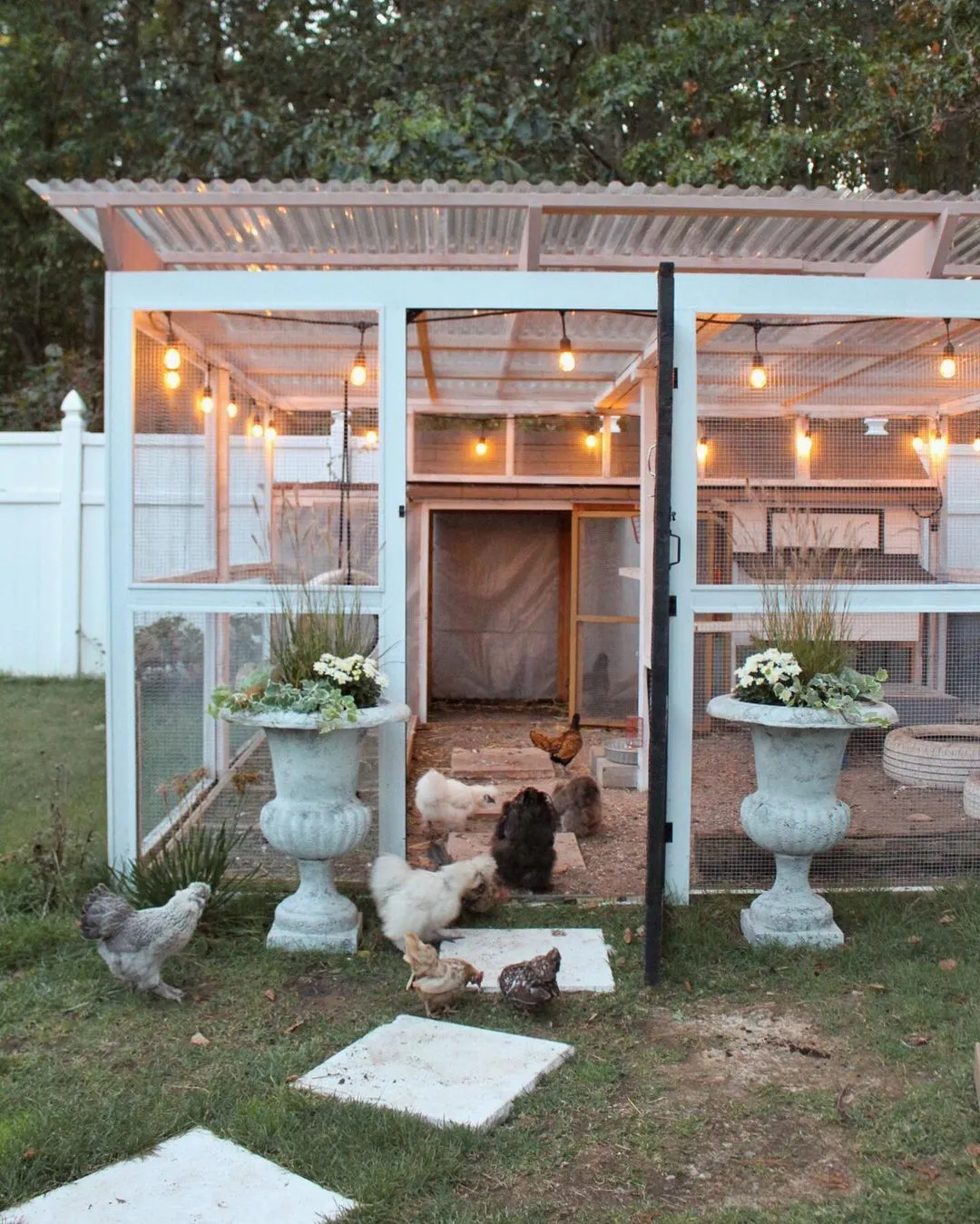
Designing and building a chicken coop is an exciting project for any backyard enthusiast. A well-designed coop provides a safe, comfortable, and functional home for your chickens, ensuring their health and happiness while making your life easier. This guide will walk you through the essential steps of chicken coop design, from planning to maintenance, to help you build the best possible coop for your flock. Careful planning and design are crucial to creating a coop that meets the needs of your chickens and your lifestyle. This guide will cover everything you need to know, ensuring you’re well-prepared to embark on this rewarding project, whether you’re a seasoned builder or a complete novice. Let’s get started on the journey to a perfect chicken coop!
Planning Your Chicken Coop Design
Before you even pick up a hammer, proper planning is essential. A well-thought-out plan will save you time, money, and frustration in the long run. Consider factors such as the number of chickens you plan to keep, the local climate, and any local ordinances or regulations regarding coop size, location, and construction materials. Think about the space you have available in your yard, and how the coop will integrate with your existing landscape. This initial planning phase sets the foundation for a successful and enjoyable chicken-keeping experience. A poorly planned coop can lead to overcrowding, poor ventilation, and increased risk of disease, so taking the time to get it right from the start is a worthwhile investment. Proper planning ensures a comfortable and healthy environment for your chickens.
Determining Coop Size
Determining the right coop size is crucial for the health and well-being of your chickens. Overcrowding can lead to stress, disease, and behavioral problems. Provide adequate space for both indoor and outdoor activities. Consider your current flock size and plan for potential future growth. A spacious coop allows chickens to move freely, reducing the likelihood of conflicts and promoting overall well-being. Consider the number of chickens you plan to keep and their breed, as larger breeds require more space than smaller ones.
Calculating Space per Chicken

As a general rule, provide at least 4 square feet of floor space per chicken inside the coop. For the outdoor run, aim for at least 8-10 square feet per chicken. These are minimum recommendations, and more space is always better. Adequate space reduces stress, prevents bullying, and allows chickens to engage in natural behaviors like dust bathing and foraging. Consider the breed of chicken; larger breeds like Brahmas require more space than smaller breeds like Bantams. Providing adequate space contributes significantly to the overall health and happiness of your flock. Always err on the side of providing more space than you think you need.
Considering Your Flock’s Needs
Beyond the basic space requirements, consider your chickens’ specific needs. This includes the provision of nesting boxes, roosting bars, and areas for dust bathing. Nesting boxes should be comfortably sized and placed in a quiet, dark area, one box for every 3-4 hens is generally recommended. Roosting bars should be placed at a height that allows chickens to easily perch for sleeping. Dust bathing areas are essential for maintaining hygiene; these can be a designated area filled with sand or dirt. Providing for these needs will enhance your chickens’ comfort and contribute to their overall health and well-being. Considering your flock’s specific needs ensures a happy and healthy chicken-keeping experience. Understanding their behaviors and preferences is key to coop design.
Choosing the Right Location
The location of your chicken coop is just as important as its design. Consider factors such as sun exposure, shade, predator protection, and accessibility. The ideal location will provide a balance of sun and shade, protection from prevailing winds, and easy access for cleaning and maintenance. Think about where you will be able to easily access the coop for collecting eggs, feeding, and watering. A well-chosen location will minimize challenges and maximize your enjoyment of chicken keeping. Also, consider the proximity to your house, neighbors, and any potential noise or odor issues.
Sun Exposure and Shade

Chickens need both sun and shade. Direct sunlight provides warmth and helps chickens synthesize vitamin D, but too much sun can lead to overheating, especially in warmer climates. Provide ample shade, either through the coop’s design, shade cloth, or strategically planted trees or shrubs. Ensure the coop is positioned so that the chickens can easily move between sunny and shaded areas throughout the day. This will help regulate their body temperature and protect them from the elements. The right balance of sun and shade is essential for the comfort and health of your flock. Consider the direction of the sun and how it will impact the coop throughout the year.
Predator Protection
Protecting your chickens from predators is paramount. Choose a location that offers natural barriers and opportunities to fortify the coop. Avoid placing the coop near areas that are known to harbor predators, such as dense underbrush or wooded areas. The coop should be built with strong, predator-resistant materials. Burying hardware cloth around the perimeter of the coop and run will prevent digging predators from entering. Secure all doors and windows with sturdy latches. Install hardware cloth over any openings, and consider a fully enclosed run to provide maximum security. Predator-proofing is critical for the safety and well-being of your flock.
Selecting Coop Materials
The materials you choose for your chicken coop will impact its durability, functionality, and aesthetic appeal. Consider factors such as cost, weather resistance, predator resistance, and ease of maintenance. Selecting the right materials will ensure the coop can withstand the elements and provide a safe and comfortable home for your chickens. Choosing materials that are readily available and easy to work with will also simplify the construction process. Consider the lifespan of the materials and their environmental impact. Prioritize materials that are non-toxic and safe for your chickens. Choosing the right materials lays the foundation for a long-lasting and functional coop.
Wood Options

Wood is a popular choice for chicken coops due to its natural appearance and ease of construction. Cedar and redwood are naturally rot-resistant and can withstand the elements without treatment. Pressure-treated lumber is another option; however, make sure it’s safe for chickens as some treatments can be toxic. Avoid using wood that is prone to warping or splitting. Choose wood that is smooth and free of splinters to prevent injuries to your chickens. Consider the overall aesthetic you want to achieve and select wood that complements your home and landscape. The quality of the wood you select will influence the overall lifespan of your chicken coop.
Metal and Other Materials
Metal, such as corrugated steel or aluminum, can be used for roofing and siding, providing excellent weather resistance and durability. These materials are generally low-maintenance and can last for many years. Hardware cloth, a type of wire mesh, is essential for predator-proofing. Use it to cover windows, vents, and the bottom of the run to prevent digging predators. Concrete can be used for the foundation of the coop, providing a solid and durable base. Consider incorporating other materials, such as recycled plastics or composite materials, for flooring or other components. The use of metal and other materials can enhance the durability and functionality of your chicken coop.
Designing the Coop Layout
The layout of your chicken coop should be designed to maximize functionality and provide a comfortable environment for your chickens. Consider the placement of essential elements such as nesting boxes, roosting bars, ventilation, and access points for cleaning and maintenance. The design should also facilitate easy access to food and water, and provide protection from the elements. A well-designed layout will simplify your chicken-keeping chores and contribute to the overall health and happiness of your flock. Thoughtful planning in this area will make your life easier and your chickens’ lives more comfortable. The right layout is crucial for a smoothly functioning coop.
Nesting Boxes

Nesting boxes are essential for egg laying. Provide one nesting box for every 3-4 hens. Position the boxes in a quiet, dark, and private area within the coop to encourage egg laying. The boxes should be the right size for your chickens, typically 12x12 inches for standard breeds. Use soft, absorbent bedding, such as straw, wood shavings, or hay, to cushion the eggs and provide comfort for the hens. Make sure the boxes are easily accessible for egg collection. The comfort and privacy provided by well-designed nesting boxes will encourage your hens to lay their eggs regularly. Consider the height and placement of the nesting boxes to ensure easy access for both the chickens and yourself.
Roosting Bars
Roosting bars provide a place for chickens to sleep at night. Position the bars at a height that allows the chickens to easily perch, usually a few feet off the ground. Provide enough space on the bars for all your chickens to sleep comfortably, allowing about 8-12 inches of space per bird. Round or slightly flattened bars are preferable to square bars, which can be uncomfortable. Place the roosting bars away from the nesting boxes to prevent droppings from soiling the eggs. Ensure the roosting bars are made of a durable, easily cleanable material. Providing well-designed roosting bars is key to ensuring your chickens sleep comfortably and safely at night.
Ventilation and Airflow
Proper ventilation is crucial for maintaining a healthy coop environment. Adequate airflow helps to remove moisture, ammonia, and other harmful gases that can accumulate inside the coop. Install vents high up in the coop to allow for the escape of warm, moist air, while preventing drafts at chicken level. Make sure the vents are protected with hardware cloth to prevent predators from entering. Avoid completely sealing the coop, as this can trap moisture and lead to respiratory problems. Adequate ventilation prevents the buildup of harmful gases and helps to regulate the temperature inside the coop. Good ventilation is essential for maintaining the health of your flock.
Building the Coop

With your plan in place and materials gathered, it’s time to start building your chicken coop. Follow your plans carefully, and take your time to ensure the coop is sturdy, well-constructed, and safe. Safety should always be a priority. Use appropriate safety equipment when working with tools and materials. If you are not experienced with building, consider enlisting the help of a friend or professional. Proper construction techniques are essential for ensuring the coop’s longevity and effectiveness. Before you start, make sure you have a clear understanding of the plans and measurements. Always prioritize safety and accuracy throughout the building process.
Foundation and Framing
Start by preparing the foundation for your coop. This could be a concrete slab, a gravel base, or simply a level area of ground. The foundation provides a stable base for the coop and helps to prevent the entry of predators. Frame the walls, floor, and roof of the coop using your chosen materials. Ensure that the framing is square and level, and that all joints are securely fastened. Use appropriate fasteners for the materials you are using, such as nails, screws, or bolts. The framing forms the structural skeleton of the coop, so it’s critical that it’s solid and durable. A well-built foundation and framing will provide a solid and long-lasting base for your chicken coop.
Roofing and Siding
Once the framing is complete, install the roofing and siding. Choose roofing materials that are weather-resistant and durable, such as asphalt shingles, metal roofing, or corrugated plastic. The roof should have adequate overhang to protect the walls from rain and snow. Install siding that is also weather-resistant and complements the overall design of the coop. Overlap the siding to prevent water from penetrating the walls. Ensure that all seams are properly sealed to prevent drafts and moisture intrusion. Proper roofing and siding protect the coop from the elements and contribute to its overall longevity.
Installing Doors and Windows

Install doors and windows, ensuring they are properly fitted and secure. The door should be large enough for easy access for cleaning and maintenance, and it should open and close smoothly. Install windows to provide natural light and ventilation, and cover them with hardware cloth to prevent predators from entering. Ensure that all doors and windows are equipped with sturdy latches or locks to prevent predators from gaining access. The placement and design of doors and windows are essential to provide both convenience and security. Properly installed doors and windows will enhance the functionality and safety of your chicken coop.
Adding Essential Features
Once the basic structure of your coop is complete, it’s time to add essential features that will make it a comfortable and functional home for your chickens. This includes watering and feeding systems, and waste management solutions. The details of these features will significantly impact the ease of maintaining your coop and the health and happiness of your chickens. The right features will make your life easier while providing a superior living environment for your flock.
Watering and Feeding Systems
Provide your chickens with a clean and reliable water source and a feeder to dispense their food. Choose waterers and feeders that are appropriate for the size of your flock and are easy to clean and maintain. Consider automatic waterers and feeders for added convenience. Position the waterer and feeder in a location that is protected from the elements and is easily accessible to the chickens. Elevating the feeder can help to reduce waste and prevent contamination. Make sure the water is fresh and available at all times. Proper watering and feeding systems are essential for the health and well-being of your chickens.
Waste Management

Efficient waste management is essential for maintaining a clean and healthy coop environment. Consider using a dropping board or tray under the roosting bars to collect droppings, making it easier to clean the coop. Design the coop to allow for easy access for cleaning. Composting chicken manure is an excellent way to use the waste as fertilizer for your garden. Regular cleaning and waste removal are crucial to prevent the buildup of ammonia and other harmful substances. Good waste management practices will help to reduce odors and maintain a healthy environment for your chickens. Regular cleaning will also prevent the attraction of pests and predators.
Coop Maintenance
Regular maintenance is essential to keep your chicken coop in good condition and to ensure the health and well-being of your chickens. This includes regular cleaning, sanitation, and seasonal adjustments. A well-maintained coop will last for years and provide a safe and comfortable home for your flock. By establishing a regular maintenance schedule, you can prevent problems before they arise. Regular maintenance also ensures a healthier and more enjoyable experience for you and your chickens.
Cleaning and Sanitation
Clean the coop regularly, removing droppings, soiled bedding, and any spilled food or water. Thoroughly clean and disinfect the coop at least once a month, or more frequently if necessary. Use a poultry-safe disinfectant to eliminate bacteria and other pathogens. Replace bedding regularly to maintain a clean and dry environment. Proper cleaning and sanitation will help to prevent the spread of disease and maintain a healthy environment for your chickens. A clean coop is essential for the health and well-being of your flock.
Seasonal Adjustments
Make seasonal adjustments to the coop to accommodate changing weather conditions. In winter, insulate the coop to help keep it warm, and provide extra ventilation to prevent the buildup of moisture. In summer, provide shade and ensure adequate ventilation to prevent overheating. Adjust the amount of food and water provided based on the chickens’ needs during different seasons. Regularly check the coop for any damage caused by weather or wear and tear, and make repairs as needed. By making seasonal adjustments, you can ensure that your chickens are comfortable and protected throughout the year. Seasonal adjustments maintain the comfort and health of your chickens.
Building the best chicken coop design for your backyard flock is an exciting and rewarding project. By following these guidelines and paying attention to detail, you can create a safe, comfortable, and functional home for your chickens, while also enhancing the beauty of your backyard. Remember that careful planning, choosing the right materials, and regular maintenance are key to a successful and enjoyable chicken-keeping experience. Enjoy the process of building and caring for your chickens. Happy building and happy chicken keeping!