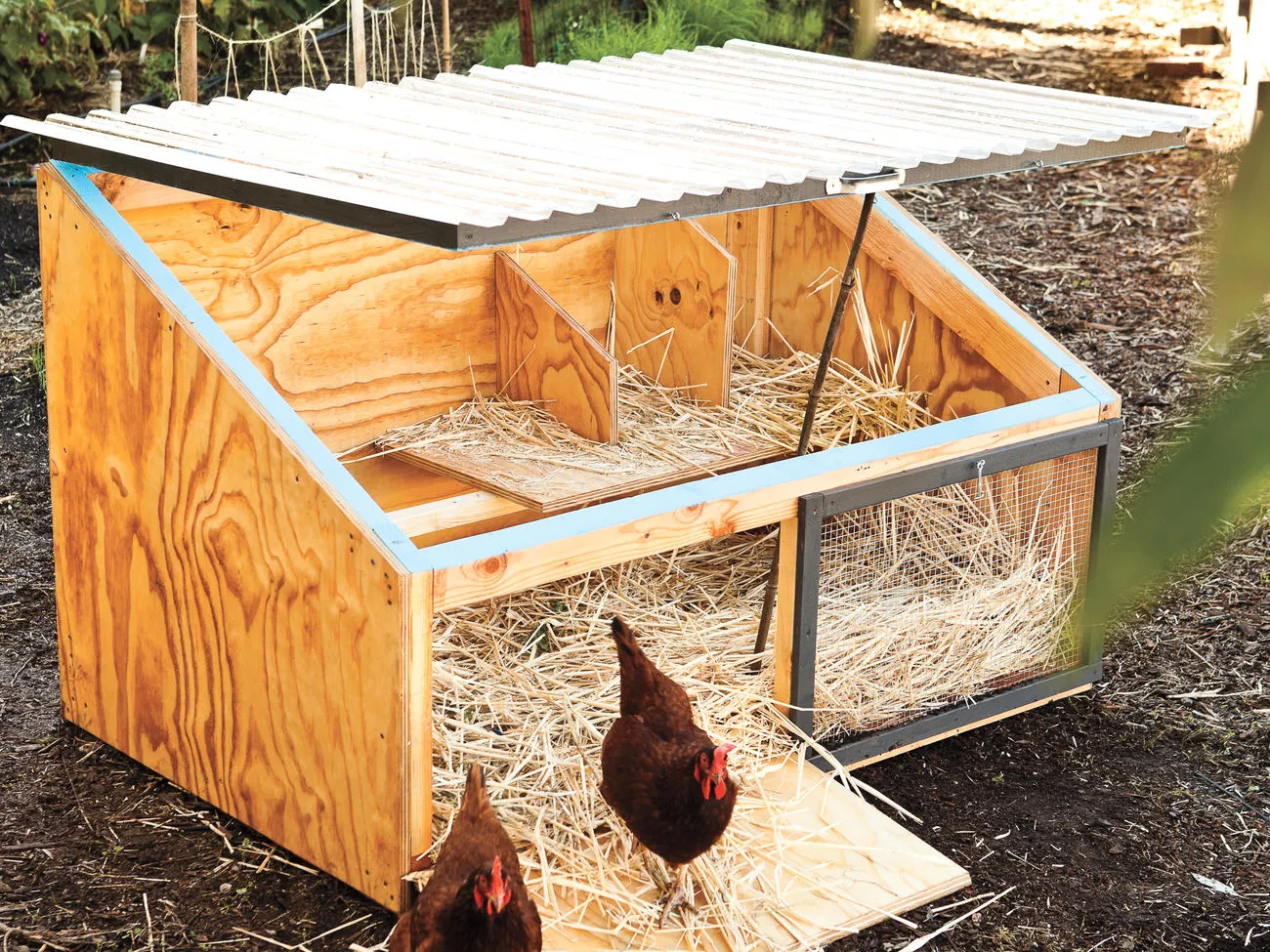
Planning Your Chicken Coop Design
Designing a chicken coop is an exciting project, whether you’re a seasoned homesteader or a first-time chicken keeper. Careful planning is key to creating a safe, comfortable, and functional home for your feathered friends. This phase involves assessing your needs, considering local regulations, and making informed decisions about the size, style, and materials of your coop. Proper planning minimizes future problems and ensures your chickens thrive in their new environment. Take your time during the planning phase, as it sets the foundation for a successful chicken-keeping experience. Remember that a well-designed coop not only protects your chickens but also makes your daily care routine easier and more enjoyable.
Determine Your Needs
Before you begin sketching plans or gathering materials, you need to determine your specific needs. This involves considering several crucial factors to ensure your coop meets the requirements of both you and your chickens. Evaluating your situation allows you to design a coop that is not only functional but also perfectly suited to your unique circumstances and ensures the chickens are happy and healthy.
Consider the Number of Chickens

The number of chickens you plan to keep is the most fundamental consideration when designing a chicken coop. Each chicken requires a certain amount of space both inside the coop and in the outdoor run. As a general rule, provide at least 4 square feet of floor space per chicken inside the coop. Additionally, offer a minimum of 8-10 square feet per bird in the run, although more space is always better. Overcrowding can lead to stress, disease, and behavioral issues like pecking. If you plan to expand your flock in the future, consider building a slightly larger coop to accommodate the potential growth. Planning for the right number of chickens ensures they have enough space to thrive.
Assess Available Space
The available space in your yard dictates the size and placement of your chicken coop and run. Measure your yard carefully, noting any existing structures, trees, or utility lines. Consider the sun exposure and wind patterns in your area. Chickens need both shade and sunlight, so aim for a location that offers a balance. Also, think about the proximity to your house and neighbors. While chickens can be relatively quiet, they do make noise, and their coops can produce odors. Choose a location that minimizes any potential disturbances. Make sure the coop is easily accessible for daily care and cleaning, ideally near a water source for easy access.
Local Regulations and Permits
Before you start construction, check your local ordinances and homeowner’s association (HOA) rules regarding chicken keeping. Many municipalities have regulations on the number of chickens allowed, coop size, and setback requirements (the distance the coop must be from property lines). You may need to obtain a permit before building your coop. Failure to comply with local regulations can result in fines or even require you to dismantle your coop. Research your local laws thoroughly. Contact your local government’s planning and zoning department to inquire about the specific requirements in your area to ensure your chicken coop design is compliant.
Choosing the Right Chicken Coop Design

Once you’ve addressed the planning phase, it’s time to choose a design. There are various styles of chicken coops available, each offering its own advantages and disadvantages. The best design depends on your specific needs, available space, budget, and aesthetic preferences. From traditional coops to mobile options, the choice of design impacts the functionality, security, and overall appeal of your coop.
Coop Styles and Features
Chicken coop designs vary widely, with numerous styles and features to consider. Understanding the different options helps you select a coop that best suits your requirements. Think about ease of access for cleaning, ventilation to control odor and humidity, and predator-proofing measures, such as secure latches and sturdy wire mesh. Some coops integrate the run with the coop, offering an all-in-one solution. Consider your climate. For example, in colder regions, insulation becomes essential. Explore different coop styles to find one that offers both functionality and meets your aesthetic preferences. Prioritize the chickens safety and comfort when choosing a design.
Traditional Coop Design
Traditional coops often feature a rectangular or A-frame design, built with wood and equipped with essential features. These coops typically include a covered coop area for roosting and nesting boxes, and an attached or separate enclosed run. The main focus is to create a secure and protected environment for chickens. The classic design is versatile and can be customized with various sizes and designs to accommodate your flock. They are easily adaptable to different climates and environments. Regular maintenance is necessary to ensure the longevity of a traditional coop, but they can be a very long-term investment. A well-built traditional coop offers a safe and comfortable habitat for your chickens.
Mobile Chicken Coops

Mobile chicken coops, also known as chicken tractors, are designed to be moved around your yard. These coops are often smaller and lighter than traditional coops, built with wheels or skids. Mobile coops provide fresh grass and foraging opportunities for the chickens while also helping to fertilize the soil. They also offer an excellent means of pest control, as the chickens eat many garden pests. The mobility aspect can be very appealing. Mobile coops require more frequent relocation, which can be an advantage or disadvantage depending on your needs and preferences. This is a great choice if you have a garden or want to improve the soil in different areas of your yard. The design is more compact and easier to move, ideal for small spaces and frequent relocation.
Coop Materials and Durability
The choice of materials significantly impacts the durability, longevity, and overall quality of your chicken coop. Selecting the right materials is crucial for protection from weather, predators, and wear and tear. When selecting materials, consider the climate, local pests, and the level of maintenance you’re willing to perform. The materials should be safe for chickens, non-toxic, and able to withstand the elements.
Wood vs. Metal
Wood and metal are the most common materials used in chicken coop construction. Wood coops are classic, offering a natural aesthetic and excellent insulation. Wood is also relatively easy to work with, making it suitable for DIY projects. Choose rot-resistant woods like cedar or redwood and treat the wood with a non-toxic sealant. Metal coops are more durable, weather-resistant, and often easier to clean. They are less prone to pest infestations. However, metal coops can become hot in the summer. Ensure proper ventilation if opting for a metal design. Consider the maintenance needs and your design preferences when deciding between wood and metal. Choose a material that offers longevity, safety, and is easy to maintain for long-term convenience.
Predator-Proofing Your Coop

Protecting your chickens from predators is paramount. Predators are a significant threat to chickens, and a well-designed coop should incorporate multiple measures to keep them safe. Predator-proofing measures can include strong wire mesh, secure latches, and proper burial of wire mesh. A comprehensive approach ensures that your chickens can enjoy a safe and secure environment.
Secure Doors and Latches
Doors and latches are often the first line of defense against predators. Use sturdy, well-made doors with secure latches that predators cannot easily open. Avoid using flimsy latches or those that can be lifted or slid open. Consider using a latch that requires multiple steps to open or a locking mechanism. Ensure the doors fit tightly to the frame and that there are no gaps. Inspect the doors and latches regularly for any signs of damage or wear. Regular maintenance will help your doors and latches remain effective. The doors and latches must be predator-proof to prevent animals from entering the coop, keeping your chickens safe.
Strong Wire Mesh
Use strong, durable wire mesh for the coop walls, roof, and run. Avoid using chicken wire, as it is not predator-proof; choose hardware cloth, which is made of heavy-gauge wire with small openings, making it difficult for predators to enter. Ensure the mesh is securely attached to the frame, with no weak points. Overlap the mesh at corners and seams for added strength. The smaller the mesh openings, the better, as this prevents predators from reaching inside. Regularly inspect the wire mesh for any damage or holes. Use the correct type of mesh to maximize the security of your coop.
Burial of Wire Mesh

Many predators will attempt to dig under the coop walls to gain access. To prevent this, bury the wire mesh around the perimeter of your coop. Extend the mesh outward at least 12 inches and bury it several inches deep. This creates a barrier that prevents digging predators from getting underneath. You can also add a layer of rocks or concrete along the buried wire mesh to further reinforce the barrier. Ensure all gaps are sealed and there are no weak spots where predators can enter. Properly burying the wire mesh offers an added layer of security, preventing predators from digging under the coop walls. This will give you peace of mind, knowing your flock is well protected.
Essential Coop Features
In addition to predator-proofing, a well-designed chicken coop incorporates several essential features that contribute to the health, comfort, and productivity of your chickens. These features encompass roosting bars, nesting boxes, ventilation systems, and elements that ease cleaning and maintenance. Including these components in your design creates a more comfortable and efficient environment, reducing your workload and making chicken keeping more enjoyable.
Roosting Bars and Nesting Boxes
Chickens need roosting bars for sleeping and nesting boxes for laying eggs. Provide at least 8-12 inches of roosting space per chicken, and position the roosting bars at a comfortable height. Place the nesting boxes in a dimly lit, quiet area of the coop. The nesting boxes should be large enough for your chickens, but not excessively large. Line the boxes with soft, clean bedding, such as straw or wood shavings. The nesting boxes should be accessible from both inside and outside the coop for easy egg collection. When planning, make sure there is enough roosting space for all of the chickens to roost comfortably at night. Also, make sure there are enough nesting boxes to accommodate the number of hens you have.
Ventilation and Airflow

Proper ventilation is essential for a healthy coop environment. Ventilation helps to remove moisture, ammonia, and other odors, preventing respiratory problems and keeping the coop dry. Install vents near the roofline and in other areas to allow for good airflow. Avoid drafts that can chill your chickens. Ensure the vents are protected with wire mesh to prevent pests from entering. Consider installing a fan in hot climates to help with air circulation and temperature control. Adequate ventilation is crucial for maintaining a healthy and comfortable environment for your chickens. Poor ventilation can lead to the build-up of harmful gases and moisture, which in turn can cause respiratory problems and diseases.
Easy Cleaning and Maintenance
Designing for easy cleaning and maintenance is crucial for reducing your workload and ensuring a sanitary environment. Incorporate features that simplify the cleaning process. For instance, consider using removable roosting bars, easily accessible nesting boxes, and a sloped floor that allows for easy removal of droppings. Choose materials that are easy to clean and disinfect. Regular cleaning helps to prevent disease, control odors, and keep your chickens healthy. A well-maintained coop provides a more enjoyable experience and prolongs the life of your coop. Make cleaning as simple as possible to maintain a clean and hygienic environment.
Building Your Chicken Coop
Once you’ve planned your coop, chosen a design, and gathered your materials, it’s time to begin construction. Whether you’re building a coop from scratch or using a pre-made kit, following a step-by-step guide and a detailed checklist will help to ensure a successful build. When constructing your chicken coop, pay close attention to safety, accuracy, and durability. The build itself is a rewarding experience that yields a functional and attractive shelter for your chickens.
Step-by-Step Construction Guide

Start by preparing the site, ensuring it is level and ready for construction. Then, build the frame of the coop, ensuring it is square and level. Install the walls, roof, and flooring according to your chosen design. Add doors, windows, and any ventilation features. Install the roosting bars and nesting boxes. Finally, add the finishing touches, such as painting or staining the exterior, and installing the run. Throughout the construction process, double-check all measurements and ensure all components are securely attached. Use the right tools and follow the instructions carefully for a solid, long-lasting coop. If you are not experienced, seek help or consult a professional.
Tools and Materials Checklist
Before starting construction, create a detailed checklist of all the tools and materials you will need. This checklist will help you avoid delays and ensure you have everything you need. Include essential tools such as a saw, drill, hammer, level, measuring tape, and safety equipment. List all the materials, including wood, wire mesh, hardware, fasteners, and any finishing products. Double-check your list to ensure you have enough of everything. This checklist will minimize interruptions and allow for a smoother building process. Accurate and complete planning ensures you build your coop effectively.
Placement and Assembly
Carefully consider the placement of your coop in your yard. Select a location that offers good drainage, sunlight, and protection from the elements. Assemble the coop according to the manufacturer’s instructions or your construction plans. Follow each step meticulously, ensuring all components fit correctly and are securely attached. If you are unsure about any step, refer to the instructions or seek assistance from an experienced builder. Take your time during the assembly process to ensure a high-quality build. The goal is to build the coop for your chickens, giving them the space and protection they require.
Finishing Touches and Landscaping
Once the basic structure of your chicken coop is complete, it’s time to add the finishing touches. Incorporating additional features such as a chicken run, a dust bath area, and landscaping elements can significantly enhance the functionality and aesthetic appeal of your coop. Finishing touches complete the project, making it more functional, aesthetically pleasing, and enjoyable for both you and your chickens. With these features, you can create an environment where your chickens can thrive.
Adding a Chicken Run
A chicken run provides a secure outdoor space for your chickens to exercise and forage safely. The run should be enclosed with sturdy wire mesh and have a secure gate. The size of the run should accommodate the number of chickens you have. Consider adding a roof to the run to protect the chickens from sun and rain. You can also add perches, climbing structures, and other enrichment activities. Make sure the run is predator-proof by burying wire mesh and using secure latches. Consider the materials you use for the run. Adding a chicken run is a great addition, offering chickens a safe space to roam.
Creating a Dust Bath Area
Chickens love to take dust baths, which help them remove parasites and keep their feathers clean. Create a designated dust bath area inside the coop or run. The dust bath area can be a shallow container filled with a mixture of dry dirt, sand, and wood ash. Place the dust bath in a sunny spot to encourage the chickens to use it. Providing a dust bath is crucial for your chickens’ health and hygiene. Offering a dust bath will keep your chickens clean and free of pests.
Landscaping Around the Coop
Landscaping around the coop can enhance its appearance and provide additional benefits for your chickens. Plant shrubs or trees to provide shade and protection from the wind. Create a small garden bed for your chickens to forage in, providing them with access to fresh greens and insects. Use landscaping elements to improve the aesthetics of your coop. When planning landscaping, consider the chickens’ needs. Choose plants that are safe for chickens and that can thrive in the environment. Thoughtful landscaping will provide both aesthetic appeal and functional benefits.